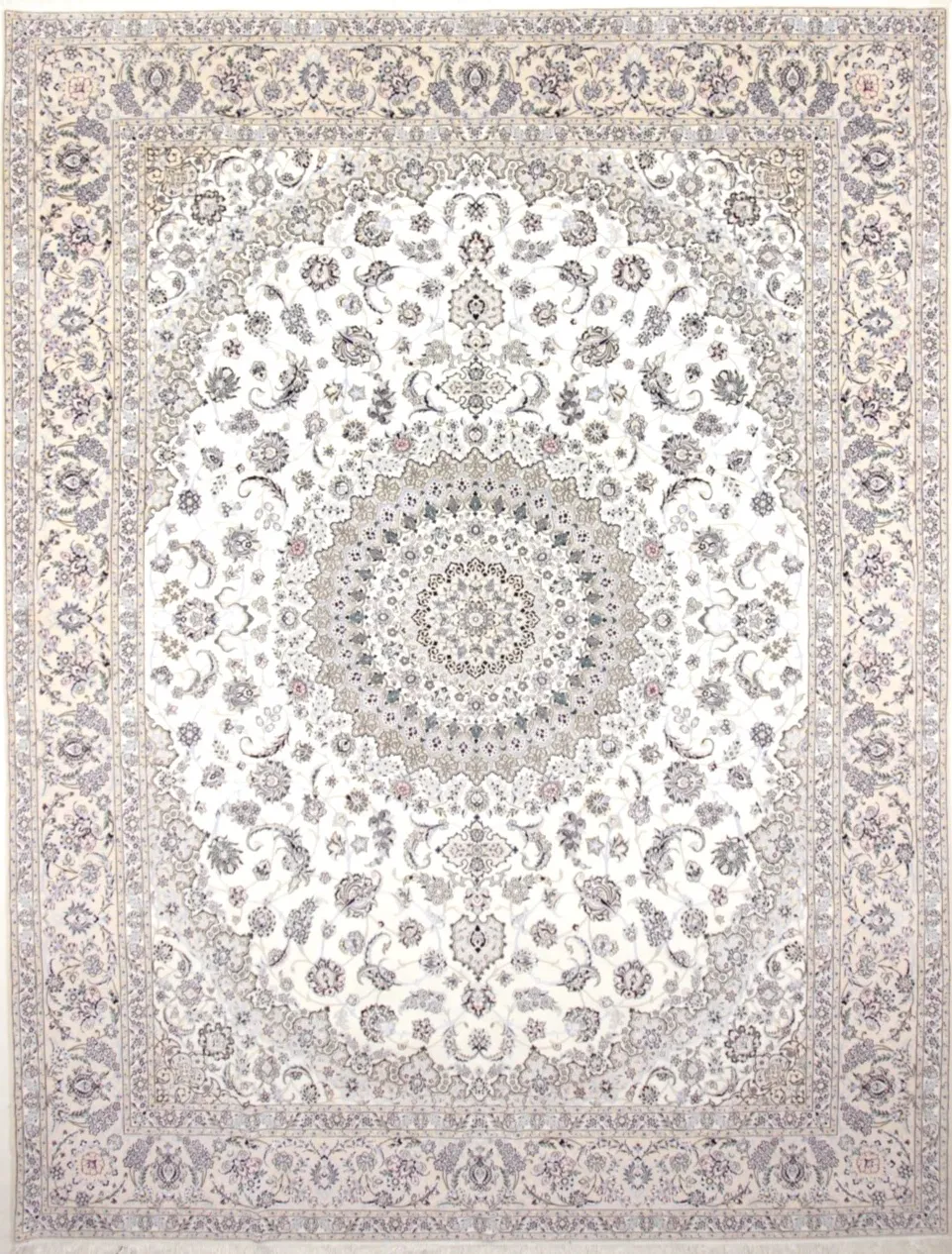
Carpet on tiles with underfloor heating: combining well-being and functionality
Carpets on tiles with underfloor heating: combining well-being and functionality
Introduction
Carpets are more than just decorative elements in our living spaces. They serve not only aesthetic purposes but also comfort and functionality. Especially when combined with tiles and underfloor heating, they create a truly special atmosphere that invites a sense of well-being. In this article, you'll learn everything you need to know about carpets that work best with tiles and underfloor heating, and how to make the right choice to create a stylish yet functional living environment.
The advantages of underfloor heating
Before we consider choosing carpets, it's important to consider the benefits of underfloor heating. These heating systems offer even heat distribution and economic benefits because they operate more efficiently than conventional radiators. Combining tiles with underfloor heating has proven particularly effective, as tiles conduct and retain heat well.
- Energy Efficiency: Underfloor heating systems operate at lower temperatures, which reduces energy consumption.
- feel-good climate: The even heat ensures a pleasant room climate.
- design freedom: Tiles in different designs allow for a variety of design options.
Carpets as home accessories
Carpets are an essential home accessory in many ways. Not only do they create a visual connection between the different areas of a room, but they also contribute significantly to the acoustics and indoor climate.
- Acoustic advantages: Carpets dampen noise and contribute to a calm atmosphere.
- thermal insulation: They insulate the floor and provide additional warmth, which is an advantage when using underfloor heating.
- Aesthetic diversity: Whether modern, classic or oriental – carpets are available in countless designs and colors.
The perfect combination: carpet on tiles with underfloor heating
When combining carpets, tiles, and underfloor heating, many questions arise. Which carpets are best suited? How does carpeting affect heat retention? And what maintenance does it require?
1. Choosing the right carpet
When choosing a carpet for rooms with tiles and underfloor heating, the following factors should be considered:
Material : Natural fibers such as wool or cotton are breathable and temperature-regulating. Synthetic materials are often easier to care for and more durable.
Pile height : Low-pile carpets are ideal for use on tiles with underfloor heating. High pile carpets can impair heat conduction.
- Size: Make sure the carpet fits the room and doesn't restrict heating performance. Carpets should never cover heating pipes.
2. Style and design
The rug's design should complement the tiles and furnishings. Whether solid, patterned, or with special accents—the choices are endless. Consider the style of your room and choose a rug that contributes to both aesthetics and functionality.
3. Care and cleaning
Carpets require special care, especially when placed on tiles with underfloor heating. Regular vacuuming is essential to remove dust and dirt. If stains occur, act immediately and use appropriate cleaning products. Be careful not to damage the material.
Tips for arranging carpets
The placement of your rug can have a significant impact on the overall look of your room. Here are some tips:
Create zones : Use rugs to define different areas in the room, such as the living area from the dining area.
Size ratio : Ensure the rug is proportional to the furniture arrangement and room size. A rug that is too small can look lost.
- Add color accents: Use rugs to add color accents and liven up the room.
Creative design options
Rugs can be creatively integrated into interior design. Here are some ideas:
- Mix and Match: Combine different rugs for a unique look.
- Color accentuation: Use contrasting colors between carpet and tiles.
- layers: Layer a larger rug with a smaller one to create textural variety.
Environmental impacts and sustainable options
More and more people are placing value on environmentally friendly solutions. When choosing a carpet, it's worth paying attention to materials and manufacturing processes that are sustainable and biodegradable. Many manufacturers now offer carpets made from recycled materials or organically grown fibers.
The economic efficiency of carpets
Carpets are an investment in your home. High-quality carpets can not only significantly enhance the look of your rooms but also increase the value of your property. When purchasing, consider durability and ease of care to save costs in the long run.
Conclusion
Carpets are an essential part of any interior design, especially when combined with tiles and underfloor heating. They offer the perfect balance between functionality and aesthetics and contribute significantly to living comfort. From choosing the right material to design and arrangement, there are many aspects to consider. But with the right tips and tricks, you can create an inviting and functional space.
FAQ section
1. Which carpet material is best suited for underfloor heating?
Wool, cotton, and high-quality synthetic materials are ideal. These materials conduct heat well while providing the necessary comfort.
2. How often should I clean my carpet if it is on tiles with underfloor heating?
Regular vacuuming is recommended, at least once a week. Stains should be addressed immediately to avoid permanent damage.
3. Does the pile height affect heat conduction on tiles?
Yes, deep-pile carpets can impair heat conduction. Low-pile carpets are therefore better suited to avoid hindering heating performance.
With this information, you are well equipped to choose the perfect carpet for your tiles with underfloor heating and thus make your home stylish and comfortable.