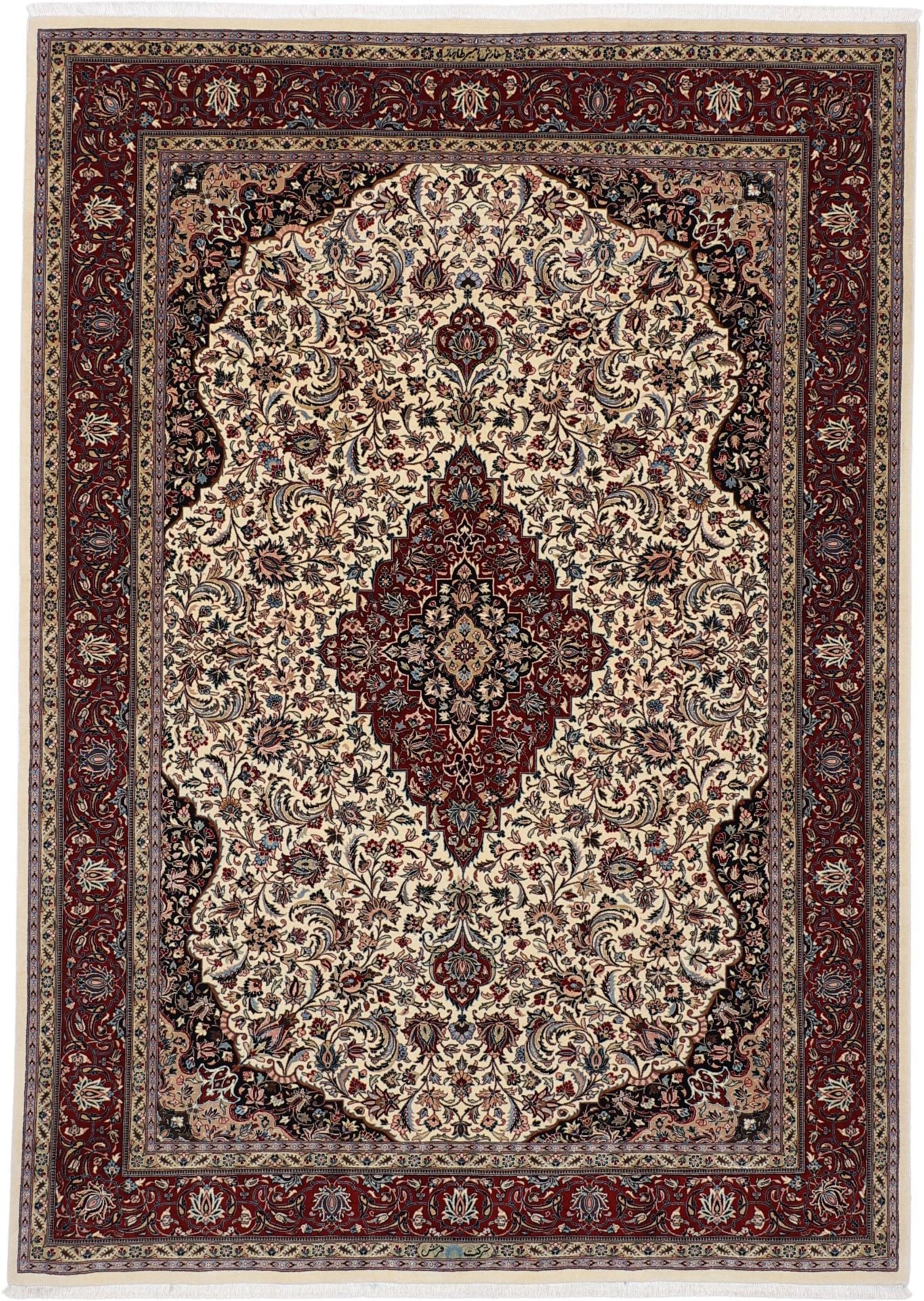
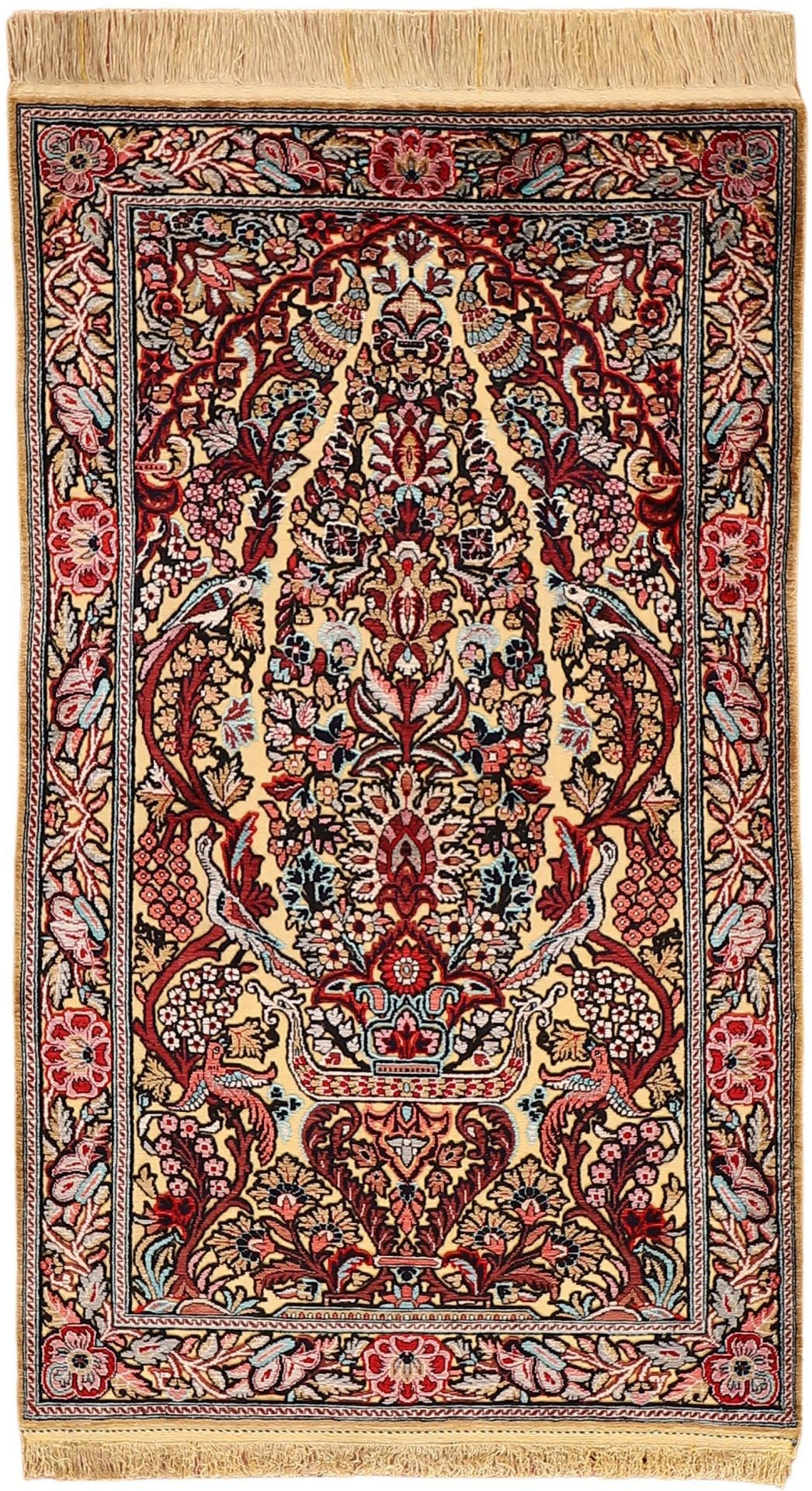
Six letters: Oriental carpet in the puzzle
Carpets – A space for tradition, style and comfort
Introduction to the world of carpets
Carpets have been an essential part of interior design for centuries. They add character, warmth, and style to rooms. Oriental carpets, those elaborate handicrafts from the Middle East, have particularly captured the hearts of enthusiasts and collectors over the centuries. But what makes a carpet an oriental carpet? What are the basics and the different types of carpets available on the market? In this article, we will explore the various aspects of carpets, with a special focus on oriental carpets, their history, materials, care, and much more.
The history of oriental carpets
The origins of oriental carpets can be traced back to the 5th century BC. Carpet weaving is an art practiced in various cultures of the Middle East, including Persia, Anatolia, and Kazakhstan. Each of these areas has developed its own style, materials, and techniques that are unique while reflecting the respective culture.
The first documented finds of carpets date back to the Persian period and were often made of sheep's wool or plant fibers. In these early days, carpets were not only decorative but also functional—they served as an insulating layer between the cold ground and people's feet.
Materials and techniques
Wool, silk and cotton
The most common materials used to make oriental rugs are wool, silk, and cotton. Each material has its own characteristics:
Wool: It is known for its durability and warmth. Wool has natural dirt-repellent properties and is widely used in carpet production. Wool from sheep flocks in the Caucasus is considered particularly high-quality.
Silk: Silk carpets are exceptionally luxurious and lustrous. They are more delicate than wool carpets, but offer a brilliant depth of color and fine details unmatched in the art of carpet weaving. Silk Oriental carpets are the result of patient handwork and are often found in prestigious collections.
- Cotton: Commonly used as a weft thread in weaving. Cotton is a more cost-effective option and offers good durability. Cotton rugs are often easier to clean and can be used for everyday applications.
knotting and weaving techniques
The techniques used to make carpets are equally diverse. Here are the most common methods:
Hand-knotted: The traditional technique where each knot is tied by hand. This process requires a great deal of skill and time and results in a robust, durable product.
Machine-woven: This method is more cost-effective and faster. However, machine-woven carpets are generally less detailed and less durable than hand-knotted versions.
- Handwoven: In this technique, the threads are processed into a fabric that feels less elastic and is often used for flat carpets, such as Kelims, is used.
The types of oriental carpets
Persian carpets
Persian rugs are perhaps the most recognizable oriental rugs. They originate from Iran and are famous for their intricate patterns and vibrant colors. Each Persian rug tells a story about the region in which it was made, including the use of specific motifs and colors.
Turkish carpets
Turkish rugs originate from Turkey and typically feature geometric patterns and bold colors. They are often made from high-quality wool and sometimes silk. Turkish rugs are known for their robustness and durability.
Afghan carpets
Afghan rugs are often in dark, earthy tones and are usually made of wool. Their patterns are often influenced by nomadic traditions, making them particularly authentic. They are usually thicker and heavier than other oriental rugs.
Indian carpets
India has a rich tradition of carpet making, influenced by various cultures and religions. Indian carpets can be very colorful and detailed, ranging from traditional to modern designs.
Care and cleaning of carpets
To preserve the beauty and longevity of carpets, especially oriental rugs, regular care is essential. Here are some carpet care tips:
Regular cleaning
Vacuuming: Regular vacuuming is crucial for removing dust and dirt. A vacuum cleaner with a gentle brush setting should be used.
- Spot removal: Immediate treatment of stains is important. Use a soft cloth and special carpet cleaners to remove stains, and never blot the stain to prevent it from spreading.
Professional cleaning
For thorough cleaning, carpets should be cleaned by professionals every few years. These professionals use specialized techniques and cleaning agents that treat carpets gently.
Avoid direct sunlight
Direct sunlight can fade the colors of carpets. Use curtains or blinds to regulate the light and protect the carpets from sunlight.
Carpets as a design element
Rugs are not only functional pieces, but also key design elements in interior design. Here are some tips on how to effectively integrate rugs into your living spaces.
Choosing the right carpet
Choosing the right rug depends on several factors: the size of the room, the color palette, the type of furniture, and personal style. In a large room, multiple rugs can be used to define different areas.
color coordination
The colors of the rug should harmonize with the existing colors in the room. This can help create a unified aesthetic. Oriental rugs are often very colorful and complex; it's helpful to identify the dominant colors and choose the rest of the decor based on them.
pattern and texture
Patterns can add depth and interest to a room. Oriental rugs are known for their rich patterns, which often contain nostalgic or historical references. They can be used to create contrast with modern furniture or between different materials.
Conclusion
Rugs, especially oriental rugs, are more than just floor accessories; they contribute to the history, culture, and aesthetics of our living spaces. They bring warmth, style, and an atmosphere that no other design element can match. When choosing a rug, consider both the materials and the craftsmanship to make the best decision for your space.
A rug can be not only an aesthetic asset but also a valuable heirloom that can last for generations. With proper care and understanding, these works of art made of wool and silk can last for generations without losing their beauty or value.
FAQ
1. How do I find the right oriental rug for my home?
The right rug depends on the size of the room, the color palette of your furniture, and your personal style. Be sure to consider the dominant colors in the room and choose a rug that fits both aesthetically and functionally.
2. How can I extend the life of my carpet?
To extend the lifespan of your carpet, vacuum regularly, treat stains promptly, and seek professional cleaning. Avoid direct sunlight and ensure the carpet is placed on an even surface.
3. Where can I buy high-quality oriental rugs?
High-quality oriental rugs are available in specialized rug shops, antique stores, or online stores. Be sure to check the origin and quality of the rug to ensure you're getting an authentic piece.