“Round rugs: How to find the perfect rug for your home”
Carpets: How to find the perfect carpet for your home
Rugs are not just simple floor coverings; they are also decorative elements that significantly influence the ambiance and atmosphere of a room. They bring warmth, comfort, and style to any home. Whether for the living room, bedroom, kitchen, or dining room, the selection of rugs is vast. However, finding the perfect one can also be challenging. In this article, you'll learn what factors to consider when choosing a rug and how to ensure your new rug is both functional and aesthetically pleasing.
The different types of carpets
Before we delve into choosing the perfect rug, it's important to understand the different types of rugs. Each rug has its own characteristics and benefits that make it suitable for specific purposes.
1. Wool carpets
Wool rugs are popular due to their durability, softness, and thermal insulation. They are naturally stain-resistant and should be cleaned regularly. Wool rugs are available in a wide variety of designs and colors, making them a versatile choice for any room.
2. Plastic carpets
Plastic rugs are easy to maintain, waterproof, and ideal for indoor and outdoor use. They're available in a variety of styles and are perfect for patios or kitchens because they're easy to clean and moisture-resistant.
3. Oriental carpets
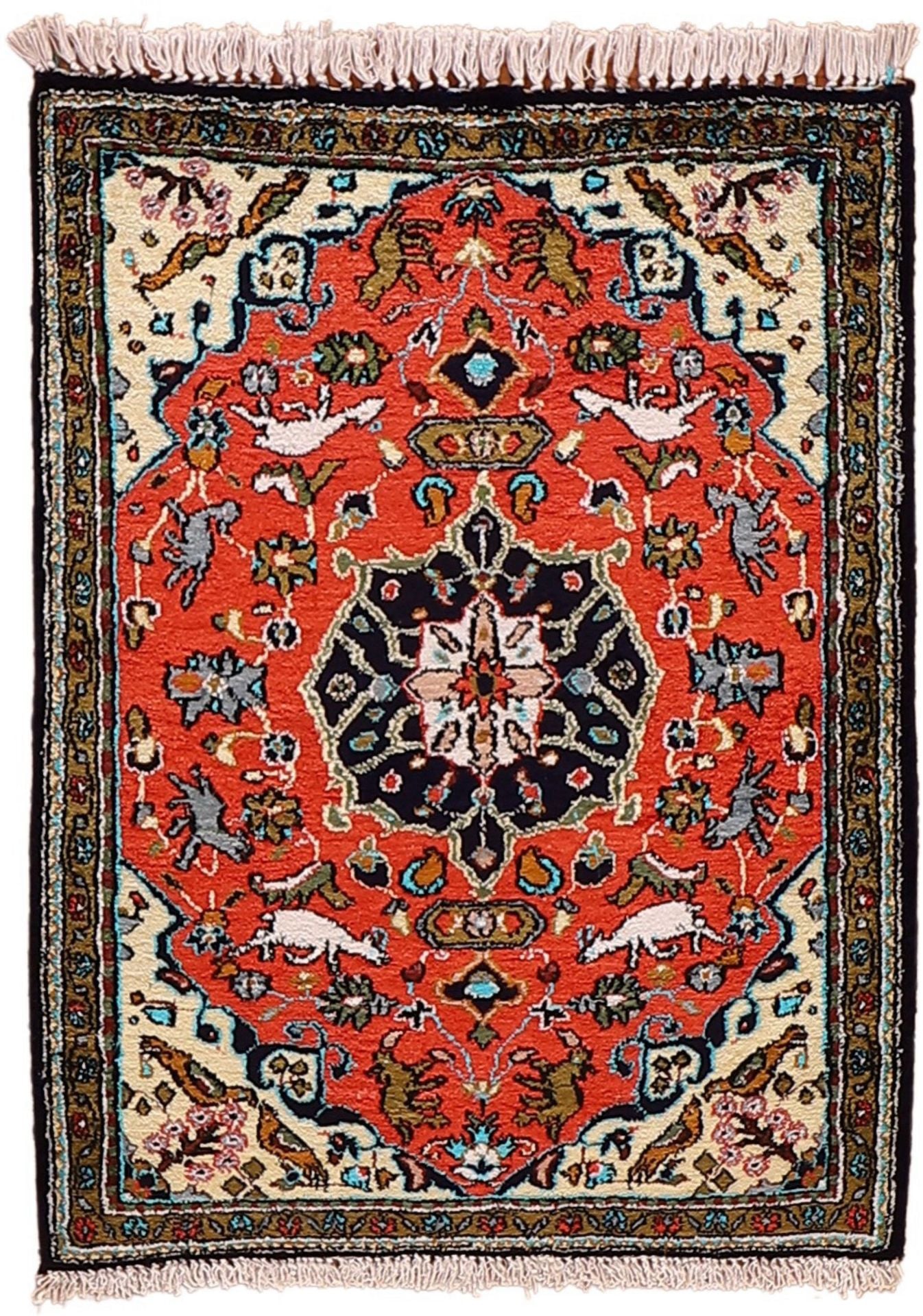
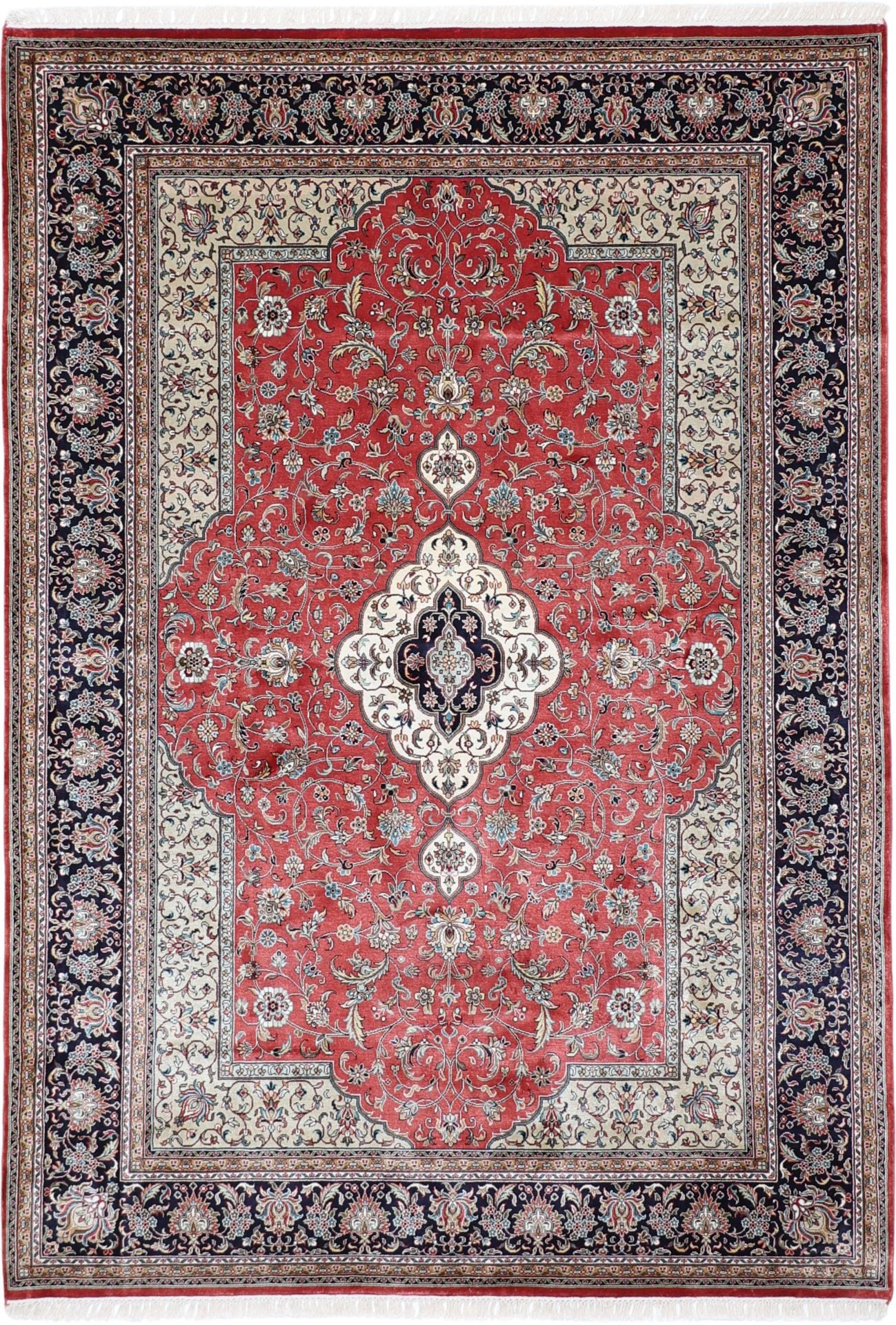
Oriental rugs are artisanal products with intricate patterns and vibrant colors. They are often hand-knotted and characterized by their high quality and durability. Due to their high price, they are often an investment that can last a lifetime.
4. Vintage- and shaggy rugs
VintageCarpets are contemporary interpretations of classic designs and offer a unique, nostalgic atmosphere. Shaggy carpets, on the other hand, are known for their high, fluffy fibers, which create a cozy ambiance and are ideal for living rooms or bedrooms.
Choosing the right size and shape
When choosing a rug, size plays a crucial role. A rug should not only fit the room but also integrate with the furniture arrangement.
1. The right size
The size of the rug ultimately depends on the size of the room and the furniture layout. There are some general guidelines:
- Carpets for living rooms: Ideally, the front legs of all furniture should rest on the carpet to create a harmonious unit.
- Carpets for dining rooms: Make sure there is enough space around the table so that the chairs do not slide off the carpet when guests are seated.
- Carpets for bedrooms: A rug that extends under the bed and to the sides can make the room feel more cozy.
2. Round rugs
Round rugs have gained popularity in recent years. They're great for smaller spaces or to accentuate a specific area, and they can create interesting visual layers. Round rugs are ideal for seating areas or under a round dining table.
color selection and patterns
The colors and patterns of a rug greatly influence the overall look of a room. You should choose colors and patterns that harmonize with your existing interior design style.
1. Neutral colors
A neutral rug in shades like beige, gray, or white provides an excellent base and can be easily combined with other colors. These rugs are timeless and complement any type of furniture.
2. Vivid colors
Rugs in bold colors can make a beautiful statement and visually enhance a room. When working with bold colors, the rest of the elements in the room should be kept subdued to create a harmonious overall look.
3. Patterns and designs
Patterns can significantly influence the character of a room. Geometric designs, floral patterns, or ethnic motifs are just a few of the possibilities. Make sure the pattern is in keeping with the rest of the decor and doesn't overwhelm.
Materials and care
A rug made of high-quality material is not only durable but also pleasant to the touch. Different materials require different care, which should be taken into account when choosing.
1. Easy-care carpets
Carpets made of synthetic fibers such as polypropylene or nylon are particularly easy to care for and stain-resistant. They're ideal for high-traffic areas because they don't rub or fade easily.
2. Natural fibers
Wool, silk, and cotton are natural materials that offer a pleasant feel. However, they require careful care and should be cleaned regularly and, if necessary, professionally cleaned to preserve their beauty over time.
Room design and carpet positioning
The placement of a rug in a room can significantly influence its appearance. Here are some tips for optimal rug design:
1. Carpet as a central focus
A large rug can serve as a central design element, connecting the different areas of a room. Make sure the rug encompasses all the furniture in one location.
2. Carpet to define areas
In open-plan living spaces, rugs can be used to define different functional areas. For example, a rug can separate the living area from the dining area and add structure.
3. Use contrasts
Play with contrasts to create interesting visual effects. A dark rug on a light floor can create a beautiful focal point, while a light rug in a room with a darker color palette can add softer accents.
Tips for buying carpets
When choosing a carpet, there are a few things to consider:
1. Set a budget
Rugs come in all price ranges. Set a budget and stick to it to narrow down your choices. Remember that more expensive rugs often offer better quality and durability.
2. Check quality
Check the weave and quality. High-quality rugs are often more tightly woven and feel softer. Look for labels and certificates that confirm quality.
3. Get a carpet sample
Before purchasing the rug, try bringing a sample to see how it will look in your room. Lighting and other colors in the room can change the look.
The right carpet and your health
Should you choose a rug that's suitable for allergy sufferers? This is especially important if you or family members suffer from allergies. Rugs made of synthetic materials can attract allergens, while natural materials like wool may be less likely to cause allergies.
1. Non-toxic materials
When purchasing a carpet, look for materials that are free of harmful substances. Certificates such as the Oeko-Tex label ensure that the carpet does not contain any harmful substances.
2. Regular cleaning
Regular cleaning is essential to minimize dust and allergens. Vacuum your carpet at least once a week and have it professionally cleaned periodically.
Conclusion
Choosing the perfect rug can be a fulfilling yet challenging task. Enhance your space with a beautiful, functional rug that reflects your personal style while enhancing the comfort and beauty of your home. Consider the different rug types, sizes, colors, materials, and care requirements to make an informed decision. By considering your needs and preferences, you can ensure your new rug is not only a stylish addition to your home, but also a place where you can feel comfortable and relax.
FAQ
1. How do I clean my carpet properly?
Cleaning depends on the material of your carpet. Generally, a carpet should be vacuumed regularly. For stains, use a mild detergent and water. For stubborn stains, professional carpet cleaning may be necessary.
2. How do I choose the right rug size?
A rug should be chosen in proportion to the room and the furniture arrangement. In living areas, the front legs of the furniture should rest on the rug. In the dining room, the rug should extend at least 60 cm around the table.
3. Are carpets suitable for allergy sufferers?
Yes, there are rugs that are suitable for allergy sufferers, especially those made from natural materials like wool. Look for products that are free of harmful substances and look for certifications to ensure the rug is allergy-friendly.