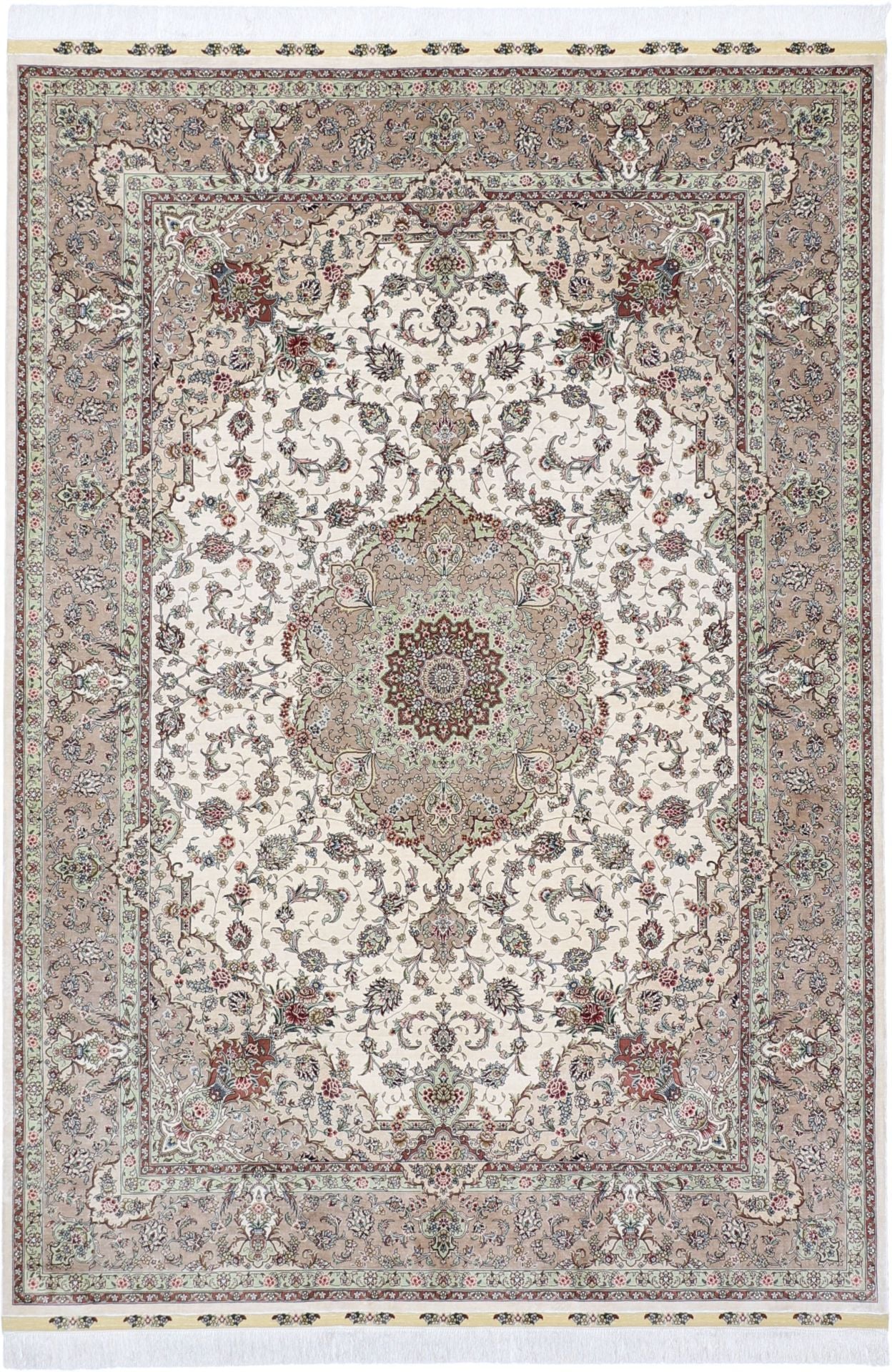
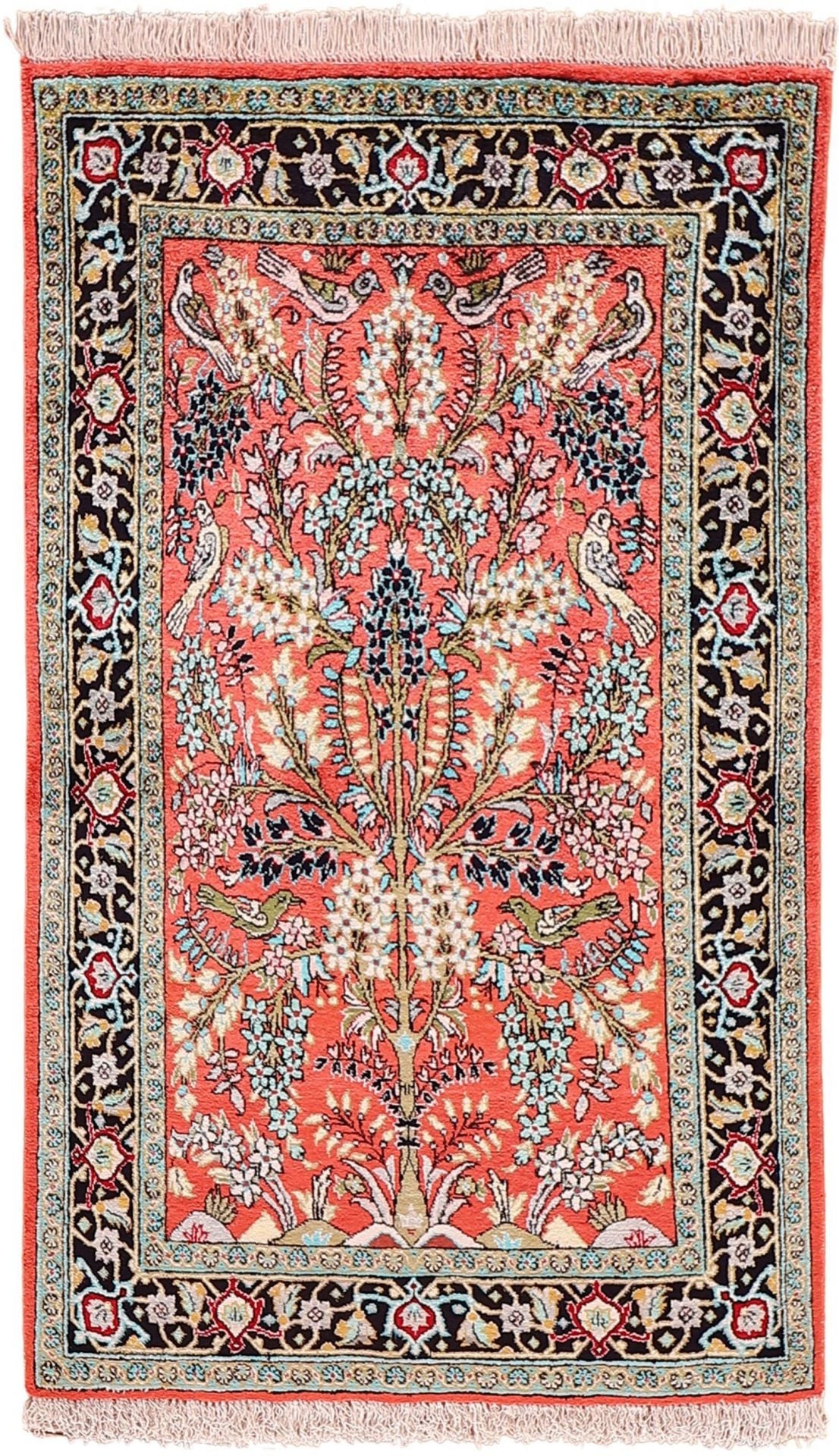
Price comparison: How much do carpets cost – tips for the best purchase
Carpet price comparison: How much carpets cost – tips for the best purchase
Carpets are more than just floor coverings; they are important design elements in any room, contributing to the atmosphere and comfort. In a carpet-related online store or blog, it's essential to inform visitors about various pricing factors, materials, and purchasing recommendations. This article will help you understand the world of carpets, provide insight into price segments, and offer valuable tips for making the best purchase.
1. Introduction to the world of carpets
Carpets have a long history and are a valued element in many cultures. They can create visual accents as well as provide warmth and acoustics in a room. Today, the selection ranges from handwoven Oriental carpets to modern designs. DesignerPieces. Before you commit to buying a rug, it is important to understand your options and their price ranges.
2. Price factors of carpets
Carpet prices can vary widely, often depending on several factors. The following are the most important pricing factors:
2.1. Material
The material is the biggest price driver for carpets. The most common materials are:
Wool : Wool is durable, feels good, and has natural dirt-repellent properties. High-quality wool carpets can cost between 50 and 200 euros per square meter.
Synthetic fibers : Carpets made from materials such as polypropylene or nylon are often cheaper, costing between 10 and 80 euros per square meter. They are easy to care for and available in various designs.
- SilkSilk carpets are luxurious and expensive. They can cost anywhere from 300 to 1000 euros per square meter, depending on the workmanship and quality.
2.2. Manufacturing method
Machine-woven : These carpets are often more affordable and well-suited for high-traffic areas. Prices typically range from €20 to €150 per square meter.
- handwoven: Hand-woven carpets are usually more expensive (100 to 1000 euros per square meter) because they require a lot of time and craftsmanship.
2.3. size
The size of the rug significantly influences the price. Larger rugs cost more, while smaller ones are more attractively priced. Measure the space accurately to ensure you choose a rug that fits your home without incurring excessive costs.
2.4. Design and color
Designer And unusual patterns can also drive up the price of a rug. Simple, solid-colored rugs are generally cheaper, while elaborately designed pieces with complex colors and patterns are more expensive.
3. Price segment analysis
To give you a better overview of reasonable prices for carpets, we have divided the price segment analysis into different categories:
3.1. Budget carpets (under 50 euros)
- Often made from synthetic materials
- Good for rental apartments or temporary solutions
- Easy to care for, but generally less durable
3.2. Mid-range carpets (50 to 200 euros)
- Often made from a mixture of many materials
- Good quality and durability
- Diverse designs and colors
3.3. High-priced carpets (over 200 euros)
- Handwoven or made from high-quality materials
- Durable and often a work of art in itself
- Ideal for investments in home design
4. Tips for buying the best carpet
When purchasing a carpet, you should consider the following tips to make the best decision for your needs:
4.1. Analyze needs
Before purchasing a rug, you should define your requirements. Do you want something for a high-traffic room or a privacy screen for the bedroom? What color palette complements your furniture design? Answering these questions will help you streamline your rug selection process.
4.2. Choose the right size
Measure the area where the rug will be placed precisely. Use painter's tape to mark the measurements on the floor to get an idea of the feel of the room. A rug should serve as a focal point and harmonize with the furniture arrangement.
4.3. Check quality
Pay attention to the craftsmanship and materials. Check the back of the rug to ensure the craftsmanship is neat and tidy. In hand-woven rugs, the knots should be even and tight.
4.4. Compare prices
Use online platforms to compare prices. Look for offers and discounts to find the best price for your desired carpet.
4.5. Care and ease of care
Consider the carpet's ease of care. Some materials require special care, while others are easy to clean. Also, find out about potential stain and dirt susceptibility to long-term enjoyment of your carpet.
5. Final section
Buying a rug can be a rewarding and enjoyable experience if you're well-prepared and informed. By considering the various price factors, materials, sizes, and your individual needs, you can make an informed purchase decision that will enhance your space and provide long-lasting enjoyment. Remember to compare prices and consider quality when choosing. A good rug is not only an investment in your home, but also in your quality of life.
6. FAQ
6.1. How do I find the right carpet for my home?
To find the right rug, consider your needs, room style, size, and budget. Think about the rug's function and the materials you want.
6.2. Are expensive carpets always better?
Not necessarily. The price of a rug depends on many factors, including material, craftsmanship, and design. A more expensive rug may be of higher quality, but there are also many affordable options that are very good. Remember to evaluate the quality and features before making a purchase decision.
6.3. How do I properly care for my carpet?
Caring for your carpet depends on the materials used. Vacuum regularly, avoid direct sunlight to prevent color fading, and act quickly on stains to avoid permanent damage. Read the manufacturer's care instructions for best results.
By considering these aspects, you'll be well-equipped to make the right decision when purchasing a carpet. Carpets not only contribute to the aesthetics of your home, but also to your comfort and quality of life.