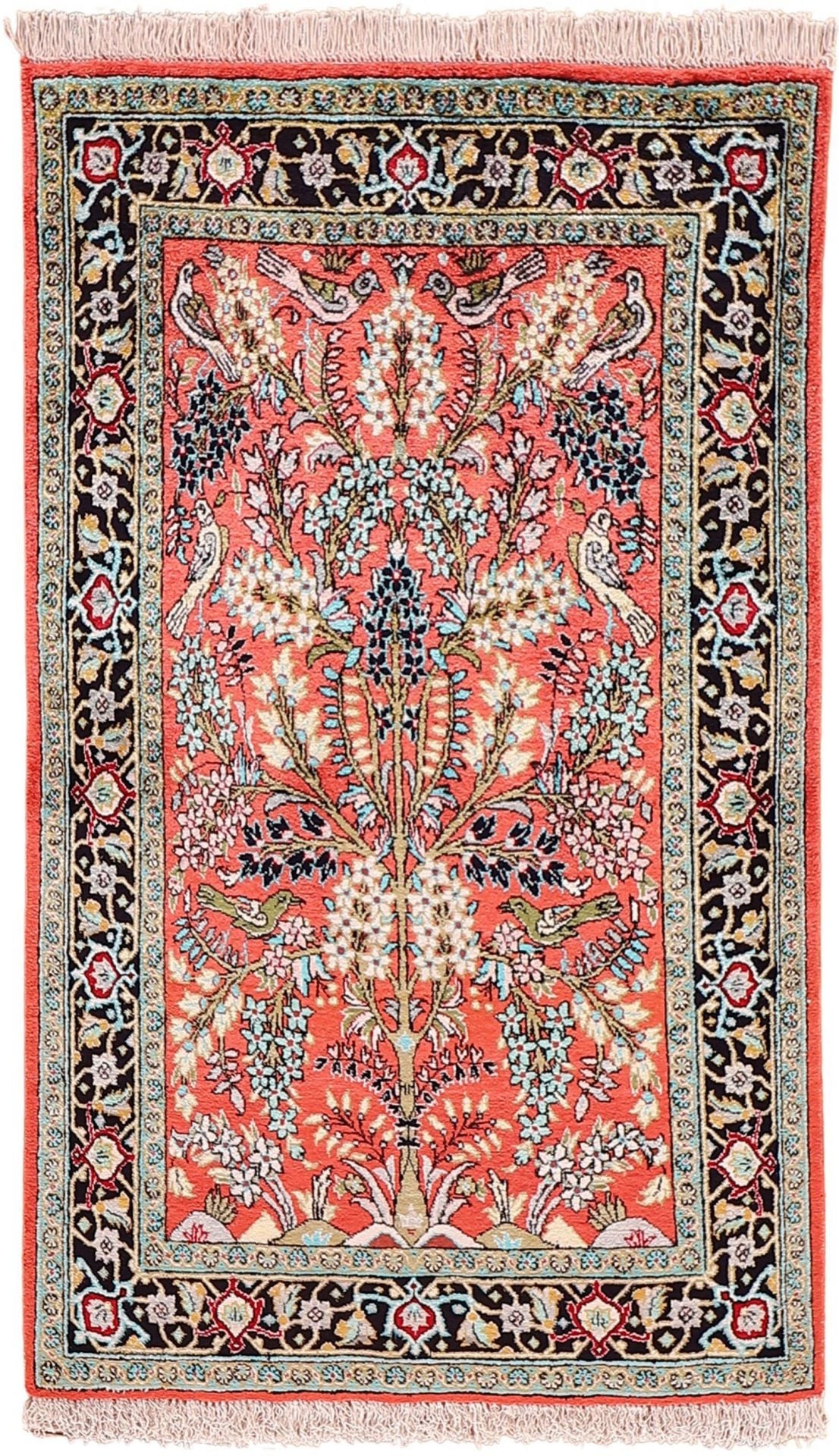
“Prices for Persian carpets: quality, variety and what you should know”
Carpets: Variety, quality and what you should know
Carpets are more than just floor coverings; they are an expression of culture, art, and craftsmanship. From magnificent Persian carpets to modern DesignerThere is a virtually endless selection of rugs available that can brighten up any home. In this article, we will take an in-depth look at the quality, variety, and prices of rugs, especially Persian rugs, and provide you with valuable information and tips for your purchase.
The history of carpets
Carpets have a long and fascinating history dating back thousands of years. The oldest known carpets come from the Central Asian region and date back to the 5th century BC. Over the centuries, various carpet traditions and techniques developed, with each region producing its own unique style.
The Persian carpet is perhaps the most well-known among them, often prized for its exquisite craftsmanship and high-quality materials. Persian carpets are characterized by intricate designs, graceful patterns, and vibrant colors that reflect the rich culture and history of Persia.
The variety of carpets
Carpets come in countless variations, from hand-knotted rugs to machine-made models. Here are some of the most common types:
1. Persian carpets
Persian carpets are famous for their traditional craftsmanship. These carpets are often made of wool or silk and feature intricate patterns and vibrant colors. The materials and manufacturing methods can significantly influence the price.
2. Oriental carpets
Oriental rugs, which come not only from Persia but also from other Middle Eastern countries, are equally prized. They are available in a variety of patterns and colors, offering a blend of tradition and modernity.
3. Modern carpets
Modern rugs are often simpler in design and can be made from synthetic materials or a blend of natural materials. They are ideal for contemporary interiors and often easier to maintain.
4. Berbercarpeting
BerberCarpets originally come from the BerberThey originate from North Africa. They are known for their rough textures and geometric patterns, which create a warm and rustic atmosphere.
5. Carpets made of different materials
- Wool: Robust, warm and wonderfully soft; wool is the most popular material for carpets.
- Silk: Luxurious and shiny, but more delicate and expensive.
- Synthetic fibers: Often cheaper and easier to maintain, but less environmentally friendly.
Price factors when buying carpets
Carpet prices can vary widely depending on several factors. Here are the most important aspects that influence the price of a carpet:
1. Material
The choice of material is one of the main factors in determining the price of a rug. High-quality materials such as pure wool and silk are more expensive than synthetic fibers, but offer better durability and aesthetics.
2. Craftsmanship
Hand-knotted rugs are generally more expensive than machine-made rugs. The number of knots per square meter is another determining factor: the more knots, the more expensive the rug.
3. Design and Pattern
More elaborate patterns and complex designs require more time and labor, which is reflected in the price. Simple, geometric patterns are generally less expensive.
4. Origin
The geographical origin of the carpet can also influence the price. Carpets from regions with a strong carpet-making tradition, such as Persia or Turkey, are often more valuable.
5nd state
Existing signs of wear and tear or the general condition of a used rug can both increase and decrease its price. A well-preserved antique rug can be very valuable.
Buying advice: What to look for when buying a carpet
There are a few important points to consider when buying a carpet:
1. Room size
Measure the room where you plan to place the rug. Make sure the rug fits well around the furniture or at least leaves enough room to move around.
2. Style and color
The rug should match the overall style of your room. Consider the colors of your furniture and walls and choose a rug that blends harmoniously with them.
3. Care and cleaning
Learn about the carpet's care needs. Some materials require special cleaning and care procedures.
4. Certificates and proof of origin
Look for certificates that can prove the authenticity of the carpet, especially for expensive models.
Carpet care
Proper care and cleaning of your carpet can significantly contribute to its longevity. Here are some tips:
- Regular vacuuming: Remove dust and dirt regularly to protect the fibers.
- stain removal: Treat stains immediately with a suitable cleaner and avoid harsh chemicals.
- Professional cleaningConsider having your carpet professionally cleaned every few years, especially if it is made of delicate materials.
Tips for carpet design
Rugs can transform not only the floor but also the entire ambiance of a room. Here are some design tips:
Combining colors : Use the rug as a starting point for a color palette in the room. Choose wall colors, curtains, and decorative elements that complement the rug color.
Layering : In modern interiors, you can layer different carpets to create depth and texture.
Create accent areas : Place smaller rugs in specific areas for visual separation, such as under a table or in a reading corner.
- Contours and shapesDifferent rug shapes can create excitement and interest in a room. Experiment with round, rectangular, or square rugs.
Conclusion
Carpets are not only functional furnishings, but also works of art that tell stories. Purchasing a carpet should be carefully considered, taking into account quality, price, and maintenance requirements. Whether you're looking for a luxurious Persian rug or a practical modern option, the variety and richness of designs offer something for every taste.
By following the buying and care guidelines mentioned above, you can ensure that your rug is not only a stylish element of your home, but also remains a long-lasting and valuable piece.
FAQ
1. How do I recognize a genuine Persian carpet?
Genuine Persian rugs often have a high knot count and are hand-knotted. You can also look at the edges of the rug; with genuine Persian rugs, the edges are often sealed rather than simply cut.
2. Can I clean a carpet myself?
Yes, many carpets can be cleaned at home, but specialized cleaning products are recommended. It's advisable to test in an inconspicuous area and seek professional help for more delicate materials.
3. Are there eco-friendly carpet options?
Yes, many manufacturers offer eco-friendly rugs made from natural materials such as wool, cotton, or bamboo. Look for certifications that demonstrate environmentally friendly practices.