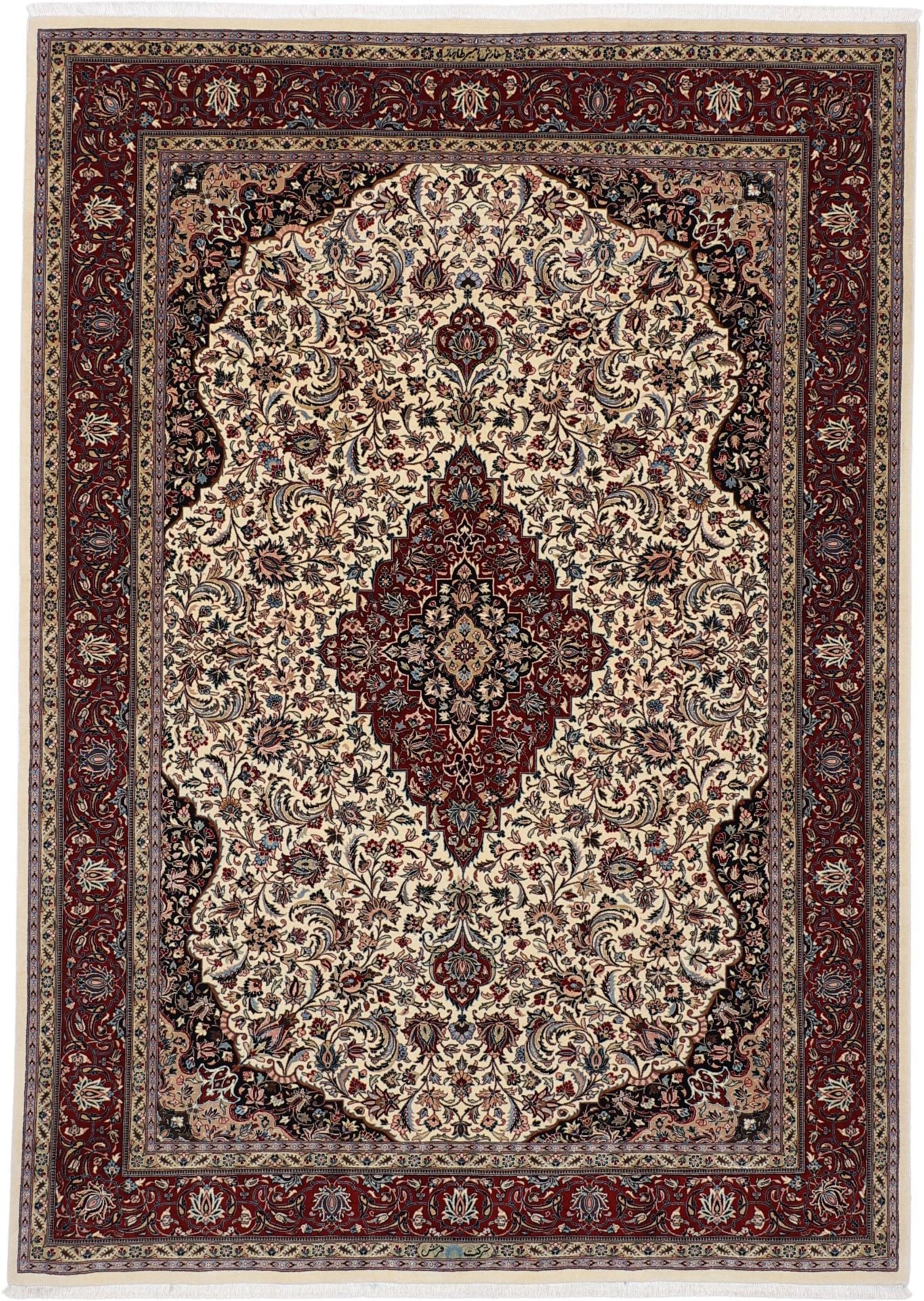
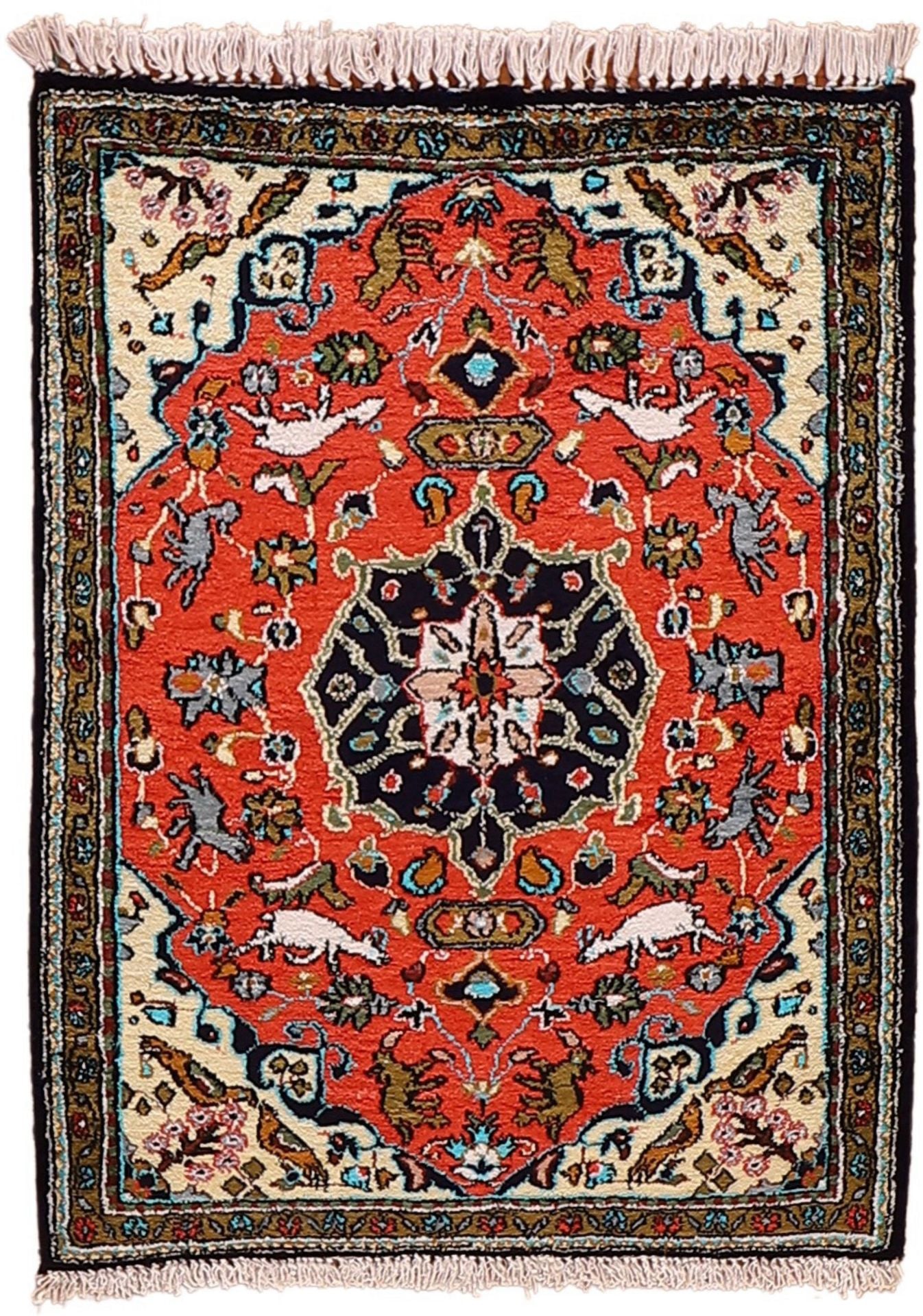
Caring for your Persian carpet: Care tips for lasting beauty
Carpets: Care and maintenance for timeless beauty
Rugs are not just a home accessory, they are also works of art that bring character and comfort to any room. Oriental rugs, such as Persian rugs, are considered true masterpieces, often passed down through generations. To preserve the beauty and longevity of these precious pieces, proper care is essential. In this article, we will share important tips for rug care in general, and Persian rugs in particular. We will explore different types of rugs, explain their specific care needs, and offer valuable advice on how to ensure your rug will shine for years to come.
The importance of carpet care
Carpet care is crucial to extending their lifespan and preserving their beauty. Different carpet materials and designs require different care approaches. Proper care not only helps keep the carpet clean and attractive, but also protects it from damage caused by dirt, dust, stains, and wear. High-quality carpets often represent a significant investment, so it's important to treat them with care.
Types of carpets
Before we delve into specific care tips, let's take a look at different types of rugs. Essentially, rugs can be divided into two main categories: machine-made and hand-knotted.
Machine-made carpets
These rugs are typically more cost-effective and produced in large quantities. They are often made of synthetic materials. While they are more resistant to stains and wear, they can lose color and texture over time.
Hand-knotted carpets
Hand-knotted rugs include oriental rugs such as Persian, Kashmiri, and Tibetan rugs. These rugs are known for their exquisite craftsmanship. They are often made from natural materials such as wool, silk, or cotton. Hand-knotted rugs generally require more specialized care to ensure they retain their colors and patterns for many years.
Materials and their care
Wool
Wool carpets are particularly durable and generally easy to clean. However, they are prone to stains. Use a mild detergent and water to remove stains. Avoid harsh chemicals that could damage the wool.
Silk
Silk carpets are particularly delicate and require careful care. They should never be wet-cleaned. Regular vacuuming with a gentle hand is sufficient. For more serious stains, consult a specialist.
Cotton
Cotton rugs are usually machine washable. Be sure to follow the manufacturer's instructions to avoid shrinkage or color fading. Cotton is more durable than silk, but will lose its intensity if exposed to direct sunlight for extended periods.
General care tips for carpets
No matter what type of carpet you have, here are some general tips to help you keep your carpet in perfect condition:
Regular vacuuming: Vacuum your carpet at least once a week to remove dirt and dust particles. Use a vacuum cleaner with a soft brush roll to avoid damage.
Treat stains immediately: For any stain, the faster you act, the better. Dab the stain immediately with a clean cloth; do not rub, as this can damage the fibers.
Protection from sunlight: UV rays can fade the colors of a carpet. Ensure your carpet is not exposed to direct sunlight by using curtains or blinds.
Regular professional cleaning: Professional carpet cleaning is important, especially for valuable hand-knotted carpets. Have your carpet professionally cleaned every few years to remove ingrained dirt and stains.
Avoid shoes: Ask guests to remove their shoes before walking on the carpet. This reduces the build-up of dirt and dust on the carpet fibers.
- Use carpet underlays: Carpet underlays provide additional protection and prevent the carpet from slipping or curling.
Special care for Persian carpets
Persian rugs are not only functional objects, but also cultural treasures that require careful care. Here are some specific tips for caring for Persian rugs:
vacuum cleaning
When vacuuming, use a low suction power and be careful not to vacuum over the fringes and edges to avoid damaging them.
Cleaning
For daily or weekly cleaning, use a soft, dry cloth or a special carpet broom. If necessary, you can use water and a mild detergent, but after thoroughly drying, rinse again with clean water.
Stain treatment
For greasy stains, use an absorbent cloth to gently dab the stain. For other stains, a gentle detergent mix can be used on a cloth. Avoid browning and highly alkalizing cleaners.
Rotating position
To ensure even wear, rotate your carpet every few months. This will prevent certain areas from wearing out faster than others.
Final section
Caring for your rug is crucial to its beauty and longevity. Especially with valuable pieces like Persian rugs, it's essential to take their special care into account. Through regular maintenance, proper cleaning, and protective measures, you can ensure your rug will last for years to come. It's not just a chic decorative piece, but also an investment in your living space that can bring a great deal of joy and character.
Frequently Asked Questions (FAQ)
1. How often should I clean my carpet?
It is recommended that hand-knotted rugs be professionally cleaned at least every 1-2 years. Machine-made rugs may need to be cleaned more frequently depending on wear and tear and the material; however, vacuuming should be done weekly.
2. What can I do if my carpet has a hole?
If your carpet has a hole, you should consult a carpet repair professional. It's important to repair the hole as quickly as possible to prevent further damage to the surrounding fibers.
3. Are stain removers safe for all types of carpets?
Not all stain removers are suitable for all carpet types. Avoid harsh chemicals and always test new products on an inconspicuous area first. If unsure, consult a professional.