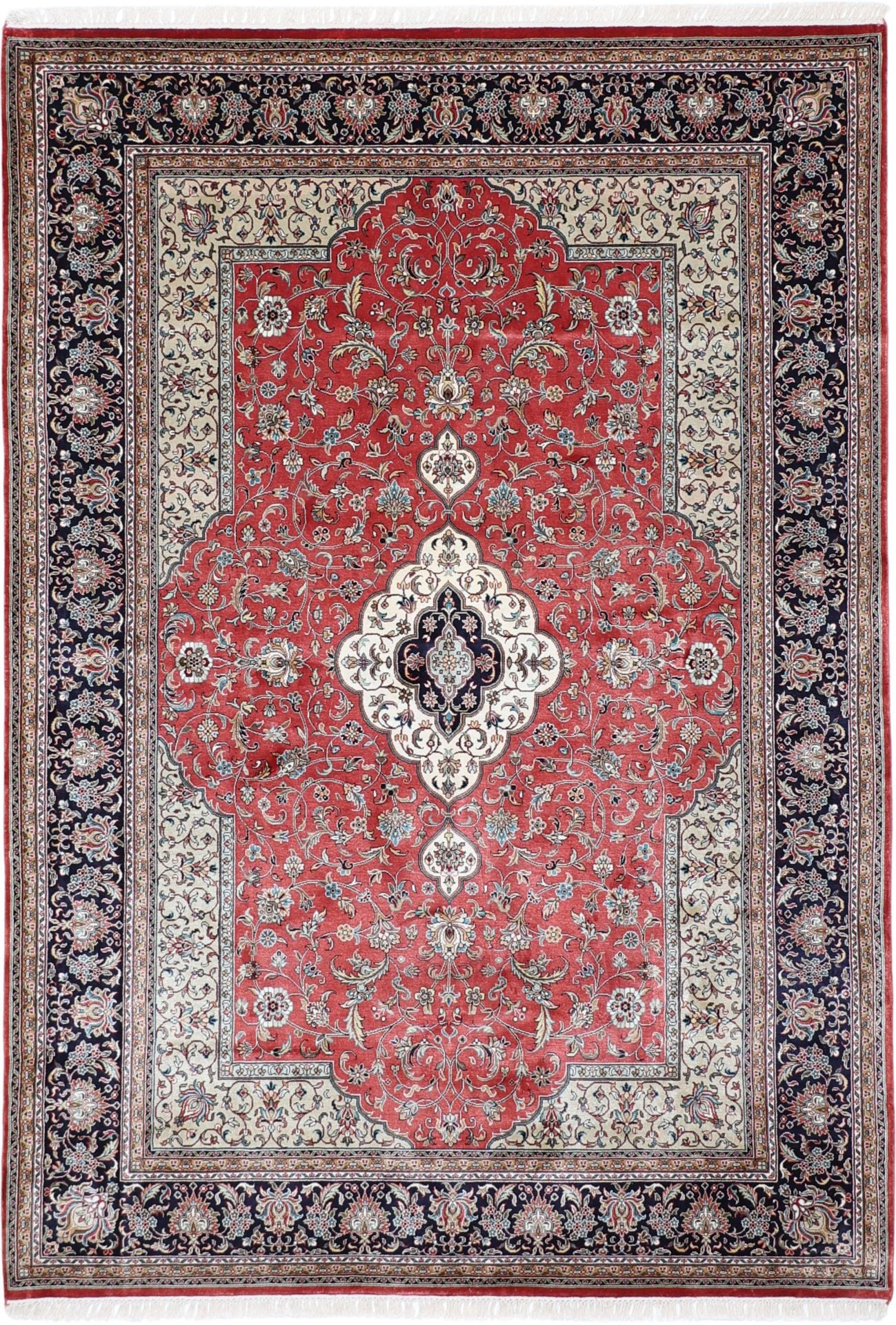
Collecting Persian carpets: Insights for new and experienced collectors
Carpets: A Guide for Collectors and Enthusiasts
Carpets aren't just floor coverings; they're works of art that tell stories and reflect cultures. Persian carpets, in particular, hold a special place in the hearts of many collectors and enthusiasts. In this article, we aim to introduce you to the world of carpets and offer valuable insights for both new and experienced collectors. We'll explain the different types of carpets, their origins, the importance of knotting techniques, care tips, and much more.
The history of carpets
Carpets have a long and fascinating history. Their origins date back to ancient times, with evidence of woven textiles in Mesopotamia and Persia. Trade and migratory patterns contributed to the development of diverse styles and techniques found in a wide variety of regions.
The variety of carpets
Hand-knotted carpets
Hand-knotted rugs are the classic form of carpet and are characterized by their exceptional quality and durability. Each knotted weave is unique, often taking weeks or months to produce. The art of knotting can be divided into several different techniques, including:
- Persian knot (Senneh-Node): This knot is known for its density and is often used in higher quality carpets.
- Turkmen knotSimpler and less tight than the Persian knot, it is often used in Turkish and turkmenfound in isch carpets.
Machine-knotted carpets
Unlike hand-knotted rugs, machine-made rugs are produced in large quantities. These rugs are often more affordable and offer a wide range of designs and colors. However, their quality is generally not comparable to that of hand-knotted rugs.
Deep-pile and short-pile carpets
Carpets can also be categorized by pile height. High-pile carpets, such as shag or BerberThey are soft and cozy. Short-pile carpets are often robust and easy to care for, making them suitable for high-traffic areas.
Regional styles and designs
Persian carpets
Persian carpets are known for their intricate patterns and vibrant colors. Different regions in Iran have each developed their own unique styles, including:
- Tabriz: Famous for their complexity and richness of detail.
- Nain: Known for their delicate designs and pale colors, often combined with wool and sea threads.
- Isfahan: Known for their scientifically designed patterns and high-quality materials.
Oriental carpets
Oriental rugs usually come from countries such as Turkey, the Caucasus, or Afghanistan. Each of these places has its own characteristic designs and knotting techniques. Oriental rugs are often more colorful and have a distinctive, asymmetrical pattern.
Modern and contemporary carpets
In recent decades Designer and manufacturers have begun to experiment with new materials and designs. Modern carpets often feature minimalist styles and use unconventional color combinations, making them ideal for contemporary interiors.
The importance of knotting technique
Knotting technique is a crucial factor in determining a rug's quality. A tight knot usually indicates a more elaborate manufacturing process, which often results in higher quality and durability. Furthermore, knot density influences the rug's structure and appearance:
Knot density
Knot density is measured in knots per square meter or per inch and can vary considerably. A carpet with 100.000 knots per square meter is considered high-quality, while one with only 50.000 knots is considered less valuable.
Materials
Materials also play a crucial role: wool, silk, and cotton are the most common. High-quality rugs often use sheep's wool or genuine silk, which are durable and offer a special feel.
Care and cleaning of carpets
Carpet care and cleaning are crucial to their longevity and appearance. Here are some tips to keep your carpets in top condition:
Regular vacuuming : Keep your carpet clean by vacuuming it regularly to remove dirt and dust. Be careful not to press the nozzle too hard against the carpet fibers to avoid damaging them.
Stain removal : Act immediately on stains. Use a mild detergent with water and gently dab the stain. Avoid harsh chemicals that could damage the fibers.
Professional cleaning : Have your carpet professionally cleaned every few years to remove ingrained dirt and allergens.
- Avoid direct sunlight: Protect your carpet from direct sunlight to avoid discoloration and material wear.
Investing in Carpets: A Collector's Guide
Identification of quality
If you want to invest in carpets, there are some important points to consider:
- Age of the carpet: Older carpets often have a higher value, especially if they are in good condition.
- Materials: High-quality materials such as silk and pure wool have a longer lifespan and are more valuable.
- Knot density: Check the knot density; a high density indicates quality.
Purchase options
There are many places to buy carpets, including:
- Antique shops: Here you can often find unique pieces that are not available in mass production.
- fairs and exhibitions: These events offer the opportunity to speak directly with manufacturers and experts.
- Online web shops: Pay attention to the return policy and the authenticity of the product.
Pricing
Prices for rugs can vary widely. Factors such as material, manufacturing process, age, and rarity influence the price. Research similar pieces on the market to get an idea of a fair price.
Final section
Carpets are far more than just decorative elements in a room. They are an expression of culture, craftsmanship, and history. The fascination with carpets is further enhanced by the variety of styles, designs, and materials. Whether you're a new collector or an experienced collector, there's always something new to learn and discover in this wonderful world of carpets. Use the tips in this article to find and care for your personal carpet treasure, and enjoy the beauty and comfort a carpet can bring to your life.
FAQ
What is the difference between hand-knotted and machine-knotted carpets?
Hand-knotted rugs are made by hand and are therefore unique. They are often more durable and of higher quality. Machine-knotted rugs are produced in large quantities and usually offer a wider selection, but are less likely to be of high quality.
What is the best way to clean my carpet?
Regular maintenance includes vacuuming and prompt spot treatment. For a thorough cleaning, you should seek professional help every few years to remove deep-seated dirt.
How do I know the quality of a carpet?
Pay attention to the knot density, material, and condition of the rug. High-quality rugs typically have a high knot density, are made of materials such as silk or pure wool, and are in good condition.