“Perseppiche in comparison: How do I recognize quality?”
The world of carpets: recognizing quality and age
Carpets are not just floor coverings, but also an expression of style, taste, and culture. They can add character to any room and stand as works of art that tell stories. In this article, we present the different types of carpets, especially the more expensive carpets. We will also focus on recognizing quality and offer valuable tips for purchasing carpets.
Carpets: Insight
Carpets have a long history. Originally designed to protect and warm living spaces, they have evolved over the centuries into artistic creations that reflect the owner's personal style. Carpet production is characterized by diverse techniques, materials, and designs developed in different regions of the world.
Types of carpets
There are many different types of carpets that differ in material, origin, and technique. Some of the well-known types are:
- Hand-knotted carpets: These rugs are hand-knotted from wool, silk, or a combination of both. They are usually durable and have a higher value.
- They are produced in factories and are generally more cost-effective. They offer a variety of designs but are of lower quality.
- Carpets made from natural materials: These are primarily made of wool, cotton, or jute. They are environmentally friendly and offer a wide range of textures and colors.
- Synthetic carpets: Made from materials like polypropylene and nylon, they are easy to care for and often allergy-friendly. However, they are less breathable and durable.
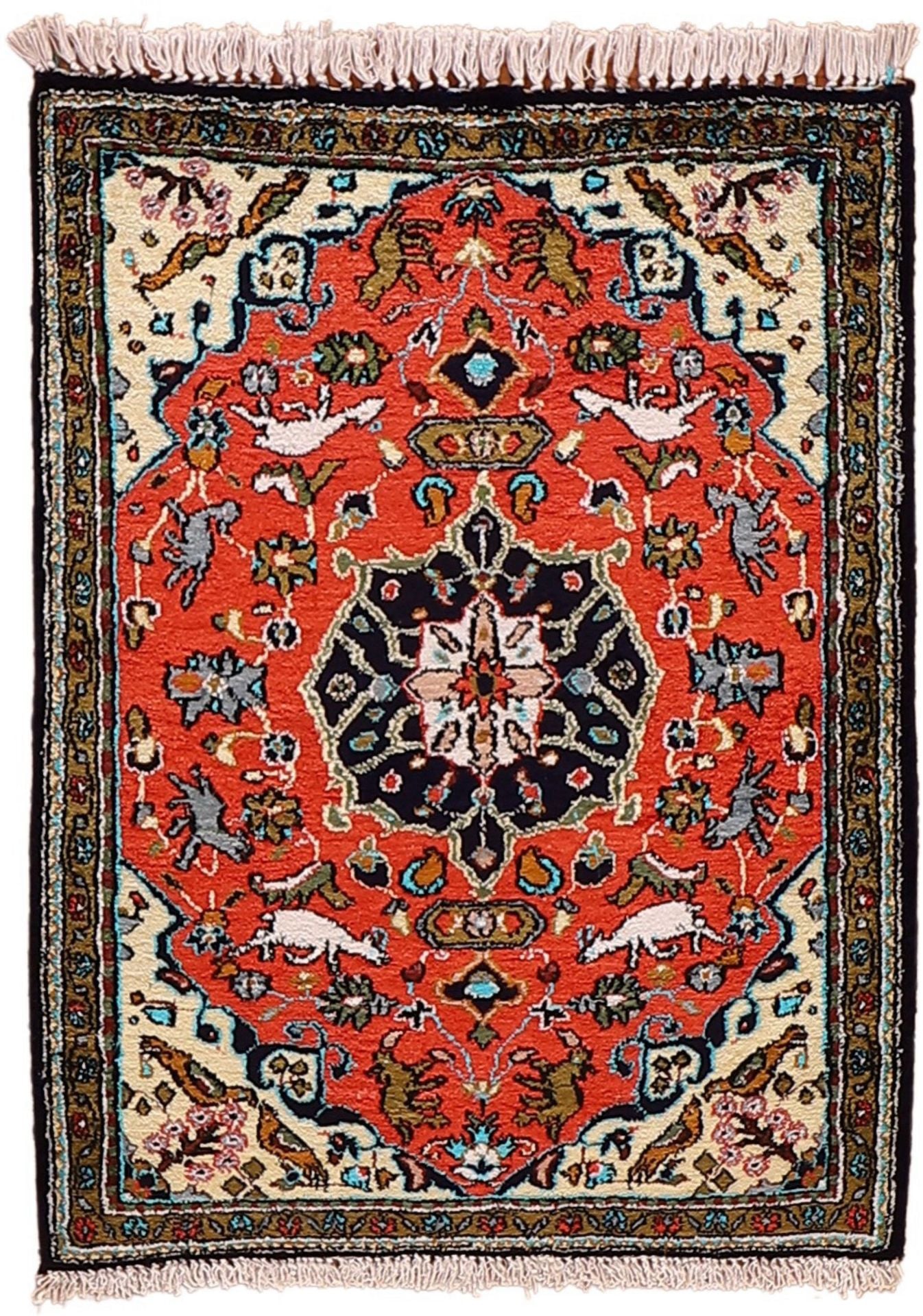
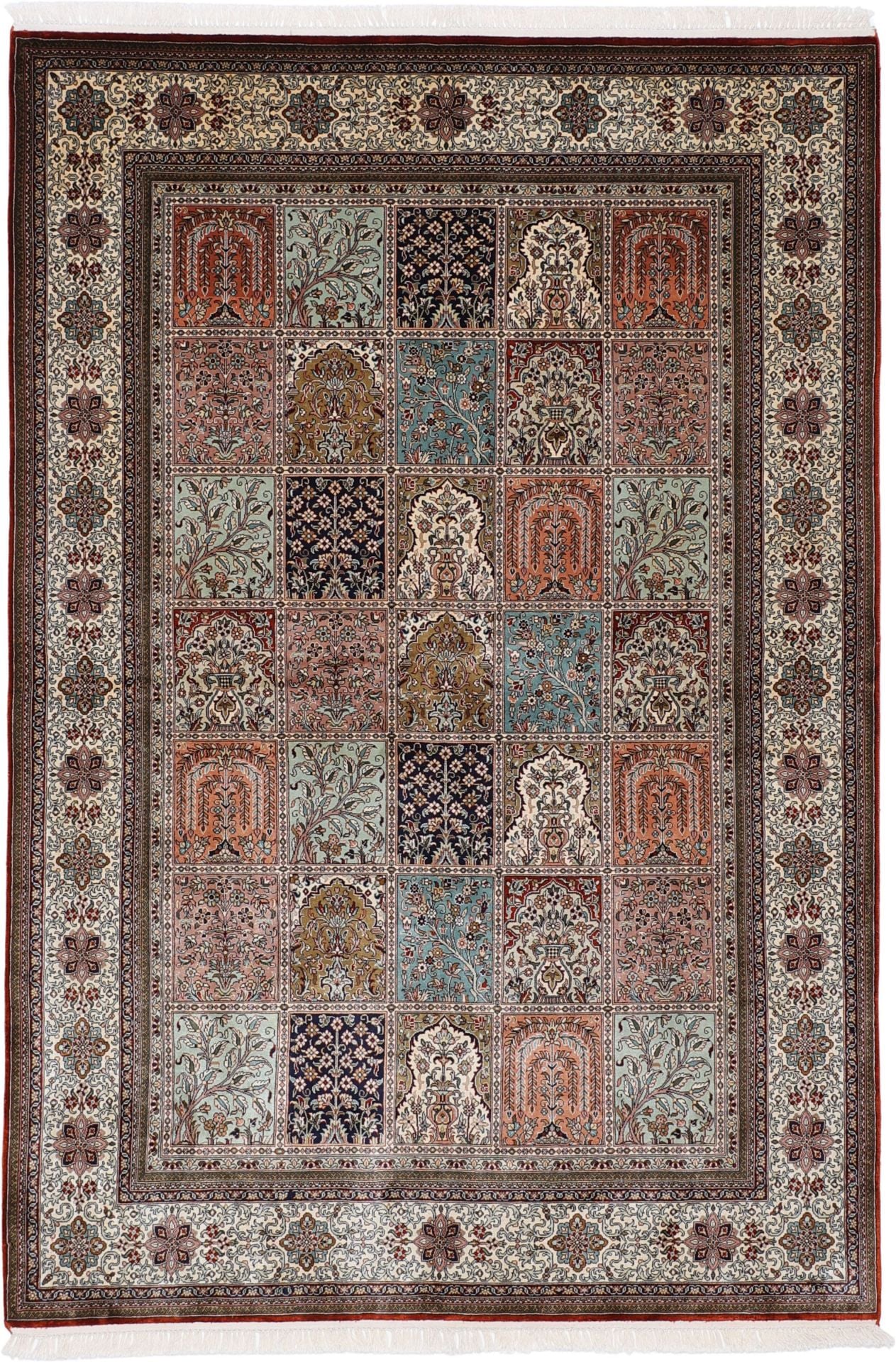
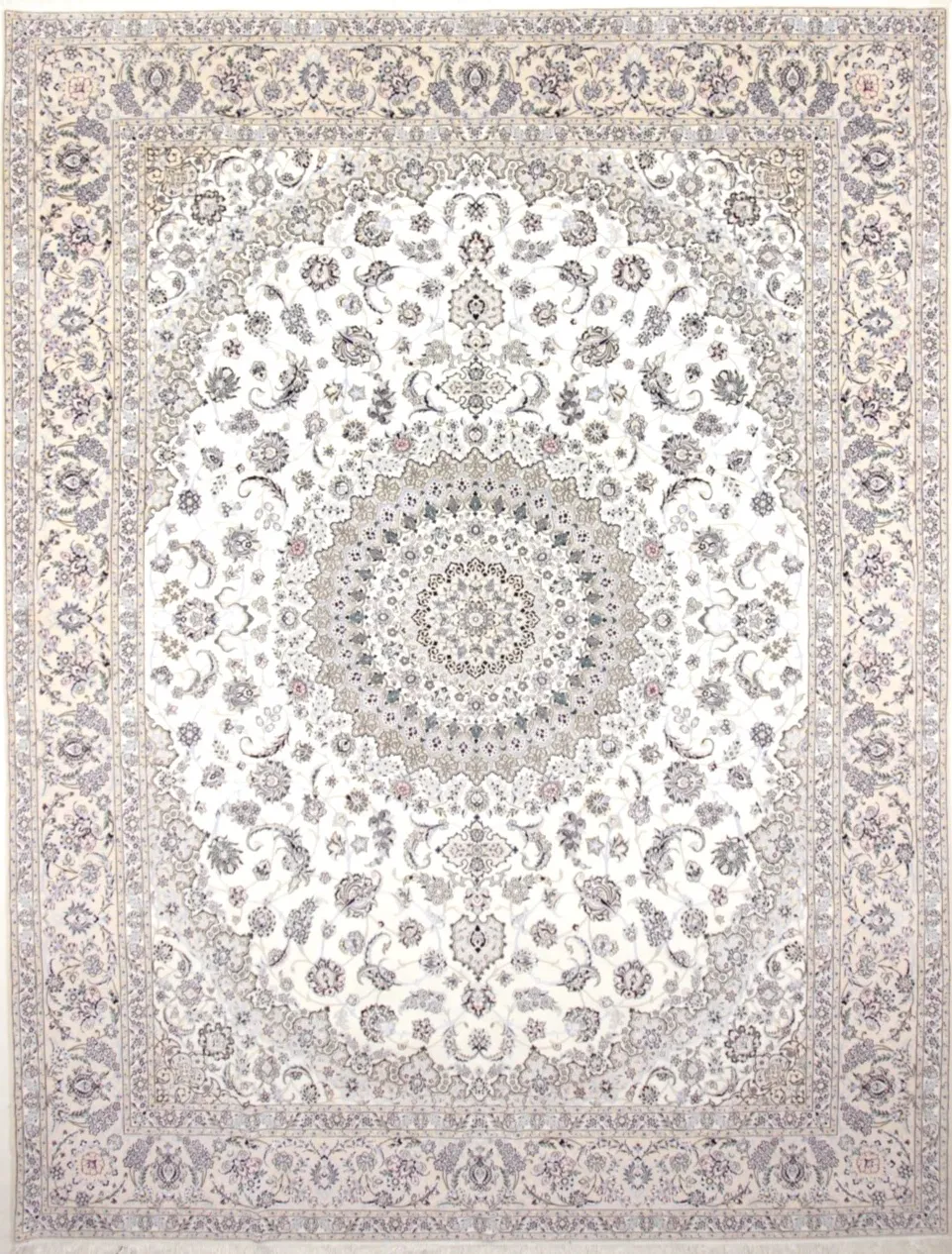
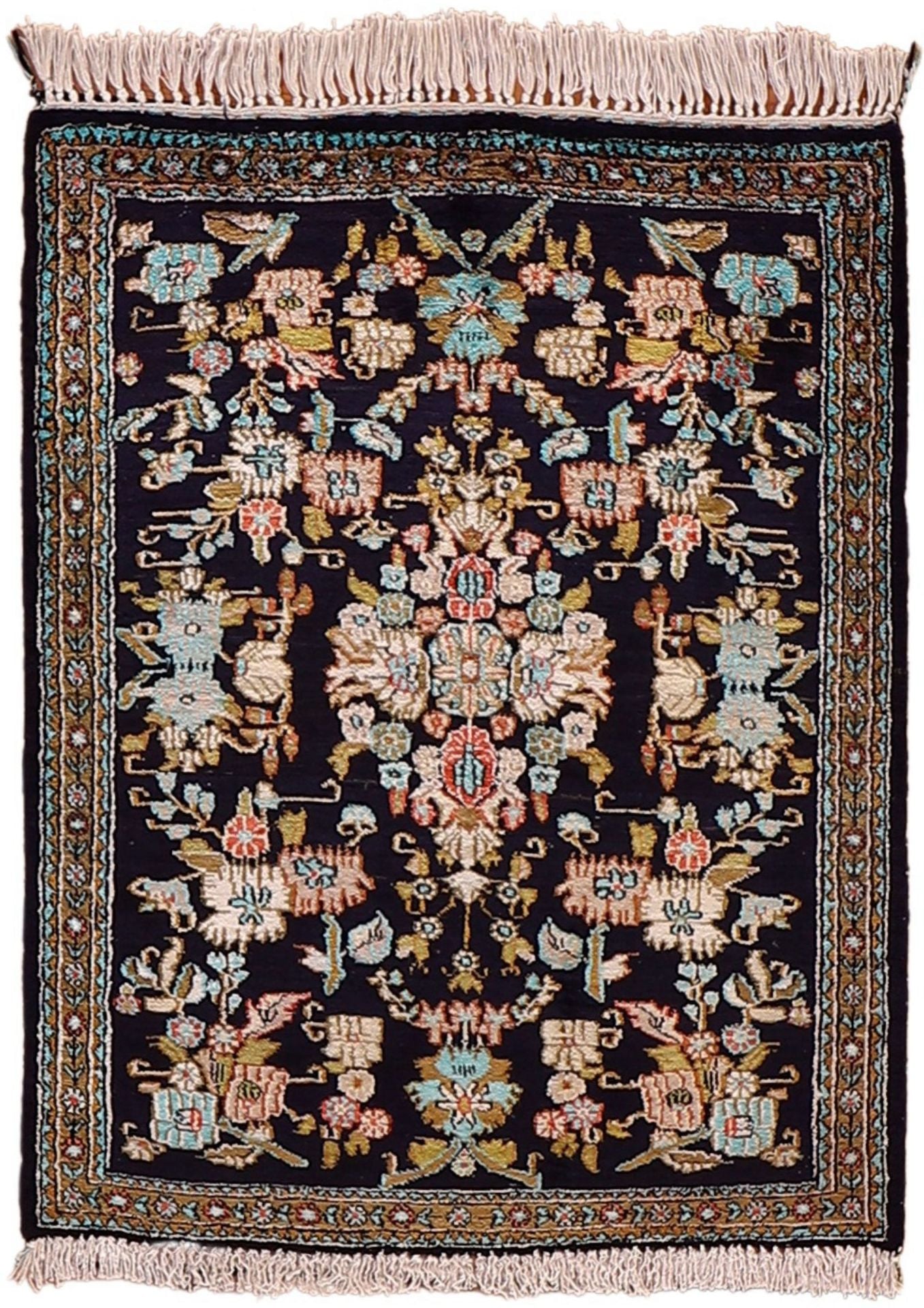
- Perseppiche: These exquisite carpets are known for their detailed patterns and are a status symbol. They are hand-knotted in Persia (especially Iran) and have a high value.
Perseppiche: A Look at the Heritage
Persian carpets are among the world's finest and are valued for their quality, craftsmanship, and unique designs. The production regions in Iran are diverse, and each region has its own style and characteristics.
Dying Damage Regions
The well-known carpet regions are:
- Tabriz: Famous for its colorful and detailed designs depicting floral and geometric patterns.
- Kerman: These carpets are known for their complex patterns and natural grain colors. They have a high silk content.
- Isfahan: These carpets are characterized by their exceptional quality and the use of fine wool and silk.
- Nain: NainThese carpets are known for their fine designs and high silk content. They typically have light colors and are very durable.
How do I recognize quality in carpets?
Determining the quality of a carpet can be challenging, especially given the sheer number of options available on the market. Here are some key factors that can help you identify high-quality carpets, especially rugs:
1. Material
Natural materials like wool and silk are a sign of quality. Hand-knotted rugs should be made with dense and even fibers. Cheap synthetic materials can compromise quality and cause rapid wear.
2. Knot tight
Knot density is often measured in knots per square inch. A higher knot density not only means the carpet is more durable, but also has a more detailed pattern. High-quality Persian carpets have more than 400 knots per square inch.
3. Manufacturing technology
The manufacturing process plays a crucial role in carpet quality. Hand-knotted carpets are generally more valuable than machine-made carpets. Check the back of the carpet – with hand-knotted carpets, the knotting techniques are often visible, while machine-made carpets have a more even back with fewer detailed details.
4. Patterns and colors
High quality also manifests itself in the complexity of the time and color combination. Natural dyes, obtained from plants and animals, produce more vibrant and durable colors than synthetic dyes. Pay attention to the fine details in the design; high-quality carpets usually have a harmonious and clearly structured pattern.
5. Origin and certification
The origin of a carpet is important. Reputable dealers offer information about the origin and certification of the carpets. With Persian carpets, it is important that they come from well-known production regions, as they are known for their quality.
Purchasing advice: The directions
Buying a rug can be both exciting and challenging. Here are some tips to help you make the right choice:
1. Set a budget
Set a budget before you begin your purchase. Carpets can come in a wide variety of colors, and it's important to set a realistic budget that also takes maintenance costs into account.
2. Tree design considerations
Consider the comfort and color scheme of the room in which the rug will be placed. A rug should be a harmonious part of the overall decor concept.
3. Dimensions and shapes
Check the dimensions of the room to make sure the rug fits. A rug should generally be area sized
4. Online vs. brick-and-mortar retail
There are pros and cons when purchasing carpets online or in a brick-and-mortar store. Online shopping often requires more time to check the quality, whereas the personal shopping experience in a specialist store can provide informative advice.
5. Care and Maintenance
Learn more about carpet care and maintenance. High-quality carpets require specific care to maintain their quality and beauty. Professional cleaning can play a crucial role in this.
Final section
Rugs are more than just simple floor coverings; they are works of art with history and meaning. Traditional rugs are unique in the rug world and speak of quality and heritage. By considering the various aspects of rug quality and being well-informed about the different styles and designs, you can be confident in making an informed purchasing decision. Whether you're looking for a hand-knotted work of art or a functional rug for everyday use, the right rug will bring you years of enjoyment.
FAQ
1. What is the best way to clean my carpet?
Cleaning depends on the carpet material. Hand-knotted wool carpets should be vacuumed regularly and, if necessary, professionally cleaned.
2. Which carpets are best for allergy sufferers?
Synthetic carpets are the best choice for allergy sufferers because they trap less dust and allergens. However, make sure they're made from non-toxic materials.
3 ..
The lifespan of a high-quality carpet can vary depending on care and use, but is usually between 10 and 50 years, with hand-knotted carpets from T.