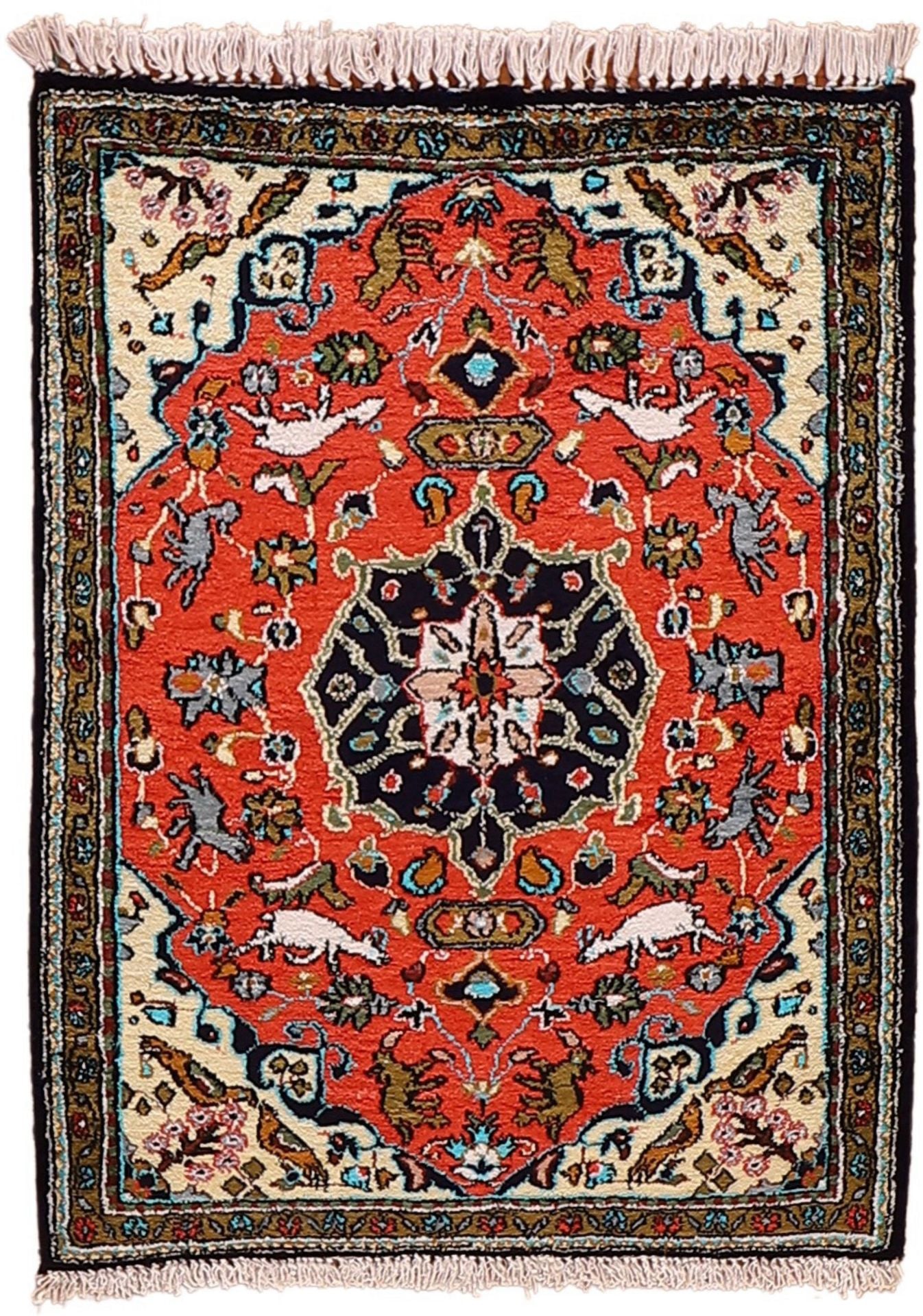
Oriental carpets in Hamburg: Discover the art of craftsmanship and its diversity
Carpets: Discover the art of craftsmanship and its diversity
The world of carpets is as diverse and vibrant as the cultures from which they originate. Oriental carpets, in particular, often steeped in rich histories and a variety of historical and cultural influences, represent the craftsmanship and traditions passed down through generations. In Hamburg, one of Germany's largest centers for exotic carpets, there are countless opportunities to discover the beauty and diversity of these works of art. In this article, we delve deep into the fascinating world of carpets, exploring their production, types, and care, and offering valuable tips on choosing the perfect carpet for your home.
The history of carpets
Carpets aren't just floor coverings; they're works of art that often tell a story. The origins of carpet weaving date back to ancient times, and the oldest known carpet, the Pazyryk carpet, is believed to have been found in ancient Russia and dates back to around 400 BC. Since then, techniques and designs have evolved, and each carpet tells a story deeply rooted in the culture of its respective country.
Carpets were used not only as decorative elements but also as an expression of social status. In many cultures, they served as traditional gifts or symbolic objects in ceremonies. In modern times, they have found their place as a stylistic element in our homes.
The different types of carpets
The world of carpets offers an impressive variety that goes far beyond the classic oriental rugs. We can roughly divide carpets into several categories:
Oriental carpets
Oriental rugs are known for their intricate patterns and vibrant colors. These rugs are often made of wool or silk and are the result of centuries of tradition in rug making. Popular types of oriental rugs include Persian rugs, Caucasian rugs, and Turkish rugs.
Modern carpets
Modern rugs often feature clean lines and geometric patterns. They are made from synthetic materials or blends that offer high durability and ease of care. These rugs fit perfectly into contemporary interiors without losing their traditional elegance.
Carpet tiles and runners
Carpet tiles are a practical solution for spaces where flexibility and modularity are required. They are easy to install and replace and offer a variety of designs and colors. Runners are narrow rugs ideal for hallways or stairs.
children's rugs
Special children's rugs are available for little ones that are not only colorful but also safe and durable. They often feature friendly motifs and a non-slip bottom for safety.
The production of carpets
The process of rug making is a complex and time-consuming operation that requires considerable skill and experience. Most handmade rugs go through several important steps:
material selection
The choice of materials is crucial for the quality of the carpet. High-quality wool and silk are the preferred materials in carpet manufacturing. Wool is soft, durable, and has excellent insulating properties, while silk is known for its luster and color variety.
Dyeing the wool
The wool is often dyed with natural dyes, which creates the characteristic, vibrant colors of many oriental rugs. Each region has its own dyeing techniques and recipes, reflecting the traditions and character of each rug.
Weaving the carpet
The weaving itself takes place on a special loom. Wool or silk is woven into various patterns and designs. This is often done by hand, making each rug unique. The number of knots per square inch influences the density and quality of the rug.
Completion
Once the rug is finished, the edges are finished and any unevenness is removed. This is often done by hand and requires great precision. Many rugs are also washed and thoroughly dried to fix the colors and achieve a better finish.
Caring for carpets
Such an artistic piece requires proper care to ensure its beauty and longevity. Here are some tips for proper carpet care:
Regular cleaning
Regular vacuuming is essential for carpet care. Ideally, vacuuming the carpet once a week to remove dust and dirt is recommended. Use a vacuum cleaner with soft brushes to avoid damaging the fibers.
Stain treatment
Always use gentle cleaning agents to treat stains. For larger or stubborn stains, we recommend consulting a professional to avoid damage.
Professional cleaning
A professional cleaning every few years can work wonders and help keep your carpet in pristine condition. This cleaning removes deep-seated dust and dirt.
How do you choose the right carpet?
Choosing the right rug is crucial to the atmosphere of a room. Here are some factors to consider when selecting a rug:
use of space
Consider how the room will be used. For high-traffic areas like hallways or living rooms, durable, easy-care rugs are ideal. For bedrooms, something softer is fine.
Style and color
The rug's color and pattern should be harmoniously coordinated with the existing furnishings and the room's color scheme. Oriental rugs, with their vibrant colors, can serve as eye-catchers, while simple, modern rugs bring calm to a room.
Budget
Rugs come in a variety of price ranges. Set a budget and look for options that meet both your stylistic and financial needs.
conclusion
Rugs are more than just decoration; they are an expression of craftsmanship, cultural heritage, and personal style. Whether you're looking for a handmade oriental rug for your living room, a modern rug for your bedroom, or a functional runner for your hallway, the choices are endless. Knowing how to choose the right rug, care for it, and preserve its beauty will help you maximize its lifespan and value. We're pleased to offer a carefully curated selection of rugs through our online store to enhance any room in your home.
FAQ
Which materials are best suited for carpets?
The best materials for rugs are wool and silk. Wool is durable and easy to care for, while silk is known for its colorfastness and luster. Synthetic materials are also an option, as they are often more cost-effective and easy to maintain.
How often should I clean my carpet?
It's recommended to vacuum the carpet once a week. Additionally, consider professional cleaning every few years to remove ingrained dirt and revive the colors.
How do I recognize a high-quality carpet?
A high-quality rug is characterized by the number of knots per square inch, the quality of the material, the design, and the craftsmanship. Handcrafted rugs are often more valuable and durable than machine-made models. Also look for certificates and marks from recognized manufacturers.