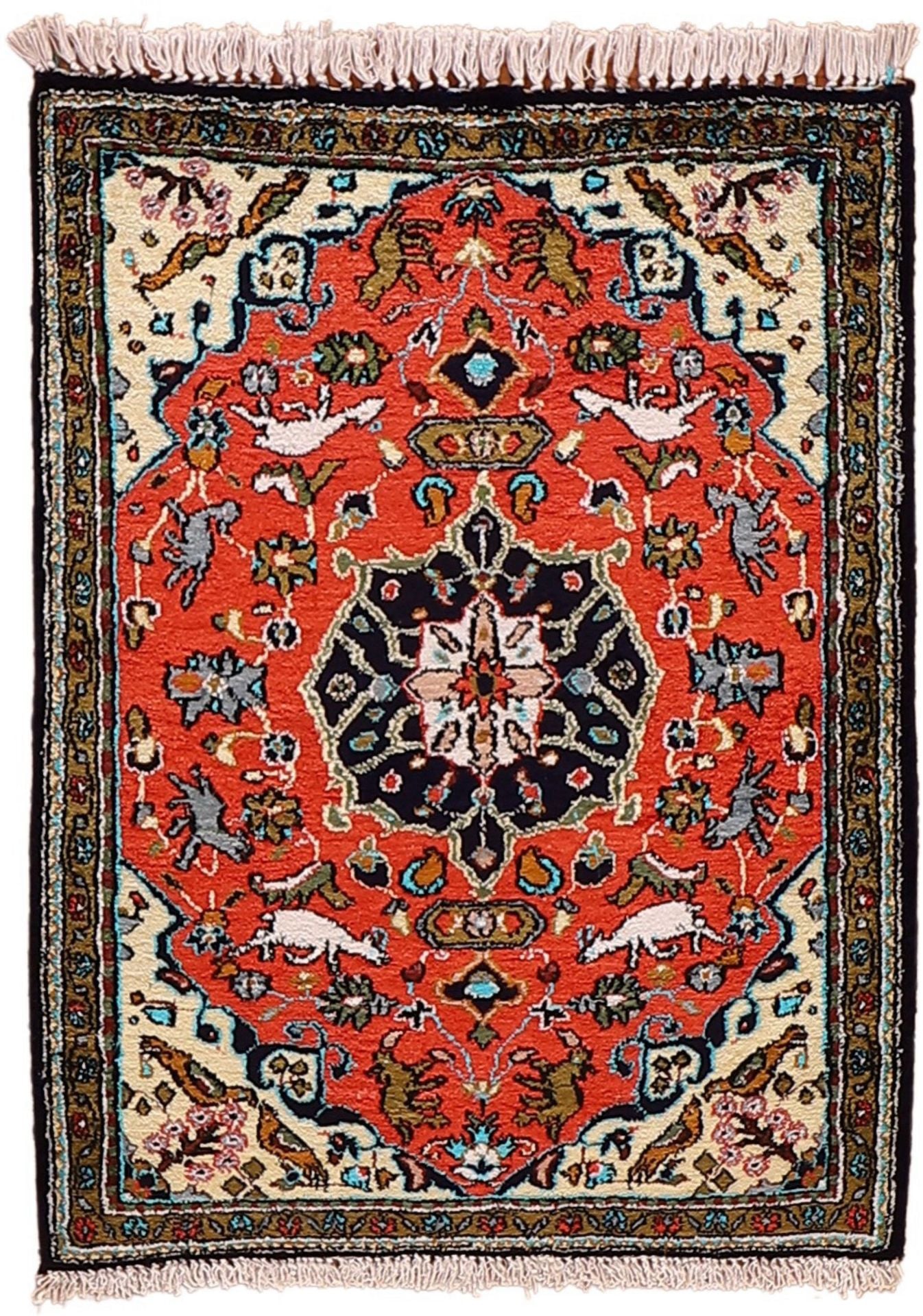
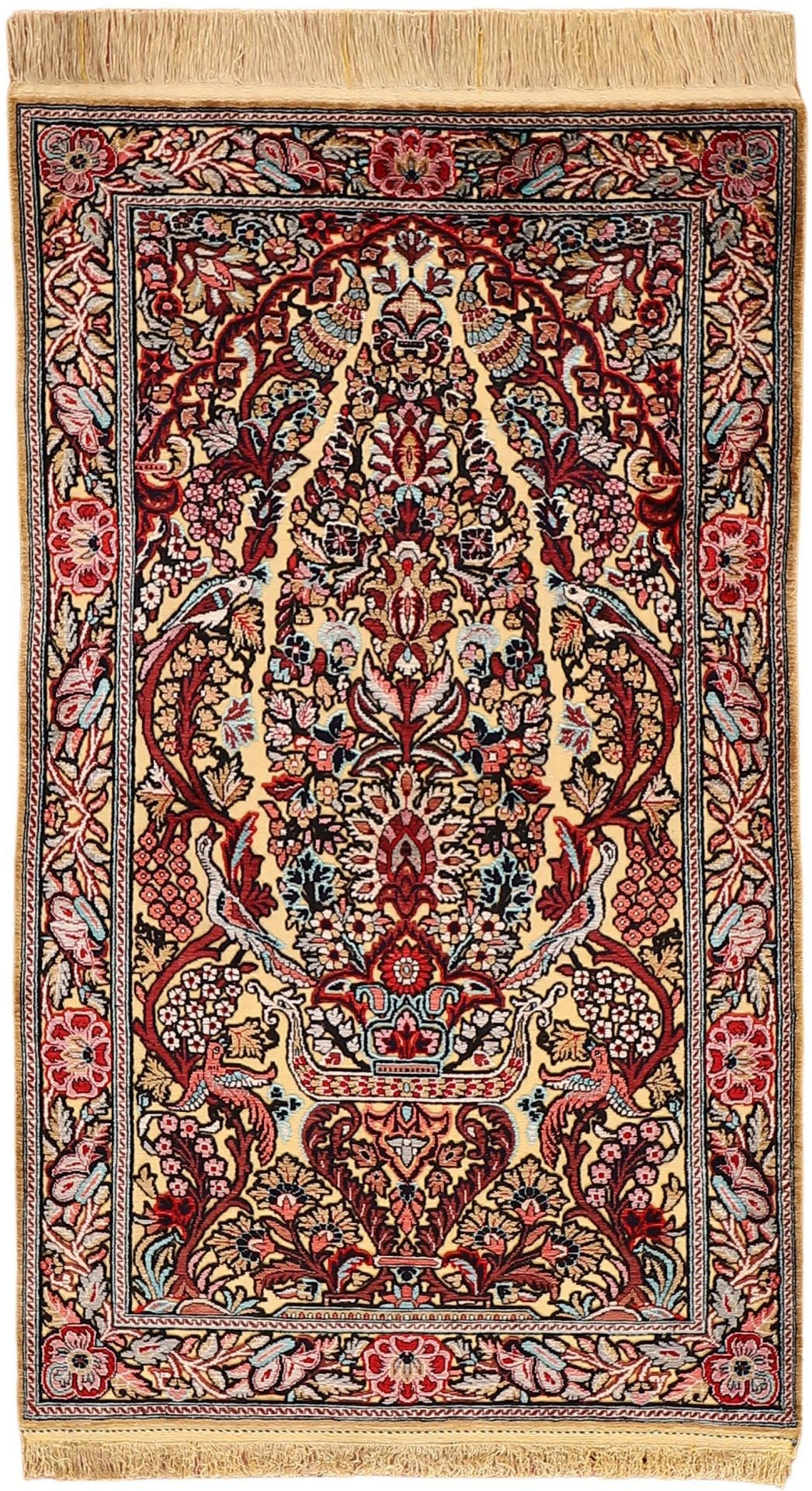
“Oriental decoration: tips for a stylish ambience with exoticism”
Carpets: A stylish element for your home
Carpets are far more than just floor coverings. They are a significant design element in any room, creating comfort, style, and a specific atmosphere. Carpets play a particularly central role in oriental decor. In this article, we will take a closer look at the different types of carpets, their history, design options, and care and maintenance.
The history of carpets
Origins and development
Carpets have a long and fascinating history dating back to ancient civilizations. The first known carpets were found in Central Asia and date back to the 5th century BC. Developed by the nomadic peoples of the Middle East, they were valued as both practical objects and works of art.
cultural significance
In many cultures, carpets are symbols of wealth and craftsmanship. Oriental carpets, for example, were often used in magnificent palaces and are known for their complex patterns and vibrant colors. They tell stories and reflect the traditions and values of the respective culture.
Types of carpets
Oriental carpets
Oriental rugs are known for their intricate designs and colors. They are produced in countries such as Persia, Turkey, and India. Each pattern has a special meaning and tells stories from the respective culture.
Berbercarpeting
These rugs originate from North Africa and are often in natural tones. Their designs are rather abstract and reflect the lifestyle of the people. Berberpeoples resist. BerberCarpets are especially popular because of their durability and cozy appearance.
Hand-knotted carpets
Hand-knotted rugs are works of art in their own right. They are crafted by skilled artisans who master every knotting technique. These rugs are often expensive, but they offer excellent quality and durability.
Machine-made carpets
Machine-made rugs are a cost-effective alternative to hand-knotted rugs. They are available in a wide range of designs and colors and are ideal for high-traffic areas.
Carpets and interior design
The carpet in the living area
A rug in the living area can visually transform a room. It defines the space and creates a cozy atmosphere. Choose a rug that harmonizes with your furniture style and matches the rest of the room in color and texture.
Carpets in the bedroom
In the bedroom, a rug can provide extra comfort, especially if it's placed right next to the bed. A soft, fluffy rug caresses the feet and creates a relaxing atmosphere.
Carpets in the kitchen
Kitchens are often sparsely decorated spaces, and a rug can add a touch of style. A durable, washable rug is especially useful in the kitchen, as it offers a practical solution while still being stylish.
Carpets in the hallway
The hallway is often the first thing guests see. A rug can provide a warm welcome and make the space more inviting.
Color and pattern selection
Colors and their effects
The color choice of a rug has a significant impact on the mood of a room. Warm colors like red, orange, and yellow can radiate energy and warmth, while cool colors like blue and green promote calm and serenity.
patterns and textures
Rugs with rich patterns can be eye-catching, while solid-colored rugs provide a neutral base. When choosing a pattern, consider existing decor elements. Textures also play a role: A velvety rug can appear luxurious, while a rough rug can be rustic.
Care and maintenance of carpets
Regular cleaning
Regular cleaning is crucial to extending the life of your carpet. Vacuum your carpet at least once a week to remove dirt and dust.
Professional cleaning
Professional cleaning is recommended, especially for delicate or expensive carpets. Experts can remove deeper stains and dirt without damaging the carpet.
stain removal
If a stain does occur, act quickly. Blot the stain with a clean cloth and use appropriate cleaning agents to remove the stain. Be sure to follow the cleaning agent's instructions.
Carpets and sustainability
Similar materials
When choosing a rug, eco-friendly materials such as hemp, wool, or cotton can be a sustainable choice. These materials are biodegradable and cause less environmental damage.
Organic production
Look for carpets that are produced under fair conditions. There are many manufacturers that use environmentally friendly practices while respecting workers' rights.
Conclusion
Rugs are undoubtedly a crucial element of interior design. They bring color, comfort, and ultimately an extra dose of personality to your rooms. Whether you choose an oriental rug with a rich history or a modern designer rug, the right choice can transform your home into a stylish ambiance. Before purchasing a rug, however, consider your needs and the available space.
FAQ
1. How do I find the right carpet for my home?
Consider the style, size, material, and color. Consider the room the rug will be in and what function it will serve, and choose accordingly.
2. How do I properly care for my carpet?
Regular vacuuming is important. If stains occur, act quickly and use appropriate cleaning products. Professional cleaning is recommended for expensive or delicate carpets.
3. Which materials are recommended for carpets?
High-quality materials such as wool, cotton, and hemp are recommended. Also, pay attention to environmentally friendly manufacturing practices to make a sustainable choice.