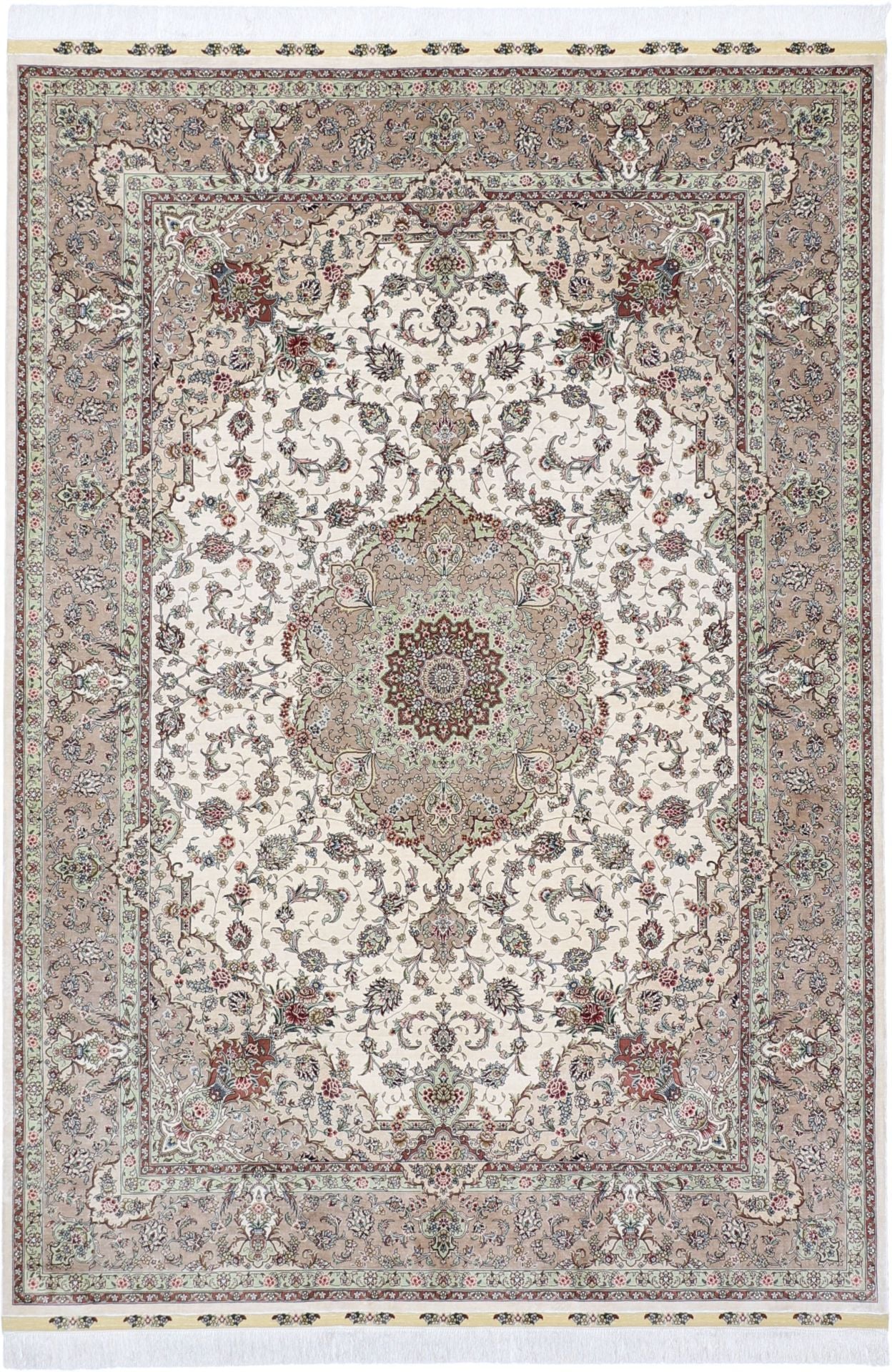
New Zealand carpets: A look at the fascinating art tradition and craftsmanship
A look at the fascinating art tradition and craftsmanship of New Zealand carpets
Carpets are not only practical floor coverings, but also expressions of culture and art. Carpet weaving traditions in New Zealand, in particular, have established themselves as a remarkable part of Maori culture. In this article, we will explore the history, production, and cultural significance of New Zealand carpets, as well as the fascination and uniqueness of this craft, which is recognized both in New Zealand and internationally.
The history of New Zealand carpets
The history of carpets in New Zealand is closely linked to the history of the Maori people. The Maori are the indigenous peoples of New Zealand, who have a rich cultural tradition manifested in various art forms, including textile art. Although carpet art in New Zealand is not as ancient as in other cultures, it has gained importance over the last hundred years.
The first rugs in the Western sense were produced in New Zealand in the late 19th century, when European immigrants brought the arts of their homeland with them. These influences led to a fusion of Western and traditional Maori designs, resulting in a unique form of rug art. New Zealand rugs are known for their vibrant colors, intricate patterns, and the use of high-quality and sustainable materials.
Manufacturing process: From wool to carpet
The production of New Zealand rugs is a time-consuming and meticulous process that requires high craftsmanship. The main materials are wool and cotton, which are sourced locally. New Zealand is famous for its high-quality wool produced by Merino sheep. This wool is particularly soft and durable, making it ideal for rug making.
The process begins with shearing, where the wool is collected from the sheep. The wool is then cleaned, dyed, and prepared for spinning. Dyeing is often done with natural dyes derived from plants, minerals, or insects. These sustainable approaches reflect the Maori connection to nature and are an essential part of New Zealand craftsmanship.
After the wool is dyed and spun, the actual knotting process begins. Traditionally, rugs are knotted by hand, a technique that requires both skill and patience. Each knotting technique can vary, with the art of knotting often being passed down from generation to generation. The patterns and designs are often inspired by Maori motifs depicting stories, legends, or natural elements.
One special technique is the button-roll technique, in which the wool is arranged in a special pattern and then pressed together. This gives the rug a unique volume and texture. Many artists also incorporate important cultural symbols or personal stories into their rug designs, giving each piece a deeper meaning.
Cultural significance of New Zealand carpets
New Zealand rugs are not just decorative objects; they are also carriers of cultural heritage and identity. Many rugs tell stories about Maori culture, its customs, legends, and relationship with nature. The use of symbols and designs rooted in Maori tradition gives each rug a cultural depth.
An example of such a symbol is the koru, which represents a closed spiral and is frequently used in Maori art. The koru symbolizes new life, growth, and rebirth—qualities central to Maori philosophy. Carpets containing such symbols are often associated with specific ceremonies or occasions and contribute to the reinforcement of cultural memory.
The significance of rugs is also enhanced by their function. They are often part of celebrations or important family traditions and can be given as gifts passed down from generation to generation. These practices help strengthen social cohesion within the community and keep cultural heritage alive.
New Zealand carpets in an international context
New Zealand rugs have gained international prominence in recent years and are now highly sought after in many countries. The unique combination of traditional craftsmanship, high-quality materials, and cultural stories attracts buyers from all over the world. This has also contributed to the promotion of the New Zealand art scene and many Designer inspired to find new ways to integrate Maori culture into their work.
New Zealand rugs are increasingly featured at international design fairs and exhibitions. Their striking designs and meticulous craftsmanship impress not only art lovers but also interior designers.Designer, who are looking for unique products that add a touch of originality to their projects.
However, access to New Zealand carpets in global markets has also presented challenges. Preserving the cultural identity of carpet art is of paramount importance, as it is important that these pieces be viewed not merely as products, but also as expressions of a vibrant and valuable culture. For this reason, many artists are committed to ensuring that their work is presented in a context that respects its cultural and historical background.
Care and maintenance of New Zealand carpets
The longevity of New Zealand carpets depends heavily on their care. Regular care and cleaning are important to preserve the colors and texture of the carpets. Here are some care and maintenance tips:
Regular vacuuming: Vacuuming is one of the best methods to remove dirt and dust from surfaces. Use a soft brush to avoid damaging the fibers.
Stain removal: In case of stains, they should be treated as soon as possible. Use a soft cloth and a mild detergent for stain removal. Avoid harsh chemicals, as these can damage the wool.
Avoid direct sunlight: Direct sunlight can cause carpet colors to fade. Ensure your carpets are not excessively exposed to sunlight.
- Professional cleaning: A thorough professional cleaning is recommended to keep carpets in top condition. Specialized cleaning services can ensure that carpets are treated with care.
The influence of modern design on carpet art
Today, there is an interesting interaction between traditional carpet craftsmanship and modern design trends. Many contemporary artists and Designer They are working to combine time-honored techniques with modern aesthetics. This results in innovative designs that both honor the roots of carpet art and address current trends.
The use of geometric patterns, minimalist designs, and a wider range of colors has changed the look of New Zealand rugs and appealed to many new buyer groups. Alongside traditional motifs, they are experimenting with new designs. Designer using abstract shapes and modern materials to create carpets that are both traditional and contemporary.
Additionally, social media platforms and online shops have made it easier for artists to showcase their work to a wider audience. This has not only contributed to the spread of New Zealand carpet art but also provided opportunities to connect with buyers and receive valuable feedback.
Conclusion
New Zealand rugs are a fascinating example of the fusion of traditional craftsmanship and contemporary design. They reflect the cultural identity of the Maori people and carry stories that are meaningful for future generations. The loving craftsmanship of rugs, the use of high-quality materials, and the connection to nature make them coveted works of art.
By preserving this tradition, we not only preserve a valuable art form but also bring the Maori cultural heritage into the modern world. New Zealand rugs are not just decorative objects, but also a piece of history and identity that create a special atmosphere in any room.
Frequently Asked Questions (FAQ)
1. How do I recognize the quality of a New Zealand carpet?
The quality of a New Zealand rug can be identified by several characteristics. Pay attention to the density of the knots, the type of wool used, and the clarity and precision of the patterns. High-quality rugs are usually hand-knotted and use premium materials.
2. Are New Zealand carpets environmentally friendly?
Yes, many New Zealand carpets are eco-friendly, as they are often made from natural, sustainably sourced materials like wool and cotton. Additionally, many manufacturers use natural dyes that are less harmful to the environment.
3. How do I best care for my New Zealand carpet?
To extend the lifespan of your New Zealand carpet, vacuum it regularly, treat stains promptly, and avoid direct sunlight. It's also recommended to have the carpet professionally cleaned from time to time to prevent damage and keep the colors vibrant.