“Sustainable Beauty: The World of Care & Fair Carpets”
Introduction
Carpets are not only functional home textiles that provide warmth and comfort; they are also an expression of culture, aesthetics, and sustainability. In a time when environmental awareness and ethical manufacturing are increasingly gaining attention, the topic of sustainable carpets is gaining increasing importance. This article explores the world of sustainable carpets, inspired by initiatives like "Care & Fair," which promote fair conditions in carpet manufacturing. Let's delve into the fascinating world of carpets together.
1. The meaning of carpets
Carpets have a long history dating back thousands of years. They serve not only to decorate floors but also as cultural heritage and a symbol of art and craftsmanship. Depending on the region and tradition, carpets can feature different techniques, materials, and designs.
1.1 Culture and History
For many cultures, carpets are more than just decorative elements. In many countries, they tell stories and convey traditions. Every pattern and every color has a meaning that is deeply rooted in the history of a region.
1.2 Functionality and comfort
Carpets provide warmth and sound insulation, while also being comfortable. In cold climates, they're essential for creating a cozy living environment. They also help absorb sound, which is especially beneficial in open-plan spaces.
2. Sustainability in the carpet industry
In a world increasingly concerned with environmental conservation, sustainability is also gaining importance in the carpet industry. Carpet manufacturing can be harmful to the environment if sustainable practices are not followed.
2.1 Environmentally friendly materials
Sustainable rugs are made from eco-friendly materials that are biodegradable or recyclable. These include natural fibers such as wool, cotton, and jute. These materials are not only more environmentally friendly but also more durable and safer for your health.
2.2 Fair trade and social responsibility
The Care & Fair initiative promotes fair working conditions in the carpet industry. By supporting retailers who adhere to these principles, consumers can be assured that their carpets were produced under ethical conditions.
2.3 Ecological production
Avoiding pollutants and reducing water consumption play a key role in the ecological production of carpets. Innovative textile technologies enable the integration of sustainable methods into the manufacturing process.
3. The variety of carpets
Rugs come in a variety of designs, colors, and materials. This diversity makes them an ideal accessory for any home.
3.1 Types of carpets
There are different types of carpets that differ in their manufacturing, materials, and design. Here are some of the most popular:
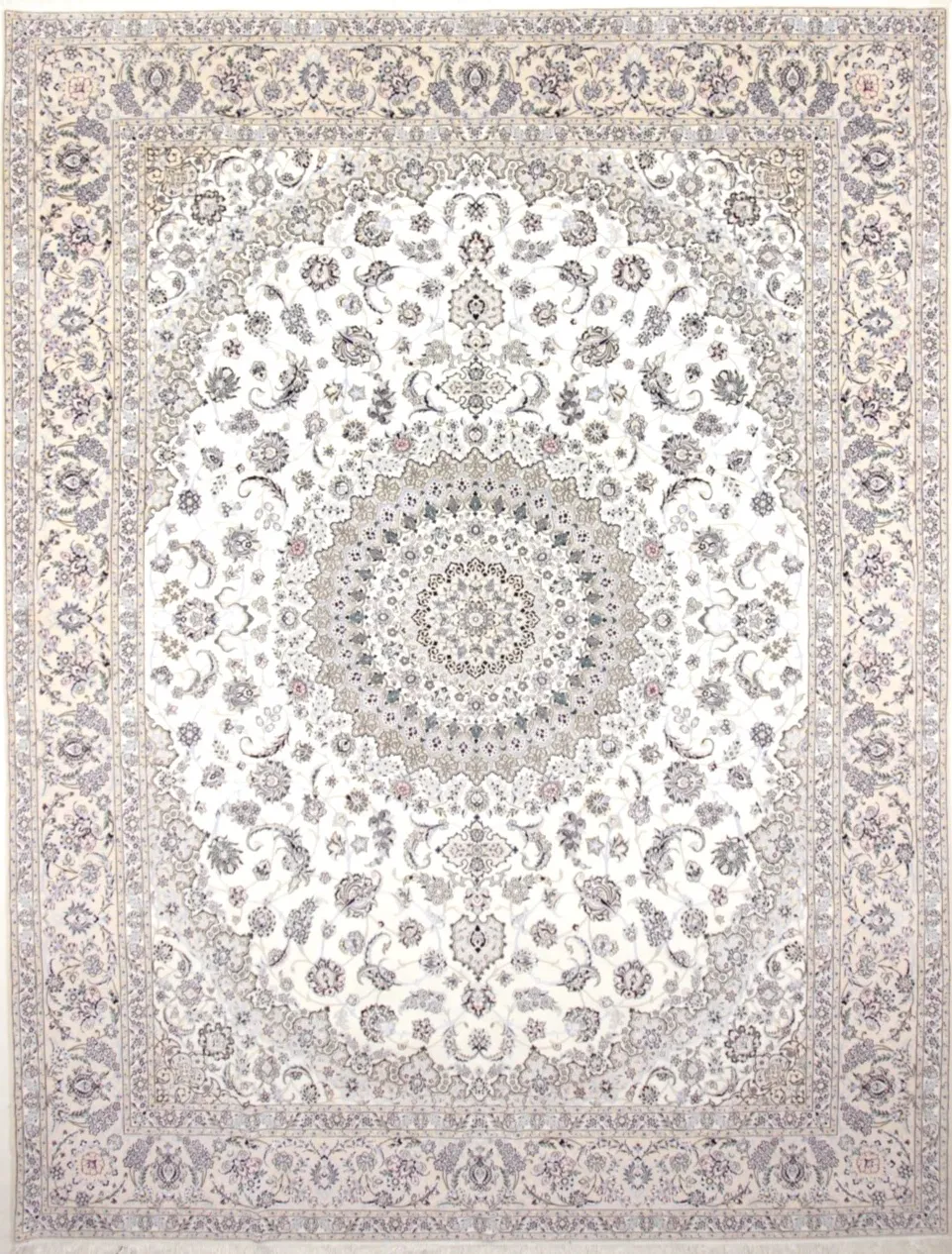
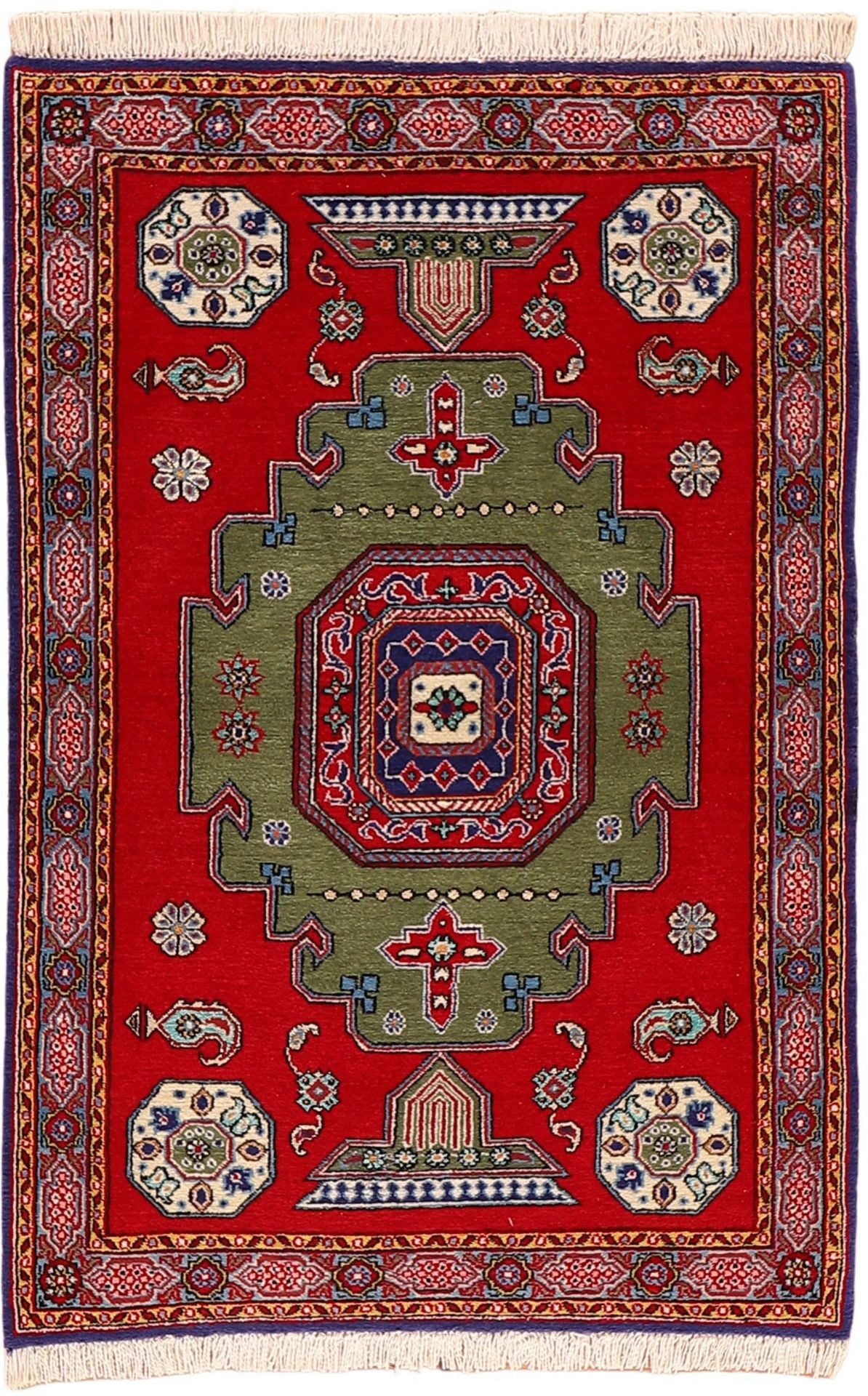
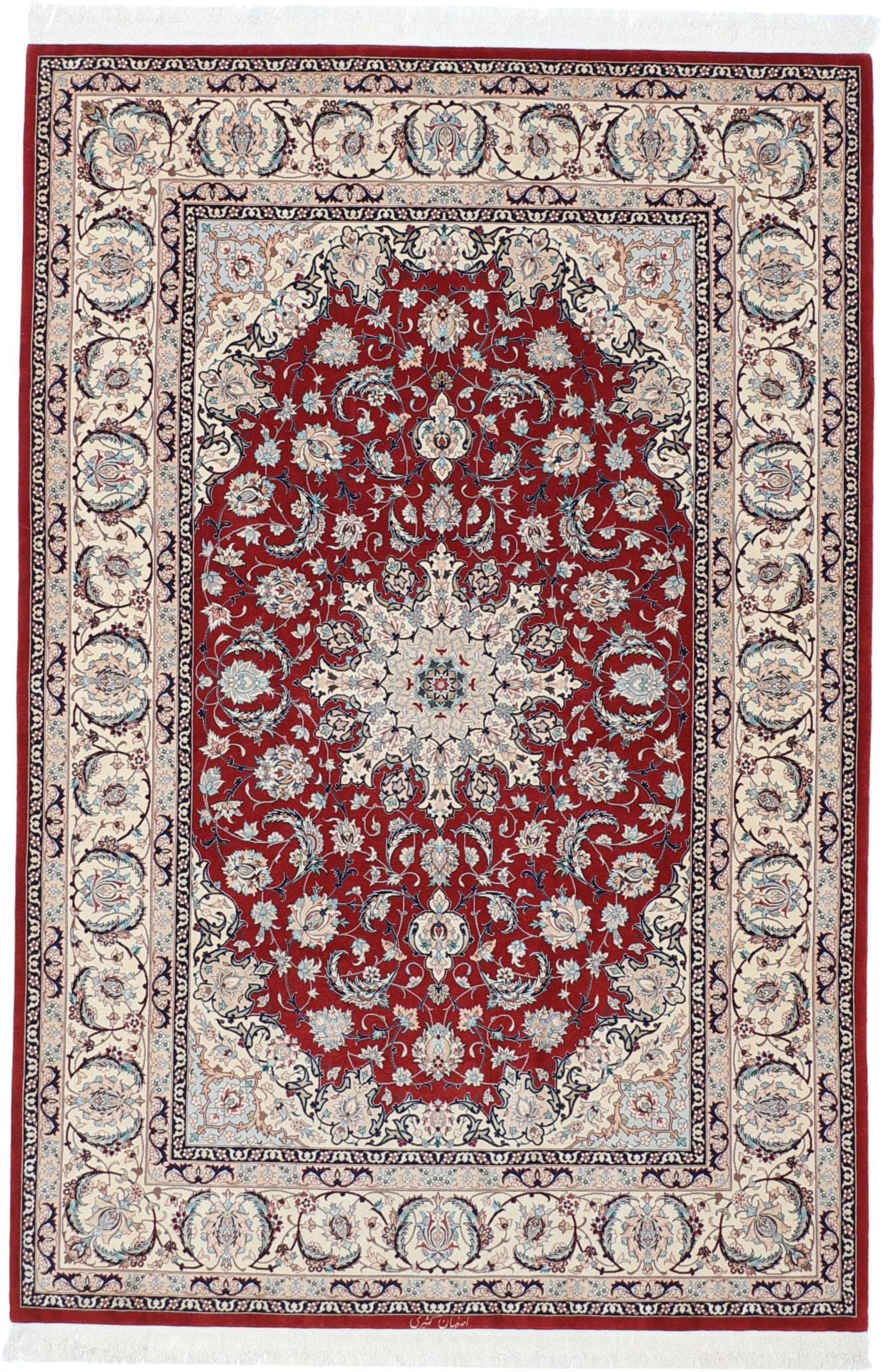
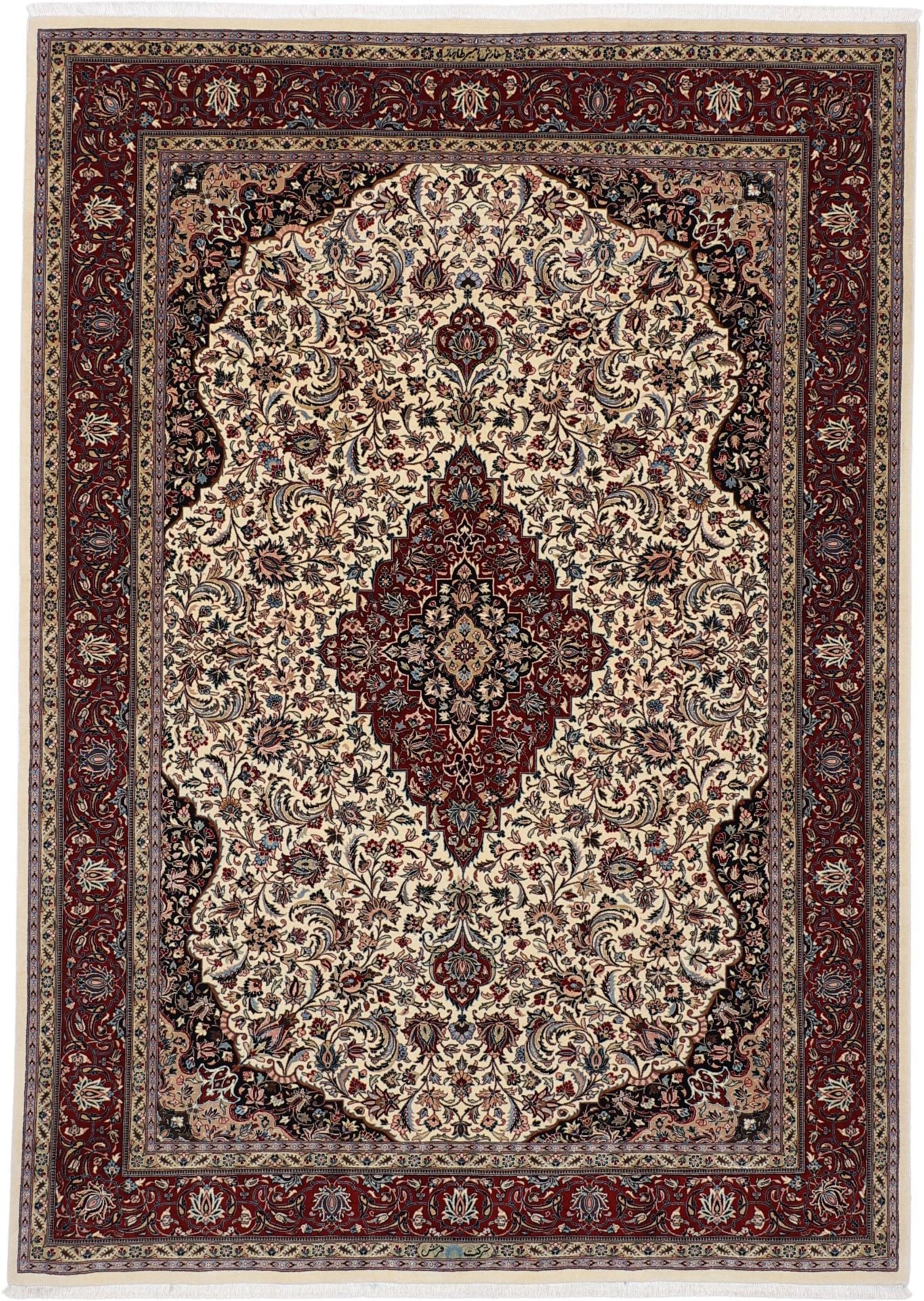
- Oriental carpets: Historically crafted, they are characterized by their complex patterns and colors.
- Modern carpets: They often combine traditional techniques with contemporary designs.
- Berbercarpets: These traditional North African rugs are known for their simple patterns and robust materials.
3.2 Colors and patterns
The choice of colors and patterns plays a key role in the design of a room. Colors can influence the mood, while patterns can add vibrancy to a home. When choosing a rug, consider how it harmonizes with the rest of your decor.
4. Care and maintenance of carpets
A carpet can retain its charm and functionality for many years if it is well cared for.
4.1 Regular cleaning
Regular vacuuming keeps the carpet clean and free of dust and dirt. Occasional shampooing or steam cleaning can also help remove deeper soils.
4.2 Removing stains
Stains should be treated as quickly as possible to avoid permanent damage. Use special carpet cleaners or natural solutions like vinegar and water to remove stains.
4.3 Storage and protection
If you need to store a rug, keep it clean and dry. Use protective covers to protect it from dirt and insects.
5. The influence of “Care & Fair”
The “Care & Fair” initiative aims to improve the living conditions of carpet weavers in India, Nepal and Pakistan.
5.1 History of Care & Fair
Founded in 1994, the initiative has made a name for itself by drawing attention to abuses in the carpet industry. It advocates for education, fair working conditions, and the fight against child labor.
5.2 Projects and initiatives
Care & Fair supports various projects that benefit local communities. These include schools, health programs, and training initiatives that help artisans develop their careers.
6. Choosing the right carpet
Choosing a rug should be carefully considered, as it has a decisive influence on the atmosphere of your room. Here are some tips for choosing the right rug:
6.1 Budget and value for money
Carpets come in a variety of price ranges. Make sure you choose a good value that takes both quality and sustainability into account.
6.2 Size and shape
The size and shape of the rug should fit the size of your room, taking into account furniture layout and personal preferences.
6.3 Choice of material
Choose a material that meets both your aesthetic requirements and your practical needs.
6.4 Sustainable options
Consider purchasing rugs made from materials produced under fair and sustainable conditions. This is not only good for the environment but also for society.
Conclusion
The world of rugs is diverse and fascinating, especially when it comes to sustainable options. "Care & Fair" and similar initiatives demonstrate that it's possible to combine beauty and ethics. By choosing a sustainable rug, you not only contribute to a better living environment but also support the people who create these artistic pieces. When making your choice, consider quality, fairness, and environmental protection so that your rug not only looks beautiful but also has a positive impact on the world.
FAQ
1. What are sustainable carpets?
Sustainable carpets are products manufactured under environmentally friendly, fair, and ethical conditions. They are typically made from natural materials and produced without harmful chemicals.
2. How do I find the right carpet for my home?
When choosing a rug, consider the size, material, and design that best suits your space. Also consider whether the rug was produced under fair conditions.
3. How do I properly care for my carpet?
Regular vacuuming and prompt treatment of stains are important. For deeper cleaning, steam cleaners or specialized carpet cleaners are recommended.
With this comprehensive review and helpful tips, you are well equipped to make an informed decision when choosing a sustainable carpet.