“Monawar: The fascinating world of innovative crypto technology”
The fascinating world of carpets: tradition, design and innovation
Carpets are far more than just textile floor coverings; they are works of art that represent history, culture, and craftsmanship. In recent years, the carpet industry has evolved to meet the needs of a modern society while maintaining its roots in traditional handcrafted carpet production. In this article, we will explore the various facets of the carpet world, including the different types of carpets, selection criteria, care, and even the innovative technologies used in carpet production. Let's delve into the rich and diverse world of carpets.
The history of carpets
To understand the significance of carpets in the modern world, it is important to consider their origins. Carpets have a long and varied history dating back to ancient times. The first carpets are known to have been woven in Central Asia and date back to 2.500 BC. Archaeologists have discovered the Pazyrik carpet in Iran, which is considered the oldest surviving woven carpet in the world.
Carpets were originally more than just decorative floor coverings; they had functional purposes. They served as insulation in cold climates, protected floors from wear, and were even used as tent walls in nomadic cultures. Over time, the craft of carpet weaving evolved, and carpets became a status symbol that reflected a people's wealth and culture.
Different types of carpets
The world of carpets is incredibly diverse. Here are some of the most popular types:
1. Oriental carpets
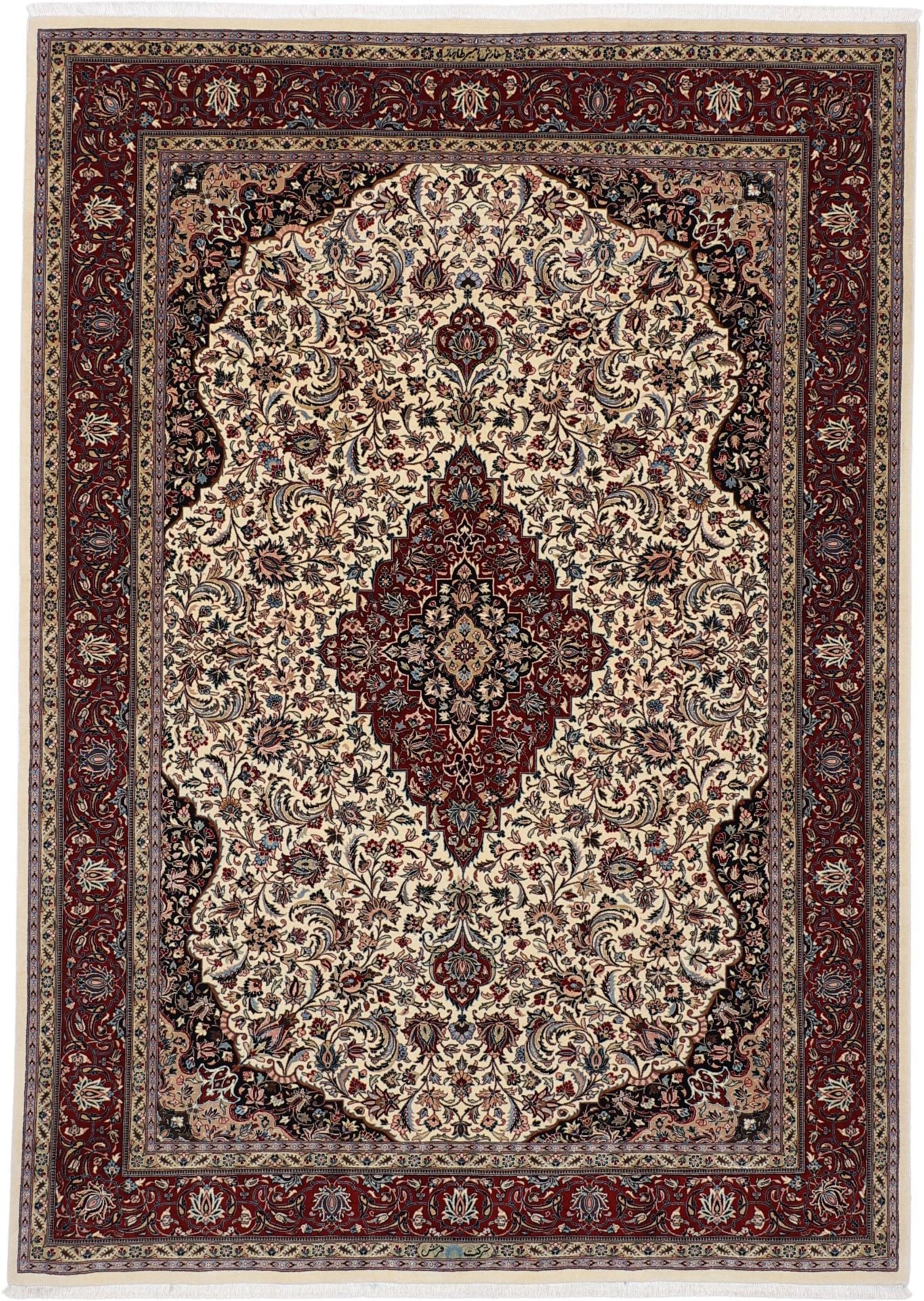
Oriental rugs are traditionally made in countries such as Iran, Turkey, India, and Afghanistan. They are known for their detailed patterns and vibrant colors. Oriental rugs are usually hand-knotted and can require many hours of labor to make. The patterns are often symbolic and contain cultural or historical references.
2. Modern carpets
Modern rugs are characterized by innovative designs that often incorporate geometric shapes or abstract art. These rugs are frequently machine-made, making them more affordable and available in large quantities. However, there is also a wide variety of handmade modern rugs that... Designerpieces are the same.
3. Berbercarpeting
BerberCarpets originally come from North Africa, especially from the indigenous people. Berber-tribes. These carpets are often made from sheep's wool and are known for their coarse texture and the use of natural colors. BerberCarpets are not only durable, but also versatile.
4. New wool carpets
Virgin wool is the material of choice for many high-quality rugs due to its durability, softness, and temperature regulation. Virgin wool rugs are especially popular in living spaces because they are comfortable underfoot and can improve room acoustics.
5. Sisal carpets
Sisal rugs are made from the fiber of the sisal plant and are known for their durability and environmental friendliness. They are ideal for high-traffic areas and add a natural, rustic touch to any room.
Selection criteria for the perfect carpet
Choosing the ideal rug can be challenging, as there are many factors to consider. Here are some key factors to consider when choosing a rug:
Material
The choice of material directly influences the durability, comfort, and care of the rug. As mentioned above, there are various materials available, such as wool, cotton, sisal, and synthetic fibers. Allergies and sensitivities should also be considered when choosing a material.
Size
The size of the rug is crucial. A rug that's too small can make a room appear disproportionate, while one that's too large can overwhelm the space. Measure the available space before making a decision to find the perfect size.
Style & Design
The rug should match the overall style of your home. Whether rustic, modern, minimalist, or classic—there are countless designs and colors that can reflect your individual taste.
Funktionalität
Consider where the rug will be used. Durable rugs are essential in high-traffic areas like hallways or living rooms, while soft, cozy rugs are preferred in bedrooms.
Carpet care
Proper care will significantly extend the life of your carpet. Here are some care tips:
Regular vacuuming
The most important step in carpet care is regular vacuuming. This not only removes visible dirt but also prevents dust and dirt particles from penetrating the fibers.
Stain treatment
When it comes to stains, you need to act quickly. Use a clean cloth to absorb any excess liquid and treat the stain with a suitable cleaning agent. Be sure to follow the instructions and air the carpet thoroughly afterward.
Professional cleaning
Once a year, you should consider professional carpet cleaning. These types of cleaning are particularly effective at removing deep-seated stains and odors and will help maintain the value of your carpet.
Innovative techniques in carpet production
The carpet industry has made tremendous strides in recent years, both in manufacturing and design. Here are some of the innovative technologies being used today:
1. Digital printing technology
Digital printing technologies make it possible DesignerIt is possible to print complex patterns directly onto carpet materials. This method allows for high precision and flexibility in design, meaning that almost any type of graphic can be implemented in various colors and styles.
2. Sustainable materials
The demand for environmentally friendly products has also reached the carpet industry. Many manufacturers are increasingly turning to recycled materials or sustainable fiber sources to meet the needs of environmentally conscious consumers.
3. Smart carpets
With the increasing integration of technology into our lives, "smart carpets" are also available on the market. These carpets can, for example, be equipped with heating systems or offer integrated sensors for room acoustics or even fitness tracking.
The influence of carpets on interior design
Carpets play a central role in interior design. They can visually enlarge or shrink spaces and define different areas within a room. A well-placed rug can create a harmonious overall look and significantly influence the atmosphere of a room.
color harmony
Colors influence our mood and our emotions. Carpets with soft and neutral tones can create a calm and relaxing atmosphere, while bold colors bring energy and dynamism to a room.
Texture variety
The texture of a rug can have a strong impact on the overall perception of a room. Soft, fluffy rugs invite a sense of comfort, while textured rugs can create tension and visual interest.
Acoustic properties
Carpets not only influence the aesthetics of a room, but also its acoustics. They absorb sound and reduce background noise, which is especially beneficial in large or reverberant spaces.
Conclusion
Carpets are an essential part of interior design and home decor. They combine aesthetics and functionality and tell stories from different cultures and eras. Whether you choose a hand-knotted oriental rug or a modern designer rug, choosing a rug should always be done carefully. It's not just a floor covering; it's an expression of your personality and lifestyle. With the right knowledge about materials, care, and current trends, you'll be well equipped to find the perfect rug for your home.
FAQ
What types of carpets are there and which is the best for my home?
There are many types of carpets, including oriental carpets, modern carpets, BerberCarpets and sisal rugs. The best choice depends on your interior design style, intended use, and needs. Oriental rugs are ideal for classic designs, while modern rugs fit well in contemporary spaces.
How can I remove stains from my carpet?
If a stain occurs, act as quickly as possible. Soak up any excess liquid with a clean cloth and use a mild detergent to treat the stain. Test the detergent on an inconspicuous area first to ensure it doesn't cause discoloration.
What should I consider when choosing a carpet?
Consider the material, size, style, and functionality. Consider where the rug will be used and what durability, comfort, and maintenance requirements it will require. Measure the room beforehand to ensure the rug will fit well.