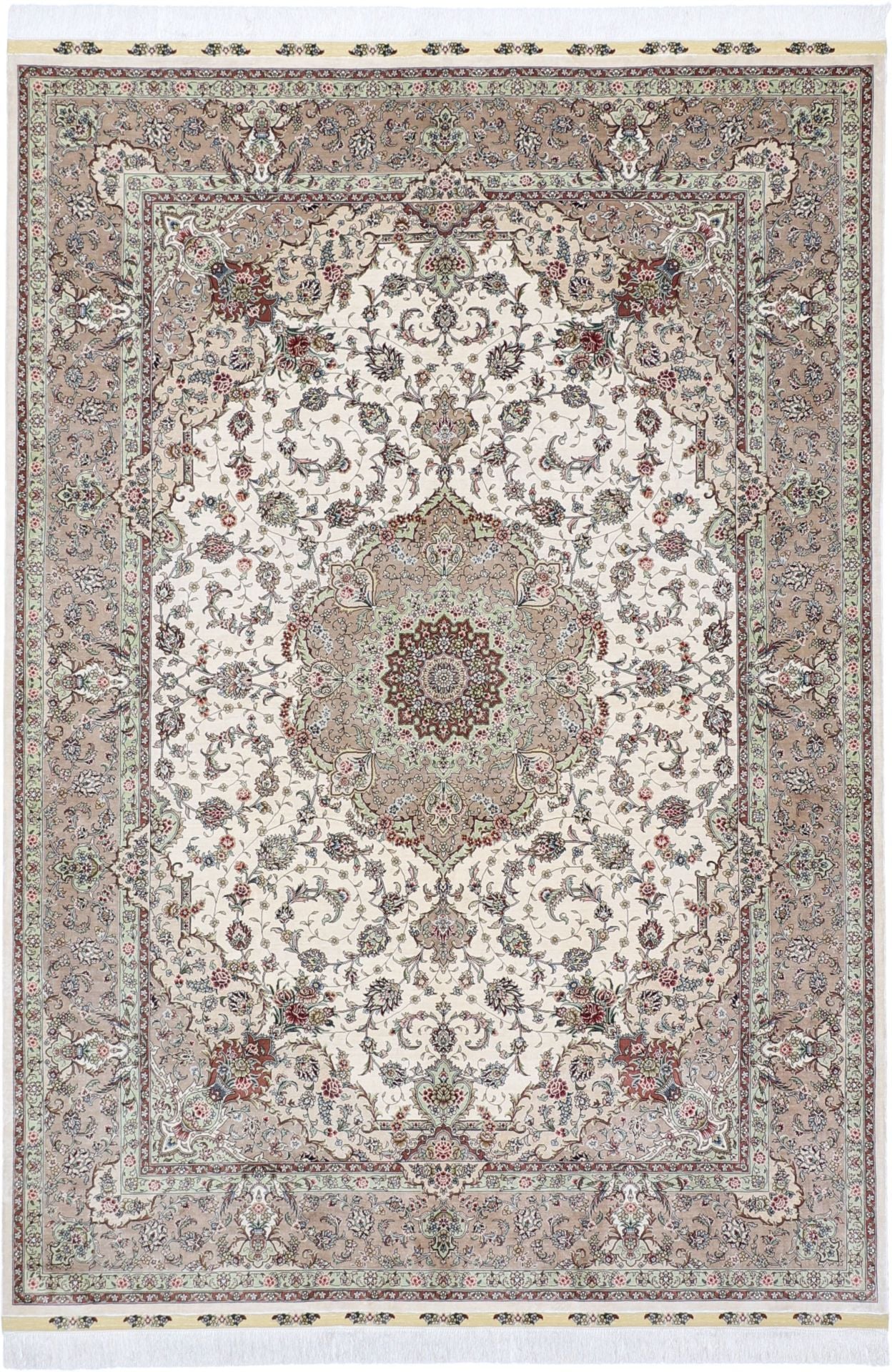
Modern oriental rugs: The perfect mix of tradition and contemporary design
Modern oriental rugs: The perfect mix of tradition and contemporary design
Carpets have been a central element of interior design and culture for thousands of years. They not only bring coziness to our living spaces but also tell stories of tradition, craftsmanship, and regional identity. Among the many types of carpets, modern oriental carpets are enjoying increasing popularity. These exciting creations combine historical craftsmanship with contemporary design, creating an aesthetic contrast that finds its place in both traditional and modern interior styles. In this article, you'll learn everything you need to know about modern oriental carpets, their history, production, care, and how to optimally integrate them into your home.
The history of oriental carpets
Oriental rugs are more than just floor coverings; they are an expression of cultural identity and artisanal tradition. The roots of rug weaving reach back to antiquity. Historians believe that the first rugs originated in what is now Iran, TurkmenThey originated in Istanbul or the Caucasus, where they initially served as practical coverings or shelters. Over time, the carpets evolved into works of art with complex patterns and symbols deeply rooted in the culture of their respective regions.
Such rugs became particularly popular in the 16th and 17th centuries, when European traders began exporting these ornate pieces to Europe. The most well-known types are Persian, Turkish, and Afghan rugs, each with its own unique style and design. While traditional oriental rugs often feature warm colors and classic patterns, modern oriental rugs have reinterpreted this approach.
Modern Oriental Carpets: A New Perspective
Modern oriental rugs are not merely replicas of traditional designs; they are the result of a creative fusion of ancient techniques and contemporary style. Designer Craftsmen use traditional knotting techniques, but combine new materials and colors to create fresh, exciting looks that match current trends in interior design.
One of the main attractions of modern oriental rugs is their versatility. They fit into both minimalist and eclectic interior styles. With their unique character and the craftsmanship invested in the creation of each individual piece, they attract attention and can serve as a central design element in a room.
The production of modern oriental carpets
The production of a modern oriental rug is a time-consuming and detailed process that requires expertise and dedication. While this art form usually begins with the selection of high-quality materials, the knotting process is typically done by hand. Here are some of the steps involved in rug production:
1. Choice of material
Modern oriental rugs are often made of wool, silk, cotton, or synthetic materials. Wool is particularly popular because of its durability and longevity. Silk, on the other hand, lends the rug a luxurious appearance, while synthetic materials are often valued for their ease of care.
2. Design and Pattern
The design of a carpet can be influenced by various cultural, historical, and artistic inspirations. Designer They often play with colors, shapes, and patterns to achieve a particularly modern look. From geometric designs to floral patterns and abstract compositions, the palette is virtually endless.
3. Knotting
The knotting process is one of the most laborious phases. Each knot is tied by hand—a task that requires great skill and patience. The density of the knots influences the quality and appearance of the rug. The denser the knots, the more detailed and durable the final product.
4. Coloring
Modern oriental rugs often use a combination of natural and synthetic colors. Designer They try to create innovative color compositions to make the carpets visually appealing. Techniques such as "fading" are often used to achieve a particularly striking effect. vintageto achieve a similar look.
5. Completion
After the knotting and dyeing process, the rug undergoes final care. This involves sanding, trimming, and hemming the edges. Often treated with a special anti-dirt and anti-hay fever treatment, modern oriental rugs are ready for use in your home.
Care and cleaning of modern oriental carpets
Proper care is essential to ensure your modern oriental rug remains beautiful for many years. Here are some tips for care and cleaning:
1. Regular cleaning
Vacuuming is essential to remove dust and dirt. Use a vacuum cleaner with a brush attachment to avoid damaging the fibers.
2. Stain removal
When it comes to stains, you need to act quickly. Gently blot the stain with a clean, dry cloth and use a mild detergent if necessary. Make sure to rinse the carpet thoroughly afterward to avoid residue.
3. Professional cleaning
Professional carpet cleaning should be considered every one to two years. This ensures that the carpet is thoroughly cleaned while preserving its color and quality.
4. Avoid sunlight
Make sure your carpet isn't constantly exposed to direct sunlight, as this can cause color fading. Curtains or blinds can help regulate the light.
Modern oriental carpets in interior design
The potential uses of modern oriental rugs are virtually limitless. Here are some inspiring ideas for incorporating these works of art into your interior design:
1. In the living room
A large, minimalist oriental rug can be a focal point in the living room, providing a contrast to a modern sofa. The rug's various colors can blend harmoniously with the rest of the decor, creating a cozy atmosphere.
2. In the dining area
A rug under the dining table can visually define the room. Choose a durable rug that's easy to care for, even after the occasional spill, yet still looks stylish.
3. In the bedroom
A soft rug placed next to the bed creates a warm and inviting feeling when you get up. Opt for subtle, calming colors that complement the overall look of the bedroom.
4. In the hallway
A long runner in the hallway can not only be practical but also enhance the space and add a personal touch. Patterns and colors can be used to create an exciting accent.
Buying a modern oriental rug
Buying a modern oriental rug can be an enriching experience. Here are some things to consider:
1.Budget
Set a realistic budget for your rug. Prices can vary greatly depending on size, material, and design.
2. Motifs and colors
Choose a design and colors that complement your existing decor and create the desired atmosphere. Keep in mind that neutral colors are more versatile, while bold colors can make a strong statement.
3. quality
Pay attention to the quality of the material and workmanship. A well-made rug will last for many years and become even more beautiful over time.
4. Sustainability
If environmental issues are important to you, find out about the origin of the carpet and whether sustainable materials were used.
Conclusion
Modern oriental rugs are more than just decorative floor coverings; they are an expression of culture, art, and craftsmanship, strikingly blending tradition and contemporary design. Their versatility and beauty allow you to add a personal touch to your home. With proper care and consideration of your individual needs, these rugs can enhance your home for years to come and transform your living spaces into a stylish retreat.
FAQ
1. How do I find the right modern oriental rug for my home?
Consider the size, design, and colors of the rug that complement your existing decor. Also consider the intended use and the material that best suits your needs.
2. How do I properly clean a modern oriental rug?
Vacuum regularly to remove dust and dirt. If stains occur, act quickly and use mild cleaners if necessary. Professional cleaning every few years ensures thorough care.
3. Are modern oriental rugs easy to care for?
Yes, many modern oriental rugs are made of durable materials that are easy to clean. However, be careful not to expose delicate rugs to direct sunlight and to clean them regularly to extend their lifespan.