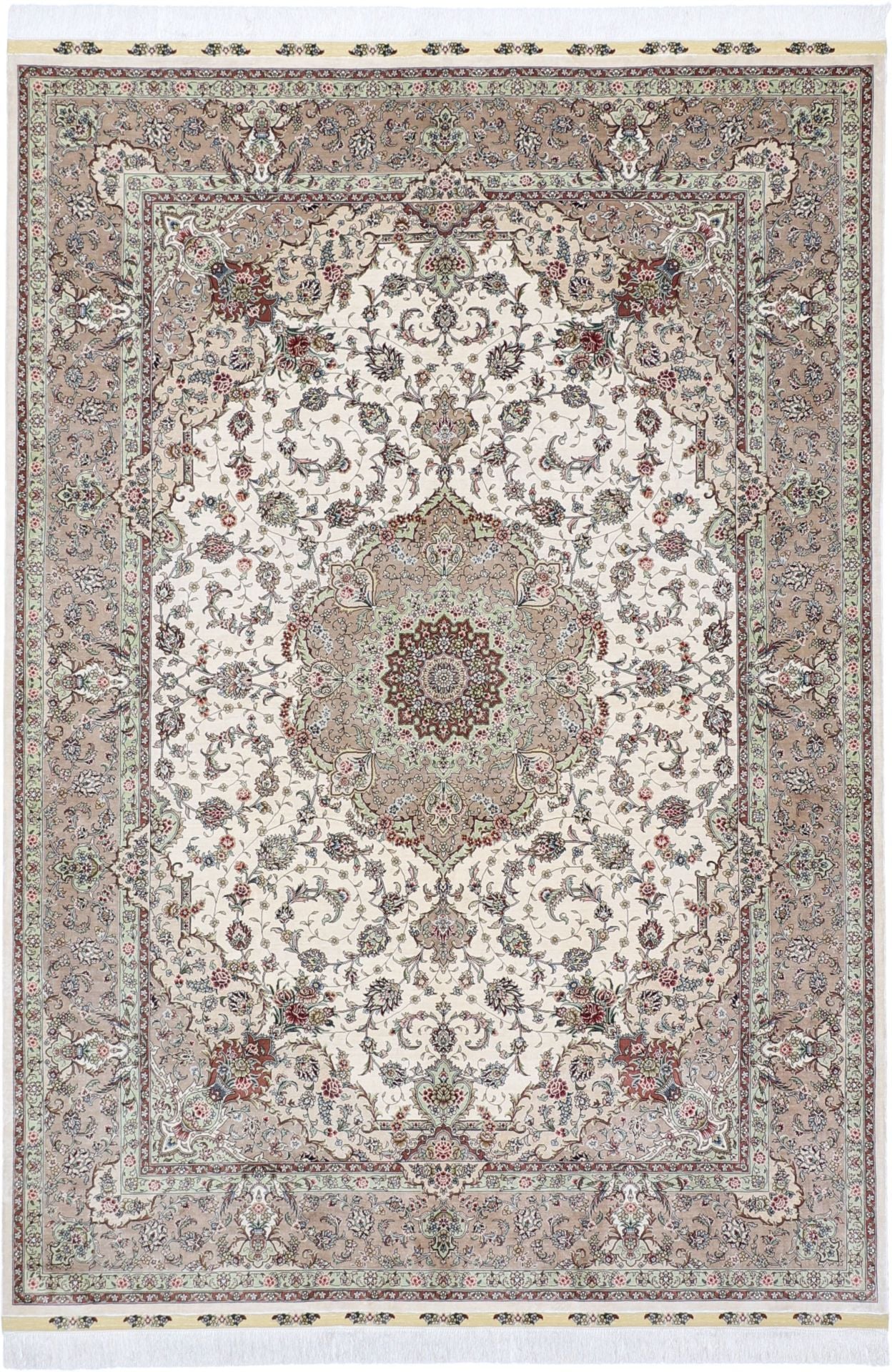
“Modern elegance: The fascination of Persian carpets in contemporary interiors”
Modern elegance: The fascination of Persian carpets in contemporary interiors
Introduction
Carpets are far more than just floor coverings. They have the ability to transform space and atmosphere, decisively influencing the character of a room with their texture, color, and pattern. Persian carpets, in particular, known for their traditional craftsmanship, beauty, and cultural significance, are increasingly finding their place in contemporary interiors. In this article, we will explore the appeal of Persian carpets and their integration into modern living spaces, highlight different styles and uses, and offer tips for selection and care.
The history of Persian carpets
Persian carpets have a long and rich history dating back to the 5th century BC. Originating in what is now Iran, these carpets were made by nomadic tribes as well as by urban artisans. Carpet craftsmanship evolved over the centuries, with different regions and styles developing their own distinctive characteristics.
The design of Persian carpets is strongly influenced by the culture and traditions of the respective region of origin. Among the best-known styles are Tabriz, Isfahan, Kashan and ShirazEach style is unique, offering specific color combinations and patterns, and often tells stories from the folklore or history of the region.
The craftsmanship
The production of a Persian carpet is a complex and time-consuming process that can often take several months or even years. Hand-knotted carpets require tremendous skill and patience. Carpet weavers use traditional techniques and materials such as wool, silk, and cotton. High-quality carpets are often made of pure wool or silk, which gives them a luxurious feel and long-lasting quality.
Knotting techniques vary by region and style and are often an indicator of the quality of the rug. The more knots per square meter, the higher the quality of the rug. Coloration is also an important characteristic. Significant symbolic colors—such as blue, red, and gold—give the rug not only beauty but also cultural depth.
Persian carpets in modern interiors
In recent years, more and more interior designers and Designer Persian rugs have begun to be integrated into modern interiors. The combination of traditional craftsmanship with contemporary design creates a fascinating contrast that conveys elegance and style. Here are some ways you can stylishly incorporate a Persian rug into your home.
1. Accentuation of rooms
A Persian rug can serve as a central design element that immediately commands attention. Whether in the living room, bedroom, or hallway, a well-placed rug can visually unify the space. Choose a rug with bold colors and intricate patterns to create a focal point, or opt for more neutral tones for a subtle yet elegant accent.
2. Harmonious color design
The colors of Persian rugs are often bold and warm, making them ideal for combining with modern furniture and decor. You can use the rug as a starting point for a room's color palette. For example, combine a red Persian rug with modern, minimalist furniture in white or gray to create a harmonious and inviting space.
3. Mix & Match
A trendy way to incorporate Persian rugs into modern interiors is to play with different styles and textures. Don't be afraid to combine different rugs to create a dynamic atmosphere. A traditional Persian rug can be paired with a modern, geometric rug in an open-plan space to create interesting contrasting effects.
Choosing the right Persian carpet
Choosing the perfect Persian rug can be challenging, as there are so many styles, colors, and sizes available. Here are some important considerations to help you make the right choice.
1. size
When choosing a rug, size is crucial. A rug should be large enough to frame the furniture, but not so large that it overwhelms the room. A common rule is to place at least the front legs of the furniture on the rug to create a harmonious arrangement.
2. Color and pattern
Choose colors and patterns that complement your existing decor. Vibrant colors and intricate patterns work well in minimalist spaces, while more neutral tones can be harmoniously integrated into more traditional interior designs.
3. Material
The choice of material influences not only the appearance but also the longevity of the rug. Wool is robust, durable, and easy to care for, while silk offers an elegant sheen and luxury.
4.Budget
Hand-knotted Persian rugs can be a significant investment. Set a realistic budget and consider the quality and durability of the rug as part of the overall cost. A high-quality rug can last for decades and is often a worthwhile investment.
Care and maintenance of Persian carpets
To maintain the beauty and longevity of your Persian rug, proper care is essential. Here are some care tips:
1. Regular vacuuming
Vacuum your carpet regularly to remove dirt and dust that can accumulate in the weave. Use a vacuum cleaner with a soft brush to avoid damaging the material.
2. Remove stains
If stains occur, treat them immediately to avoid permanent damage. Use a soft cloth and lukewarm water with a mild soap to gently dab the stain. Avoid harsh cleaning agents.
3. Professional cleaning
It's recommended to have your carpet professionally cleaned at regular intervals. This helps remove deep-seated deposits and refresh the colors.
4. Avoid direct sunlight
Light colors can fade in direct sunlight. Place curtains or blinds in windows to protect your rugs from UV rays.
The influence of digital media on the carpet industry
Today, the digital revolution has also reached the carpet industry. Online shopping allows consumers to explore a wide range of carpets from the comfort of their own home. Web stores offer detailed descriptions, high-resolution images, and sometimes even virtual tours of the exhibit rooms.
Social media platforms like Instagram and Pinterest inspire users with interior design ideas, giving carpets a prominent role. Influencers and Designer They regularly share their own styles and uses of carpets, giving them a new light in modern interior design.
Conclusion
Persian rugs represent more than just a floor covering. They are an expression of art, culture, and craftsmanship and have the ability to add a sense of elegance and history to any room. Their timeless beauty and diversity make them an ideal companion for modern design.
Whether as a central design element or as a subtle accent, a thoughtful selection and integration of Persian rugs can significantly transform your home. When choosing the perfect rug, consider factors such as size, color, and material to ensure it integrates harmoniously into your existing interior.
FAQ section
1. How do I recognize the quality of a Persian carpet?
The quality of a Persian carpet can be determined by the number of knots, the materials used, and the density of the weave. High-quality carpets have a higher number of knots per square meter, which gives them greater durability and stability. The use of natural materials such as wool or silk is also a sign of quality.
2. What is the best way to clean my Persian carpet?
To clean, vacuum regularly and immediately treat stains with a damp cloth and mild soap. Avoid harsh cleaners and steam cleaners. Professional cleaning every few years will help preserve the quality and color of the carpet.
3. Is it possible to use Persian carpets in a modern interior?
Yes, Persian rugs are perfectly integrated into modern interiors. They offer a beautiful contrast to minimalist furniture and add warmth and texture. Experiment with combinations and different styles to create a unique look.