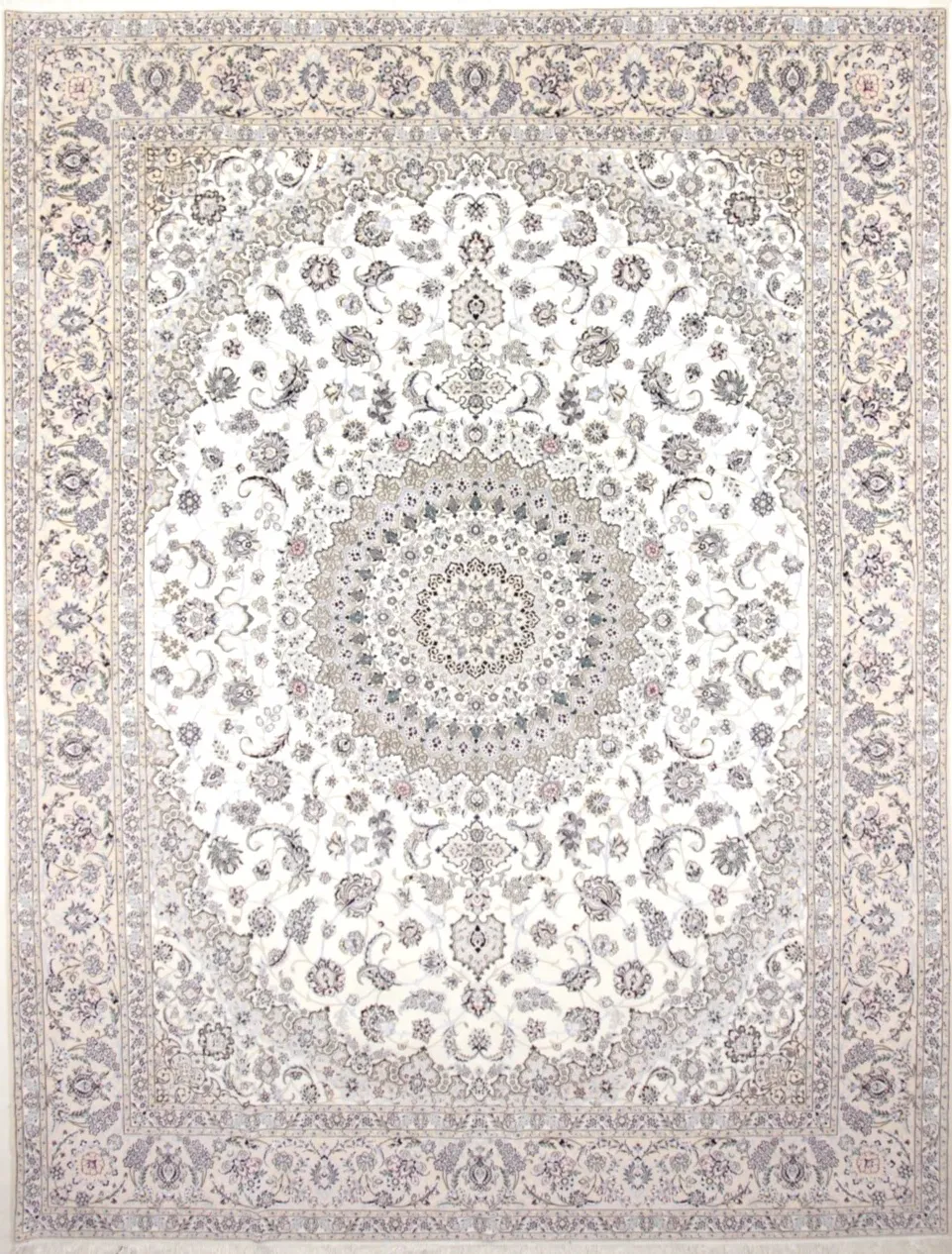
“Mahra: The fascinating world of traditional Arabian horses”
Introduction
Carpets are not just simple floor coverings, but also an expression of culture, tradition, and craftsmanship. They tell stories from distant lands and, through their colors and patterns, shape the ambiance of a room. Inspired by the rich tradition of Arabian horses, known for their beauty, grace, and strength, this article will explore the fascinating world of carpets. Like the finest Arabian horses, carpets are an expression of craftsmanship, heritage, and a deep understanding of aesthetics.
The history of carpets
Origins
The origins of carpets date back several millennia. Archaeological finds prove that the oldest carpets in the world, such as the famous Pazyryk carpet from the Altai Mountains in Siberia, date back to the 5th to 4th centuries BC. These carpets were originally used by nomadic peoples for thermal insulation and as mobile walls in their tents. Over time, carpet-making techniques developed in various cultures, particularly in the Orient, such as Persia, Turkey, and the Arab world.
The Arabian carpet tradition
The Arab world, in particular, has a rich carpet tradition that is strongly linked to the cultural heritage and daily lives of its people. Carpets from this region are characterized by their unique designs, vibrant colors, and the use of diverse materials. The art of carpet weaving has been passed down through generations and represents an important part of Arab culture – similar to the breeding and care of Arabian horses.
Meaning of carpets in different cultures
The carpet as a work of art
Carpets are considered works of art that carry deeper meaning. They tell stories about the people who made them, their traditions, and their lifestyles. Every pattern and color has symbolic meaning and conveys emotions. Just as the noble Arabian horse demonstrates the strengths and beauty of its breed, each carpet reflects the craftsmanship and values of its makers.
The carpet as a status symbol
In many cultures, carpets are also status symbols. They are often used at celebrations and special occasions to underscore the significance of the moment. In the Arab world, for example, magnificent carpets are often laid out at weddings to add a special touch to the festive occasion. An exquisite carpet can be passed down through generations and is therefore also a symbol of wealth and family honor.
Materials and manufacturing processes
Processing of wool
Wool rugs are particularly sought after in carpet manufacturing. The wool not only offers comfort and warmth but is also amazingly durable. Working with wool requires considerable skill and experience. From shearing to washing and dyeing to the actual knotting, every step is crucial to the quality of the final product.
Silk and other materials
Silk is another popular material in carpet making and is often used for luxury rugs. Silk carpets are known for their luster and fine thread count. The manufacturing process is extremely complex and requires great precision. In addition to wool and silk, cotton, sisal, and synthetic materials are also used. Each material has its own properties and applications.
Dyeing techniques
Dyeing is a crucial part of carpet production. Natural dyes from plants, animals, or minerals give each carpet a unique color palette. Experts use different dyeing techniques to achieve the desired shades. The choice of colors and the combination of these colors contribute significantly to a carpet's aesthetics and cultural identity.
Carpet styles and designs
Classic carpet patterns
Classic carpets are characterized by their timeless patterns and colors. These designs are often symmetrical and reflect traditional motifs that vary from culture to culture. Famous carpet designs such as the Persian carpet are known for their floral patterns and geometric shapes and are highly collectible.
Modern carpets
Modern rugs, on the other hand, express contemporary aesthetics and are often simpler. They utilize innovative material combinations and unconventional designs to create a unique look. These rugs bring a breath of fresh air to traditional spaces, blending old with new.
Care and cleaning of carpets
Basic care
Proper carpet care is crucial for its longevity. Regular vacuuming is essential to remove dirt and dust. Especially delicate carpets should be professionally cleaned from time to time to preserve their beauty and quality.
stain removal
Stains are often unavoidable, especially with carpets used in high-traffic areas. Quick and proper stain removal can be crucial. Use specialized carpet cleaners and follow the manufacturer's instructions to avoid damage and discoloration.
Carpets in interior design
Role in space
Rugs are not just functional items; they also play a crucial role in interior design. They help define different areas of a room and can significantly influence the mood and atmosphere. An exquisite rug can make a room feel inviting and warm, while a minimalist design can add freshness and lightness.
Combination with furniture and accessories
Choosing the right rug is closely related to the existing furniture and accessories. Harmonious color combinations and matching patterns can visually enhance a room. It's important to consider the rug as part of the overall interior and pay attention to the proportions and style of the furniture.
Carpets as an investment
appreciation
Carpets are not only beautiful home accessories, but also valuable investments. High-quality and well-preserved carpets can increase in value over the years and are therefore a wise investment. Collectors and enthusiasts are willing to pay high prices for rare and well-preserved examples.
Tips for choosing a carpet as an investment
If you're considering a rug as an investment, it's important to consider several factors: origin, material, manufacturing process, and condition are all crucial. Rugs from well-known regions and made using traditional techniques are usually more valuable.
Final section
Carpets are far more than simple floor coverings. They are works of art, cultural heritage, and expressions of individuality. In many important ways, they reflect traditions and craftsmanship, much like the heritage-rich Arabian horses, known for their elegance and rich history. Purchasing a carpet is not only an investment in a beautiful piece for your home, but also in the history and the hands that created it. A carpet brings character and warmth to any room, connecting generations to a shared cultural history.
FAQ section
1. How do you recognize the quality of a carpet?
The quality of a carpet can be determined by various factors, such as the number of knots, the materials used, and the manufacturing process. High-quality carpets often have a high knot density and are made from natural materials such as wool or silk.
2. What is the best way to clean my carpet?
Cleaning a carpet depends on the material and the type of stain. Regular vacuuming is important, while special carpet cleaners should be used for targeted stain treatment. For delicate carpets, professional cleaning is recommended.
3. Are carpets a good investment?
Yes, rugs can be a very good investment, especially if they are made of high-quality materials and are in good condition. Their value can increase over the years, especially for rarer pieces or those from well-known manufacturers.