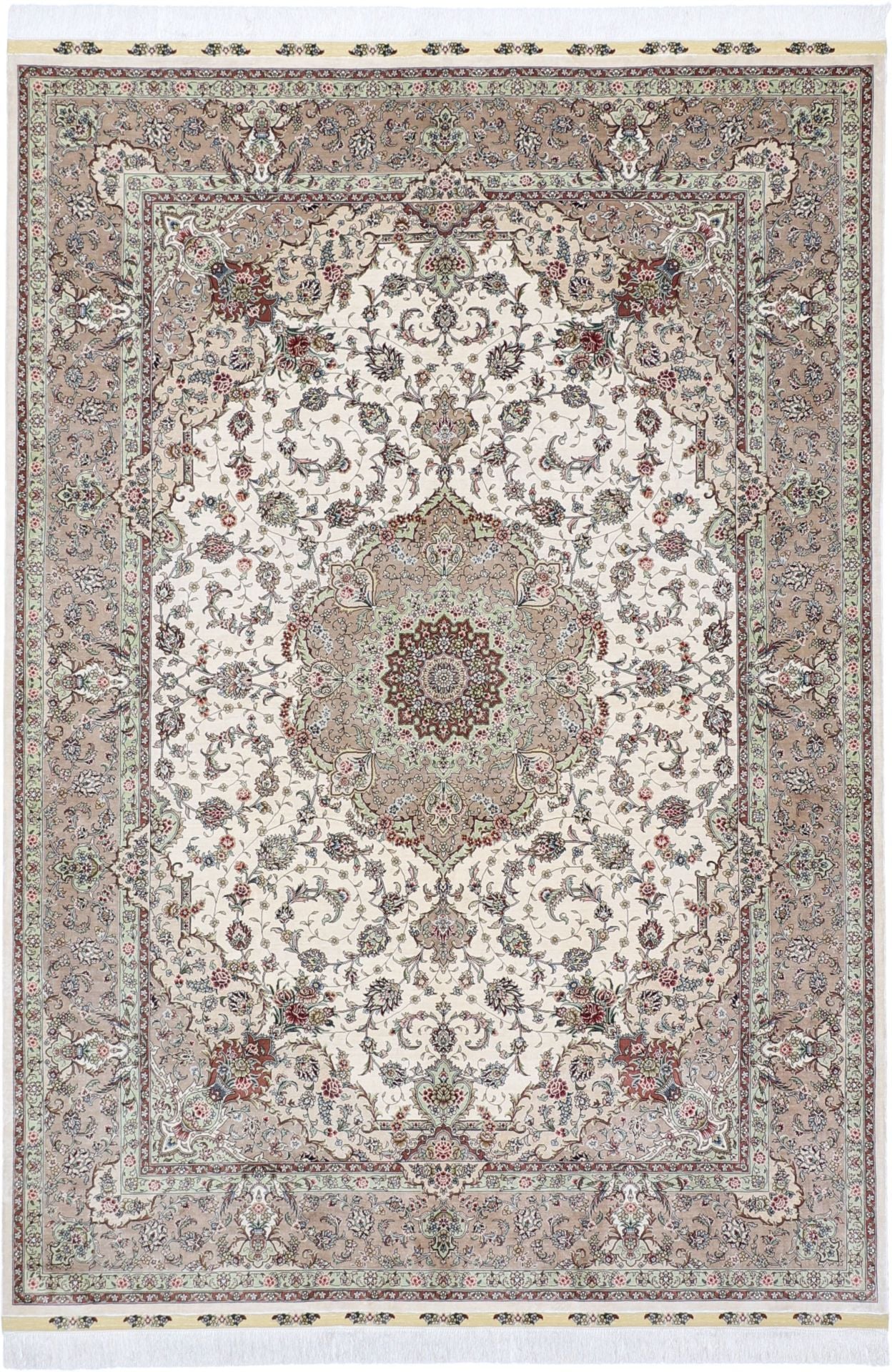
Luxury carpets: The art of craftsmanship for your home
Carpets: The art of craftsmanship for your home
Carpets are more than just floor coverings; they are an expression of style, culture, and craftsmanship. Luxurious carpets, often handwoven and made from the finest materials, convey a sense of exclusivity and their unique character is unmistakable. This article explores the different aspects of carpets, their history, materials, care tips, and how they can transform the atmosphere of your home.
The history of carpets
Carpets have a long and fascinating history dating back many centuries. Their origins date back to ancient times, when nomadic peoples of Central Asia began weaving wool threads to decorate their tents and living spaces. These early carpets were not only used as decorative elements but also served practical functions by providing warmth and comfort.
Over the centuries, various carpet styles and techniques have evolved. Persian carpets are perhaps the most recognizable and often represent the highest standards of craftsmanship. Their intricate patterns and use of vibrant colors make them true works of art. Carpets in Turkey, India, and China have also been designed in a variety of styles, each with its own cultural significance.
Materials for luxury carpets
Luxury carpets are made from a variety of materials, each with its own characteristics and advantages. The most common materials are:
1. Wool
Wool is one of the most traditional materials for carpets. It is durable, dirt-resistant, and offers optimal thermal insulation. High-quality wool carpets are often hand-knotted and are characterized by their natural color depth.
2. Silk
Silk is another luxurious material used in rug making. Silk rugs are lustrous and soft, but they also have the disadvantage of being more delicate than wool rugs. They are ideal for living spaces that experience little wear and tear.
3. Cotton
Cotton is a more cost-effective alternative to wool and silk. Cotton rugs are easy to clean and offer a soft surface. However, they are generally less durable than the other materials.
4. Synthetic fibers
In recent years, synthetic materials such as polyester and polypropylene have gained popularity. They are often more affordable, easier to maintain, and available in a wide variety of colors and patterns.
The art of carpet weaving
The production of a luxury carpet is a complex process that requires great skill and patience. Hand-knotted carpets are the result of years of tradition and technique. Here are the key steps in the production process:
1st draft
A carpet design typically begins with a design created by an artist or Designer is created. The designed patterns can be both traditional and modern and often reflect cultural or historical influences.
2. Selection of materials
After the design is approved, the materials are selected. The quality of the wool, silk, or cotton used has a significant impact on the final product.
3. Dyeing the wool
The fibers used must be dyed using natural or synthetic dyes. This dyeing process requires careful planning to achieve the desired shades.
4. Weaving
The weaving itself can take anywhere from days to months, depending on the complexity of the design and the size of the rug. Traditional techniques such as knotting and loom weaving are used to create precise and detailed patterns.
5. Completion
After weaving, the rug is cut, stretched, and often elaborately decorated. Smaller details, such as fringes, are added to complete the rug.
The importance of luxury carpets in your home
create atmosphere
Carpets contribute significantly to the atmosphere of a room. A well-chosen rug can serve as a focal point or a harmonious element in the decor, thus influencing the overall ambiance.
Acoustic properties
Carpets also have an acoustic effect by absorbing sound and improving the ambiance of a room. This is especially beneficial in large rooms where hard floors can reflect sound.
Underfloor Heating
Luxury carpets also offer the advantage of being pleasantly warm, especially during the colder seasons. They can be used on underfloor heating systems, provided they are made of suitable materials.
Investing in your own home
A high-quality rug can be a significant investment. Its durability and timeless style make it a valuable part of your interior.
Care tips for luxury carpets
To maintain the beauty and longevity of luxury carpets, proper care is essential. Here are some carpet care tips:
1. Regular vacuuming
To remove dirt and dust, the carpet should be vacuumed regularly. Use a high-quality vacuum brush to avoid damaging the fibers.
2. Stain treatment
Stains should be addressed immediately. Dab the stain with a clean, dry cloth and use a special carpet cleaner or a mixture of water and mild detergent.
3. Professional cleaning
It is recommended to have a carpet professionally cleaned at least once a year. This ensures that all untreated stains are removed and the carpet remains in top condition.
4. Avoid direct sunlight
To prevent color fading, the rug should be placed in areas not exposed to direct sunlight. Curtains or blinds can help regulate the light.
Final section
Rugs are more than just floor coverings; they are an expression of art, tradition, and style. Investing in a luxury rug not only enhances your home but also helps create a welcoming atmosphere. When choosing the right rug, personal preference, decor, and functionality should be paramount. Luxury rugs offer you the opportunity to express status and taste in a unique work of art that simultaneously integrates into your living space.
With proper care and maintenance, your rug will stand the test of time and retain its beauty for years to come. Seize the opportunity to bring the art of rug craftsmanship into your home—it could be the key to a harmonious and stylish living space.
FAQ
How often should I have my carpet cleaned?
Professional cleaning is recommended once a year. However, more frequent cleaning may be necessary for high-traffic areas such as living rooms or hallways.
How can I remove stains from my carpet?
When it comes to stains, it's important to treat them immediately. Gently dab the stain with a cloth to remove excess liquid. Then, use special carpet cleaners or a mild soap solution to gently clean the stain.
What type of carpet is best for allergy sufferers?
Carpets made from natural materials like wool or cotton are generally better suited for allergy sufferers because they attract less dust and allergens than synthetic materials. Regular cleaning also helps minimize allergens.