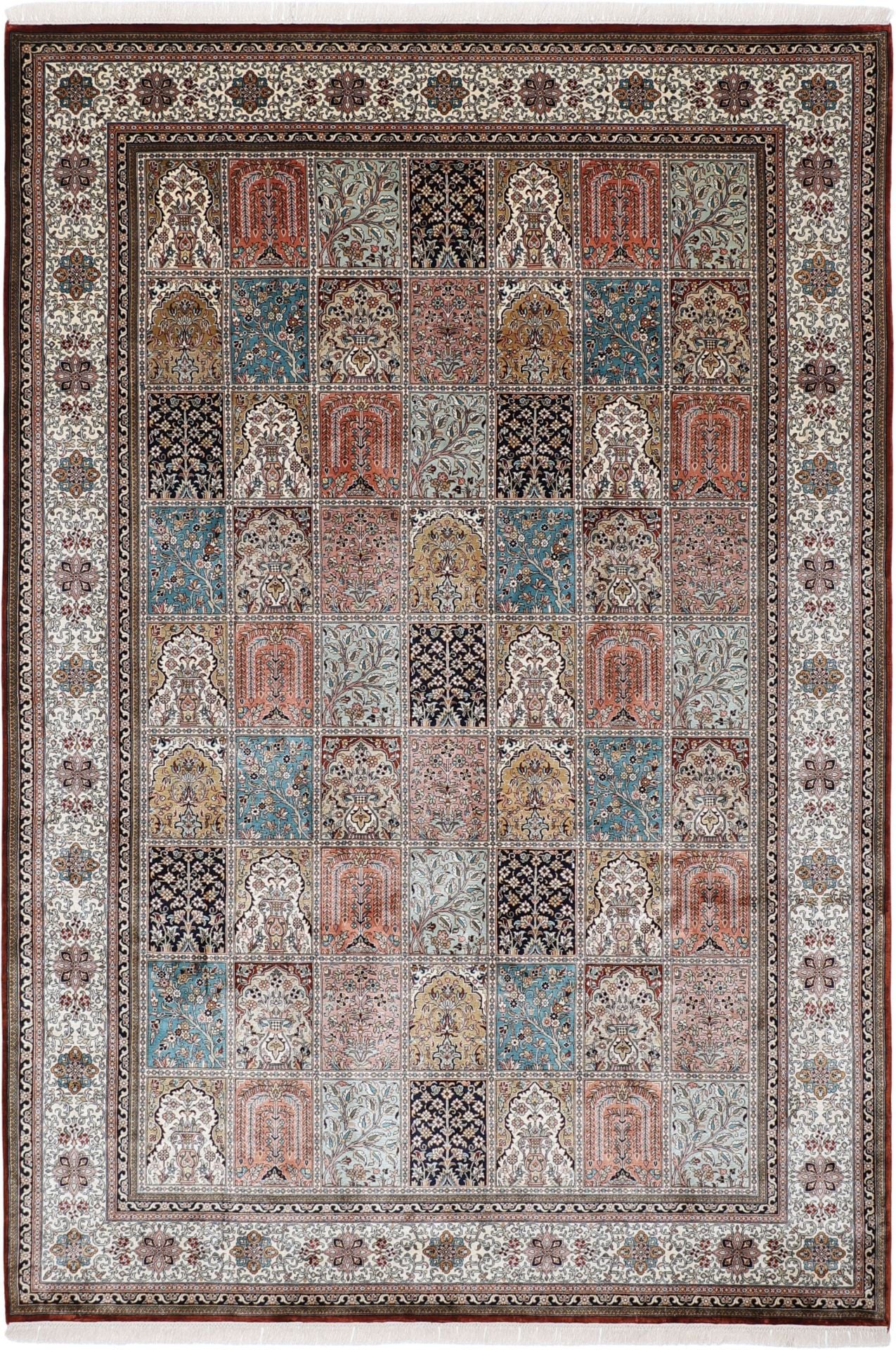
“Luxurious elegance: The fascination of cashmere silk carpets”
Introduction
Carpets aren't just floor coverings; they're works of art that add character and elegance to any room. Kashmir silk carpets are particularly fascinating, known for their luxurious texture and appealing aesthetics. In this article, we delve deeper into the world of carpets, specifically the unique qualities and characteristics of Kashmir silk carpets.
Cashmere and silk: A noble combination
What is cashmere?
Cashmere is one of the most expensive textile fibers in the world. It is obtained from the fine undercoat of cashmere goats that live in harsh high altitudes, primarily in Mongolia and Kashmir. The complex production process, which includes combing the goat hair, contributes to the exclusivity of this material. Cashmere is known for its warmth, softness, and breathability, making it a perfect material for high-quality rugs.
Properties of silk
Silk is another luxurious material, traditionally obtained from the cocoons of the silkworm. It is characterized by its natural luster, strength, and ability to vividly display colors. Silk rugs are also extremely lightweight, thus contributing to the elegant appearance of a room. The combination of cashmere and silk in one rug creates an unparalleled experience of softness and luster.
The production of Kashmir silk carpets
The creative process
The creation of a cashmere-silk rug is a creative process that requires both artistry and craftsmanship. First, the materials are selected – the finest cashmere and silk fibers are used to produce a rug of the highest quality. Then, the Designer various patterns and designs, often inspired by traditional motifs.
Handwoven works of art
A true Kashmir silk rug is typically woven by hand. This means each rug is a unique piece, requiring considerable time and effort to produce. This craftsmanship is a crucial factor that contributes to a rug's uniqueness and high price. Handwoven rugs are often more durable and stronger than machine-made rugs, making them a worthwhile investment.
The variety of designs
Traditional patterns
Kashmir silk rugs are available in a wide variety of designs, ranging from traditional patterns to modern interpretations. The most popular traditional patterns include floral motifs, geometric shapes, and complex borders. These designs are often inspired by centuries-old craft traditions and tell a story about the culture and region from which they originate.
Modern interpretations
In recent years have Designer They began creating modern interpretations of classic carpet designs. These carpets combine traditional techniques with innovative designs to create fresh and contemporary alternatives. This makes cashmere silk carpets attractive not only to antique lovers but also to modern living spaces.
Care and Maintenance
Cleaning the carpets
Proper care of cashmere silk rugs is crucial to maintaining their beauty and longevity. Because the material is delicate, you should proceed with care when cleaning. Vacuum the rug regularly using a low suction setting to remove dirt and dust. For stubborn stains, it's advisable to hire a professional cleaning service.
UV protection
Because silk is susceptible to discoloration from sunlight, it's important to protect your rug from direct sunlight. Avoid placing the rug in rooms where it will be constantly exposed to direct sunlight. Curtains or UV-blocking windows can help protect the delicate fiber.
The advantages of cashmere silk carpets
Luxurious feel
Cashmere silk rugs lay the foundation for a luxurious atmosphere. Their unparalleled softness and pleasant underfoot feel help create a sense of elegance and comfort.
Isolation skills
An often overlooked benefit of carpets, especially cashmere silk carpets, is their ability to retain heat. They help regulate room temperature and provide a comfortable warmth, especially during colder months.
Acoustic properties
Carpets contribute to improved acoustics by absorbing sound and reducing the noise level in a room. This is especially beneficial in large rooms or homes with hard flooring, creating a pleasant acoustic ambience.
Final section
Kashmir silk rugs are more than just decorative floor coverings; they are an expression of style, luxury, and craftsmanship. Their harmonious combination of cashmere and silk not only creates an appealing aesthetic but also offers outstanding functionality. Investing in a Kashmir silk rug means acquiring a piece of timeless elegance that can last for generations.
Choosing a rug should always be a careful decision. Whether you prefer a traditional or contemporary style, Kashmir silk rugs offer a variety of designs to suit your individual taste and interior design. Careful care and maintenance should be taken with the material's sensitivity to ensure its durability and preserve the beauty of this precious textile.
In conclusion: Invest in a cashmere-silk rug to add a touch of luxury to your home while creating a warm and inviting atmosphere. Each piece tells its own story and will become the centerpiece of your room.
FAQ
1. How much does a cashmere silk rug cost?
Prices for Kashmir silk rugs vary widely depending on size, design, and manufacturing process. Handwoven models often start at several hundred euros and can cost thousands. It's worth investing in quality, as such rugs are not only beautiful but also highly durable.
2. Where can I buy a cashmere silk rug?
Cashmere silk rugs are available in specialized rug shops, online stores, and luxury boutiques. Be sure to choose a trustworthy supplier who is transparent about the origin and quality of their products.
3. How often should I clean my cashmere silk rug?
It is recommended to vacuum a cashmere silk rug regularly, about once a week, to remove dust and dirt. A deeper cleaning should be done approximately every 1-2 years, and you should consider hiring a professional to ensure the rug is not damaged.