Artistic tradition: The fascinating world of Kyrgyz carpets
Artistic tradition: The fascinating world of Kyrgyz carpets
Introduction
Carpets are not just practical furnishings; they are also works of art that tell stories and reflect cultures. Particularly noteworthy are the carpets of Kyrgyzstan, which possess a long tradition and cultural depth. These special carpets are known not only for their ornate designs, but also for the techniques and materials used in their production. In this article, we will explore the fascinating world of Kyrgyz carpets, their history, the techniques, the materials used, and the role they play in Kyrgyz society.
History of Kyrgyz carpets
Carpet art in Kyrgyzstan has a long and rich history, dating back to nomadic societies. These societies were traditionally on the move and therefore needed wearable, yet functional, and beautiful textiles. Carpets were used not only as floor coverings, but also as wall hangings and even as blankets.
Nomadic culture and its influences
Kyrgyz carpet art is strongly influenced by the nomadic lifestyle. The Kyrgyz lived in yurts, a traditional and easily transportable tent that served not only as living space but also played a central role in family life. Carpets were therefore used not only to enhance living spaces but also for insulation and comfort.
Over the centuries, Kyrgyzstan's carpets have evolved and absorbed various cultural influences, both from neighboring peoples and through trade contacts with the Far East. These influences are evident today in the diverse patterns and designs of the carpets.
Carpet making techniques
Kyrgyz carpet making is a time-consuming process often passed down from generation to generation. The techniques and materials are deeply rooted in the culture, offering a variety of styles and designs.
Knotting techniques
One of the most fundamental aspects of carpet making is the knotting technique. Kyrgyz carpets are traditionally made using the symmetrical knotting method, which allows for the creation of complex and detailed patterns. This method requires considerable skill and patience and can take weeks or even months to complete a single carpet.
Dyeing techniques
Before knotting, the wool and other materials are dyed. Traditionally, the Kyrgyz used natural dyes from plants, minerals, and insects to achieve vibrant and long-lasting colors. These traditional dyeing techniques contribute to the uniqueness of each rug and are an essential aspect of their heritage.
material selection
The quality of the materials used has a significant influence on the final product. Most Kyrgyz rugs are made of sheep's wool, which is both durable and soft. However, some rugs also contain other materials such as goat hair or silk, which give the rugs a special texture and luster. The choice of wool is often influenced by climatic conditions and animal husbandry.
patterns and designs
The designs of Kyrgyz carpets are rich in symbolism and tradition. Each pattern has meaning and often tells a story. These designs are not only aesthetically pleasing but also reflect the worldview of the Kyrgyz people.
Traditional patterns
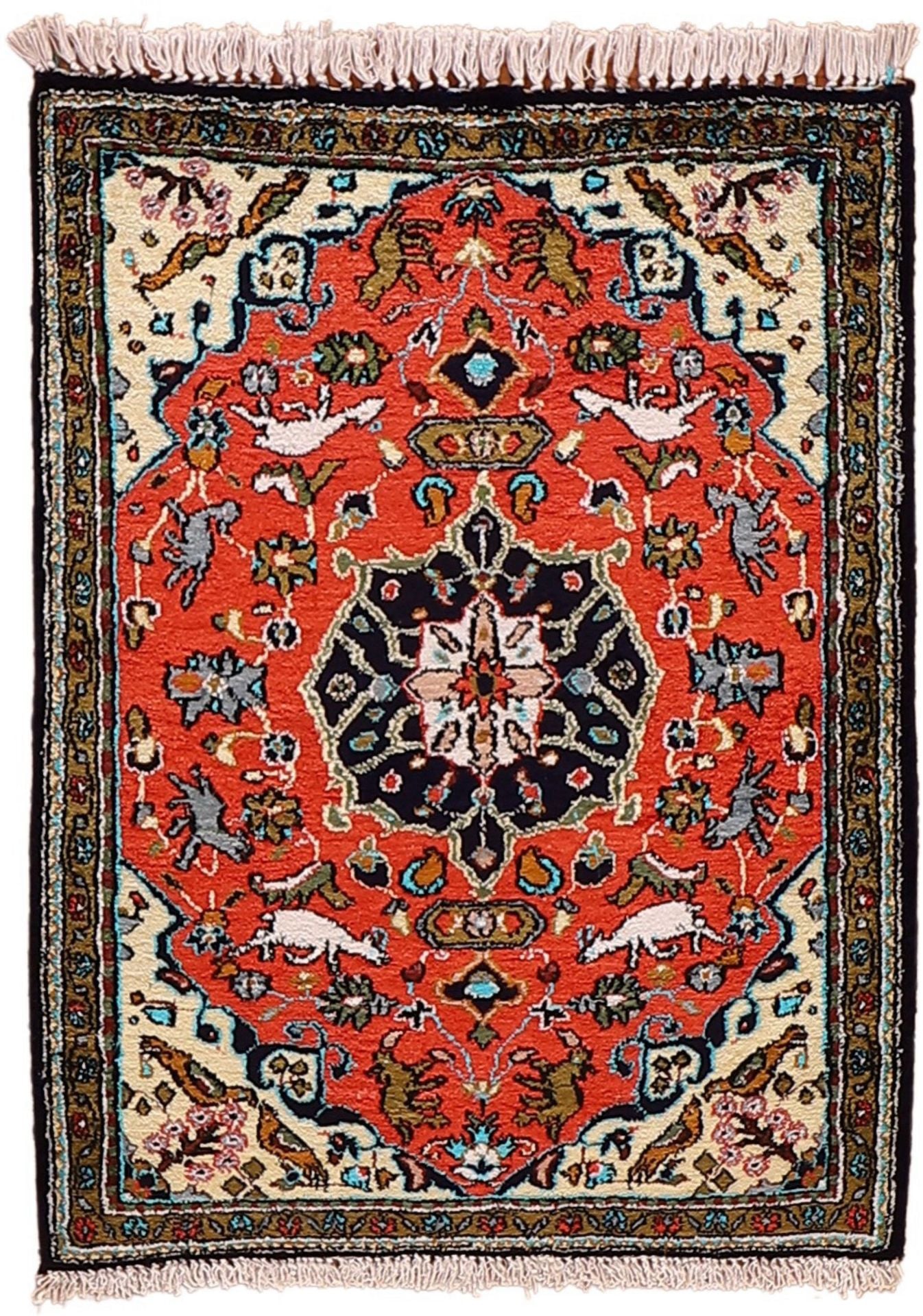
Traditional patterns range from geometric shapes to floral motifs. Typical designs include "Frey\":\"E" (animal passages), "Tööl" (animals such as sheep and horses), and many others that often depict the daily life of the Kyrgyz.
Modern interpretations
In recent years, several artists and Designer determined to reinterpret traditional carpet designs, these modern versions often use bold colors and contemporary patterns to appeal to younger generations and give the carpets renewed relevance.
The role of carpets in Kyrgyz culture
Carpets are not just decorative items; they also have profound social and cultural significance. They are used in various life situations, from weddings to funerals.
Symbol of hospitality
In Kyrgyz culture, rugs are closely linked to the concept of hospitality. It's a tradition to offer rugs to guests to create a warm and welcoming space. This act of conviviality is often accompanied by traditional Kyrgyz pastries and tea.
Rituals and ceremonies
Carpets play a central role in many rituals and ceremonies. Special carpets are often used at weddings to honor the bride and groom. These carpets may be decorated with specific symbols and patterns representing fertility, happiness, and prosperity.
Transmission of the legacy
The tradition of carpet making is often passed down within families. Many women learn how to knot, dye, and design carpets from older generations. This knowledge is considered part of the cultural heritage and contributes to the preservation of Kyrgyz identity.
Care and preservation of Kyrgyz carpets
Since Kyrgyz rugs are often handmade and made from high-quality materials, their care is of utmost importance. Here are some tips for care and maintenance:
Regular cleaning
It's important to clean carpets regularly to remove dust and dirt. Use a vacuum cleaner with a soft brush to avoid damaging the fibers.
Stain treatment
If stains occur, it's advisable to treat them immediately. Use a slightly damp cloth and mild soap to gently dab the stain. Avoid harsh chemicals, as these can damage the material.
Professional cleaning
A professional cleaning once a year can help maintain the fibers and refresh the colors. This is especially important for Vintage-Carpets that require special care.
Final section
Kyrgyz rugs are more than just decorative elements in a room; they are an expression of a rich culture and tradition. Their production requires skill, passion, and dedication and contributes to the preservation of Kyrgyz heritage. Each piece tells a story deeply rooted in the people's history and is passed down from generation to generation. When you choose a Kyrgyz rug, you are not only acquiring a piece of craftsmanship, but also a part of Kyrgyzstan's fascinating history and culture.
FAQ section
1. How do I recognize an authentic Kyrgyz carpet?
An authentic Kyrgyz rug is often hand-knotted and uses high-quality materials such as sheep's wool or goat hair. Pay attention to the knotting methods and the quality of the dyes—natural dyes generally produce more vibrant colors than synthetic ones.
2. Are Kyrgyz carpets easy to care for?
Yes, Kyrgyz rugs are relatively easy to care for, but they do require regular cleaning and occasional professional care. Regular vacuuming and proper stain management will contribute to the longevity of the rug.
3. Where can I buy Kyrgyz carpets?
Authentic Kyrgyz carpets can be purchased from specialized online stores, art fairs, or directly from craft fairs. It is advisable to use certified dealers to ensure authenticity.