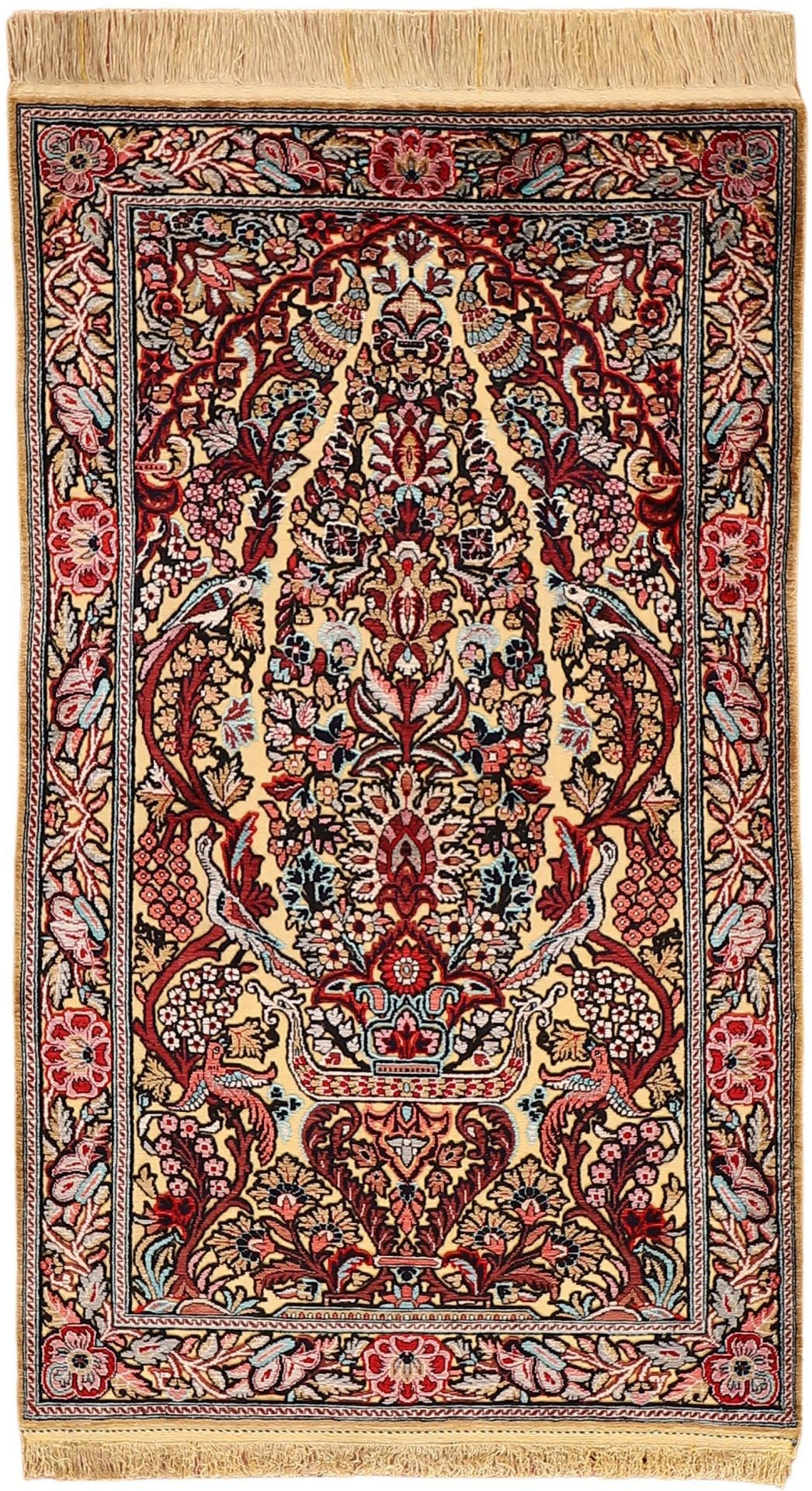
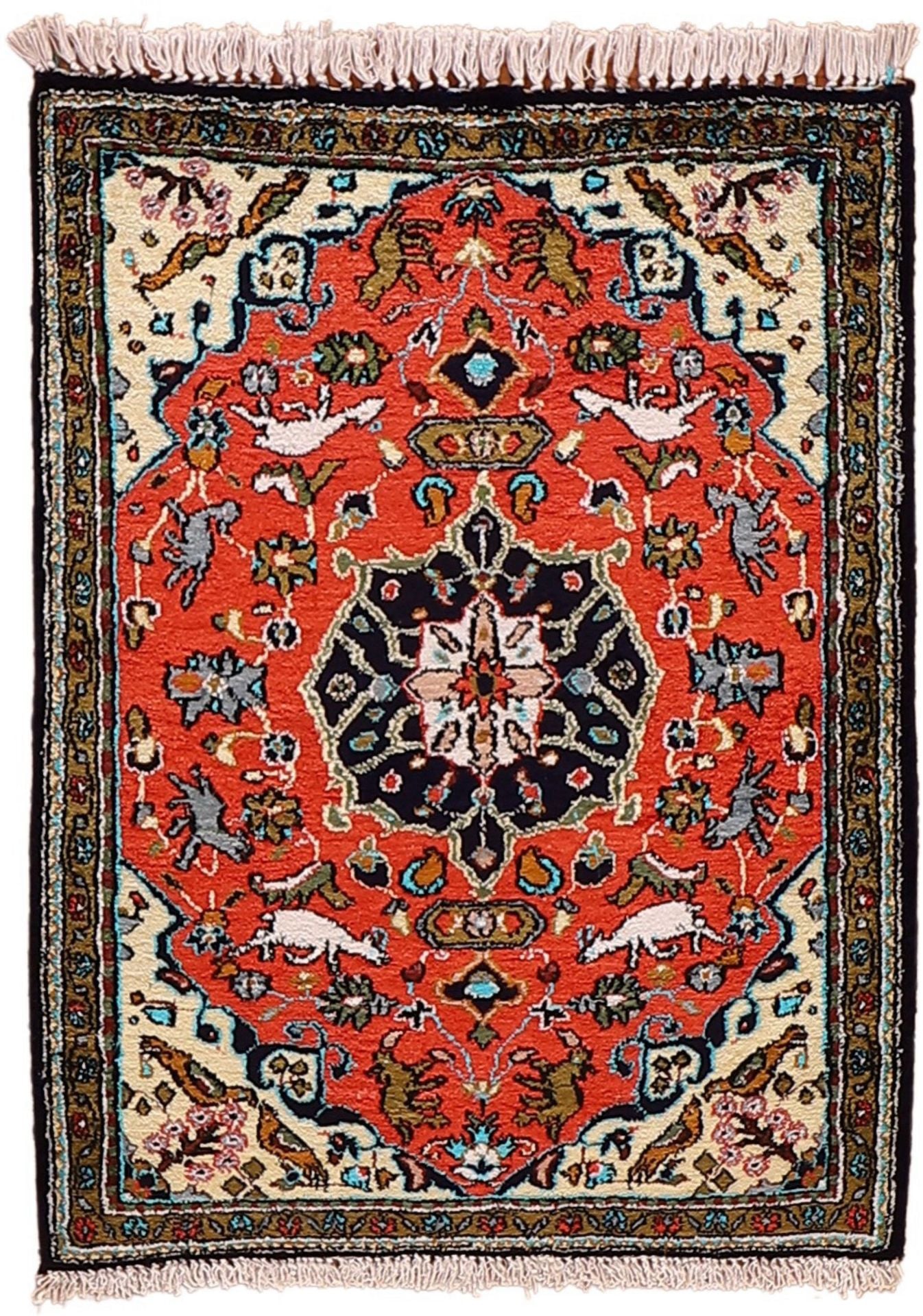
Art of Mobility: The Fascination of Nomad Carpets and Their Ethnic Diversity
The Art of Mobility: The Fascination of Nomad Carpets and Their Ethnic Diversity
Carpets are not just floor coverings; they are an expression of culture, identity, and history. Nomad carpets, in particular, are fascinating for their ethnic diversity and the intricate craftsmanship that goes into their production. Their uniqueness and functionality embody the nomadic way of life and the art of mobility that has characterized these peoples for centuries. In this article, we will explore the diversity, production methods, and cultural significance of nomad carpets.
The origin of Nomad carpets
Nomad rugs have their roots in various parts of the world, particularly in regions such as Central Asia, the Middle East, North Africa, and parts of the Indian subcontinent. These rugs are often created by wandering or nomad communities who follow the rhythms of nature and the seasons. The production of these rugs is closely linked to the traditions, histories, and daily lives of nomadic peoples.
The production and design of carpets varies enormously between different ethnic groups. Some of the best-known nomadic peoples famous for their carpets are the Tuareg in the Sahara, the Kazakhs in Central Asia, and the Berber in North Africa. Each of them brings their own designs, colors and techniques to the art of carpet making, resulting in a fascinating diversity.
The technique of carpet production
The production of Nomad rugs is a complex and time-consuming process that is often passed down from generation to generation. Traditionally, the rugs are woven by hand, and the materials used vary depending on the region and availability. Sheep's wool is the most commonly used material, as it is both durable and warm. Camel hair or even cotton are sometimes used.
The weaving process itself is a formidable craft that requires skill and experience. The loom, which is often simple and mobile, allows weavers to create their rugs anywhere. They often use geometric patterns and bright colors that have symbolic meanings. These patterns tell stories inspired by the life, nature, and religious beliefs of the respective culture.
The cultural significance of Nomad carpets
For nomadic communities, rugs are far more than just everyday objects. They are also an expression of cultural heritage and social status within the community. In many cultures, rugs are used on special occasions, such as weddings or festivals, and play an important role in the celebrations.
Carpets also serve as mobile "homes," providing comfort and protection as they travel through different regions. This makes them an indispensable part of the daily life and traditions of nomadic peoples. Furthermore, carpets are often offered as gifts or as an expression of hospitality, making them an important part of social interactions.
The different types of Nomad carpets
The diversity of Nomad rugs is reflected in the different styles and techniques developed in different regions. Here are some notable types of Nomad rugs:
1. Berber Carpets
Berber Carpets originate from North Africa, especially from the Berber-tribes in Morocco. They are known for their vibrant colors and geometric patterns. Often made from sheep's wool, they are characterized by their simplicity and functionality. Berber Carpets have deep cultural significance and convey the stories and traditions of the people.
2. Kazakh carpets
Kazakh carpets originate from Central Asia and are often decorated with intricate patterns inspired by the geography and daily life of the Kazakh people. Typically made of wool, they are characterized by their durability and the use of vibrant colors. The Kazakh carpet is not only a work of art, but also a symbol of the identity and pride of the Kazakh people.
3. Turkmenische carpets
The TurkmenThe Genoa, a nomadic people in Central Asia, are known for their exquisite carpets. These are often decorated with intricate motifs and animal depictions. TurkmenIslamic carpets play an important role in daily life and possess a rich symbolism connected to the history and culture of the region. turkmenis connected to the isch people.
4. Tuareg carpets
The Tuareg are a nomadic people living in the Sahara. Their carpets are often dark colors with bright, contrasting patterns. These carpets are not only works of art, but also functional objects that provide insulation and warmth. Tuareg carpets are testaments to the resilience and adaptability of their wearers to the harsh conditions of the desert.
Fascination of ethnic diversity
The ethnic diversity of Nomad rugs is a fascinating subject, encompassing numerous aspects of human creativity and cultural identity. Each pattern and color choice tells a distinct story and reflects the cultural influences, traditions, and lifestyle of each community. These rugs are not only artisanal products, but also valuable cultural artifacts.
The meanings of designs and colors are often deeply rooted in the history and belief systems of the respective peoples. The use of certain patterns, for example, can symbolize beliefs in spirituality or a connection with nature. Colors, in turn, can express certain emotions or cultural values. This channeling of art and culture through aesthetics is one of the most impressive facets of Nomad rugs.
Sustainability and Tradition
Another aspect of the appeal of nomad rugs is their focus on sustainability and the use of local materials. Many nomadic communities use environmentally friendly and sustainable practices in rug production. The wool is often cleaned and dyed without harmful chemicals, giving the rugs a natural and ecological feel.
By maintaining traditional weaving techniques and promoting local craftsmanship, nomadic communities contribute to the preservation of cultural heritage and the environment. Purchasing and appreciating these rugs supports not only the artists but also their communities and their struggle for survival.
The modern view of Nomad carpets
Today, Nomad rugs are also enjoying great popularity in Western countries. Interior designers and design enthusiasts appreciate their authenticity, color combinations, and variety of patterns. Nomad rugs not only fit perfectly into modern interior design concepts, but also bring a touch of history and cultural depth to living spaces.
In the world of interior design, Nomad rugs are often used as stylish and unique accents in various spaces. They offer a wonderful way to incorporate ethnic diversity and cultural heritage into one's home while honoring the craftsmanship and traditions of these communities.
Conclusion
The fascination of Nomad rugs goes far beyond their beauty and functionality. They are full of stories passed down from generation to generation. Nomad rugs not only touch hearts, but also connect cultures and generations. Their craftsmanship, colors, and patterns are living witnesses to a tradition-rich, nomadic way of life.
When you incorporate a Nomad rug into your home, you not only bring a piece of history with you, but you also support the traditions and cultures behind this art form. The beauty and cultural depth of Nomad rugs make them a wonderful addition to any home and a treasured heirloom for future generations.
FAQ
How do I properly clean a Nomad carpet?
Caring for a Nomad rug is important to preserve its beauty. Vacuum the rug regularly to remove dust and dirt. If stains occur, act immediately and gently dab the rug with a damp cloth. Avoid harsh cleaning agents, as these can damage the colors and wool.
Where can I buy an authentic Nomad rug?
Authentic Nomad rugs can be found in specialized stores or online shops that specialize in handmade products from ethnic communities. When purchasing, make sure the rugs are sourced locally to ensure they can truly be considered Nomad rugs.
How do I distinguish between real and fake Nomad rugs?
The difference between real and fake Nomad rugs often lies in the quality of the materials and workmanship. Genuine hand-made rugs are characterized by irregular patterns and natural colors, while machine-made rugs are overly perfect and usually dyed with chemical dyes. An examination of the materials and origin will help you determine a rug's authenticity.