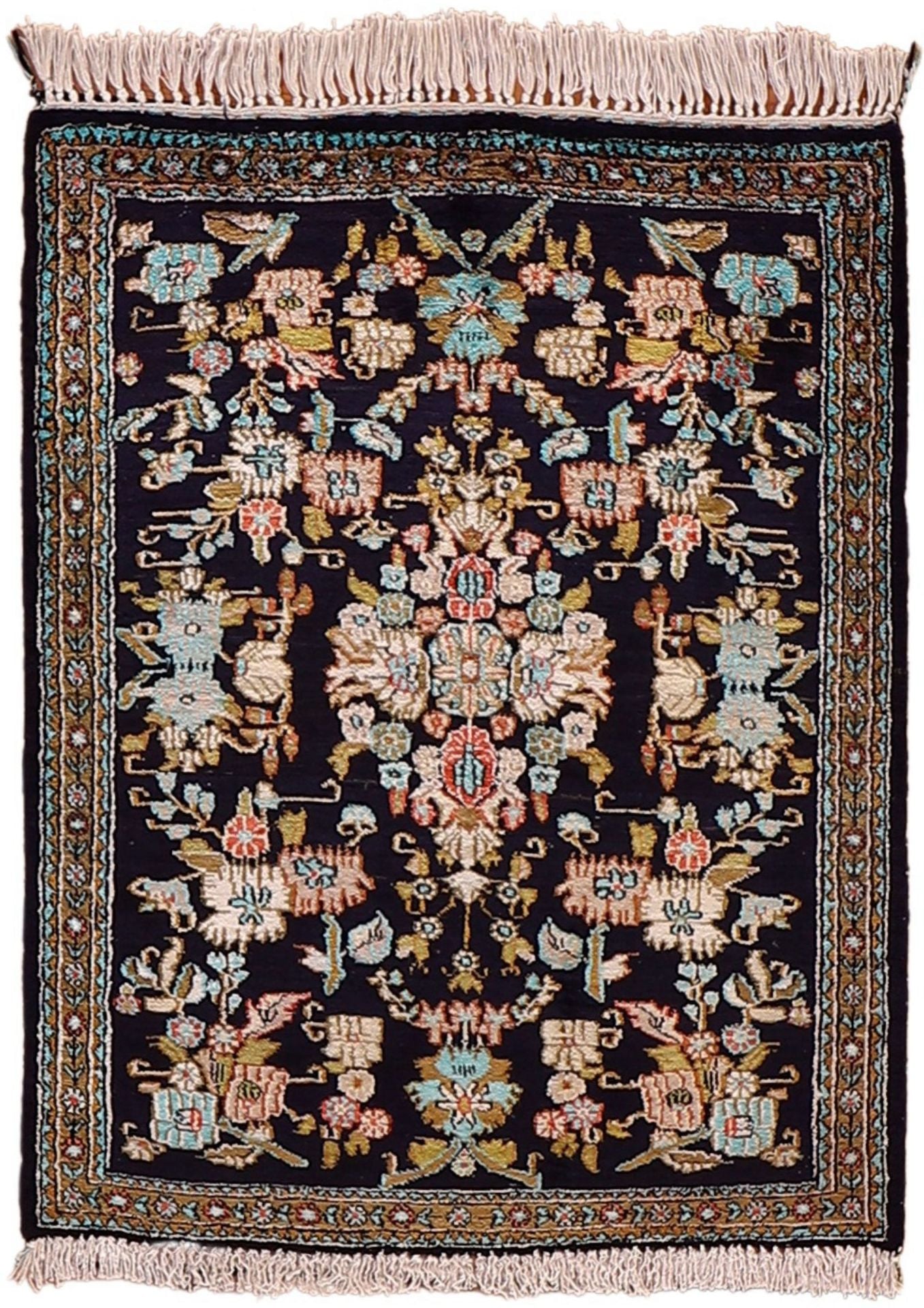
Cultural diversity underfoot: The fascination of ethnic patterns in carpets
Cultural diversity underfoot: The fascination of ethnic patterns in carpets
Rugs are far more than just home accessories; they are an expression of culture, history, and craftsmanship. Rugs with ethnic patterns, in particular, capture the essence of different cultures and bring a variety of styles, colors, and stories into our spaces. In this article, we'll delve deeper into the allure of ethnic patterns in rugs, explore the cultural significance behind the designs, and offer tips on how to incorporate these special pieces into your home.
The origin of the ethno patterns
The roots of ethnic patterns lie in the world's diverse cultures, which have developed impressive techniques and designs over centuries. These patterns are often inspired by the histories and traditions of the respective cultures. In many cases, they represent familial or regional affiliation and are a sign of identity and pride.
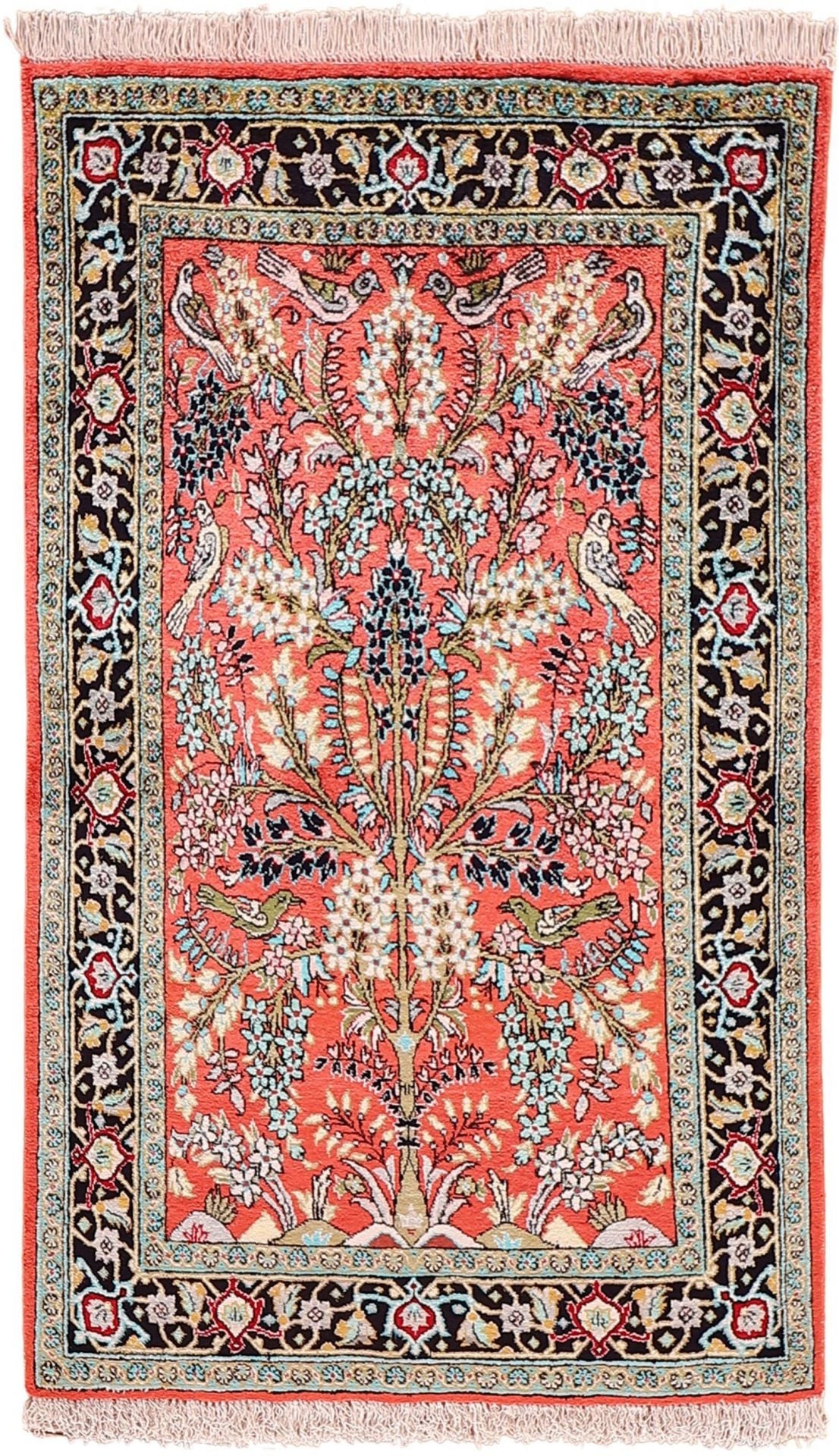
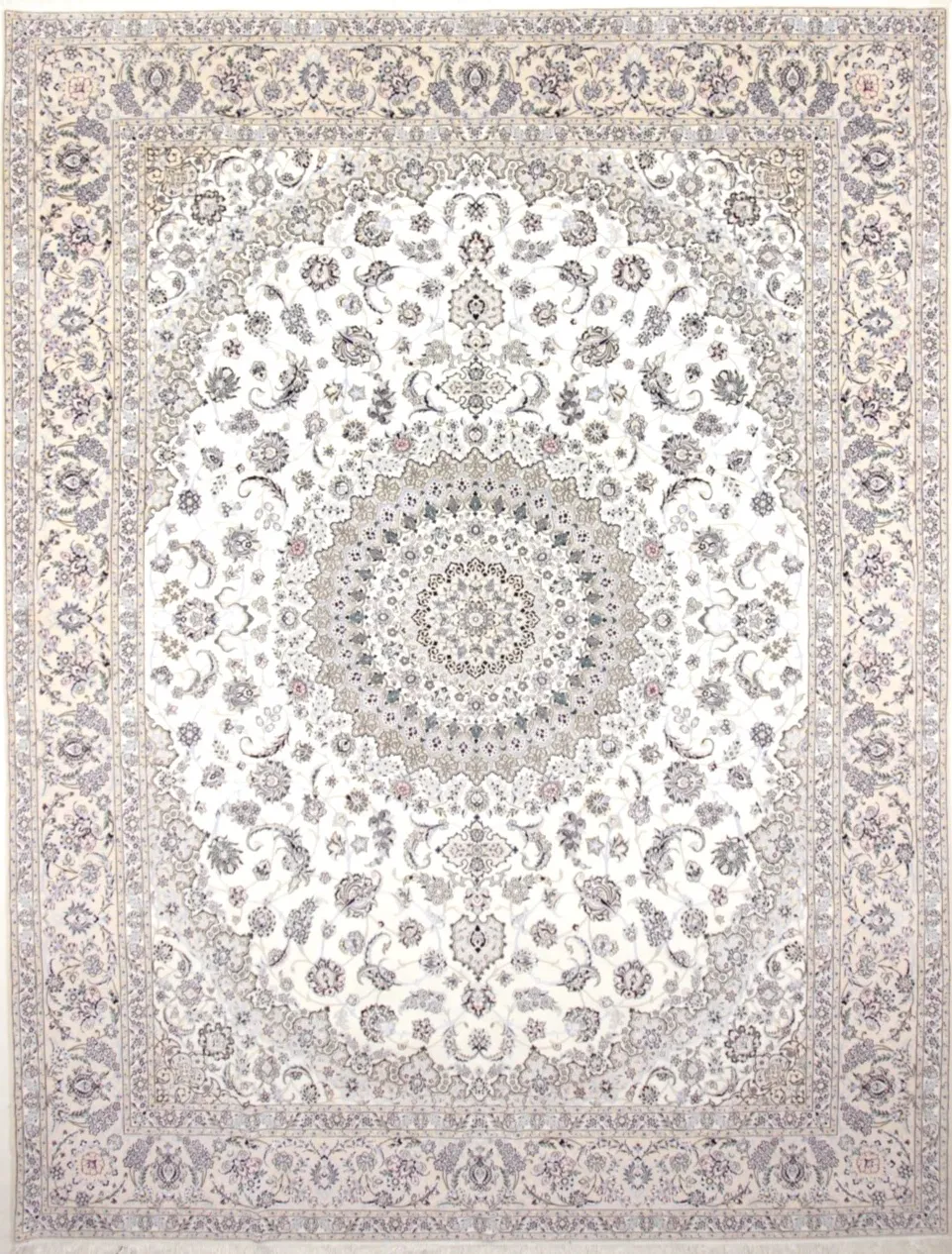
Oriental rugs: Oriental rugs are particularly well-known, their designs deeply rooted in the history of the Middle East and Central Asia. The patterns often depict nature, religion, or social structures and are usually rendered in vibrant colors.
African rugs: These rugs are known for their geometric patterns and vibrant colors, which often possess ritual or symbolic meanings. They reflect the diversity of African cultures and are available in many different styles and textures.
- Indigenous carpets: Many cultures around the world—from Native Americans to the Aboriginal peoples of Australia—have rugs with unique patterns that tell stories and mythology. These designs are often handcrafted and reflect the craftsmanship and heritage of their respective communities.
Ethnic patterns and their symbolism
The various designs in ethnic rugs are not only aesthetically pleasing; they also carry deeper meanings. Many motifs are based on centuries-old symbolism that is a rich source of meaning in the respective cultures.
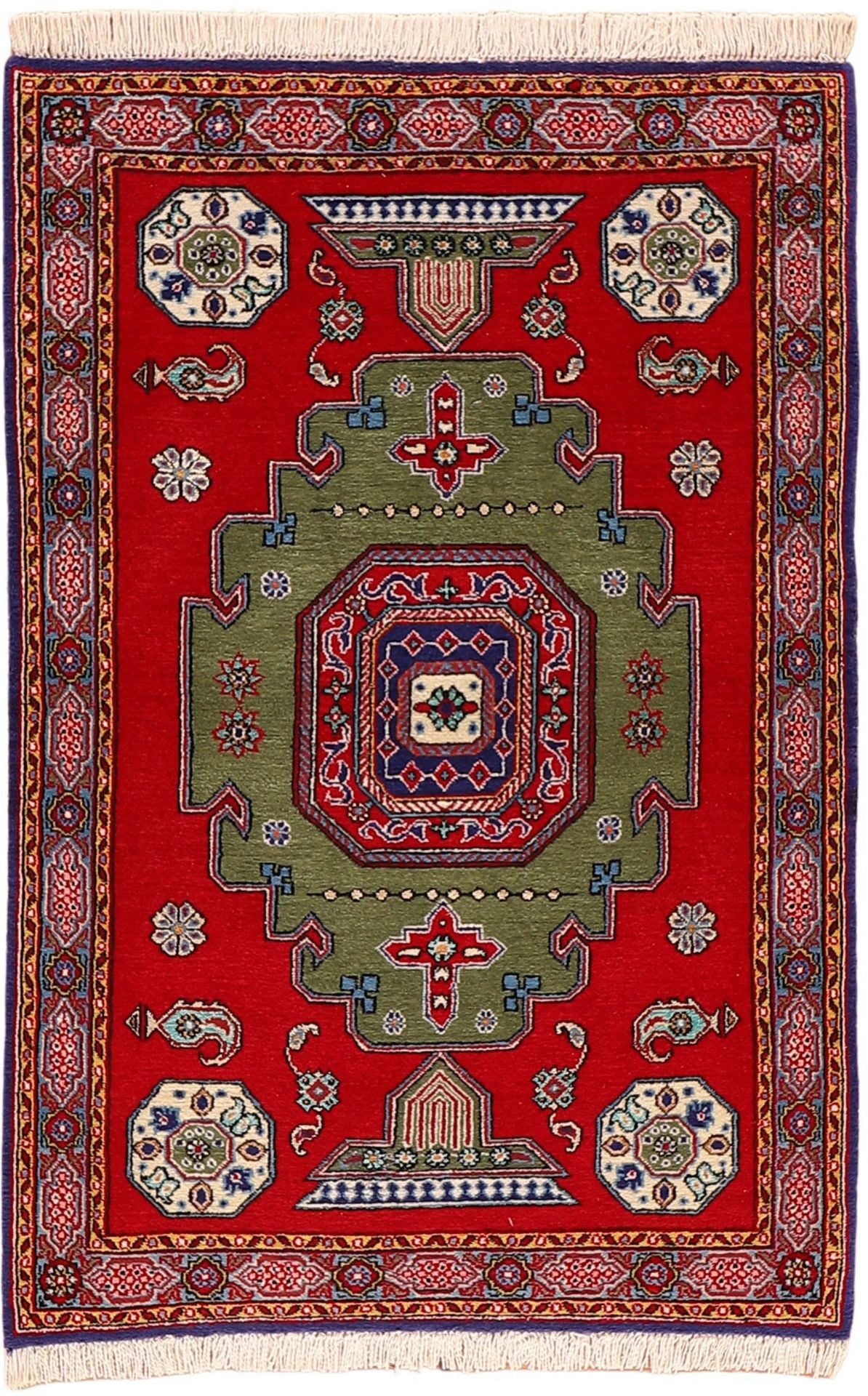
Geometric shapes: These can be found in many cultures and often represent harmony, order, and balance. In Islamic art, for example, geometric patterns are widespread and represent infinity and the divine.
Nature symbolism: Many ethnic rugs use motifs inspired by nature, such as flora and fauna. These symbols can represent fertility, growth, and the interaction between humans and nature.
- Cultural stories: Often, the patterns reflect stories from a people's mythology or history. These narratives are an important part of their cultural heritage and identity.
The production of ethnic carpets
Ethnic rugs usually have a long history of craftsmanship. The production of these rugs is often a laborious process passed down from generation to generation. It requires a great deal of skill, patience, and creativity.
Materials
The materials used to make ethnic rugs vary by region. Traditionally, they are made from natural fibers such as wool, cotton, and silk. The use of natural dyes is also common to ensure sustainable and vibrant coloring.
Techniken
Different regions also have different carpet making techniques:
Knotting: This technique can be found in many oriental carpets and requires a lot of skill, as each knot must be carefully placed to create the desired pattern.
- Woven carpets: Another technique involves weaving the rugs, with the patterns woven into the fabric. This method often offers a completely different texture and design option.
The role of ethnic carpets in modern interior design
In recent years, interest in ethnic patterns has increased, and they have become a popular trend in interior design. These rugs bring character, color, and a unique touch to any room.
Accentuation
Ethnic rugs can serve as focal points in a room. For example, a colorful round rug with geometric patterns can liven up a neutral seating area or draw the eye when used in a minimalist design.
Warmth and comfort
In addition to their decorative value, ethnic rugs also provide a warm and inviting atmosphere in any room. The use of textiles in different materials and textures helps create a cozy environment.
Tips for choosing and caring for ethnic rugs
When choosing an ethnic rug, you should consider a few aspects:
Colors and patterns: Consider which colors will complement your existing interior design style. Ethnic rugs are available in a wide variety of colors and designs.
Size: Measure the room and consider where the rug will be placed. Keep in mind that the rug should be large enough to cover the desired area.
- Material: Pay attention to the quality of the material. Natural fibers are often more durable and offer better aesthetics.
Care
To preserve the beauty and longevity of your ethnic rug, you should follow a few simple care instructions:
Regular cleaning: Vacuum the carpet regularly to remove dirt and dust. Be careful not to lower the vacuum cleaner bristles too far to avoid damaging the material.
Quick stain removal: Stains should be treated immediately. Use a damp cloth and mild detergent. Ensure the carpet dries completely to prevent mold growth.
- Professional cleaning: It may be a good idea to have your carpet professionally cleaned from time to time to ensure it remains in good condition.
Conclusion
Ethnic patterns in rugs are more than just decoration; they are a window into the world of different cultures and histories. By incorporating these unique pieces into your home, you can not only add a touch of exoticism but also experience a part of the rich history and traditions of different peoples within your own four walls.
Whether you opt for a hand-knotted Persian rug, an African rug Kelim Whether you choose a North American Navajo rug or something else, each piece has its own story and meaning. Let yourself be inspired by the variety and possibilities that ethnic rugs offer, and bring cultural diversity and warmth into your home.
FAQ
1. How can I ensure that I am buying an authentic ethnic rug?
Pay attention to certifications and the country of origin of the rug. Check whether the piece is handmade, which is often noticeable by the irregularities in the design. Work with trusted dealers or directly with manufacturers in regions known for their rug production.
2. How can I choose the right pattern for my room?
Consider the existing colors and styles in your space. For a minimalist room, bold and complex patterns can create a beautiful contrast, while simpler designs will stand out better in an already colorful space.
3. Where can I buy ethnic rugs?
Ethnic rugs are available in specialized rug shops, craft markets, or online stores. Pay attention to return policies and customer reviews to ensure you're getting a high-quality rug.