KermanA fascinating jewel of Iran – culture, history and scenic diversity
carpets off KermanA fascinating jewel of Iran – culture, history and scenic diversity
Carpets are more than just floor coverings – they are living testaments to culture and history, woven into the soul of a country. This is especially true of carpets from KermanThe city of Isaiah in Iran is a fascinating example of the rich tradition of carpet weaving. In this article, we will delve into the culture, history, and scenic diversity of the region. Kermanto examine those who shaped these extraordinary carpets.
The history of Kerman and their carpet tradition
The beginnings of carpet art in Kerman
Kerman It has a long and varied history dating back to antiquity. This region has been the scene of countless cultural and political upheavals, which have also influenced carpet making. Carpet production in Kerman dates back at least to the 15th century, when the city was an important trading center, often cited as a hub for the silk and spice trade.
The carpets of this region were originally intended for the local population's own use, but quickly developed into an important export product. This led to a lively exchange of ideas, styles, and techniques, resulting in Kerman became a center for carpet manufacturing.
The influences on carpet art
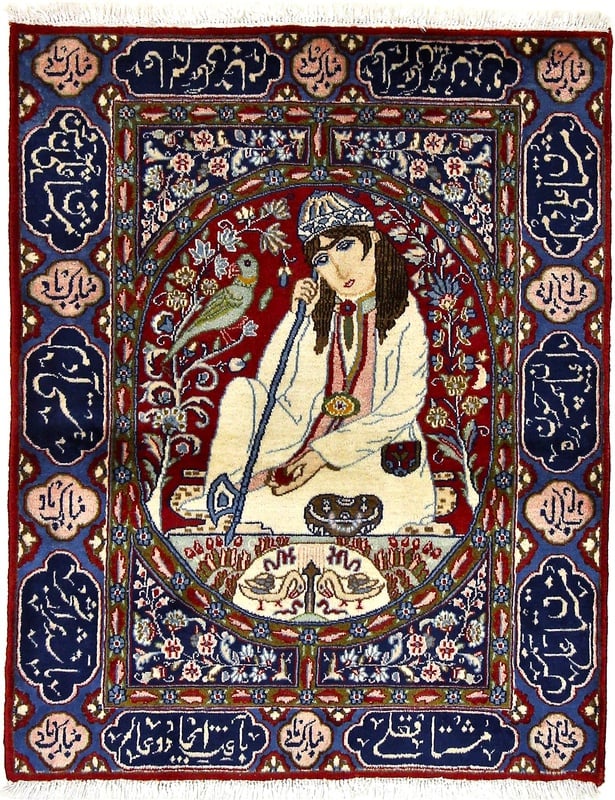
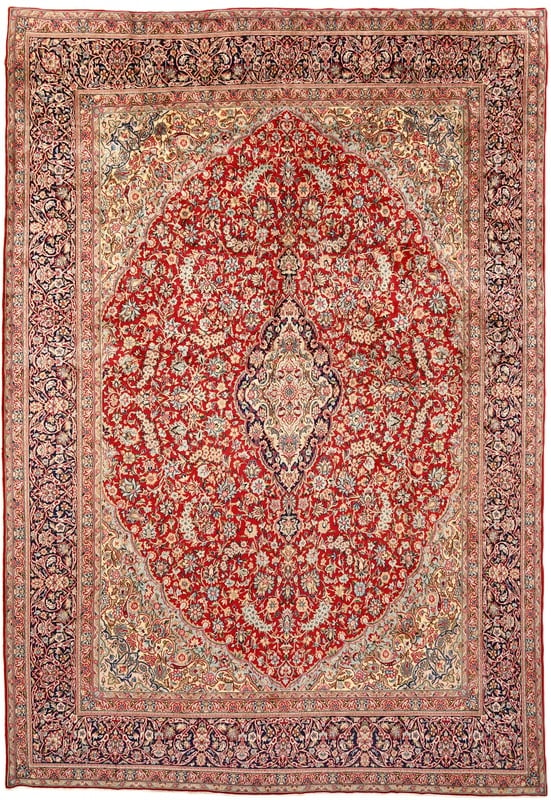
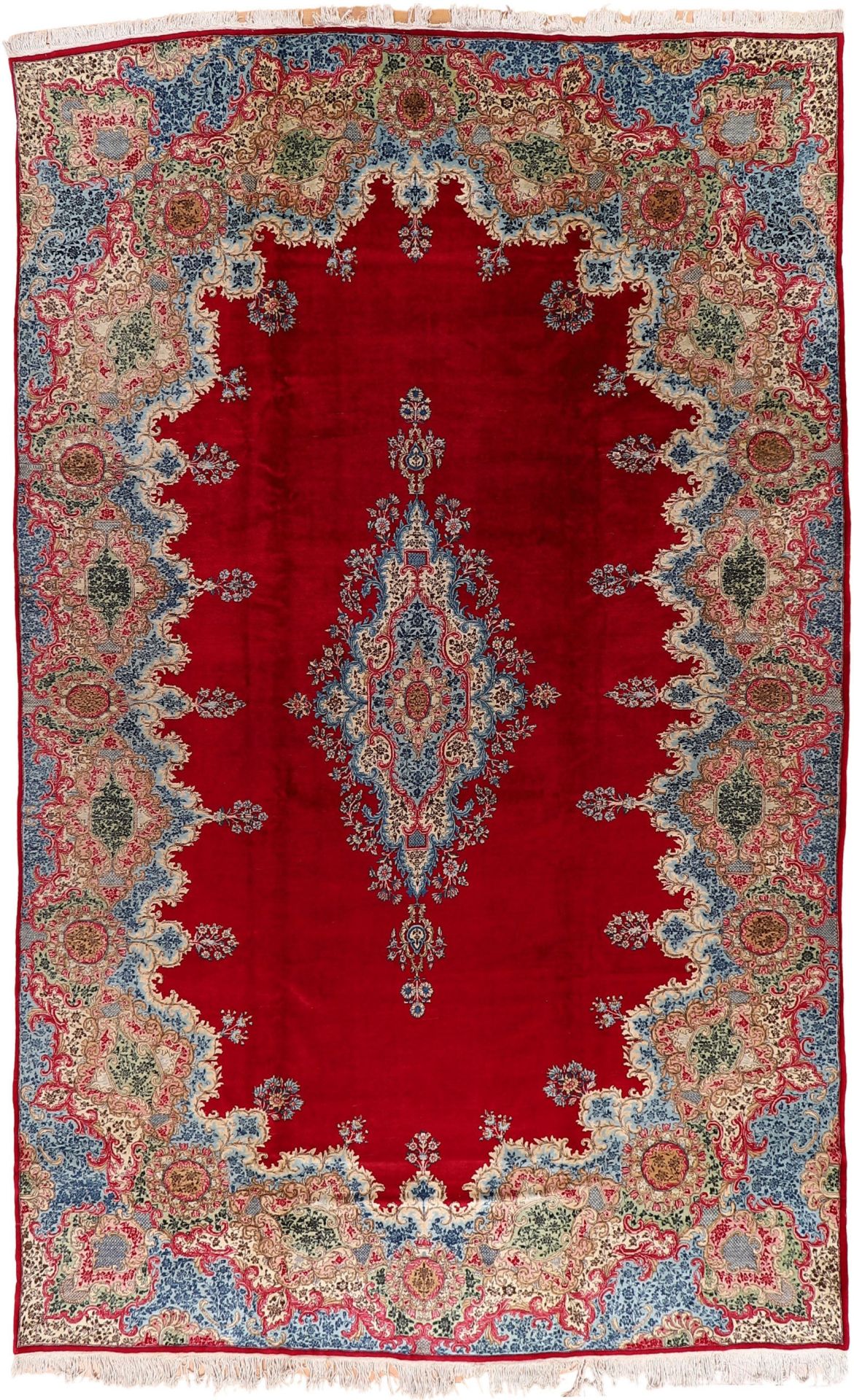
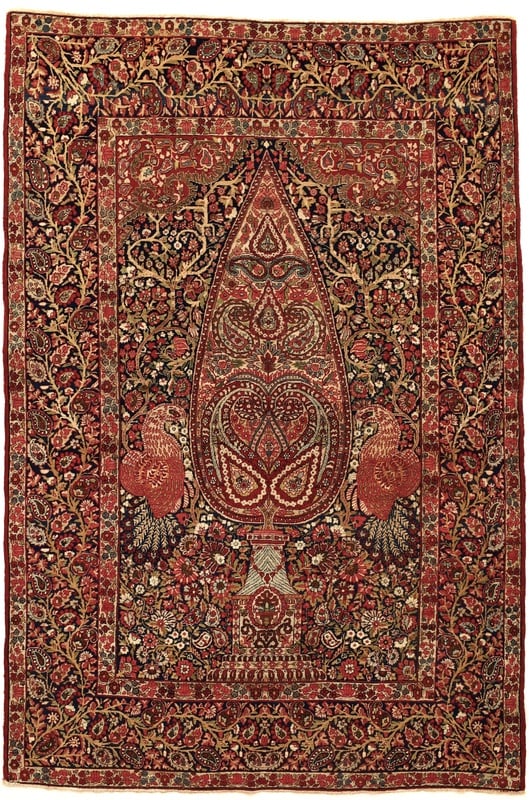
The art of carpets in Kerman It is characterized by its diversity and complexity. Various influences, including Persian, Arabic, and Turkish traditions, flowed into the carpet design. KermanCarpets often feature geometric patterns, floral motifs, and rich colors that reflect the region's diverse landscape.
The combination of high-quality materials, outstanding craftsmanship, and creative designs ensured that KermanThese carpets were not only appreciated in Iran, but also internationally. They are a symbol of the artistry, craftsmanship, and cultural identity of the region.
The cultural significance of carpets in Kerman
Carpets as works of art
In Kerman Carpets are not considered mere furnishings, but works of art, often passed down from generation to generation. The art of carpet weaving is a respected tradition deeply interwoven with the region's cultural heritage. Many families in Kerman have dedicated themselves to carpet making for centuries.
Every carpet weaver has her own technique and style, shaped by personal influences and cultural background. This individuality makes Kerman- Carpets unique and of high value.
The symbolic value of the carpets
carpets off Kerman They also have symbolic value. They not only represent the region's prosperity and craftsmanship, but are also part of traditional Iranian hospitality. In Iranian culture, it is considered polite to welcome guests with a beautiful carpet, as it both beautifies the room and reflects the hosts' cultural heritage.
The landscape diversity Kermans
The geographical location
Kerman It lies in the southeastern Iranian highlands and is surrounded by an impressive diversity of landscapes. The city is bordered by the majestic Zagros Mountains and the Kerman-flanked by desert. This unique geography not only creates a subtle climate that is reflected in the materials and colors used in the carpets, but also influences the availability of raw materials.
The flora and fauna
The rich flora and fauna KermanThis inspires carpet artists to create diverse patterns and designs. The colors of the carpets are often bright and intense, inspired by the flowering plants native to this region. The mountain landscapes and deserts offer a wealth of hues, ranging from soft earth tones to bold colors.
The production of carpets in Kerman
raw materials and materials
The quality of the materials is a crucial factor in the value of a carpet. Kerman Natural materials such as wool, silk, and cotton are preferred. The wool usually comes from sheep raised in the region and is known for its durability and softness. Silk is often used for luxury carpets, giving them a special sheen.
techniques and styles
The carpet knotting technique in Kerman Carpet weaving is diverse and varies depending on the region and tradition. The most common techniques are high-knot and flat-knot. High-knot carpets are characterized by their density and complexity, while flat-knot carpets are often lighter and thinner. The designs are equally varied: from geometric shapes and floral patterns to complex scenes from Persian mythology.
The care of Kerman-carpets
Cleaning and care
To preserve the beauty and longevity of KermanTo ensure the health of your carpets, regular maintenance is essential. Vacuuming is one of the simplest and most effective methods for removing dirt and dust from the carpet surface. Using a vacuum cleaner with a brush attachment is recommended to avoid damaging the fibers.
Professional cleaning
Occasional professional cleaning is also advisable, especially for stains or intensive cleaning. Professionals can use special techniques and products to clean the carpet while preserving its colors and textures.
Kerman-Carpets in modern interiors
Stylistic diversity and integration
The timeless beauty of KermanCarpets are a popular element in modern living spaces. Whether in classic or contemporary settings, their intricate patterns and vibrant colors can be integrated beautifully. KermanCarpets are not just decorative elements, but also contribute to the coziness and character of a room.
Sustainability and ethics
In a time when sustainability and ethical production are becoming increasingly important, hand-knotted carpets made from Kerman An environmentally friendly alternative to machine-made carpets. Because they are made from natural materials and often handcrafted, they contribute KermanCarpets contribute to a responsible and sustainable living environment.
Final section
carpets off Kerman They are more than just floor coverings; they are an expression of the rich history, culture, and landscape of this fascinating region in Iran. Their individual designs, the high level of craftsmanship of the weavers, and the use of high-quality materials distinguish them and make them a highly sought-after furnishing element. If you are looking for a KermanIntegrating a carpet into your home not only brings a piece of Iranian culture into your life, but also creates a warm and inviting atmosphere steeped in tradition and craftsmanship.
FAQ section
1. How do I recognize a genuine one? Kerman-Carpet?
Pay attention to the manufacturing method: Hand-knotted KermanHand-carved carpets have an irregular structure and are often heavier than machine-made carpets. The quality of the materials is also an indicator. Genuine wool or silk feels soft and pleasant, while synthetic materials appear less luxurious. Furthermore, authentic carpets... KermanCarpets often have a signature or label from the manufacturer.
2. How do I care for my Kerman-Carpet, right?
To extend the lifespan and beauty of your KermanTo maintain your carpet, it should be vacuumed regularly to remove dust and dirt. For stains, special carpet cleaners and gentle cleaning techniques are recommended. A professional cleaning once a year can be beneficial for intensive carpet care.
3. Are KermanAre carpets a good investment?
Yes, KermanCarpets are often an excellent investment. Due to their craftsmanship and the use of durable materials, they generally retain their value. Furthermore, they can bring joy for generations and represent a piece of cultural history in your home.
KermanCarpets are a link between past and present, tradition and modern life, and they remind us that even in the 21st century the art of carpet weaving has lost none of its fascination.