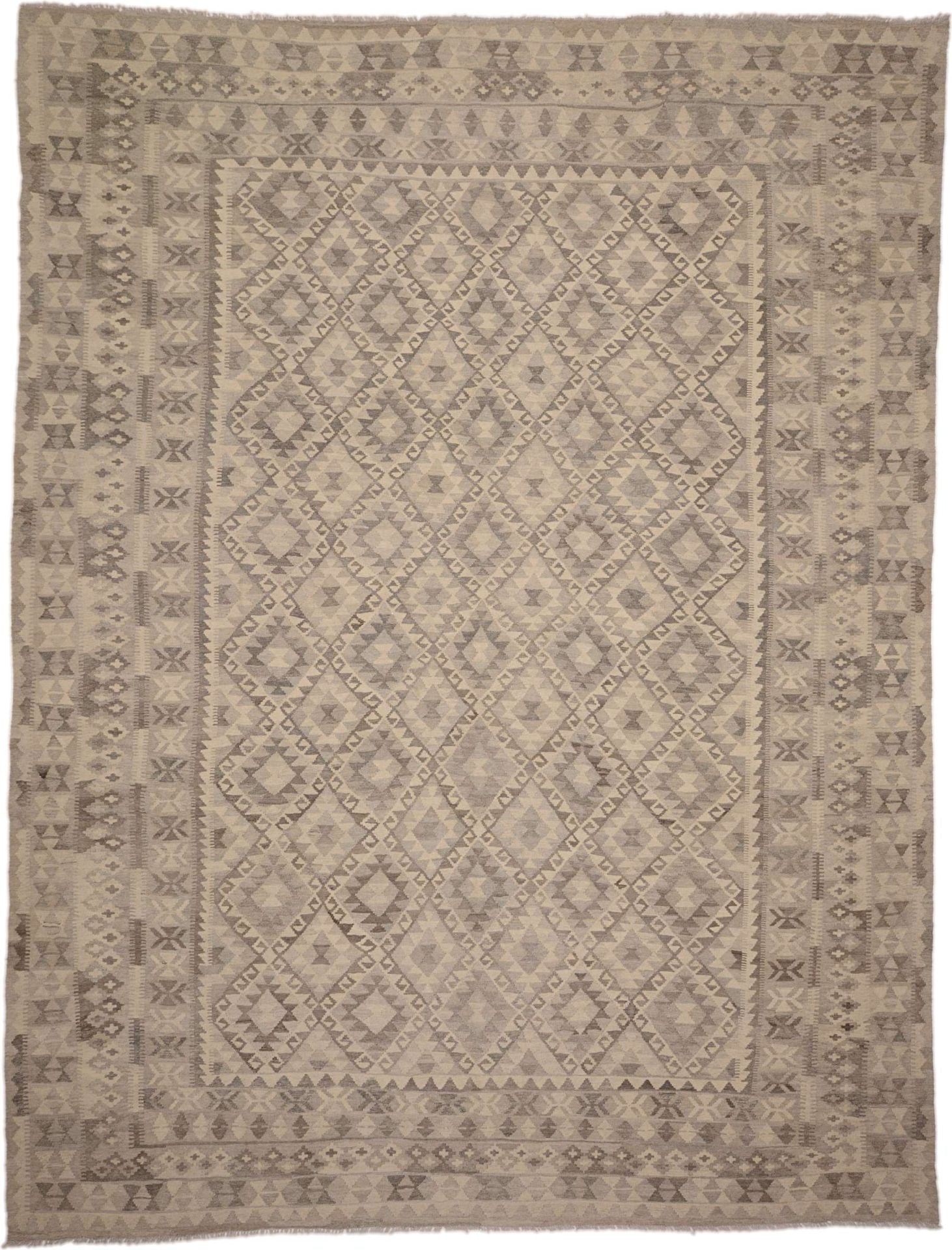
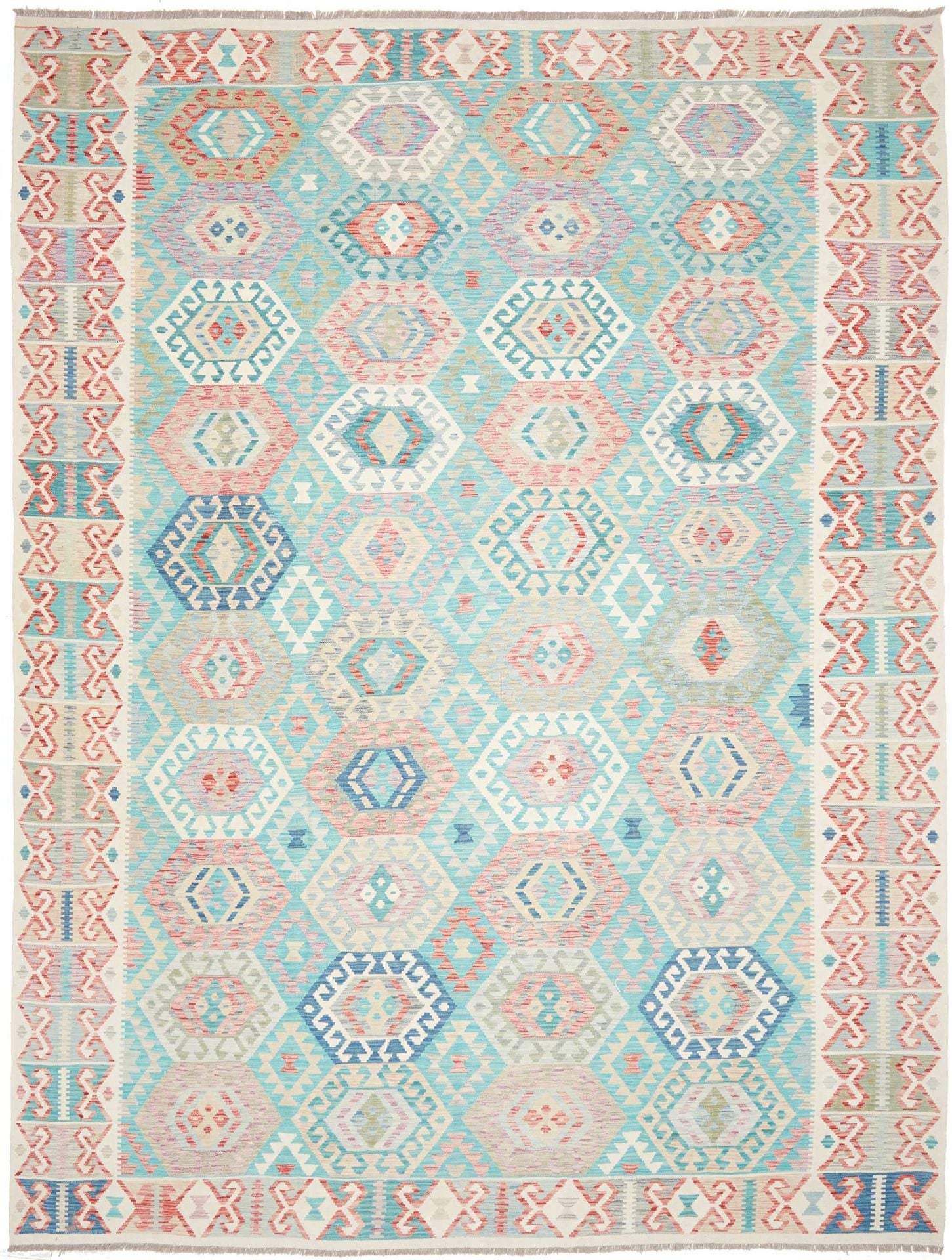
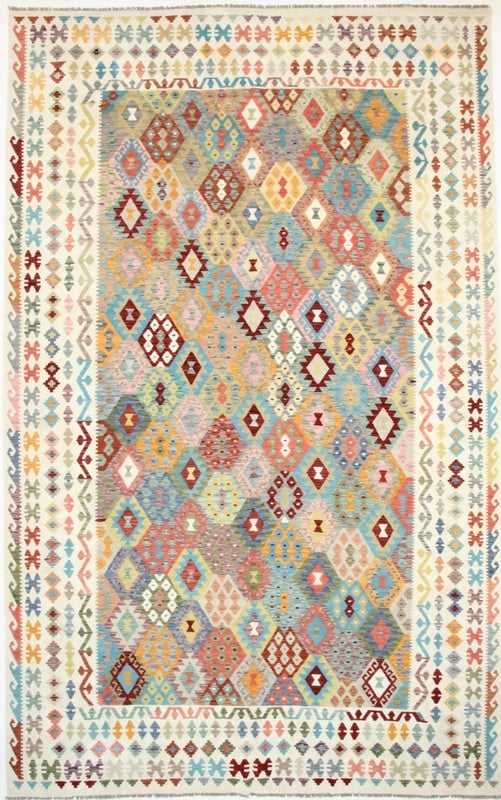
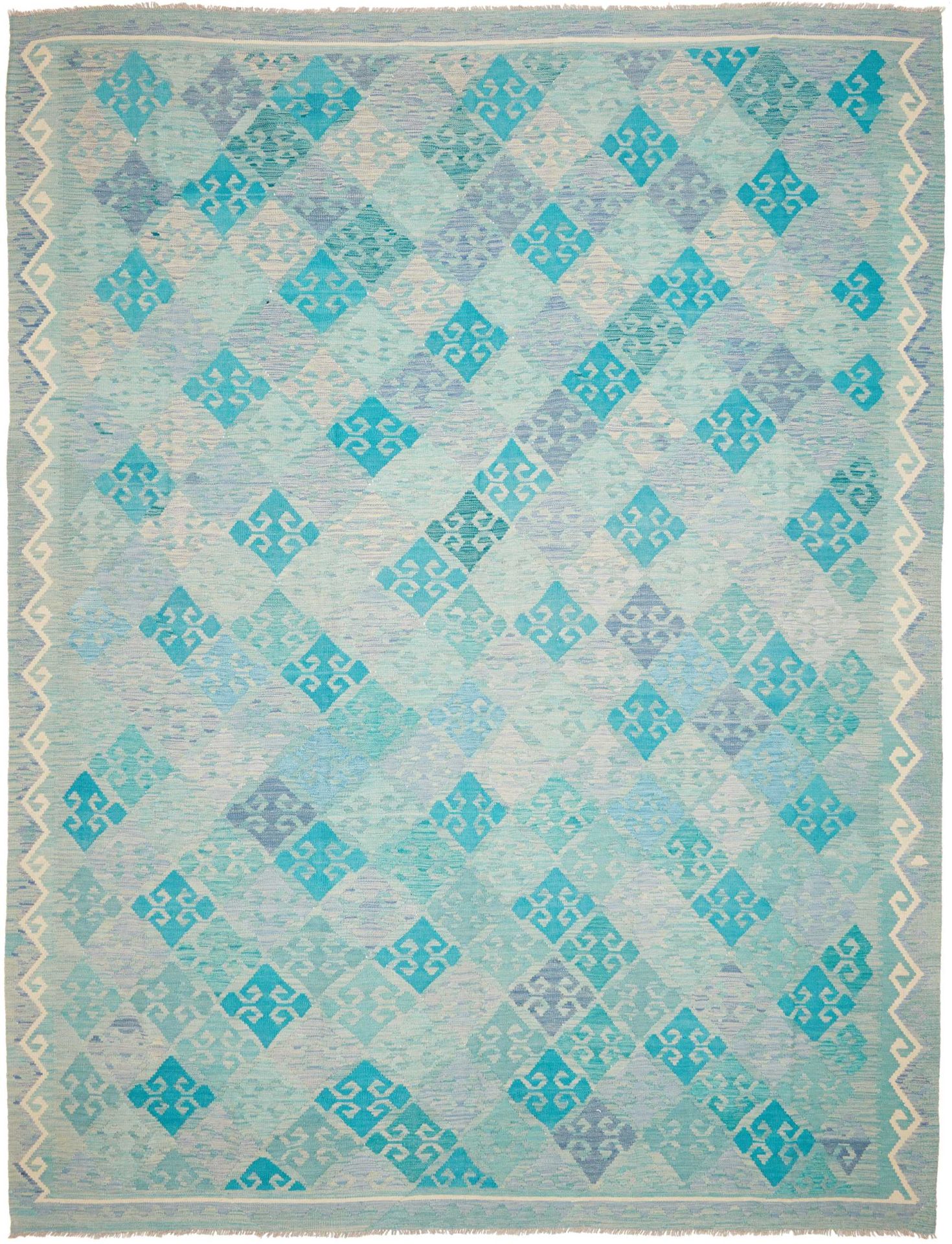
Kelim Modern: The fascinating combination of tradition and contemporary design
The fascinating combination of tradition and contemporary design in carpets
Carpets have been among humanity's oldest art forms for centuries. They tell stories, reflect cultures, and demonstrate craftsmanship of the highest caliber. The symbiosis between traditional carpet art and modern design is particularly remarkable. Especially the Kelim As one of the most traditional types of carpet, it has experienced a renaissance in recent years, not only because of its unique patterns but also because of its successful interplay of tradition and contemporary style. In this article, we take you on a journey through the world of carpets, especially the [specific type of carpet]. Kelim, and show you how these understated yet expressive pieces can be perfectly integrated into modern living concepts.
The world of carpets
Carpets are produced in diverse cultural and historical contexts. There are many different types of carpets, each differing in their origin, manufacturing method, patterns, and materials. From hand-knotted oriental rugs to machine-made modern designs, carpets are far more than just floor coverings. They are works of art that evoke emotions and add character to spaces.
Origin and history of the Kelims
KelimCarpets have their roots in the nomadic cultures of the Middle East and are known for their flat weaving techniques, which allow for the creation of vibrant colors and geometric patterns. These carpets were traditionally used as tent walls, blankets, and floor coverings. Weaving has played a central role in many cultures, particularly among the Kurdish and turkmenIn some tribes, they were valued not only as practical objects, but also as a symbol of social belonging and identity.
The rediscovery of the Kelim in a modern design
Over the last two decades, interest in Kelim-Carpets in the Western world have increased significantly. Designer Interior design enthusiasts are impressed by the wide variety of patterns and colors, as well as the easy care and versatility of the KelimI'm thrilled. Modern interior design often focuses on minimalism, sustainability, and functionality, and KelimCarpets blend effortlessly into this aesthetic.
Modern interpretations of Kelims
The fusion of the traditional KelimPatterns with modern design approaches have led to a remarkable revival. These rugs are no longer found only in traditional, rustic settings; they fit equally well in ultra-modern apartments, meticulously designed offices, and creative workspaces. Various Designer and brands offer a variety of modern Kelim-Variations that take into account both the roots and contemporary trends.
Colors and patterns in modern times Kelim
The color palette of KelimCarpets are as diverse as the cultures from which they originate. Traditionally, earthy tones and strong colors dominate. Modern interpretations KelimHowever, they tend to combine these colors with soft pastels and muted shades that are better suited to modern living environments. Furthermore, geometric patterns and abstract designs have become popular, reflecting contemporary minimalism.
materials and production
One of the reasons for the popularity of KelimThe advantage is that they are generally made from sustainable materials such as wool, cotton, or a combination of these two fabrics. Handwoven versions are often more expensive, but invaluable in terms of craftsmanship and durability. Machine-made KelimThey are more cost-effective in comparison and offer a similar aesthetic.
Kelim-Integrate carpets into the living space
Whether it's the living room, bedroom or hallway, KelimCarpets can serve as a central element in interior design. Their cultural and historical background lends rooms a touch of history. Here are some tips on how to... KelimThey can be effectively integrated into your home.
Add color accents
Select Kelim-Rugs that incorporate colors already found in your other home accessories. This helps create harmony and balance. A skin-toned sofa with a colorful rug. KelimA carpet can provide a great contrast, while the right color tones create a cozy and inviting atmosphere.
pattern mix
Mixing patterns is a trend that has become established in interior design. Kelim Geometric shapes can harmonize beautifully with damask-like cushions or striped patterns. However, be careful and ensure that the color tones complement each other to create a cohesive look.
Minimalist accents
In modernly designed rooms, KelimThey act as central visual accents. A simple wooden table on a KelimA rug can contribute enormously to a room's design. In minimalist settings, the colors should be less vibrant to keep the focus on the original shape and pattern.
Care and longevity of Kelim-carpets
Carpets, especially the elaborately handwoven ones KelimCarpets require regular care to maintain their beauty and longevity. Treating your carpet with care will help you enjoy it for many years to come.
Cleaning
Regular cleaning of a KelimCarpets can usually be cleaned by gently vacuuming with a soft brush. Avoid harsh cleaning agents, as these can damage the colors and the fabric structure. For stains, act as quickly as possible and use a soft, damp cloth to dab the affected area.
Placement and UV rays
Make sure to Kelim Avoid placing the rug in direct sunlight to prevent fading. If possible, reposition the rug every few months to prevent uneven wear.
The significance of carpets in culture
Carpets are not only home accessories, but also cultural symbols. They represent the crafts, traditions, and lifestyles of diverse cultures. In many societies, carpets hold historical, religious, or ceremonial significance. Whether as luxurious decorations in palaces or as useful objects for deaf nomads, carpets are central elements in human history.
Carpets and identity
In many cultures, carpets are passed down from generation to generation, thus becoming a part of the cultural heritage. They carry the stories and dreams of their creators and owners. The individually designed patterns and colors tell stories of origin, tradition, and craftsmanship.
The role of carpets in modern architecture
In modern architecture, carpets are becoming an integral part of the design of spaces. They help visually define areas and improve the acoustics within a room. The targeted use of carpets can significantly influence the overall impression of a room, while simultaneously creating a cozy and inviting atmosphere.
Conclusion
The combination of traditional carpet craftsmanship and modern design is not only fascinating, it also enriches our living spaces in a unique way. KelimThey are not just practical elements in the home; they are also cultural heritage pieces and works of art that tell stories and can forge an emotional connection with their owner. Whether in Scandinavian, minimalist, or maximalist style – KelimCarpets are true chameleons of interior design, effortlessly adapting to different designs and styles. It's worth taking the time to consider the details when buying and selecting one. Kelim-Pay attention to quality and design when choosing carpets to ensure both aesthetics and durability.
FAQ
1. How do I clean a Kelim-Carpet, right?
To one KelimTo clean your carpet, vacuum it regularly and gently dab any stains with a damp cloth. Do not use harsh cleaning agents, as these can damage the colors.
2. Where can I Kelim-Buying carpets?
KelimCarpets are available in furniture stores, online shops, and specialized carpet shops. Be sure to choose reputable retailers to ensure the quality of the product.
3. Are KelimAre carpets suitable for underfloor heating?
Yes, KelimCarpets are well-suited for rooms with underfloor heating. Their flat structure allows for even heat distribution and contributes to a pleasant indoor climate. Please note that regular maintenance is important to ensure the carpet's longevity.