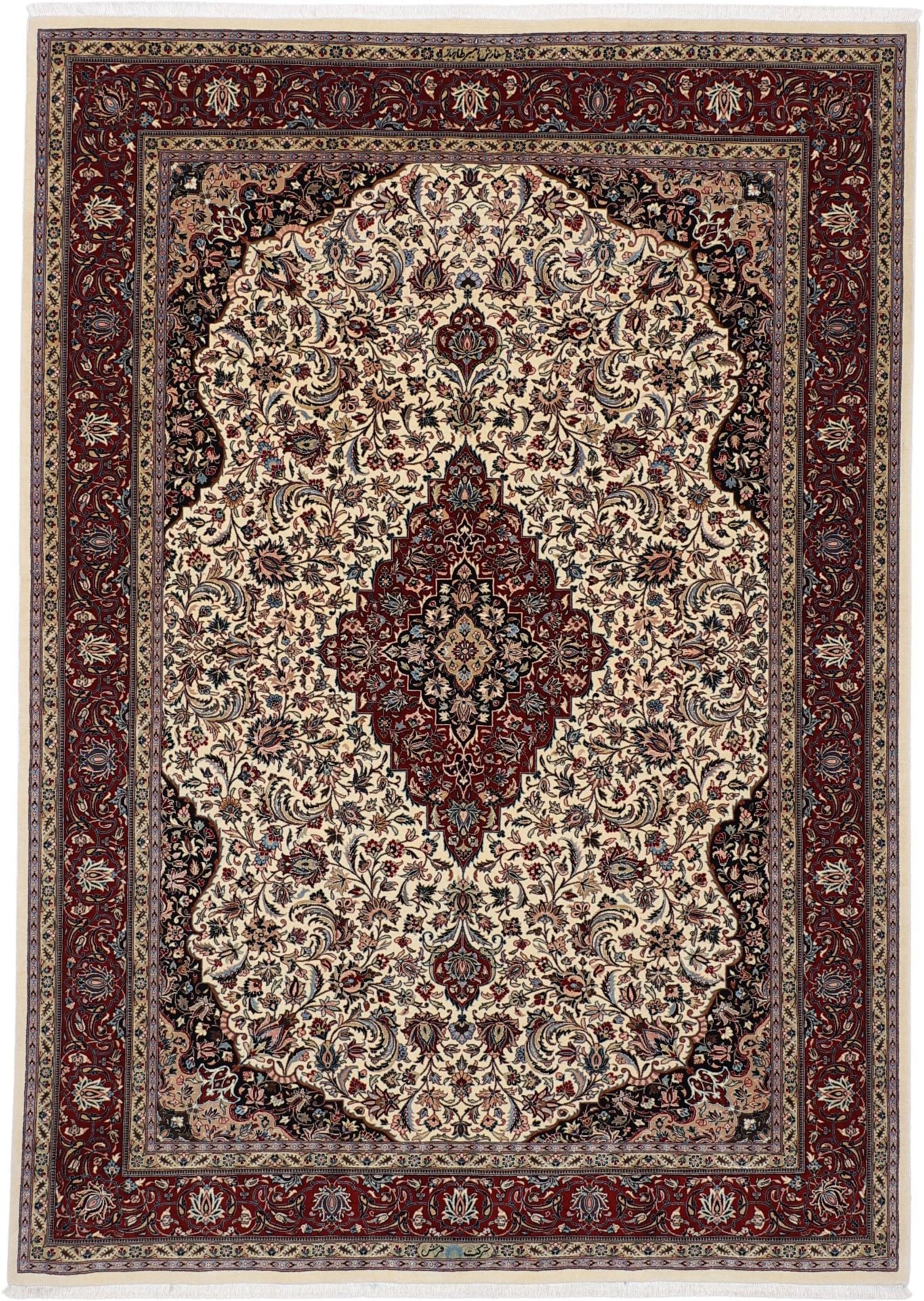
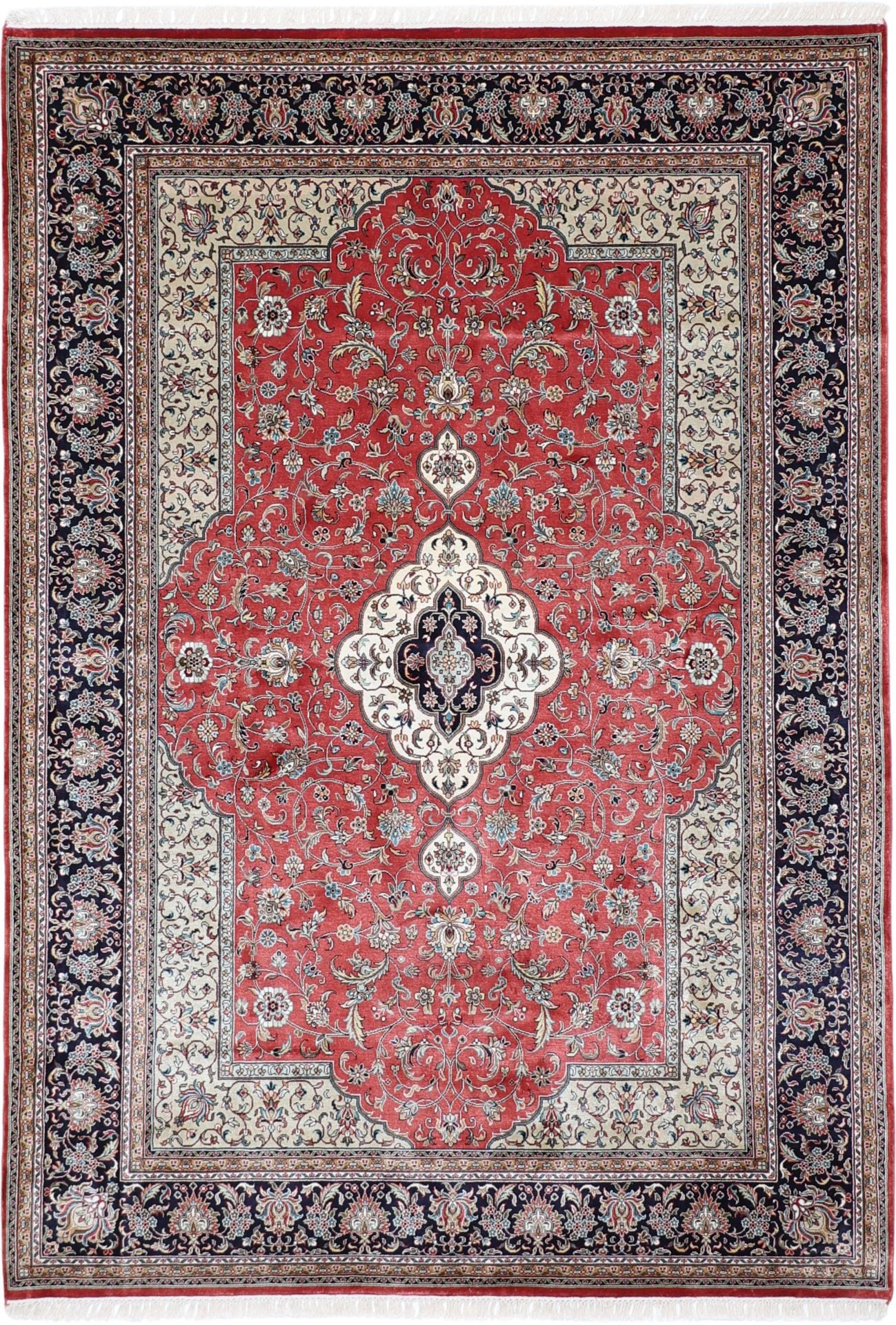
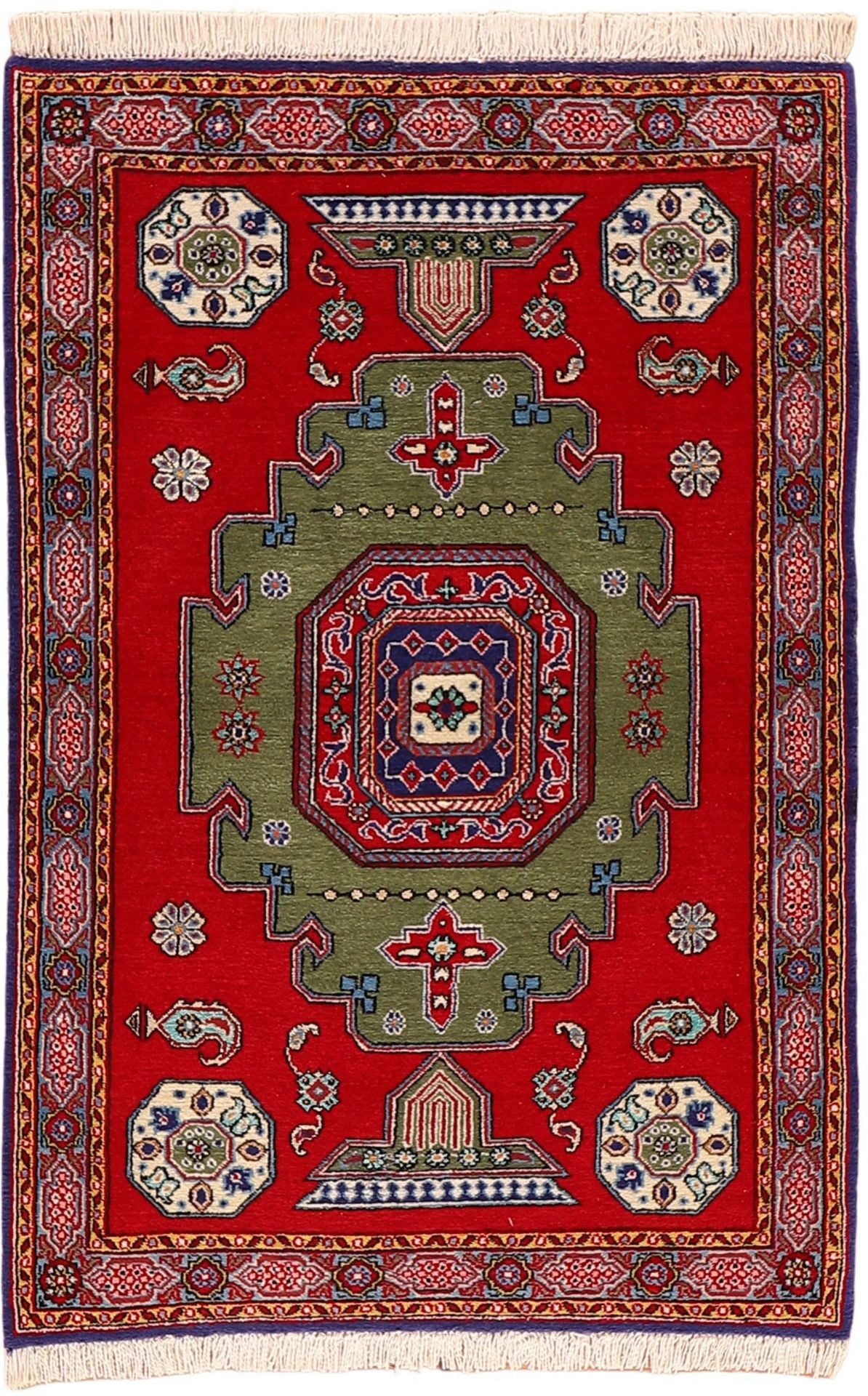
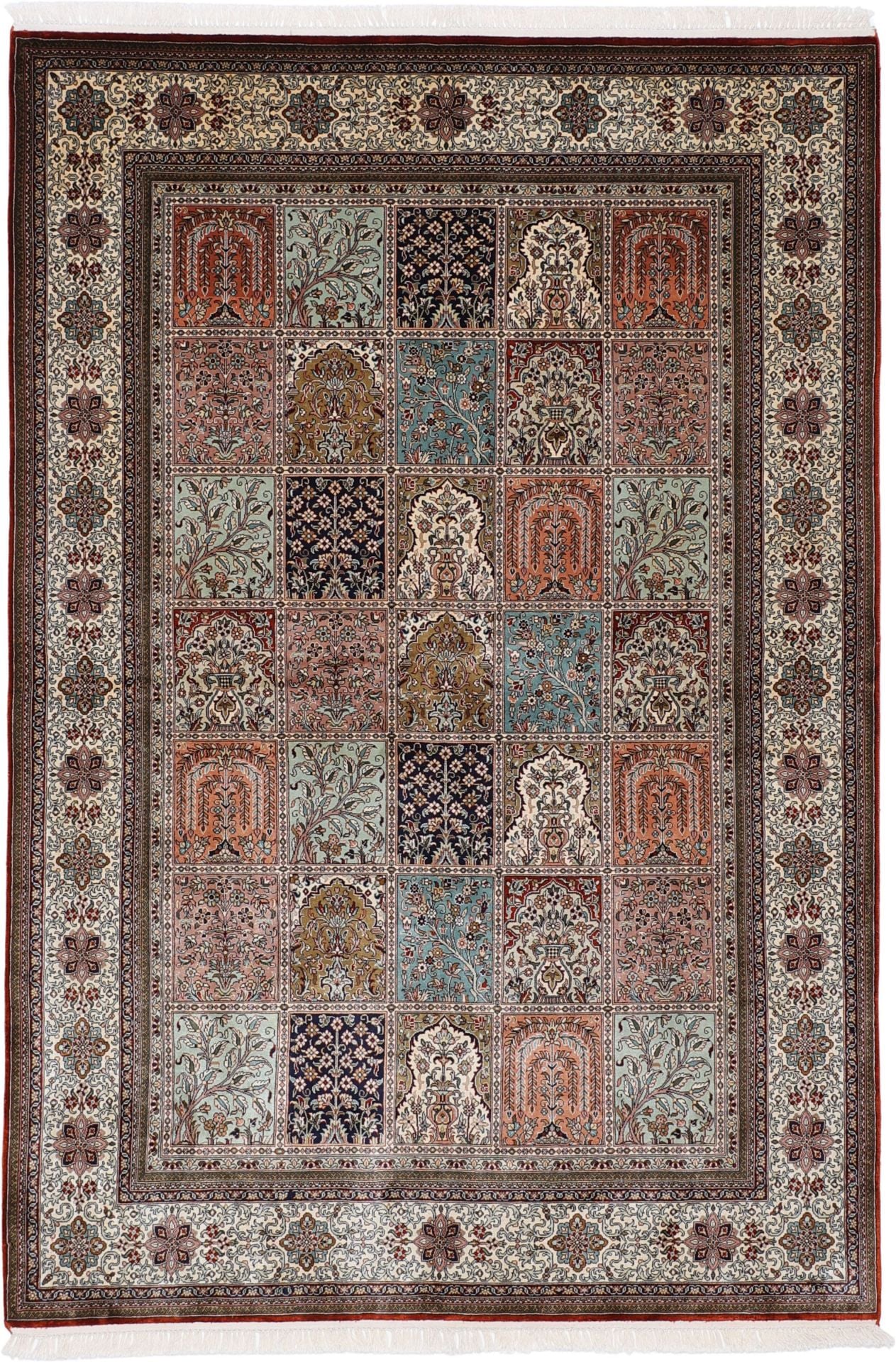
Industrial carpets: robustness and design for modern working environments
Carpets: Robustness and design for modern working environments
Introduction
Carpets are more than just simple floor coverings; they're an important component of interior design, combining both functionality and aesthetic appeal. Industrial carpets have established themselves as a popular choice, especially in modern work environments, valued for their durability and versatile design options. In this article, we'll explore the features, benefits, and design options of industrial carpets in depth, as well as provide tips on choosing the ideal carpet for your work environment.
What are industrial carpets?
Industrial carpets are specially engineered floor coverings designed for use in commercial and industrial environments. They are resilient, easy to maintain, and durable, making them the ideal solution for high-traffic areas. These carpets are available in a variety of materials, textures, and designs, allowing them to be easily integrated into various room designs.
The advantages of industrial carpets
1. Robustness and durability
Industrial carpets are characterized by their high resistance to wear, stains, and other daily wear and tear. They are often made from durable materials such as nylon, polyester, or polypropylene, which ensure that the carpets endure even under extreme conditions. These properties make them particularly suitable for offices, retail stores, foyers, and other high-traffic areas.
2. Ease of care
Another great advantage of industrial carpets is their ease of maintenance. Many of these carpets are stain-resistant and easy to clean. Often, regular vacuuming is enough to remove dirt and dust. For stubborn stains, special cleaners are available that won't damage the material. This not only saves time but also ensures your work environment always remains clean and inviting.
3. Improving acoustics
In modern offices, which are often designed for teamwork and group interaction, acoustics play a crucial role. Industrial carpets contribute to sound insulation and reduce sound reflections, creating a more pleasant working environment. This promotes concentration and increases productivity.
4. Design variety
Industrial carpets are available in a wide variety of designs, colors, and patterns. This opens up numerous possibilities for customizing your work environment. From simple, muted colors to striking patterns, there's something for every taste. Carpets can be used to visually separate areas without the need for walls or partitions.
Variety of materials for industrial carpets
The choice of material for your carpet directly influences its properties and possible uses. The most common materials are:
1. nylon
Nylon is one of the most popular materials for carpets. It is considered extremely durable and resistant to wear and tear. Nylon carpets have excellent colorfastness and are available in a wide range of designs.
2.Polyester
Polyester is another popular material, prized primarily for its softness and color vibrancy. It's naturally stain-resistant and easy to maintain. Polyester carpets are ideal for office spaces that require an appealing appearance.
3. Polypropylen
Polypropylene is a cost-effective material characterized by its high durability. It is dirt and moisture resistant, making it ideal for high-traffic areas.
4. Wool
Wool is a natural material known for its softness and durability. Wool rugs are comfortable and have excellent thermal insulation, making them an excellent choice for modern work environments.
Tips for choosing the right carpet
Choosing the right rug for your work environment is crucial to the functionality and design of the space. Here are some tips to help you make your decision:
1. Consider user traffic
First, analyze the traffic volume of the area. For high-traffic areas, a durable carpet such as nylon or polypropylene is recommended.
2. Aesthetic requirements
Consider the design and color scheme of your workspace. Consider whether the rug should be an accent or a harmonious element integrated into the overall look.
3. Comfort and functionality
Make sure the carpet not only looks good but also offers a high level of comfort, especially if it's used in meeting rooms or seating areas. Soft materials like wool can offer advantages here.
4. Care requirements
Consider the maintenance requirements of the carpet. Choose a material that's easy to clean and meets the demands of your environment.
5. Sustainability
More and more consumers are placing value on sustainable products. Learn more about eco-friendly carpet options and the manufacturing process.
The role of color and pattern
The choice of color and pattern plays a key role in designing your work environment. Industrial carpets are available in many different styles:
1. Neutral colors
Neutral colors like gray, beige, or black are timeless and complement a variety of interior design concepts. They provide a calm foundation upon which you can add accents with furniture and accessories.
2. Vibrant colors
More vibrant colors like blue, green, or red can add energy to a room and stimulate creativity. These colors can be particularly beneficial in creative offices or areas that encourage teamwork.
3. Patterns and textures
Patterns are a great way to create visual interest. Rugs with geometric patterns or textured surfaces can add a modern touch while creating a welcoming atmosphere.
The influence of carpets on room acoustics
As mentioned above, carpets can have a significant impact on acoustics. They absorb sound and help reduce the background noise in a room. In open-plan offices, where noise is a common problem, carpets can make a significant contribution to soundproofing.
Ecological and sustainable carpet options
These days, many people value sustainable materials. When choosing rugs, you can look for environmentally friendly options. Many manufacturers now offer rugs made from recycled materials that are just as robust and durable as conventional rugs. Look for certifications like "Green Label Plus," which identify environmentally friendly products.
Conclusion
Industrial carpets offer an excellent combination of functionality, durability, and design, making them the ideal choice for modern work environments. Not only are they durable and easy to maintain, they also contribute to improving acoustics and aesthetics. When choosing the right carpet, consider the tips above to find the best solution for your individual needs. Whether you're looking to create a creative office or a sober work environment, the variety of industrial carpets offers the right solution for every concept.
FAQ's
1. How often should I clean my carpet?
The frequency of cleaning depends on the use and type of carpet. Experts generally recommend vacuuming the carpet at least once a week. Any stains should be treated immediately to avoid permanent damage.
2. Are industrial carpets also suitable for private living spaces?
Yes, many industrial carpets are also suitable for private living spaces, especially in high-traffic areas such as hallways or living and dining areas. They are durable and easy to maintain, making them an excellent choice for families and busy households.
3. How long do industrial carpets last?
The lifespan of an industrial carpet can vary depending on the material and use. High-quality carpets can last several years to a decade with proper care. Pay attention to the manufacturer's warranty to get a sense of the product's longevity.