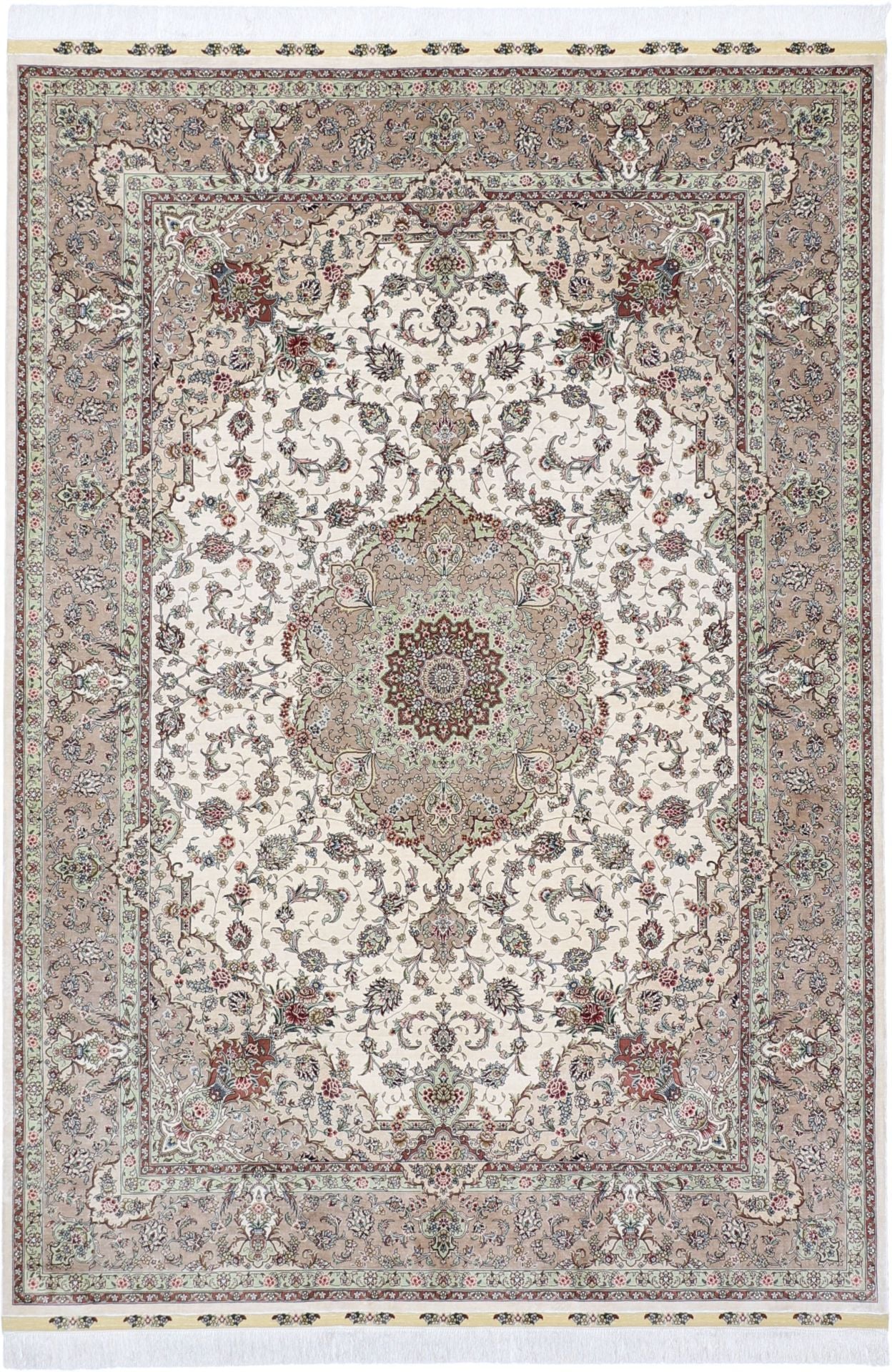
“Industrial charm: The best rugs for a stylish industrial style”
Introduction
The industrial style is more than just a trend; it symbolizes an aesthetic that results from the combination of raw materials, open spaces, and a minimalist approach. The use of soles and industrial elements is central to creating an ambiance that is both functional and stylish. Rugs play a crucial role in this interior design concept and can help define the space and add warmth while emphasizing the characteristic, cool industrial look.
In this article, we'll explore the different types of rugs that perfectly fit an industrial home style. We'll discuss materials, colors, and patterns, and offer tips on how to best use rugs in your interior design. So let's delve into the world of industrial charm and find out which rugs can take your space to the next level.
The industrial style
Origin and characteristics
The industrial style has its roots in urbanization and the conversion of factory areas into residential spaces. It began in the 1950s. Designer and architects transform old warehouses and factories into stylish, urban apartments. This style is characterized by its use of raw materials such as concrete, steel, and wood, while the colors are often kept cool and neutral. The combination of functionality and understated elegance is at the heart of this style.
color palette
The industrial-style color palette is typically muted and includes colors like gray, black, white, brown, and natural tones. These calming colors provide a perfect foundation for playing with texture and materiality. Rugs in these shades are not only versatile but also timeless, adapting effortlessly to various other decor elements.
The best rugs for the industrial style
1. Natural fibers: jute and sisal
The properties of natural fibers
Natural fibers like jute and sisal are perfect companions to an industrial interior. They are robust and durable, making them ideal for high-traffic areas. Their coarse texture complements the rough surfaces often found in industrial styles.
Application and style
Jute or sisal rugs can be used both as flooring in living areas and as accents in dining spaces. They look particularly good in combination with metal furniture and wood. A simple rug in natural tones is ideal, grounding the room and creating a pleasant atmosphere.
2. Vintage-carpets
The fascination of the old
VintageRugs are not only stylish, but also tell a story. They can often be found cheaply at flea markets or from specialist retailers. VintageCarpets add a point of interest and a sense of authenticity.
Possible combinations
Combine a worn oriental rug with modern furniture to create an exciting contrast. A red or blue one VintageA rug can provide a wonderful splash of color in a neutrally decorated room. This makes the rug the focal point of the room.
3. Geometric patterns
Daring designs
Rugs with geometric patterns are a great way to add dynamism to an industrial space. They instantly add character and depth to the living room or workspace. Textures and shapes are often found in industrial design, and geometric rugs perfectly complement this concept.
Practical design
A geometric black and white rug pairs well with bare walls and steel accents. Mix different shapes and textures to create a unique space that's both functional and aesthetically pleasing.
Tips for choosing the right carpet
Consider room size
When choosing a rug, the size of the room is crucial. In larger rooms, you can experiment with different rug sizes, while in smaller spaces, a smaller rug can create a sense of intimacy. Make sure the rug is large enough to fit under the furniture and bring the room together.
Focus on textures
Textures are crucial in industrial design. Combine rugs with different surfaces—for example, a coarse-weave rug with smooth wooden furniture. This creates visual contrast and adds interest to the space.
Consideration of functionality
Consider where the rug will be placed. A durable material might be more appropriate in a high-traffic area, while more delicate materials may be considered in a less-used area. A rug in a dining area should also be easy to clean.
Care and cleaning of carpets
Regular cleaning
To extend the life of your carpet, regular cleaning is essential. Vacuum your carpet at least once a week to remove dust and dirt. Pay particular attention to high-traffic areas that tend to get dirty more quickly.
stain removal
There are several methods for stain removal. Use a soft cloth and mild detergent to gently treat the affected area. Test the detergent on an inconspicuous area first to ensure no color changes occur.
Professional cleaning
Your carpet should be professionally cleaned regularly to remove ingrained dirt and odors. This is especially important for carpets made of natural fibers, which are more sensitive to soiling.
Conclusion
Rugs are an essential addition to any room, especially in industrial-style rooms that emphasize texture and materiality. From natural fibers like jute and sisal to vintage From rugs to those with geometric patterns – the selection is vast and offers something for every taste. When choosing, consider the size of the room, the desired textures, and the functionality to find the perfect rug that harmoniously complements your decor while enhancing the industrial flair of your home.
A well-chosen rug can transform the entire atmosphere of a room, creating a warm, inviting environment. Let your creativity run wild when it comes to designing your space. And remember: The right rug can serve not only as a stylish element but also a practical purpose.
FAQ
1. How do I find the right size for my rug?
To find the right size, measure the space the rug will cover. Ideally, the rug should be placed under or around the furniture, making the room appear more cohesive. In a dining area, the rug should be large enough to prevent chairs from falling off the rug when pulled up.
2. How do I clean a natural fiber carpet?
Natural fiber rugs should be treated with care. Vacuum regularly and use a mild detergent with water for stains. Avoid over-wetting, as this can damage the fibers. For deeper cleaning, consult a professional.
3. Can I use a rug in a high-traffic room?
Yes, but make sure you choose a durable material designed for heavy use. Rugs made of synthetic fibers or strong natural fibers like sisal are often a good choice for such areas. They're also easy to clean, which increases their longevity.