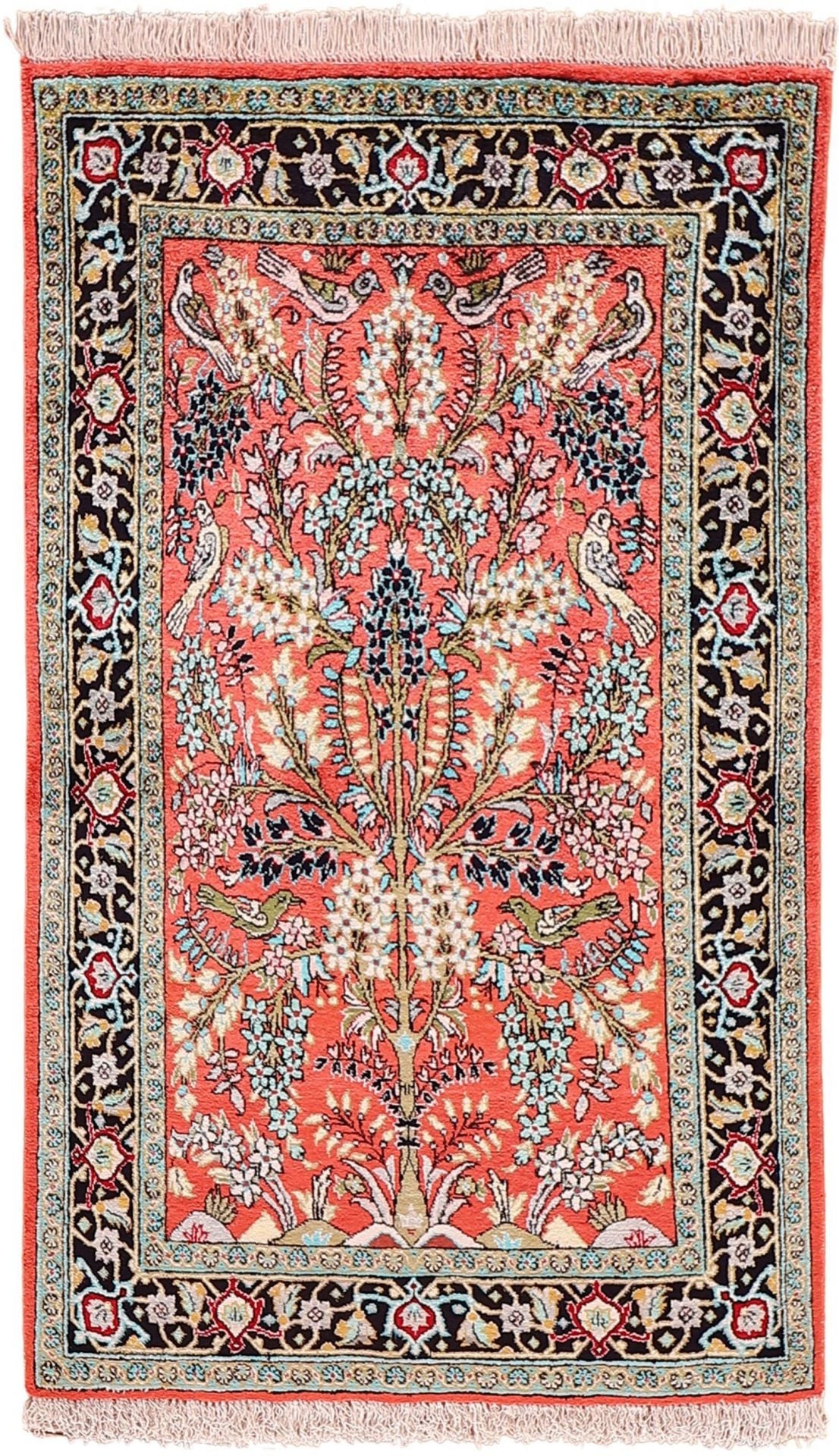
Here is a 7-letter article title: Carpet.
Carpet: More than just a floor covering
Carpets are far more than just practical floor coverings. They are the centerpiece of every room and play a central role in interior design. Whether as a cozy runner in the hallway or an elegant rug in the living room, they lend every room a special atmosphere and simultaneously create a sense of security. In this article, we explore the different types of carpets, their history, materials, and care, as well as important tips for choosing the right one.
History of carpets
Early carpets
The history of the carpet dates back to ancient times. The oldest finds come from present-day Iran and are over 2500 years old. Carpets were originally used as practical solutions against the cold and as seating. But they soon evolved into works of art decorated with complex patterns and colors.
The origin of hand weaving
Hand-weaving carpets developed in various cultures around the world. In Asia, Persian carpets are particularly renowned for their exquisite quality and artistic designs. In Europe, carpets found their place in magnificent palaces and were often used as status symbols.
Types of carpets
Oriental carpets
Oriental rugs are arguably the most famous carpets in the world. They are characterized by their intricate patterns and vibrant colors. Often made of wool or silk, they are not only beautiful floor decorations but also valuable investments.
Modern carpets
In contrast to traditional rugs, modern rugs often feature simple designs and geometric patterns. They are available in a variety of materials, including synthetic fabrics and natural fibers. Modern rugs fit perfectly into contemporary interior design concepts.
carpet tiles
Carpet tiles are a more flexible and straightforward option, particularly popular in public spaces and offices. They can be easily installed and replaced as needed, and they offer a wide range of designs and colors.
Materials of carpets
Wool
Wool rugs are very popular for their softness and durability. Wool is a natural insulator that can regulate both heat and cold. Wool also absorbs and releases moisture, making it helpful in regulating indoor climate.
Cotton
Cotton rugs are particularly lightweight and easy to care for. They're ideal for high-traffic areas because they're durable and easy to clean. Cotton can also be dyed in many colors, allowing for a wide range of designs.
Synthetic fibers
Synthetic carpets, such as those made of polypropylene or nylon, offer a cost-effective option with good durability. They are often water and stain resistant, making them particularly suitable for high-traffic areas.
Carpet care
Regular cleaning
Carpet care is crucial for its longevity. Regular vacuuming removes dust and dirt. For carpets in high-traffic areas, a weekly cleaning schedule may be beneficial.
stain removal
Stains are inevitable. To remove stains, use special cleaners tailored to the carpet material. For stubborn stains, consult a professional.
Professional cleaning
To ensure the longevity of a carpet, it is recommended to have it professionally cleaned every one to two years. This removes deep-seated dirt and refreshes the colors.
Tips for choosing a carpet
Living style and color choice
Choosing the right rug depends largely on your home style. Simple, geometric rugs are best suited for modern interiors. Traditional furniture, on the other hand, harmonizes well with oriental rugs or floral patterns.
Size and shape
The size of the rug plays an important role. A rug that's too small can make a room appear disproportionate. Ideally, a rug should at least cover the front legs of the furniture. A round rug is suitable for oval or round tables.
Allergies and sensitivities
For people with allergies, rugs made from natural materials such as wool or cotton are recommended. Synthetic rugs, on the other hand, can cause allergic reactions. Also consider the ease of care of the material.
Sustainability and ecological aspects
Environmentally friendly materials
Demand for sustainable carpets is increasing. Carpets made from organic cotton or recycled materials reduce the ecological footprint. When purchasing, look for certificates that guarantee sustainability and environmental compatibility.
Fair trade and social responsibility
Many manufacturers focus on fair production conditions and support local artisans. This not only boosts the regional economy but also ensures that the carpets are produced under ethical conditions.
Conclusion
Rugs are not only practical but also an important part of home decor. They offer numerous design possibilities and contribute significantly to the atmosphere of a room. When choosing, pay attention to materials, size, and design to find the perfect rug for your home. With proper care, your rug will bring you joy for many years.
FAQ
1. How often should I have my carpet cleaned?
It is recommended that carpets be professionally cleaned every one to two years. Regular vacuuming should be done at least once a week.
2. What can I do if my carpet gets stained?
To remove stains, you should use special cleaners tailored to the material of your carpet. For stubborn stains, it may be advisable to consult a professional.
3. What size rug is right for my living room?
Ideally, the rug should be large enough to support the front legs of the furniture. The size and shape also depend on the room's design. A rug that's too small can make the room appear disproportionate.