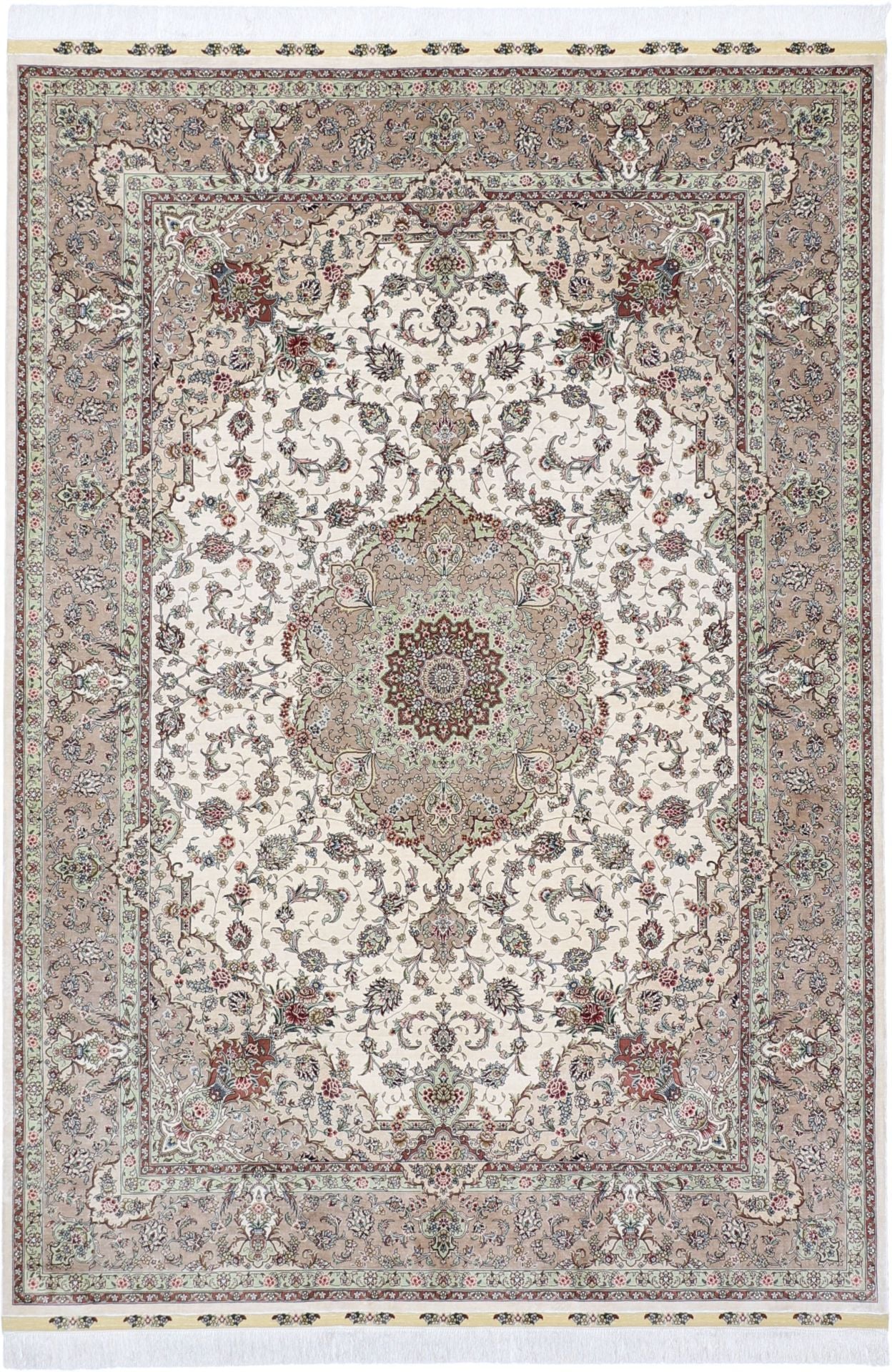
Heris carpets: A fusion of tradition and modern design for every home
Carpets: A fusion of tradition and modern design for every home
Carpets are more than just home accessories; they are an expression of culture, tradition, and personality. Whether in a cozy living room, an elegant dining room, or a modern office, carpets add character and warmth to any space. Fine Heris carpets, in particular, reflect a harmonious blend of traditional craftsmanship and contemporary design. In this article, we explore the variety of carpets, their manufacturing processes, the significance of Heris carpets, and provide tips for care and purchasing.
1. The history of the carpet
Carpets have existed for thousands of years. Their origins date back to the ancient civilizations of Persia, India, and Mongolia. Originally used primarily as an insulating layer on the floor, carpets have since found their place as works of art and decorative objects.
The first known carpets, discovered in 1949 in a burial mound near the Altai Mountains, date back to the 5th century BC and demonstrate the remarkable craftsmanship of early cultures. Traditional carpets are often hand-knotted using elaborate techniques, making them unique works of art.
2. The variety of carpets
Carpets come in countless styles, materials, and techniques, making them incredibly versatile. Whether you prefer a traditional Persian rug or a modern, minimalist rug, the choices are virtually limitless.
2.1. Traditional carpets
Traditional rugs, such as those made by Heris, are the result of centuries of craftsmanship. These rugs are not only functional but also masterpieces of ethnic art. They are often decorated with traditional patterns that carry stories and cultural meanings. The color palette is diverse, ranging from deep reds to soft beige and earth tones.
2.2. Modern carpets
Modern rugs are characterized by clean lines, minimalist designs, and innovative materials. Often inspired by contemporary art, these rugs offer a fresh perspective and fit perfectly into modern living spaces. They are available in a variety of materials, including wool, cotton, and synthetic fabrics.
2.3. Designercarpeting
DesignerCarpets blend art with functionality. These carpets are often designed through collaborations between artists and manufacturers and are frequently limited editions. They bring a touch of exclusivity to your home and are highly sought after as an investment.
3. The production of carpets
The art of carpet making is an extremely complex process, encompassing several steps, from the selection of materials to dyeing and the actual weaving.
3.1. Materials
Carpets are made from a variety of materials. Natural fibers such as wool, silk, and cotton are particularly popular. Wool is one of the most widely used fabrics due to its durability and insulating properties. Silk, on the other hand, offers a luxurious sheen and is often used in high-quality carpets.
3.2. Coloring
Dyeing the fibers is an important step in carpet manufacturing. Traditionally, plant and mineral dyes were used to achieve rich and vibrant colors. Today, many manufacturers also use synthetic dyes to achieve greater color variety and fade resistance.
3.3. Craft techniques
The most well-known technique is knotting, in which the threads are manually applied to a knotting frame. This method can take weeks or even months to complete, depending on the size and complexity of the piece. Another important process is weaving, in which the fibers run parallel to each other. Overall, rug making is a work of art that requires patience, skill, and a deep-rooted tradition.
4. Heris Carpets: A Tradition in Carpet Art
Heris carpets are an excellent example of the fusion of tradition and modern design. Their products combine unique hand-knotted quality with contemporary designs that harmonize with a variety of home styles.
The Heris manufactory is known for its precise, detailed craftsmanship and use of high-quality materials. Each piece is crafted with the utmost care and dedication, ensuring that each rug is not only functional but also a work of art.
5. The importance of carpets in interior design
Carpets play a crucial role in interior design. They not only provide practical benefits but can also serve as a central design element.
5.1. Acoustics
Carpets contribute to sound absorption and improve the acoustics of a room. Especially in large apartments or offices, a carpet can help reduce noise levels and create a soothing atmosphere.
5.2. Colors and patterns
Rugs are an excellent way to introduce color and pattern into a room. They can serve as a focal point or as a harmonious complement to existing color schemes. A well-chosen rug connects different styles and elements, creating a cohesive overall look.
5.3. Coziness and warmth
Carpets create an inviting and comfortable interior. Especially in colder months, they provide warmth and coziness, making staying in the room more pleasant.
6. Tips for carpet care
Carpet care is crucial for their longevity and beauty. Here are some simple tips to keep in mind:
- Regular vacuuming: Vacuuming removes dirt and dust before it penetrates the fibers.
- Stain removal: Treat stains immediately with a suitable cleaning agent and never tap, but dab to avoid spreading the stains.
- Professional cleaning: Have your carpet professionally cleaned at least every two years to remove deep-seated dirt.
- Avoiding direct sunlight: Protect your carpet from direct sunlight to avoid fading.
- Correct placement: Make sure that heavy furniture does not remain on the carpet for too long to avoid leaving marks.
7. Buying the perfect carpet
Buying a rug can be challenging, as there are many factors to consider. Here are some important considerations:
- Material: Choose the material based on your lifestyle. Pet owners may prefer durable synthetic fibers.
- Size: Measure the available space and choose a size that fits your room. A rug that's too small can feel lacking, while one that's too large can look cluttered.
- Style: Consider whether the rug fits in with your existing interior design style. Whether minimalist, modern, or traditional, the rug should blend harmoniously into the overall look.
- Budget: Determine your budget in advance. Rugs come in a wide range of price points, and it's important to find one that won't break your budget.
Conclusion
Rugs are more than just floor coverings; they are works of art that combine tradition and modern design. Heris Rugs proudly embrace this heritage, offering you handcrafted quality that brings renewal to any home. When searching for a rug, consider your individual needs, the style of your home, and the proper care to ensure the beauty and longevity of your new companion. A rug can not only enhance your space but also significantly enhance the ambiance and coziness of your home.
Frequently Asked Questions (FAQ)
1. What is the best way to clean my carpet?
It's best to vacuum your carpet regularly and treat stains immediately with a suitable cleaning agent. For a thorough clean, consider professional carpet cleaning every few years.
2. What material is best for a carpet?
The best material depends on your lifestyle. Wool is comfortable and durable, while synthetic materials are stain-resistant and require less maintenance. Cotton is a good option for lower budgets, but requires more frequent cleaning.
3. How do I find the right rug size for my room?
To find the right rug size, measure the area the rug will cover. A general tip is that the rug should be at least large enough to accommodate the front legs of all furniture to create a harmonious look.
By considering the above considerations and tips, you have the opportunity to choose a rug that will not only enhance your room but also provide years of enjoyment.