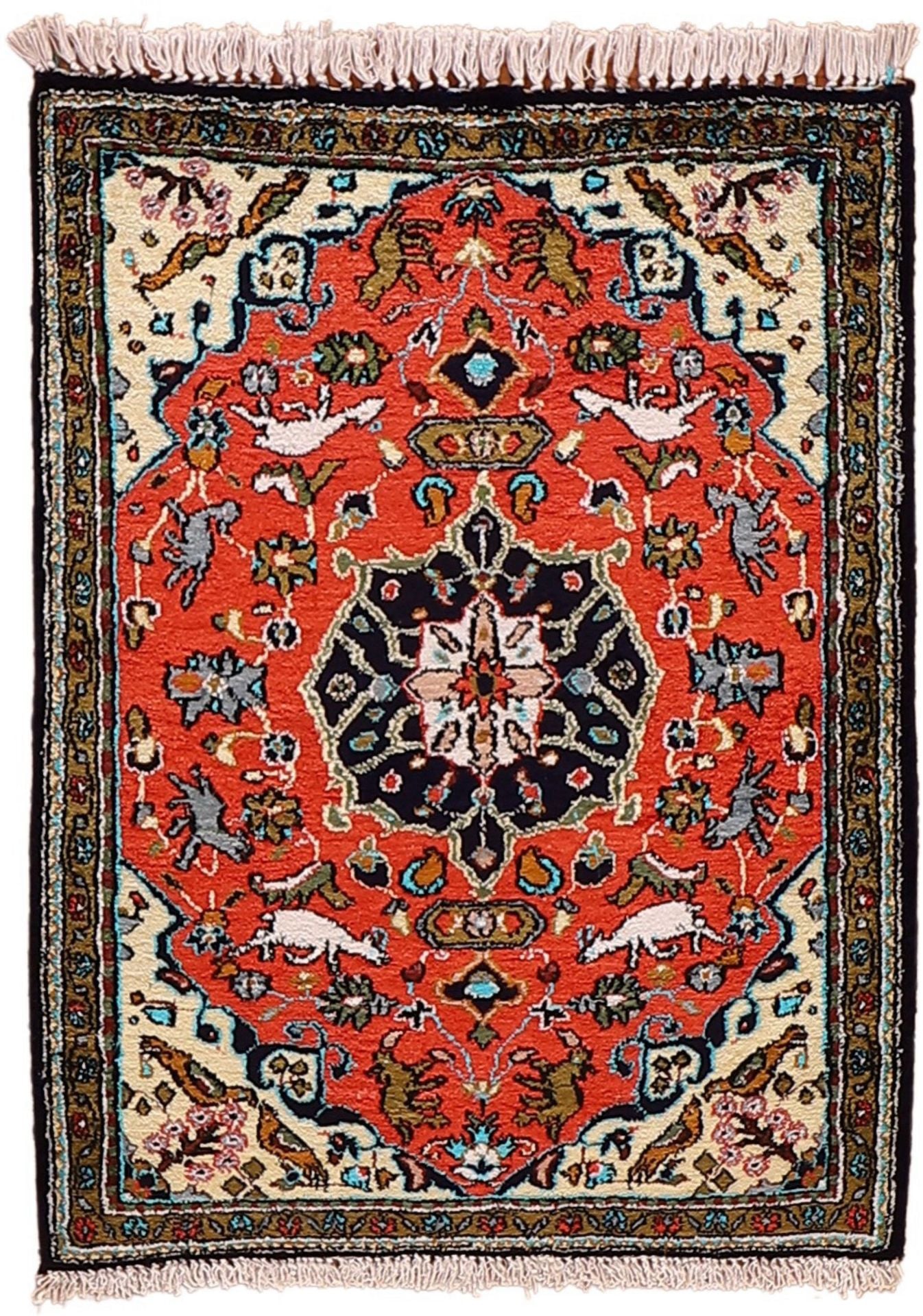
Golestan: A fascinating jewel of Persian culture and nature
Introduction
Carpets are far more than just floor coverings; they are works of art that tell stories and embody cultural traditions. In the world of carpets, Golestan stands out, a place known not only for its breathtaking landscapes but also for its rich carpet-making tradition. In this article, we will delve deeper into the fascinating world of carpets inspired by the roots of Persian culture, focusing in particular on the Golestan region and its unique significance for carpet art.
The history of the carpet in Persia
The beginnings
The history of the carpet dates back to ancient times. Originally, carpets were used as practical objects to cover floors and provide warmth. Over the centuries, however, the carpet has evolved into a symbol of wealth and art. The first documented mention of Persian carpets dates back to the early days of civilization in Iran.
Cultural influences
Carpet art in Persia is characterized by a variety of cultural influences, including Islamic, Seljukid, and Safavid traditions. These influences are reflected in the designs, colors, and materials used to weave the carpets. Carpet making has been passed down from generation to generation and has evolved into a form of cultural expression, manifested in the intricate designs.
Golestan: A jewel of Persian carpet art
Geographical and cultural significance
Golestan, a province in northeastern Iran, is famous for its breathtaking natural beauty and diversity. The region is characterized by mountains, forests, and fertile valleys. This natural beauty influences not only the lifestyle of the local people but also the patterns and colors of the carpets produced here.
The diversity of flowers, plants and landscapes of Golestan finds its way into the carpet designs, giving them a special regional identity.
Traditional techniques
Carpet making in Golestan is based on centuries-old techniques passed down by skilled artisans and craftspeople. Traditional hand-weaving techniques, combined with locally sourced materials such as wool and silk, enable the production of high-quality carpets that are both aesthetically pleasing and durable.
Materials and colors
Wool
Wool is the most commonly used material for Golestan rugs. The wool usually comes from local sheep and is valued for its durability and warmth. Wool also has excellent insulating properties, making it ideal for use in rugs.
Silk
Silk is often used in finely crafted carpets, known for their luminosity and softness. Golestan also produces high-quality silk carpets, available in ornate designs and color palettes.
Colors
The colors of Golestan carpets are strongly inspired by nature. Earth tones and vibrant colors such as red, blue, green, and yellow dominate the color spectrum. The use of natural dyes such as plant dyes further lends the carpets an authentic character.
designs and patterns
Traditional patterns
The designs of Golestan carpets are often inspired by nature and local flora. Floral patterns, geometric shapes, and traditional motifs such as the “Herati“-patterns are widespread. These designs have not only aesthetic but also symbolic meanings that are deeply rooted in Persian culture.
Meanings of the symbols
Every pattern and color in a rug has meaning. For example, flowers often symbolize fertility and prosperity, while geometric patterns represent stability and harmony. Knowing these meanings can greatly enrich the experience of buying and owning a rug.
Care and maintenance of carpets
Cleaning
Golestan rugs require special care to maintain their beauty and longevity. Regular vacuuming is important to remove dirt and dust. Stains should be treated immediately to avoid permanent damage.
Professional cleaning
For deeper cleaning, it's advisable to consult a professional. These experts use special methods to preserve the colors and texture of the carpet.
Carpets as an investment
appreciation
Persian carpets, especially those from Golestan, are not only decorative elements but also valuable investments. Their uniqueness, applied craftsmanship, and the use of high-quality materials make them objects that can increase in value over time.
Preserving the tradition
By investing in a Golestan carpet, you not only support the local economy but also help keep the tradition of carpet making alive.
Final section
Golestan rugs are more than just functional home accessories; they are living examples of Persian culture, combining beauty, craftsmanship, and history. Purchasing a Golestan rug is a decision that both enriches your living space and brings a piece of this fascinating tradition into your home. When you choose to purchase such a rug, you are not only investing in a piece of art, but also in the preservation of a cultural heritage.
By choosing a Golestan rug, you're choosing quality and authenticity. Whether for your own home or as a gift, a Golestan rug is an outstanding choice that is timeless and tells a story. Be inspired by the colors, patterns, and history of these works of art and bring a piece of Golestan into your life.
FAQ
1. How can I judge the quality of a carpet?
To judge the quality of a rug, consider the knot density, the material, and the craftsmanship. High-quality rugs have a higher knot density and are carefully crafted. Also pay attention to the color intensity; natural colors are often more vibrant and last longer.
2. How do I properly care for my carpet?
Regular care is crucial. Vacuum your carpet at least once a week and treat stains immediately with a damp cloth. For a deeper cleaning, we recommend contacting a professional.
3. Are Persian carpets also suitable for floors with underfloor heating?
Yes, many high-quality Persian rugs are suitable for underfloor heating. However, you should ensure that the rug is not too thick to ensure optimal heat transfer.