Fascinating carpet PatchworkTechniques: Creative ideas for your home
Fascinating carpet PatchworkTechniques: Creative ideas for your home
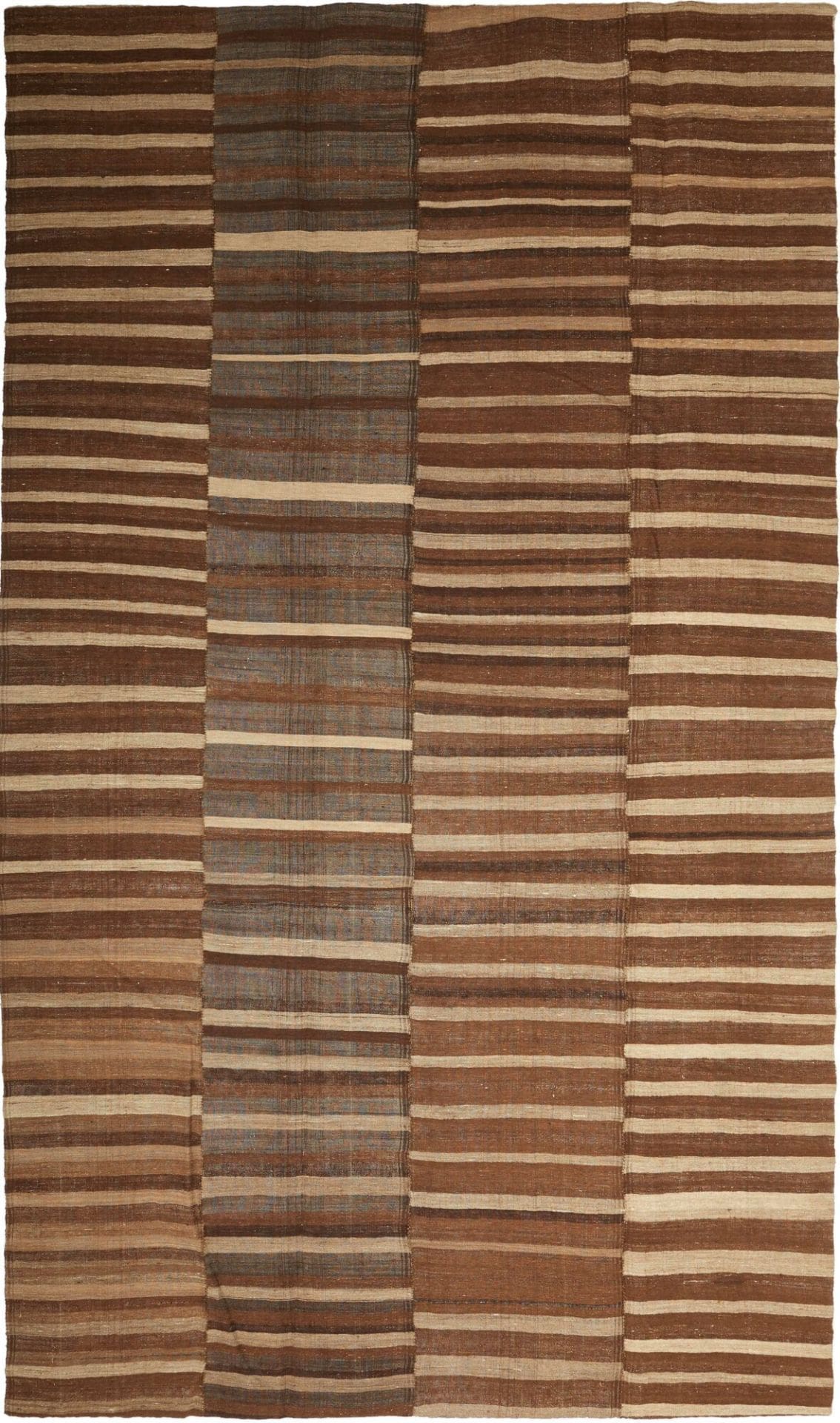
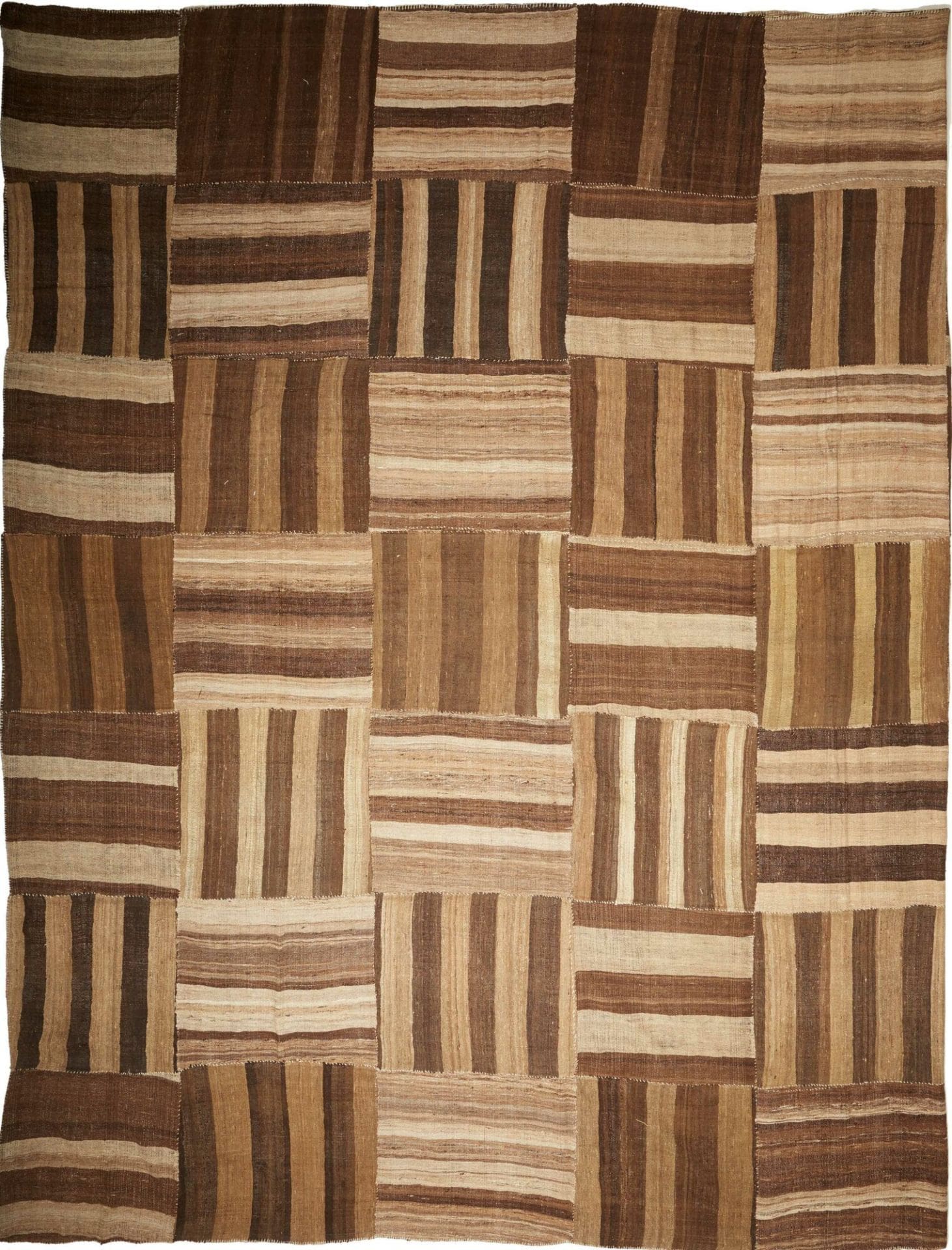
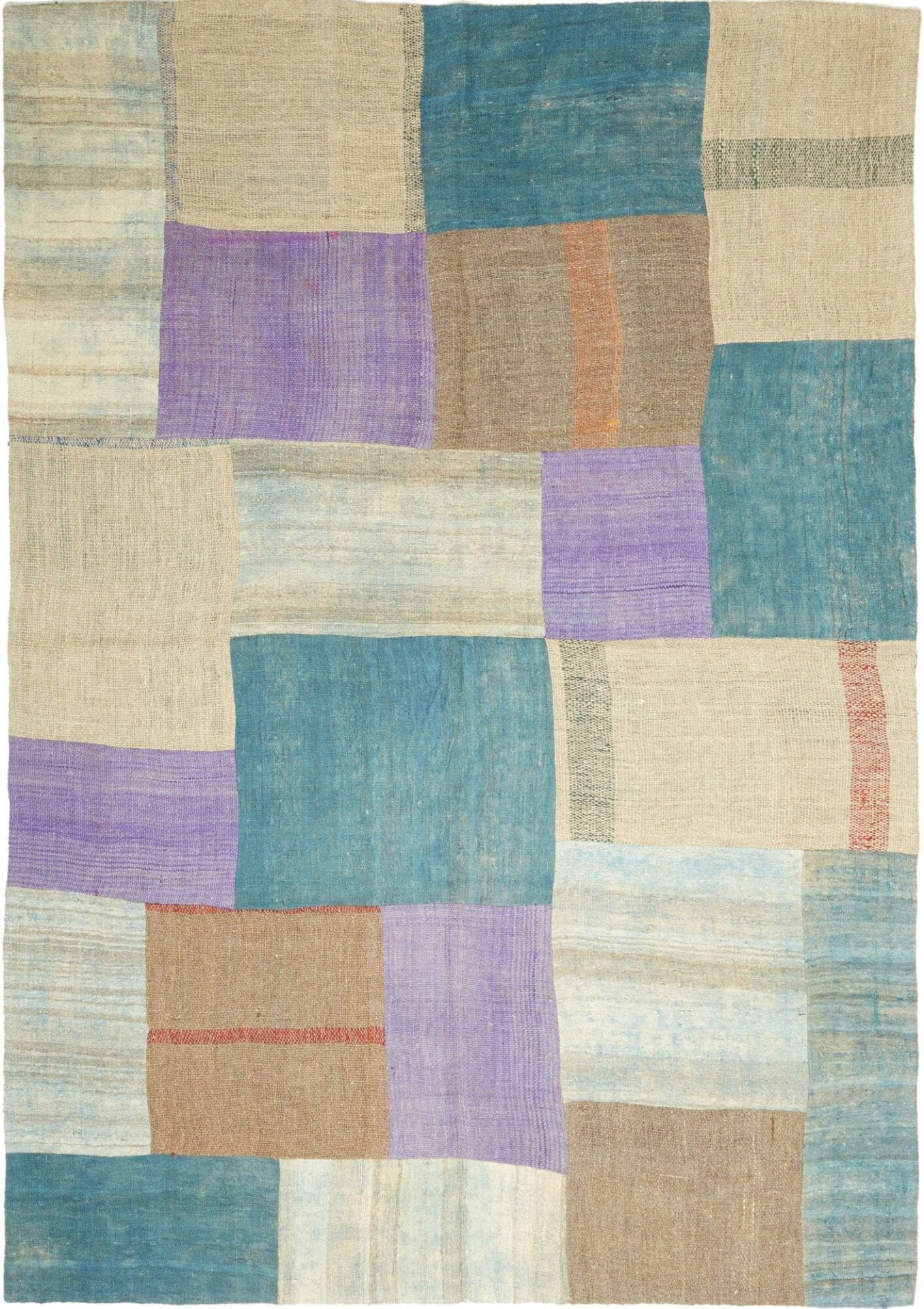
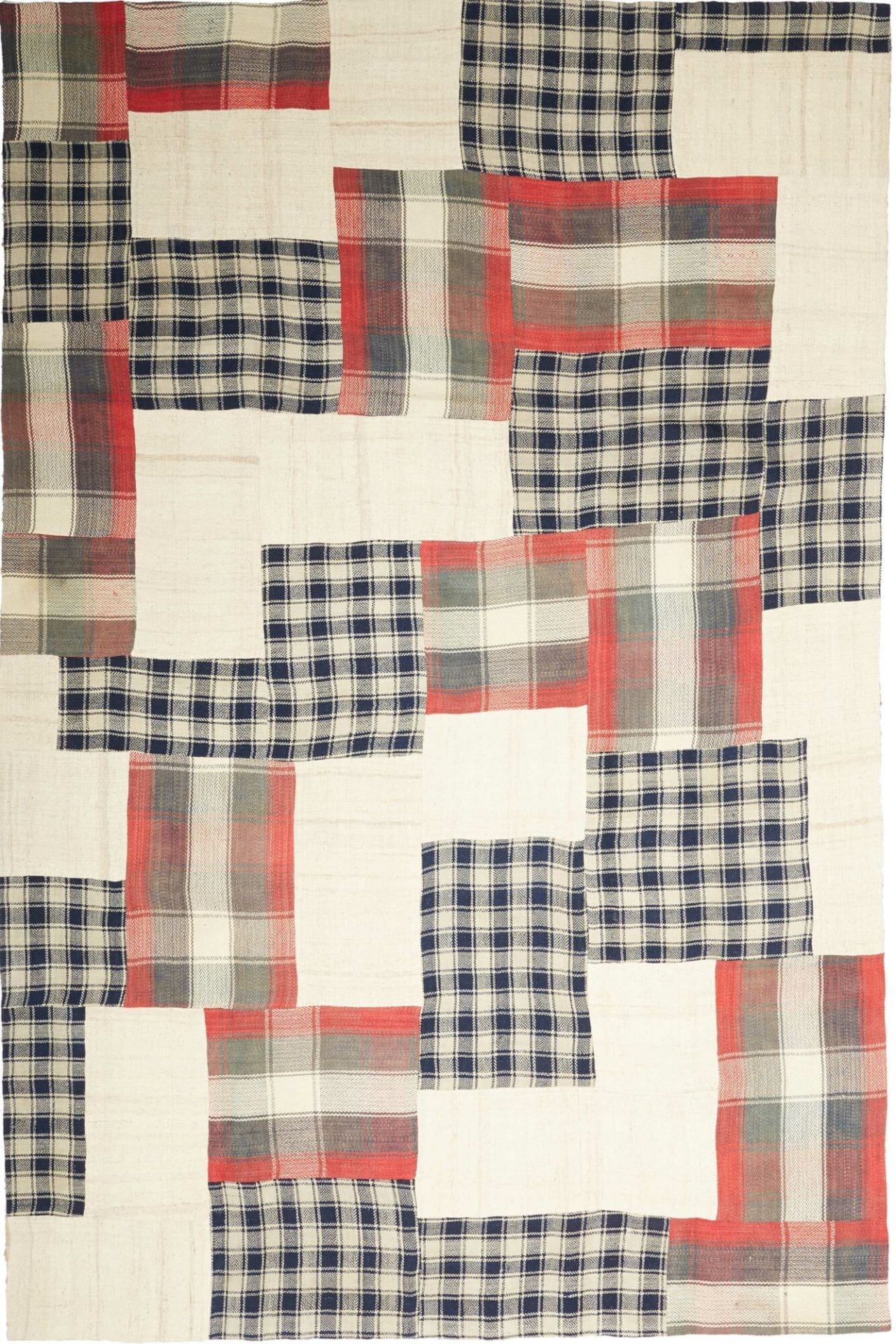
Carpets are more than just floor coverings; they are works of art that bring warmth and style to any room. A particularly creative variation is PatchworkCarpets created by combining different fabric and color patterns. In this article, we explore the fascinating world of carpets. Patchwork-Techniques, the possibilities they offer for your home, and some inspiring ideas for implementation.
What is a Patchwork-Carpet?
PatchworkCarpets consist of several pieces of fabric that are assembled into a single object. This technique has a long tradition and allows for the creation of individual designs that are both artistic and functional. Original in color and form, they can PatchworkCarpets integrate wonderfully into different interior design styles.
The history of the Patchworks
To capture the fascination of PatchworkTo fully understand carpets, it is important to take a look at their history. Originally, the Patchwork as a practical solution to utilize waste from textile production. Over the centuries, however, this technique evolved into an art form.
Using PatchworkCarpets were particularly common among the rural population, who often had to work with limited resources. These carpets were frequently made from old clothes or other fabric scraps and therefore exude a certain nostalgia and evoke stories from bygone eras.
Creative techniques for making Patchwork-carpets
1. Classic Patchwork
The classic technique involves sewing different pieces of fabric together to create a larger whole. Different patterns, colors, and textures can be combined. The appeal of this technique lies in the unpredictability of the results; no two rugs are ever alike.
2. Quilting
Quilting involves sewing two or more layers of fabric together, often with a third layer of cotton or wool used as filling. This technique gives the rug additional structure and dimension. Quilting can also be done in PatchworkCarpets are used to create interesting designs and textures.
3. Patch technique
This technique uses larger pieces of fabric that are simply sewn together to form a pattern. Patching techniques are ideal for using leftovers and offer a quick method for creating custom rugs.
4. Apply
The appliqué technique involves sewing a piece of fabric onto a base material, often finishing the edges with a special stitch. This allows for the addition of detailed patterns and designs that give the rug a unique touch.
Materials for Patchwork-carpets
1. Cotton
Cotton is one of the most commonly used materials for Patchwork-Carpets. It is lightweight, durable, and available in a wide variety of colors. Cotton is also easy to care for and can be machine washed if needed.
2. Wool
Wool gives rugs a luxurious texture. This type of material is warm and durable, making it ideal for rooms with high foot traffic. Wool also has the ability to wick away moisture, making it an excellent choice for colder climates.
3. Synthetic fibers
For a more modern approach, consider synthetic materials like nylon or polyester. These fabrics are often easier to care for and more wear-resistant. They also come in vibrant colors that won't fade.
4. Old carpet remnants
A creative and sustainable method is to recycle old carpets. By cutting and reusing carpet remnants, individual designs can be created. Patchwork-Carpets are created that are both environmentally friendly and unique.
Design options for your home
1. Living room
In the living room PatchworkRugs form a central focal point. You can use different fabrics and patterns that complement your room's color palette. A large PatchworkA carpet on a light parquet floor can bring warmth and coziness.
2 bedrooms
A PatchworkA rug in the bedroom creates a welcoming atmosphere. Light, soft colors – like pastel shades – can create a calming look. A smaller rug can also add visual interest. PatchworkA rug can be placed next to the bed to provide a pleasant feeling when walking barefoot.
3. Kitchen
Kitchens can be enhanced with a durable PatchworkThe carpet can be spruced up. It can effectively hide stains and dirt while also providing an attractive look. Bold colors and patterns are ideal here, adding vibrancy to the room.
4. Corridor
In the hallway, an elongated PatchworkA rug can enhance a room while simultaneously conveying information about your home's style. Such a rug can create a harmonious connection with other rooms by echoing their styles and colors.
Care and maintenance of Patchwork-carpets
1. Cleaning
Regular care of PatchworkProper care is crucial for the longevity of carpets. Vacuuming should be done at least once a week to remove dust and dirt particles. Stains should be treated immediately to prevent permanent damage.
2. Professional cleaning
Depending on the material, it may be advisable to have the carpet professionally cleaned. This is especially important for delicate fabrics or if the carpet is heavily soiled.
3. Sunlight
PatchworkCarpets should ideally not be exposed to direct sunlight, as this can cause the colors to fade. Rotating the carpet can help prevent uneven wear and color fading.
Conclusion
PatchworkRugs are not only stylish, but also creative and individual. They offer countless possibilities to add character to any room. Whether in the living room, bedroom or hallway, the use of PatchworkThese techniques can transform your home into a cozy and inviting space. Use these creative ideas to experiment with fabrics and colors and evoke warm emotions within your own four walls.
FAQ
1. How can I get a Patchwork-Make your own carpet?
To one PatchworkTo make your own rug, you will need various pieces of fabric, sewing supplies (needle, thread), and possibly a sewing machine. Cut the fabrics into even pieces, sew them together, and reinforce the seams. There are numerous online tutorials to help you with the first steps.
2. Are Patchwork-Carpets easy to care for?
Yes, the care of PatchworkCaring for carpets can be simple, especially if you choose materials like cotton or synthetic fibers. Regular vacuuming and prompt stain treatment are crucial to extending the carpet's lifespan.
3. Where can I find decorative Patchwork-Carpets?
Decorative PatchworkYou can find carpets in furniture stores, specialized carpet shops, or online webshops. Be sure to check the materials and workmanship to find a carpet that is both aesthetically pleasing and functional.