successful Nain Trading: Strategies and tips for beginners
Carpets: Style, quality and selection for beginners
Rugs are not only beautiful home accessories but also important elements of interior design. They can add warmth, texture, and color to any room, helping to create a welcoming atmosphere. In this comprehensive article, you'll learn everything you need to know about rugs—from types and materials to care, buying tips, and trends. Whether you're a beginner or simply looking to expand your knowledge, this information will help you find the perfect rug for your home.
1. The different types of carpets
There are a variety of carpet types that vary in size, shape, material, and manufacturing process. Here are some of the most common types:
1.1. Berbercarpeting
BerberCarpets, traditionally from Morocco, are known for their coarse and durable design. They are often made of wool and are ideal for high-traffic areas because they are robust and easy to care for. BerberCarpets are characterized by their natural colors and often geometric patterns.
1.2. Oriental carpets
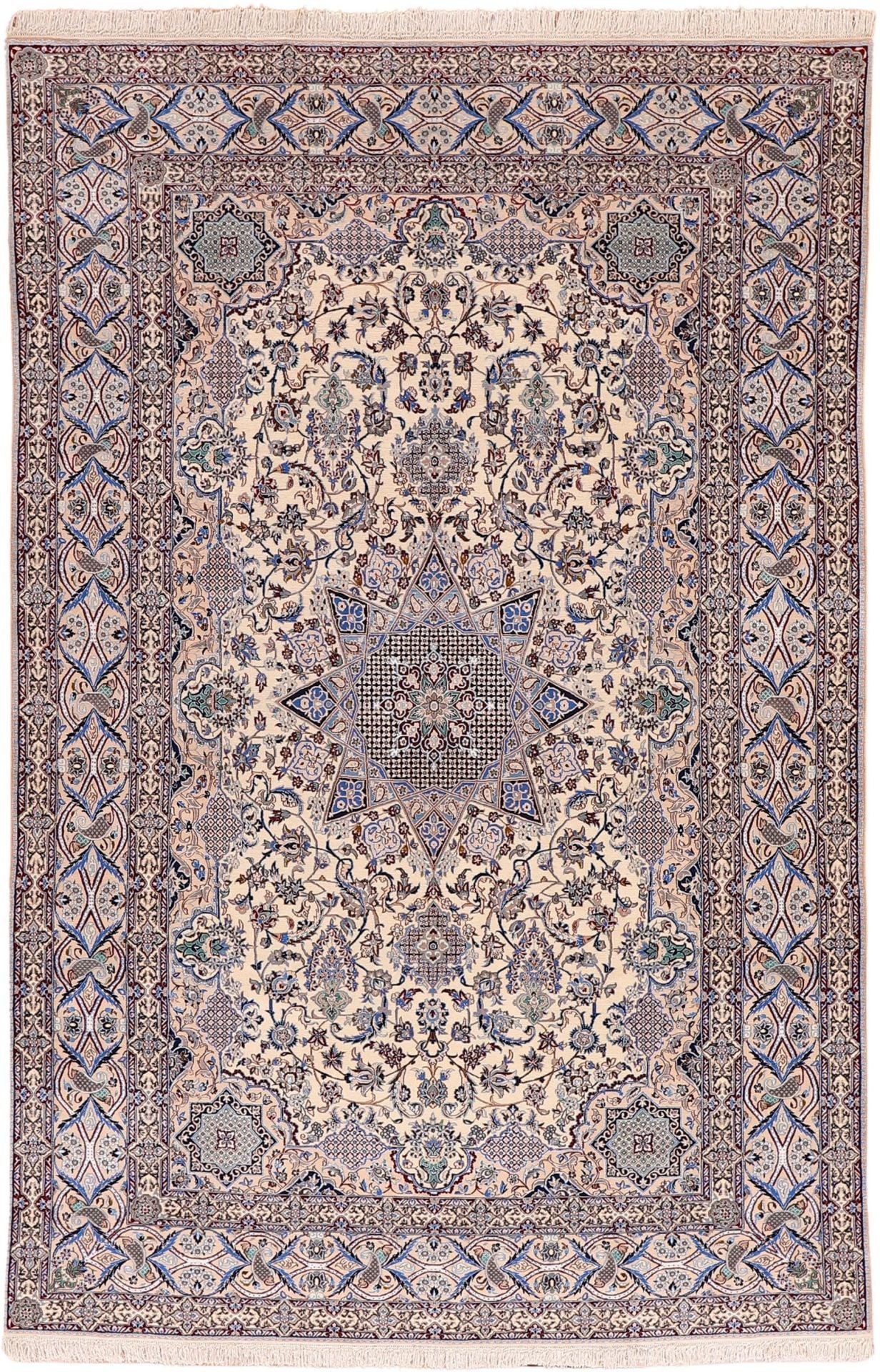
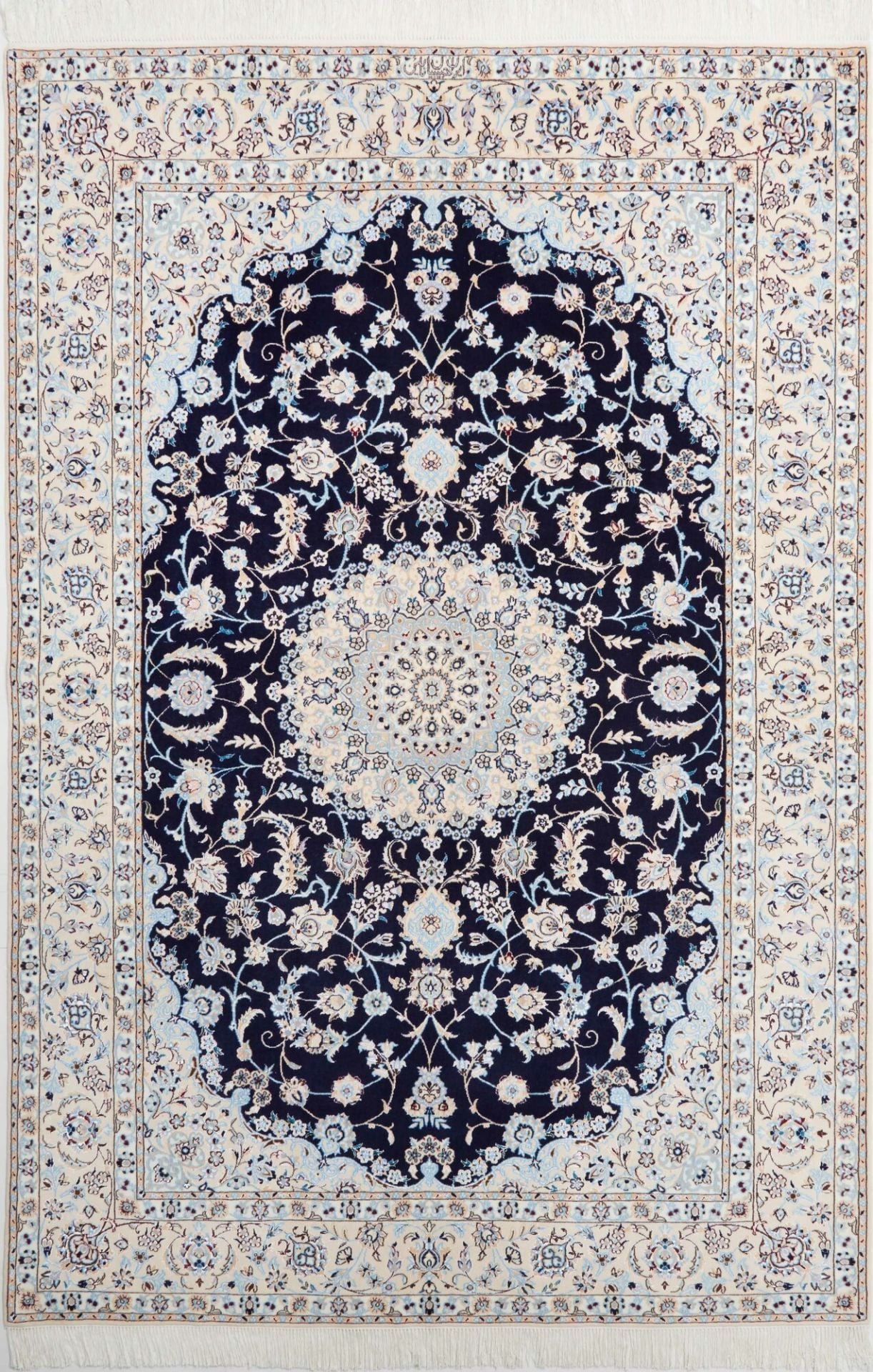
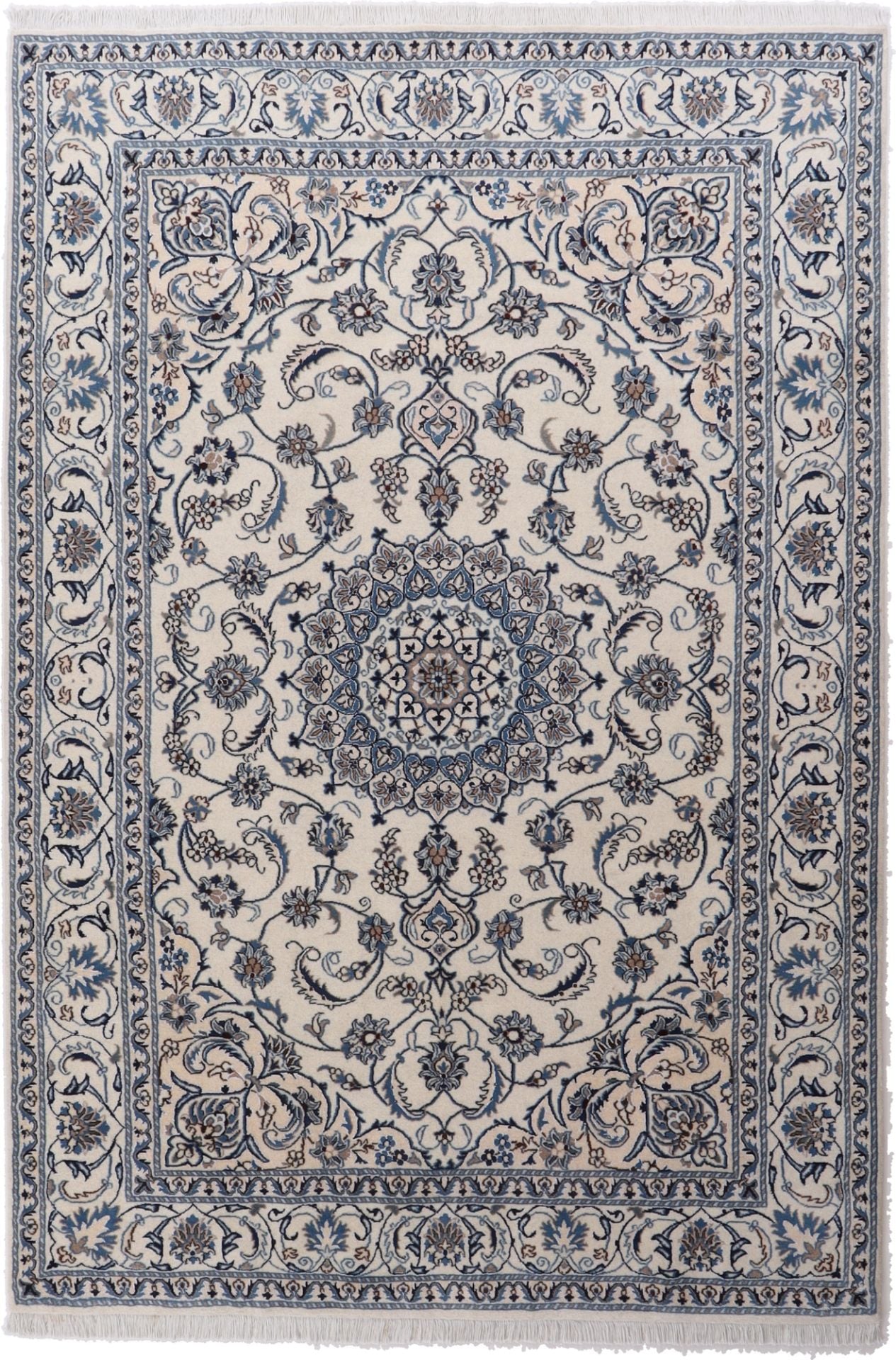
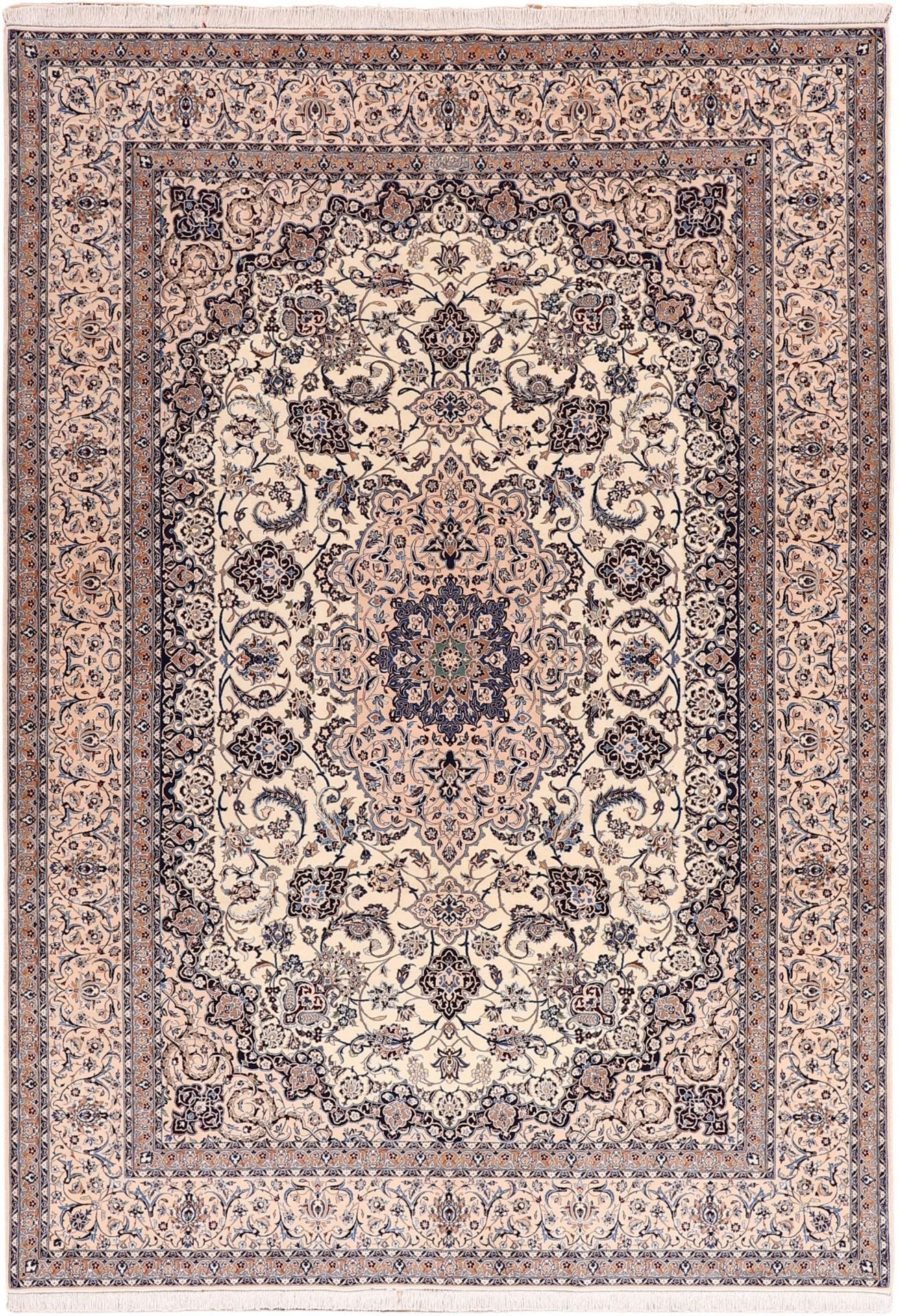
Oriental carpets, like the famous NainCarpets are artfully designed and often hand-knotted. They are usually made of wool or silk and are characterized by their vibrant colors and intricate patterns. These carpets are not only decorative but also valuable works of art that impress with their durability.
1.3. Modern carpets
Modern rugs offer a variety of styles and designs, ranging from minimalist to extravagant. They are often made from synthetic materials that promise durability and easy care. These rugs are ideal for contemporary interiors and bring a breath of fresh air to any room.
1.4. Carpet tiles
Carpet tiles are a convenient and versatile flooring option ideal for commercial spaces. They're easy to install and offer customization options. They're also easier to clean and replace if a stain or damage occurs.
2. Materials for carpets
Choosing the right material is crucial for the longevity and maintenance of your carpet. Here are some of the most popular materials:
2.1. Wool
Wool is a natural and luxurious fabric used to make many types of carpets. It's not only soft and comfortable to walk on, but also stain-resistant and provides good insulation. Wool has the ability to absorb and expel moisture, making it suitable for both warm and cold climates.
2.2. Synthetic fibers
Synthetic materials such as nylon, polyester, or polypropylene are often cheaper and easier to care for than natural fibers. They are extremely durable and available in a wide variety of colors and patterns. However, they are less breathable and offer less thermal insulation.
2.3. Cotton
Cotton is a lightweight, natural material commonly used for rugs in residential areas. Cotton rugs are machine washable and easy to clean, but they are generally not as durable as wool or synthetic materials.
3. Choosing the right carpet
Finding the perfect rug can be overwhelming, especially with so many options. Here are some important aspects to consider when making your choice:
3.1. Scope of use
Consider the room where the rug will be placed. High-quality rugs for the living room may need different features than a rug for the bedroom or children's room. Also consider how heavily the area will be used.
3.2. Setup
The rug should harmonize with the rest of the room. Look for color and pattern combinations that complement your existing furniture and wall colors. Experiment with different styles to achieve the perfect look.
3.3. size
The size of the rug can affect the overall appearance of the room. A rug that's too small can feel lost, while one that's too large can overwhelm the room. Carefully measure the available space before making a purchase decision.
4. Care and cleaning of carpets
A carpet is a long-term investment that requires regular care to maintain its beauty and longevity. Here are some care tips to help you:
4.1. Regular vacuuming
Vacuuming should be a regular part of your cleaning routine. Depending on usage, you should vacuum your carpet at least once a week to remove dust, dirt, and allergens.
4.2. Treat stains immediately
When it comes to stains, it's important to act quickly. Use a clean cloth to blot up any excess liquid and treat the stain with a suitable cleaning agent. Avoid rubbing, as this could work the stain deeper into the material.
4.3. Professional cleaning
For a thorough cleaning, consider having your carpet professionally cleaned every few years. This treatment removes ingrained dirt and restores freshness to the fibers.
5. Current carpet trends
Rugs aren't just functional objects; they also contribute to the aesthetics of your home. Here are some current trends that are popular in the rug world:
5.1. Sustainable materials
The trend toward sustainable home accessories is also affecting rugs. More and more companies are using recycled materials or sustainable raw materials to produce eco-friendly rugs.
5.2. Mosaic and Patchwork-carpets
mosaic and PatchworkRugs are a creative way to combine different textures and colors. These rugs bring joy and individuality to any room.
5.3. Minimalist designs
Minimalism remains a popular trend. Simple, clean patterns and neutral colors are perfect for modern living spaces and provide a calm and relaxing atmosphere.
6. Conclusion
Rugs are a fantastic way to add character and style to your home. Whether you opt for a classic oriental rug, a modern one, or something else entirely, rugs can create a truly unique and stylish living space. Designer-carpet or a practical BerberWhen choosing a rug, there are numerous options to suit your personal taste. Consider its intended use, size, and material, as well as the care required to maintain its beauty. With the right tips and information, you're sure to find the perfect rug to add the finishing touch to your room.
FAQ's
FAQ 1: How much should I spend on a carpet?
Carpet prices vary widely depending on the type, material, and manufacturing process. Simple rugs can be purchased for as little as €50, while high-quality hand-knotted oriental rugs can cost several thousand euros. Set a budget, but remember that a high-quality rug is a long-term investment.
FAQ 2: How often should I clean my carpet?
Regular vacuuming is crucial to remove dust and dirt. For a thorough clean, consider professional cleaning every 1–2 years. Stains should be treated promptly to avoid permanent damage.
FAQ 3: How do I choose the right carpet for allergy sufferers?
For allergy sufferers, carpets made of synthetic materials are often the best choice, as they attract fewer dust and allergens. Also, look for carpets with short-pile fibers, as these are easier to clean. Avoid carpets that emit fumes or allergenic chemicals.