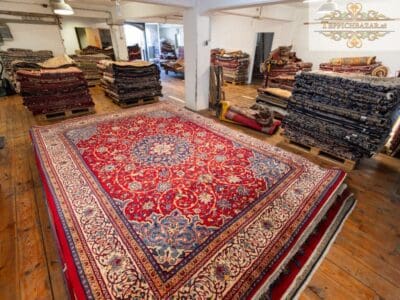
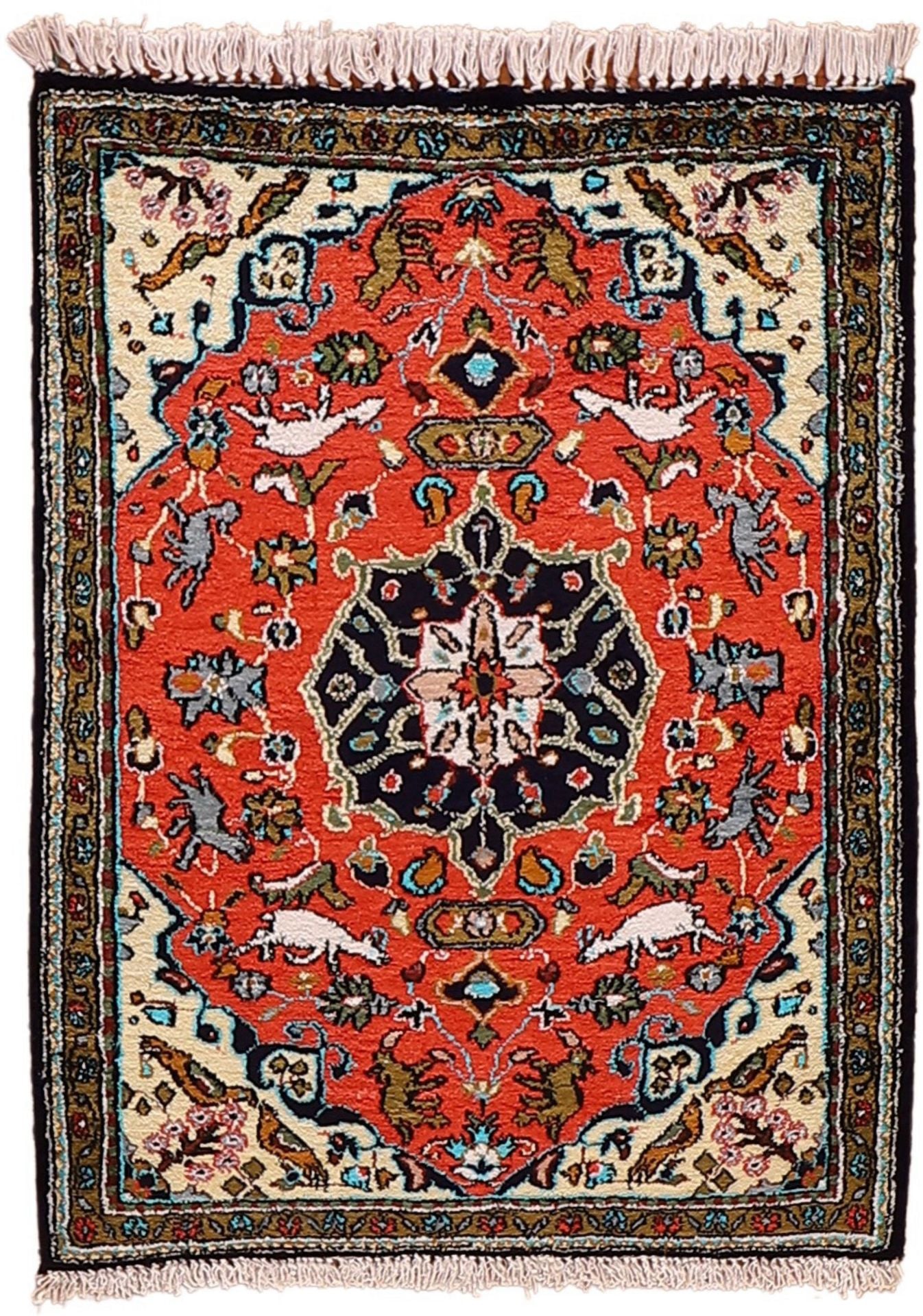
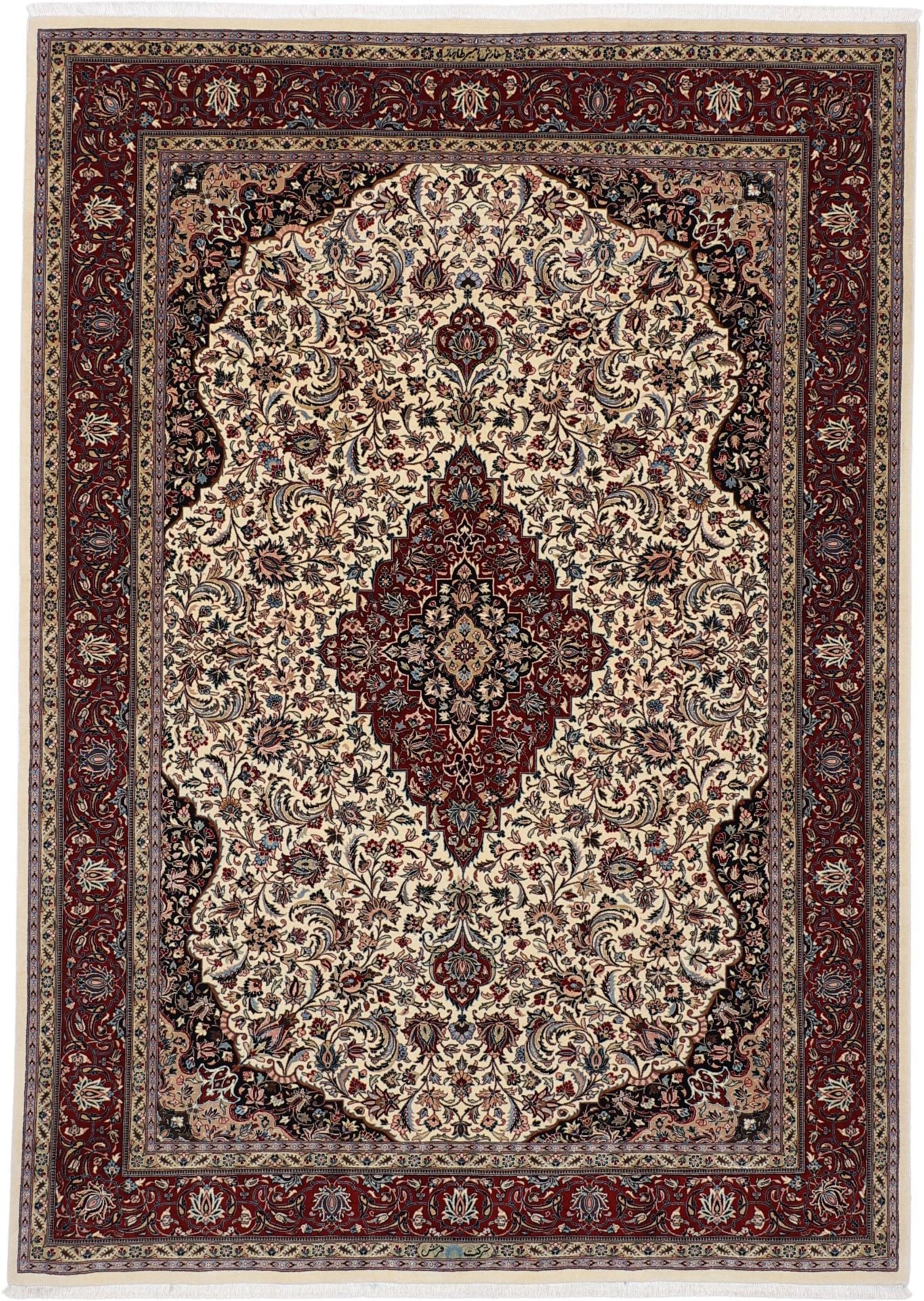
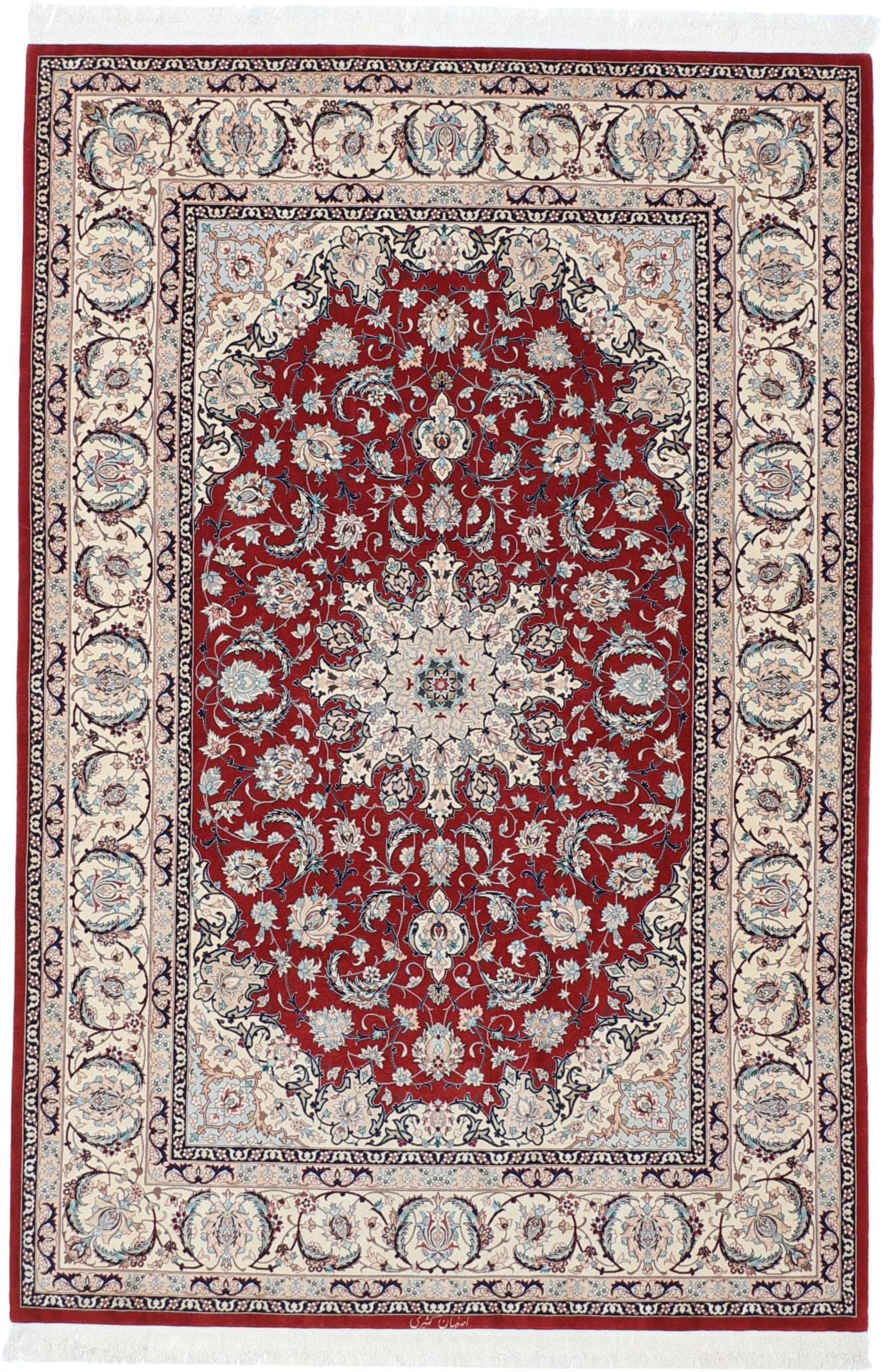
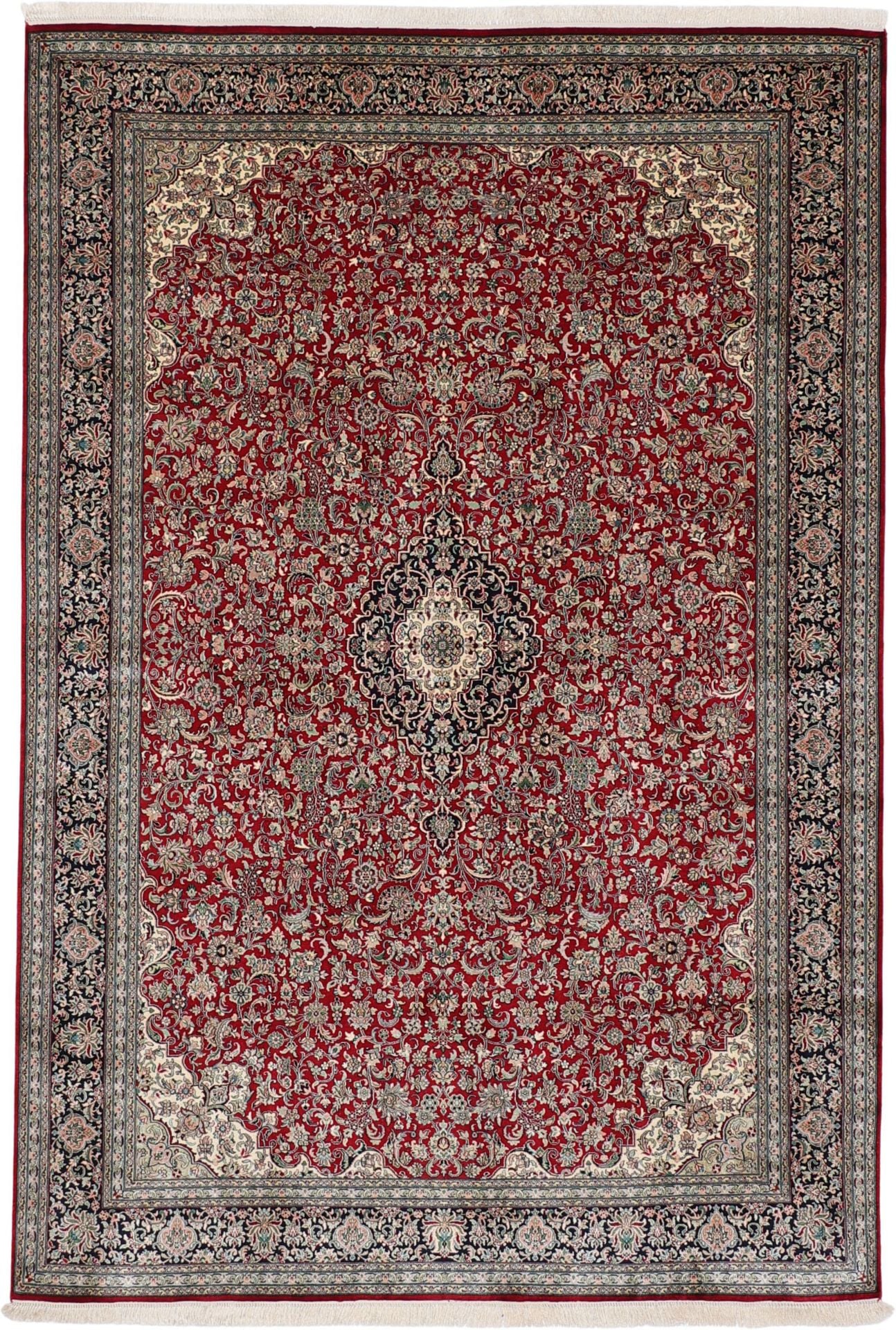
A touch of elegance: The best tapestries for your living room
A touch of elegance: The best tapestries for your living room
The importance of carpets in the living room
Rugs are much more than just floor coverings. They add warmth, texture, and style to rooms. Choosing the right rug is especially important in the living room, where family and friends gather. However, tapestries, often overlooked, can enhance a room in surprising ways and create an elegant atmosphere.
Tapestries: The Art of Decorating
What are tapestries?
Tapestries are decorative fabrics hung on walls to decorate a space and create a cozy atmosphere. These pieces are often intricately designed, and their materials vary from wool to silk to synthetic threads. They can feature both traditional and modern designs, thus suiting any interior style.
Historical perspective
The tradition of tapestry has a long history, dating back to ancient Greece and Rome. In the Middle Ages, tapestries were commonly used in castles and churches to insulate cold walls and serve as storytellers. Each piece was not only a work of art but also a status symbol. Today's use of tapestries is more diverse and offers a way to express one's personal sense of style.
The best materials for tapestries
The choice of material is crucial for the longevity and appearance of a tapestry.
Wool
Wool rugs are particularly robust and durable. They offer natural warmth and are available in a wide range of colors and patterns. Wool has excellent insulating properties and can absorb moisture, making them an ideal choice for different climates.
Silk
Silk tapestries are expensive, but they exude unparalleled elegance. With their soft sheen and delicate texture, they are perfect artistic accents. Silk is more delicate than wool, making it more suitable for less frequently used rooms.
Synthetic materials
Synthetic tapestries are easy to care for and available in a wide range of designs. They are ideal for homes with children or pets, as they are durable and stain-resistant. These rugs offer good value and are often lighter than their natural counterparts.
Styles for tapestries
Choosing the right style depends on both personal taste and the furnishings of the living room.
Traditional carpets
Traditional tapestries often feature complex patterns and colors inspired by different cultures. They can be perfectly showcased in a classic or rustic living room and add character to the space.
Modern carpets
Modern tapestries are often minimalist, featuring clean lines and geometric patterns. These rugs are a perfect fit for contemporary living spaces that demand a directional, elegant style.
Boho rugs
For a more bohemian look, boho rugs offer a mix of different textures and patterns. These rugs are ideal for creating a creative, relaxed ambiance and are a great fit for eclectic interiors.
Choosing the perfect tapestry
Size and proportions
The size of the tapestry should be in proportion to the wall space. A tapestry that's too small can look lost, while one that's too large can overwhelm the room. A good rule of thumb is that the tapestry should cover at least one-third of the wall space.
color selection
The tapestry's color palette should be harmonious with the existing furniture and wall color. Neutral tones can have a calming effect, while vibrant colors can serve as a focal point. Choosing colors that create an emotional connection with the home's residents is essential.
pattern and texture
Patterns can add visual interest to a room. If the furniture and walls are rather uniform, a patterned rug can serve as a striking element. Make sure the rug's textures complement the other materials in the room.
Care and cleaning of tapestries
Caring for a tapestry is crucial to its longevity.
Regular cleaning
Regular vacuuming removes any dust and dirt that may accumulate. It's advisable to use a vacuum cleaner with a brush attachment to avoid damaging the fibers.
Stain treatment
When it comes to stains, it's important to act quickly. Use a mild detergent and a soft cloth to gently blot the stain. Avoid harsh chemicals, as these can affect the carpet's colors.
Professional cleaning
Professional cleaning is recommended every few years to thoroughly clean the carpet and maintain its freshness.
Tapestries as accent pieces
A tapestry can be used as a central element or as an accent piece in the living room. It's worth experimenting with different hanging techniques.
Group arrangement
Arranging several small rugs can create an interesting dynamic. Different shapes and sizes create a unique visual experience.
Focus on a single carpet
A particularly large or artistic piece can serve as the main focal point of the room. Combine it with minimalist furniture to avoid overpowering the design.
Trends in tapestries
The selection of tapestries has increased in recent years. Here are some of the current trends:
Sustainable materials
More and more Designer They focus on sustainable and environmentally friendly materials, reflecting a growing awareness of the environment. These products are often just as beautiful as traditionally made carpets.
Handmade carpets
Handmade tapestries are gaining popularity. Each piece is unique and tells its own story. These rugs are often souvenirs from travels and can add a personal touch to interior design.
Tapestries with texture
Texture is an important design element. Rugs with three-dimensional elements, such as fringes or raised edges, create an additional dimension that reflects light in interesting ways.
Conclusion
Tapestries are a wonderful way to bring florality and elegance into your living room. They not only provide visual appeal but also help create a welcoming atmosphere. Whether you prefer a modern, traditional, or creative boho style, the right tapestry can significantly enhance the ambiance of your living room.
Choosing the right material, size, color palette, and style are crucial to finding the right rug. With a little care and creative arrangement, you can ensure your tapestry remains a timeless piece in your home, combining both functionality and beauty.
FAQ
1. What is the best way to hang a tapestry?
Hanging a tapestry usually requires a suitable hanging method. Adhesive hooks, especially those made with special materials to protect the wall, are a simple solution. Alternatively, you can use a wooden rod and attach it to the wall to hang the tapestry over.
2. How often should I clean my tapestry?
Regular vacuuming is recommended to remove dust and dirt. For more thorough cleaning, the carpet should be professionally cleaned every few years, while minor stains should be treated immediately.
3. Are tapestries suitable for allergy sufferers?
Tapestries can collect allergens such as dust mites and pollen, so regular cleaning is important. There are also special hypoallergenic rugs available on the market that are suitable for allergy sufferers.