The future of running: How modern technologies and designs are revolutionizing our running habits
Preface
Carpets are more than just decorative elements in our living spaces. They are an expression of style, comfort, and functionality. However, in recent years, the carpet industry has undergone significant changes, with modern technologies and innovative designs ushering in a new era of carpet design. These changes are reflected not only in improved aesthetics, but also in material selection, sustainable production, and the functional properties of carpets. In this article, we explore the latest trends in the carpet world and how modern technologies are revolutionizing our expectations of interior design and furnishings.
The development of carpet technology
Traditional vs. modern carpets
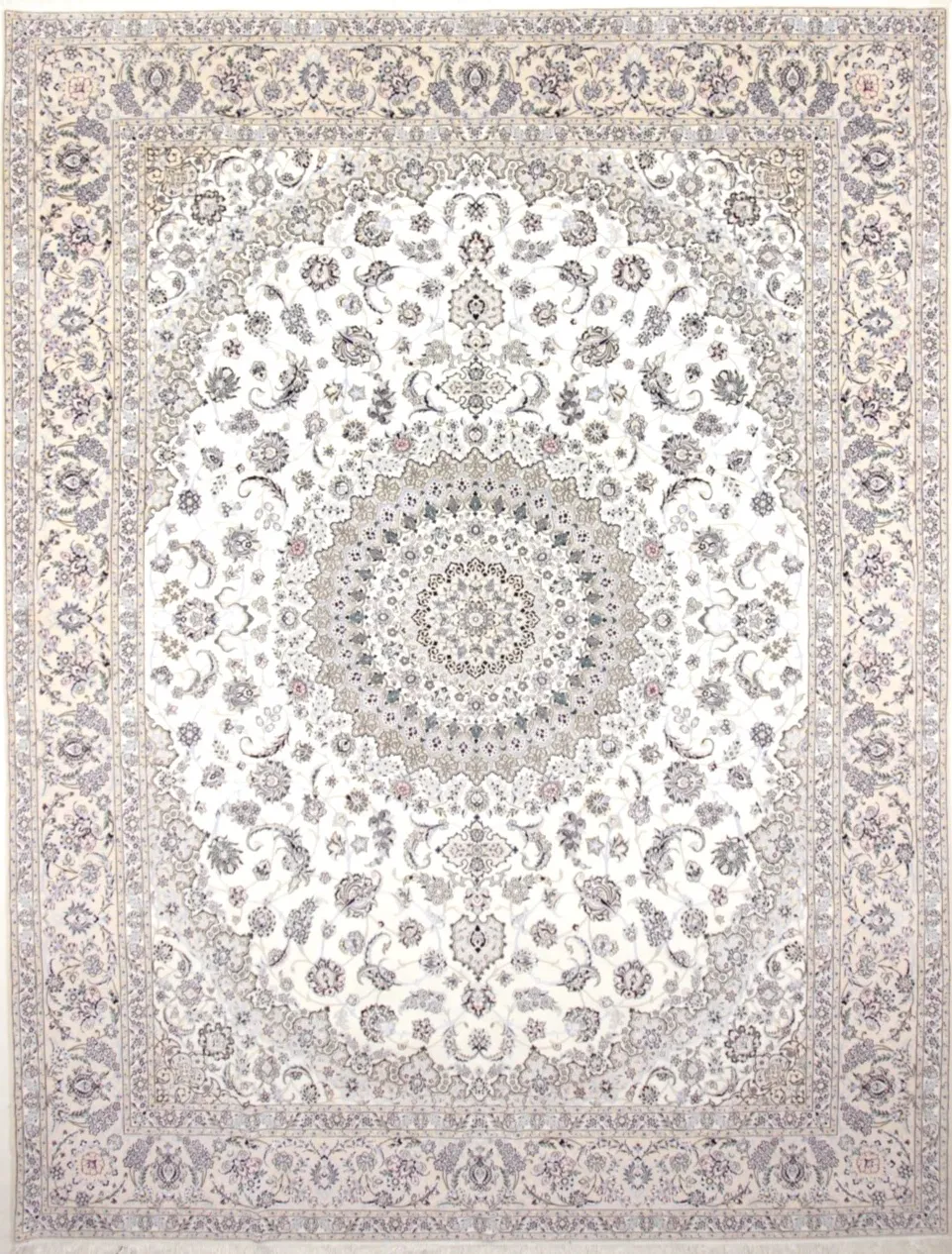
Traditional rugs were often hand-knotted and are known for their intricate patterns and high quality standards. While this craftsmanship is still valued, modern rug technology has made it possible to mass-produce even more sophisticated designs and materials. Digital printing techniques, for example, make it possible to create complex patterns in a short time and at a lower cost.
New materials
Modern rugs are made from a variety of new materials that offer both functional and aesthetic benefits. Synthetic fibers like polypropylene and polyester are not only durable but also easy to clean and hypoallergenic. Many manufacturers are also turning to sustainable materials like recycled PET bottles, which are both environmentally friendly and stylish.
Trends in carpet design
Minimalism
Minimalist design is a clear trend in interior design. Rugs characterized by simple lines and neutral colors create a calm atmosphere and can be combined in a variety of ways. For many buyers, the harmony between rug design and other furniture pieces is crucial for creating an inviting environment.
geometric pattern
Geometric patterns are also very popular. They bring movement and dynamism to a space and can be used to define or accentuate specific areas. Many Designer They combine geometric shapes with bold colors to create a modern and appealing overall look.
Vintage- and boho styles
The return to Vintage Boho styles demonstrate that consumers are increasingly seeking personalized and unique rugs. These designs often combine different textures and colors to create a warm and inviting atmosphere. Vintage rugs are also experiencing a comeback, with many modern variations being created that blend the aesthetics of bygone eras with contemporary materials.
Functionality and comfort
Anti-slip technology
Modern rugs are often equipped with anti-slip technology to ensure they stay in place. This feature is especially important in homes with small children or elderly people, where the risk of falls must be minimized. Innovative materials and special underlays ensure that the rug stays in place even on smooth floors.
Noise reduction
Another important aspect of modern carpet technology is noise reduction. Many carpets are designed to absorb sound, thus helping to improve the acoustics in a room. This is especially important in apartments or multi-unit buildings where noise from neighbors can be a factor.
Allergy-friendly options
For people with allergies or sensitive respiratory tracts, numerous manufacturers offer allergy-friendly carpets. These carpets are made from materials that absorb less dust and allergens and are often machine washable. Furthermore, chemical treatments are often avoided to protect the health of the occupants.
Sustainability in carpet production
Environmentally friendly materials
The carpet industry has increasingly turned to sustainability. More and more manufacturers are turning to environmentally friendly materials and production methods. Recyclable synthetic fibers and organic cotton are just some of the eco-friendly options now available. These materials help reduce the ecological footprint of carpet production.
Ethics and Fair Trade
Another aspect of sustainability is ethical production. Consumers are increasingly placing value on fair trade practices to ensure that the working conditions of the people who produce carpets are fair and sustainable. Certifications such as the Global Organic Textile Standard (GOTS) or the Fair Trade Certificate help manufacturers become more transparent and support conscious purchasing decisions.
Impact of technology on retail
Online shopping experiences
The way consumers purchase carpets has changed significantly in recent years. Online shopping platforms not only offer a wide selection but also innovative ways to visualize carpets in a realistic environment. Virtual reality (VR) and augmented reality (AR) allow shoppers to see their furniture and carpets in their own home before making a purchase decision.
Digitalization in production
Digitalization has also revolutionized production processes. Automated manufacturing processes and computer-aided design programs enable faster and more efficient production. These innovations impact both the quality and cost of carpets, making them accessible to a wider range of buyers.
conclusion
Carpets today are far more than just floor coverings; they are an expression of style, innovation, and sustainability. Developments in carpet technology and growing awareness of eco-friendly practices have revolutionized the industry. The integration of modern designs and materials allows consumers to decorate their living spaces in a way that is not only aesthetically pleasing, but also functional and sustainable. By becoming aware of the latest trends and technologies in the carpet industry, we can not only enrich our surroundings but also contribute to protecting our planet.
FAQ
1. How do I best care for my carpet?
To extend the lifespan of your carpet, regular vacuuming is important. If stains occur, dab them immediately with a damp cloth and mild detergent. For deeper cleaning, use special carpet cleaners or have the carpet professionally cleaned.
2. Which types of carpets are suitable for allergy sufferers?
Allergy sufferers should look for rugs made from natural, hypoallergenic materials, such as organic cotton or specially treated synthetic fibers. Low-pile rugs with simple designs are also less prone to dust accumulation.
3. Can I use my rug outdoors?
There are special outdoor rugs designed for outdoor use. These are made from water- and mold-resistant materials and can withstand UV light. However, be sure to choose a rug that's suitable for outdoor use to avoid damage from moisture.