"The Timeless Beauties: Heris Carpets and Their Heritage of Craftsmanship"
The timeless beauties: Heris carpets and their heritage of craftsmanship
Carpets are more than just floor coverings; they are an expression of culture, tradition, and craftsmanship. Among the many carpets produced over the centuries, Heris carpets are particularly noteworthy. They are not only a testament to regional craftsmanship but also a symbol of the timeless values of beauty and quality. In this article, we embark on a journey through the world of Heris carpets, exploring their history, significance, production, and care.
The history of Heris carpets
The roots of Heris carpets lead us to the Heris region of Iran, known for its unique geographical and ethnic diversity. These carpets originated in the 19th century, a time when carpet manufacturing flourished in Persia. The Heris region, with its fertile soils and rich cultural heritage, became a center for carpet production. Heris carpets are characterized by their vibrant colors, geometric patterns, and intricate designs.
The tradition of carpet weaving in Heris is linked to the nomadic tribes who incorporated their own techniques and designs into carpet making. These carpets are often hand-knotted and are typically made of sheep's wool, known for their durability and softness. Over the years, Heris carpets have gained not only local but also international recognition, and many collectors and enthusiasts today seek out these exquisite works of art.
Materials and techniques
The heart of every Heris carpet is the material, and the wool is particularly prominent here. This is usually carefully sorted, dyed, and then processed into the carpets. Dyeing techniques are often traditional and passed down from generation to generation. Natural dyes from plants and minerals are not uncommon, which not only protects the environment but also gives the carpets a unique color nuance.
The knotting technique used for Heris carpets is one of the oldest and most sophisticated in the world. The high knot count and precise execution of the patterns result in a particularly high level of detail. A hand-knotted Heris carpet can have thousands of knots per square meter, requiring the highest level of craftsmanship. These techniques not only create the stunning designs but also contribute to the longevity of the carpets.
designs and patterns
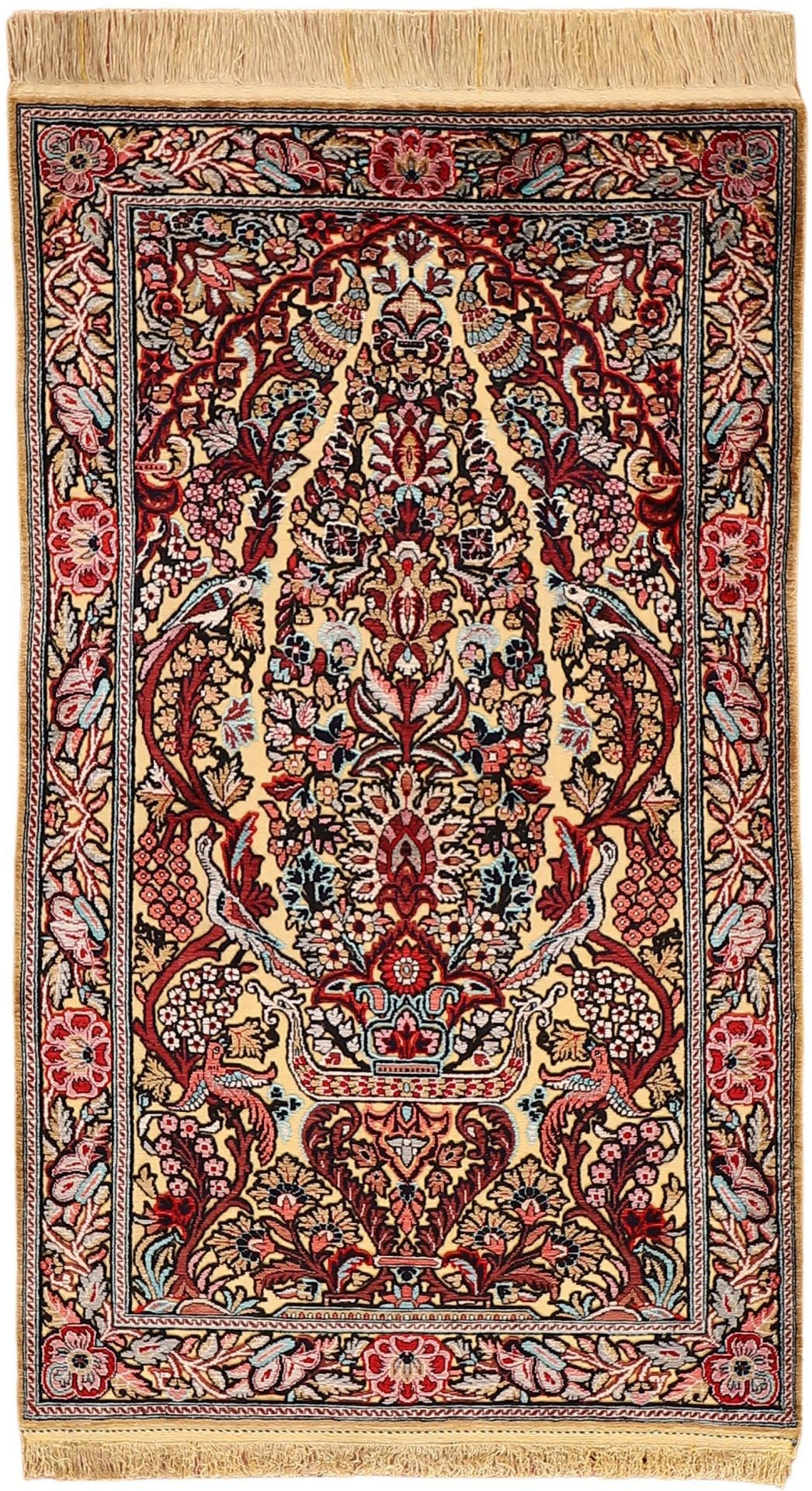
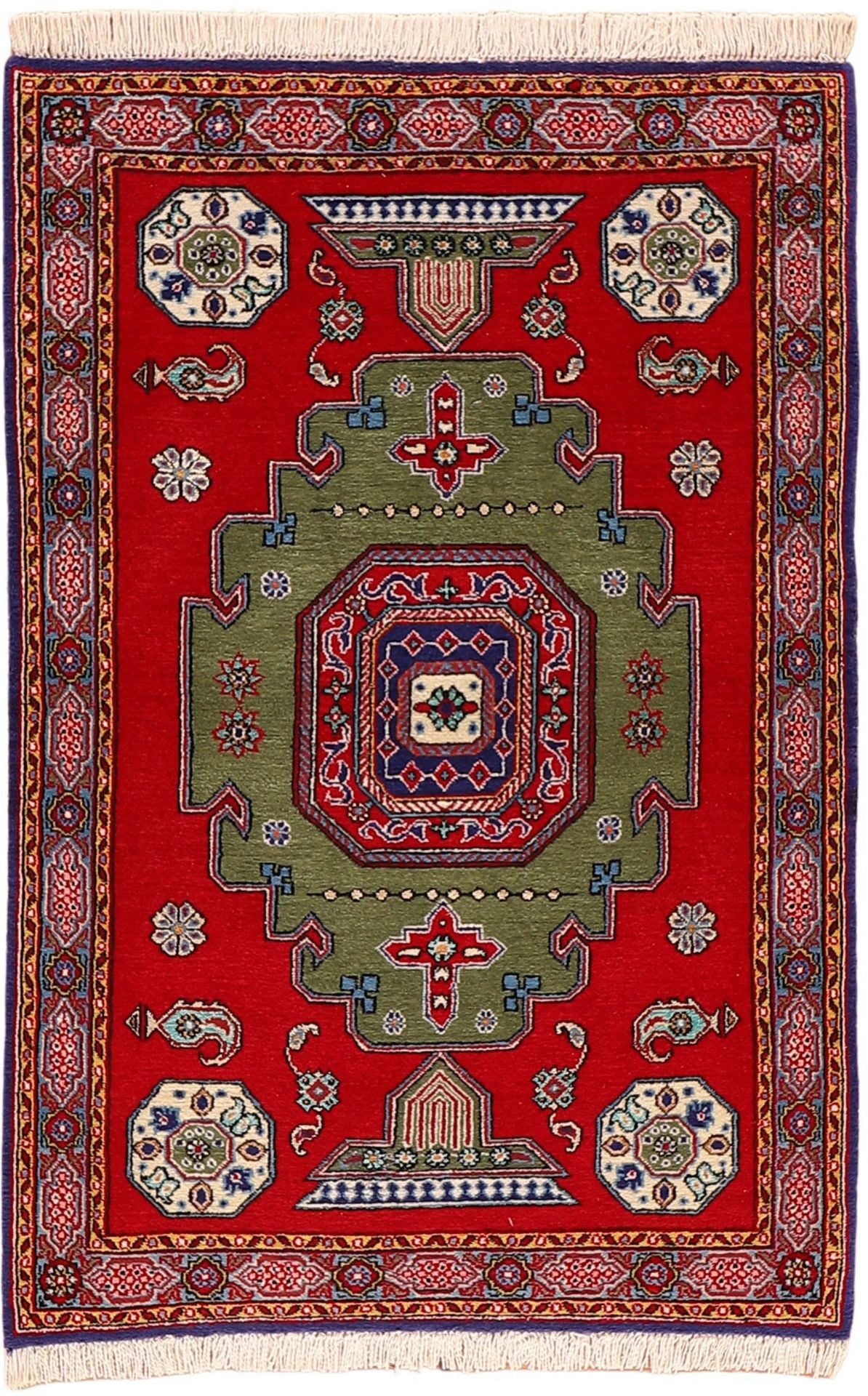
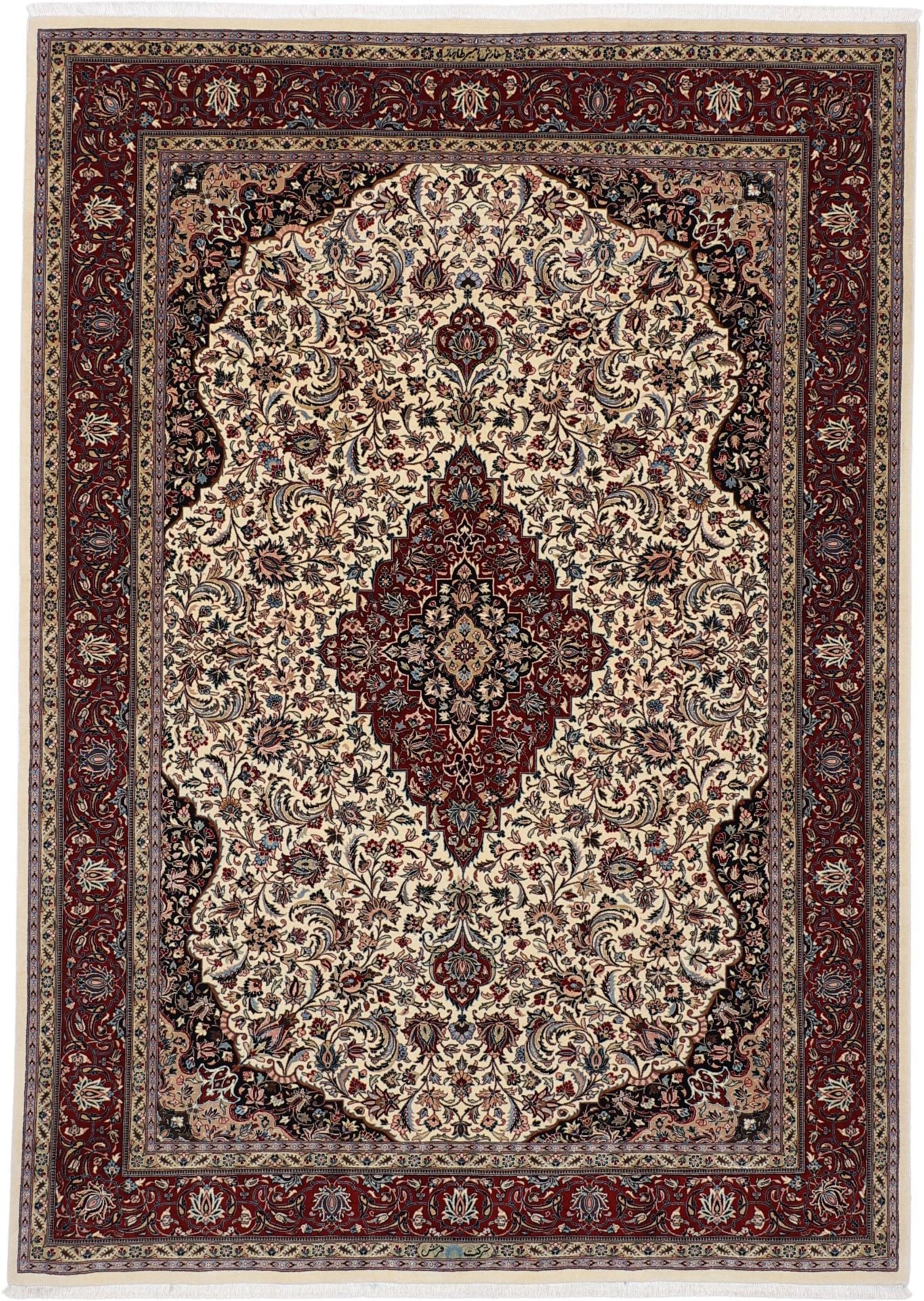
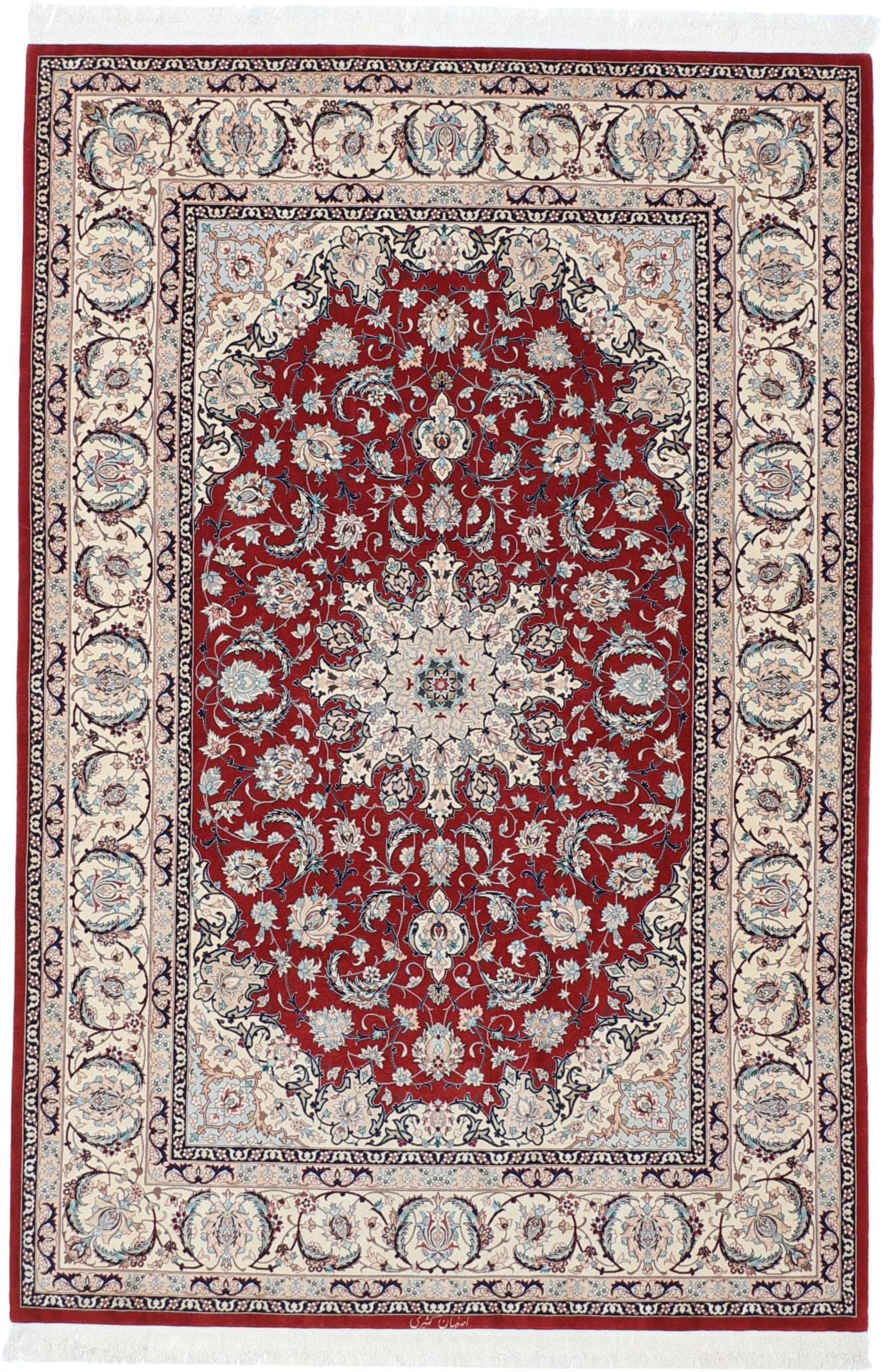
Heris rugs are known for their geometric and floral patterns, often inspired by the surrounding nature. These designs vary depending on the different tribes and technicians who make them. Typical motifs include diamonds, medallions, and stylized flowers arranged in harmonious colors. Each generation of rugs brings its own style and patterns, which often tell stories of those who knotted them.
The color palette of Heris rugs is also remarkable. From deep reds and blues to soft beiges and grays, the colors create a warm and inviting atmosphere in any room. Red and blue tones are particularly prevalent in many Heris rugs, as they symbolize good luck and prosperity.
The importance of Heris carpets today
In a world where mass production often overshadows craftsmanship, Heris rugs are a feast for the eyes and the heart. They represent the preservation of traditions and the appreciation of craftsmanship. Purchasing a Heris rug is not only an investment in a beautiful home accessory, but also in the culture and history of an entire people.
Today, Heris rugs are popular in both traditional and modern living spaces. They add character and style to any room and are extremely versatile. Whether in the living room, bedroom, or hallway, a Heris rug draws attention and creates a pleasant atmosphere.
Care and Maintenance
A Heris rug is not only a work of art, but also an investment that deserves proper care. Here are some care tips to ensure your rug remains beautiful for years to come:
Regular cleaning : Vacuum your carpet regularly to remove dust and dirt. Use a soft brush and make sure the vacuum cleaner doesn't pull too hard to avoid damaging the fibers.
Stain removal : Treat stains immediately. Use a damp cloth and mild soap. Gently rub the stain without applying too much pressure.
Professional cleaning : It is recommended to have the carpet professionally cleaned every few years. This ensures a deeper cleaning and preserves the colors and structure of the carpet.
Proper lighting : Avoid direct sunlight, as this can fade the carpet's colors. Use curtains or blinds to protect the carpet from UV rays.
- Rotation of the carpetRotate the carpet regularly to ensure even wear. This helps prevent certain areas from wearing more than others.
Summary: Key takeaways about intuitive eating
Heris rugs are truly timeless beauties that not only impress with their craftsmanship but also carry deep cultural significance. They bear witness to a tradition that has endured for centuries and represent the artistry and dedication of the artisans who weave them. Caring for such a rug is crucial to ensuring its beauty and longevity.
Whether as a collectible, decorative item, or part of a home interior, Heris rugs fit into any environment and enrich it with their unique charm. They are more than just a floor covering; they are a part of the history, culture, and soul of a people.
FAQ
1. Where do the Heris carpets come from?
Heris carpets originate from the Heris region of Iran, known for its long tradition of carpet making. The carpets originated in the 19th century and are still hand-knotted today.
2. How can I care for my Heris carpet?
To extend the life of your Heris carpet, vacuum it regularly, treat stains promptly, have it professionally cleaned, and protect it from direct sunlight.
3. What are the typical motifs and colors of Heris carpets?
Heris rugs are known for their geometric and floral patterns in harmonious colors such as deep red, blue, beige, and gray. The designs are often inspired by nature and vary according to the traditions of the weaving tribes.