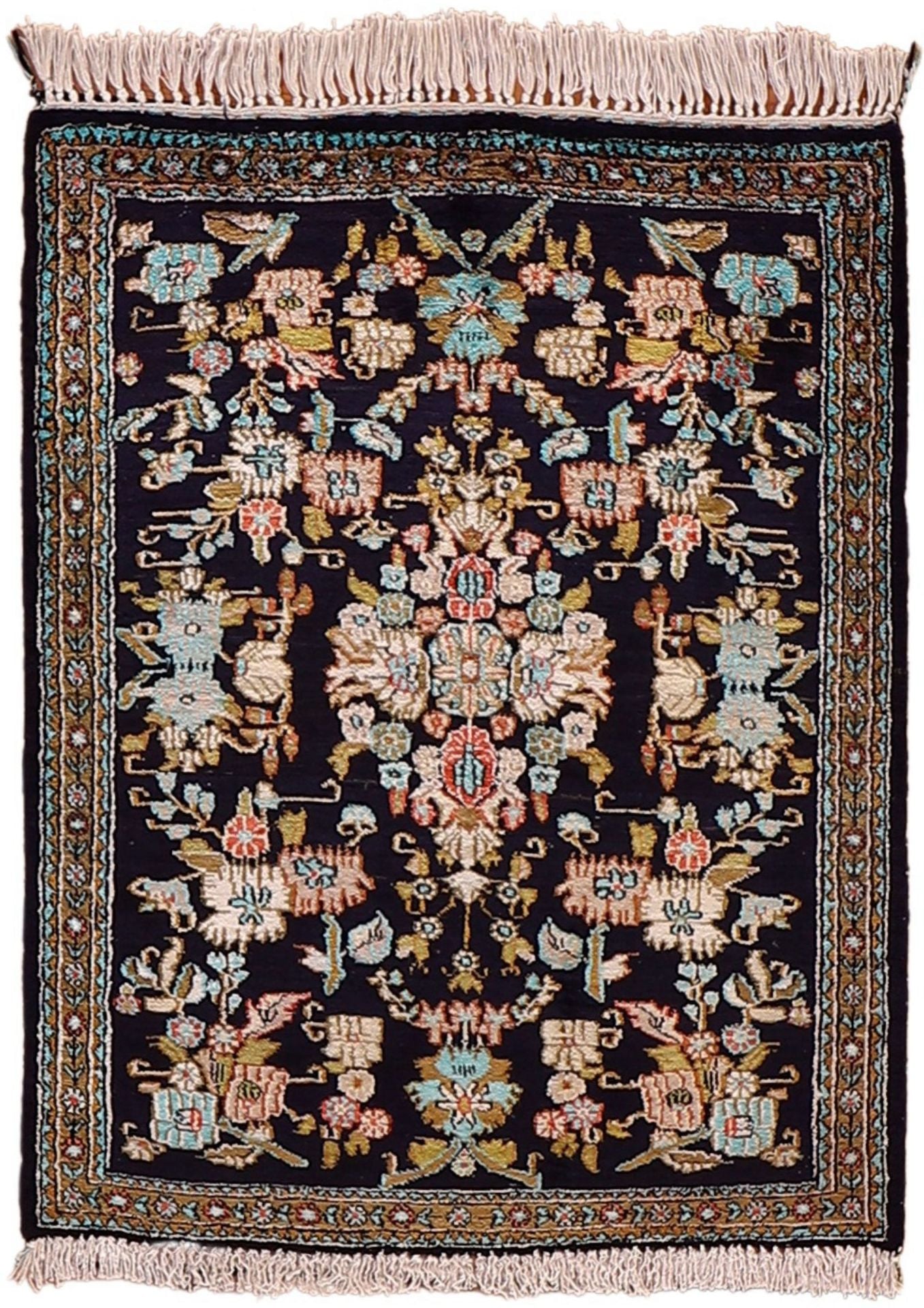
The timeless beauty of Persian carpets: craftsmanship and tradition
Introduction to the world of carpets
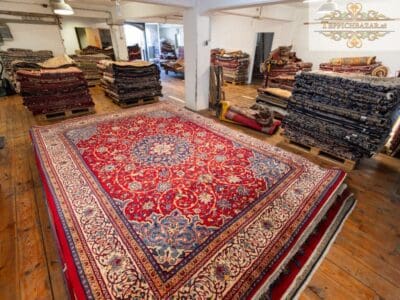
Carpets are not just practical floor coverings, but also works of art that tell stories. Persian carpets, in particular, with their long history and deep cultural significance, are considered masterpieces of craftsmanship. In this article, we delve into the fascinating world of carpets, their typical characteristics, manufacturing processes, and the reasons why they possess such timeless beauty.
The history of Persian carpets
Origin and development
The tradition of carpet making in Persia (now Iran) dates back over 2.500 years. The ancient Persians used carpets not only as home accessories but also to represent their stories and beliefs. Many early carpets are artifacts discovered in the ruins of ancient cities such as Persepolis, providing valuable insights into the craftsmanship of the time.
cultural significance
Carpets play a central role in Persian culture. They are not only a symbolic piece of furniture, but also a sign of status and wealth. They are often presented as gifts on special occasions such as weddings and other celebrations.
The craftsmanship of carpet making
Materials
The quality of a carpet depends heavily on the materials used. The finest Persian carpets are made of pure wool, silk, or a combination of these two materials. Wool offers excellent durability and warmth, while silk provides an elegant sheen and softness.
Manufacturing process
1st draft
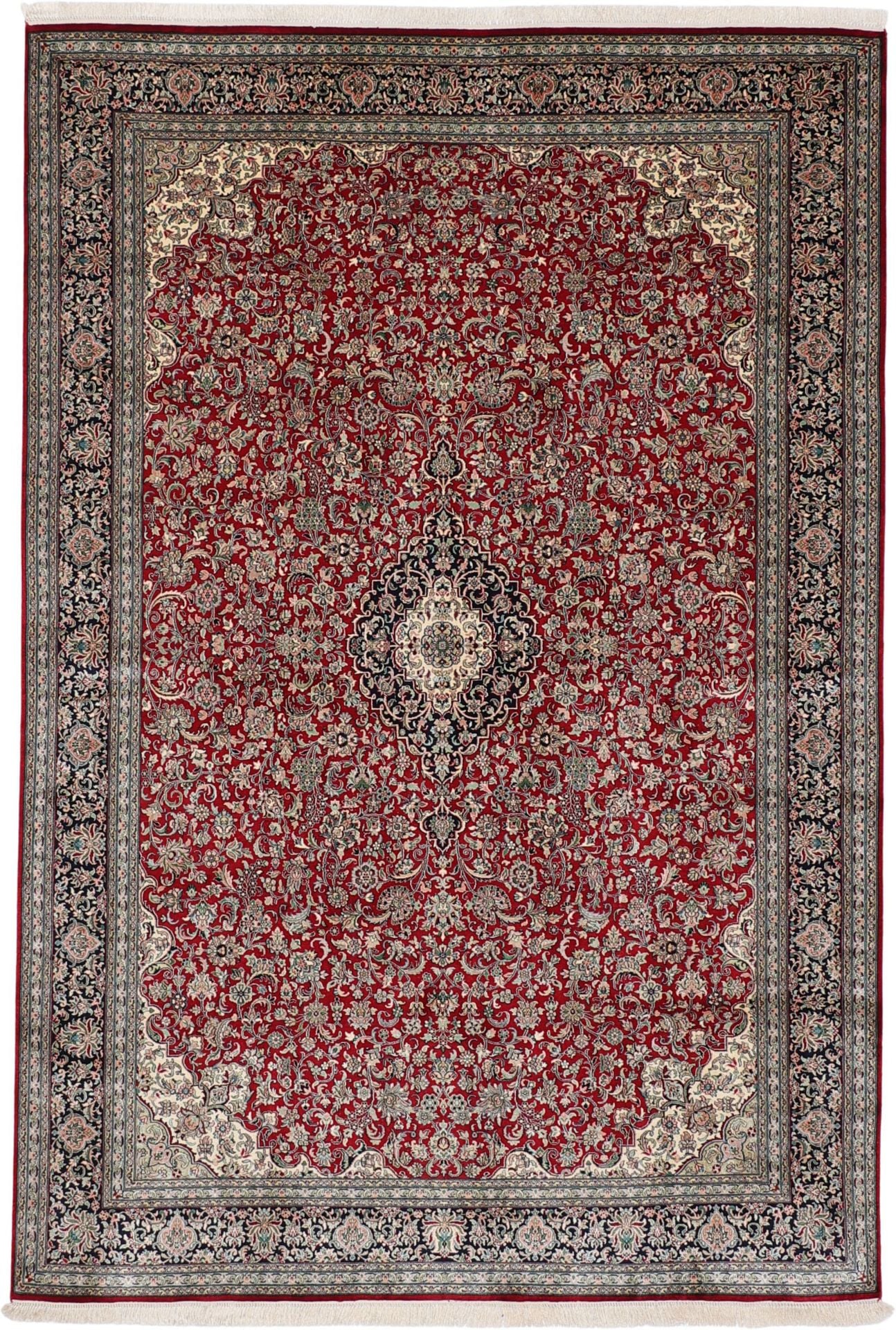
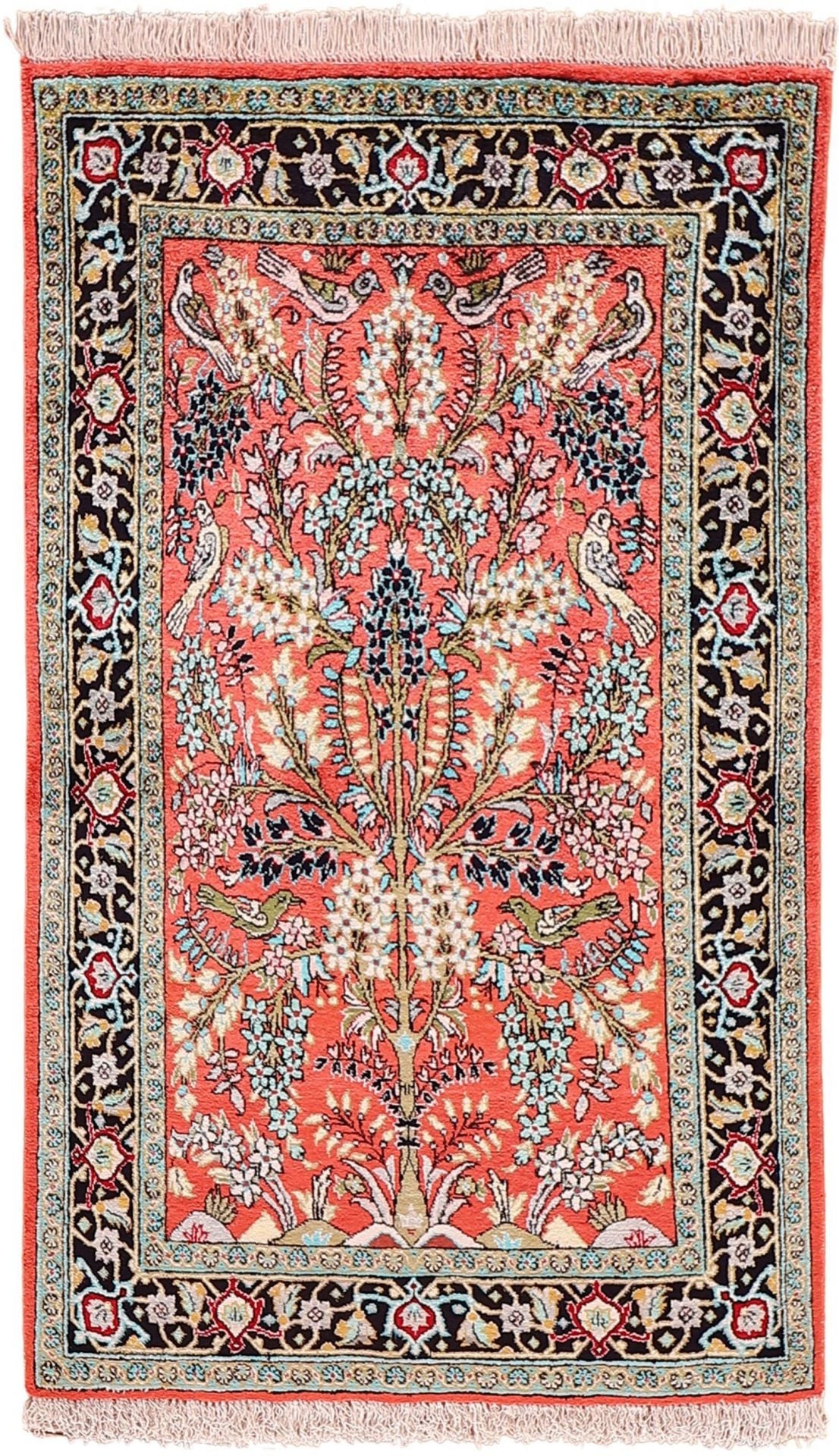
Creating a carpet is a creative process that often takes several months. The design and patterns reflect local traditions and symbols. Popular motifs include floral patterns, geometric shapes, and complex compositions.
2. Coloring
The wool is traditionally dyed using natural dyes derived from plants, minerals, and insects. These dyes are not only environmentally friendly but also long-lasting, contributing to the timeless beauty of the rugs.
3. Knotting technique
The most well-known technique in carpet making is hand knotting. In Persia, the so-called "Persian knot" is predominantly used, known for its density and durability. An experienced maker can weave over 500.000 knots per square meter.
4. Completion
After knotting, the rug is thoroughly cleaned to remove loose fibers and enhance the colors. Finally, the rug is cut to its final size, and the edges are reinforced to prevent fraying.
Types of Persian carpets
carpets off Tabriz
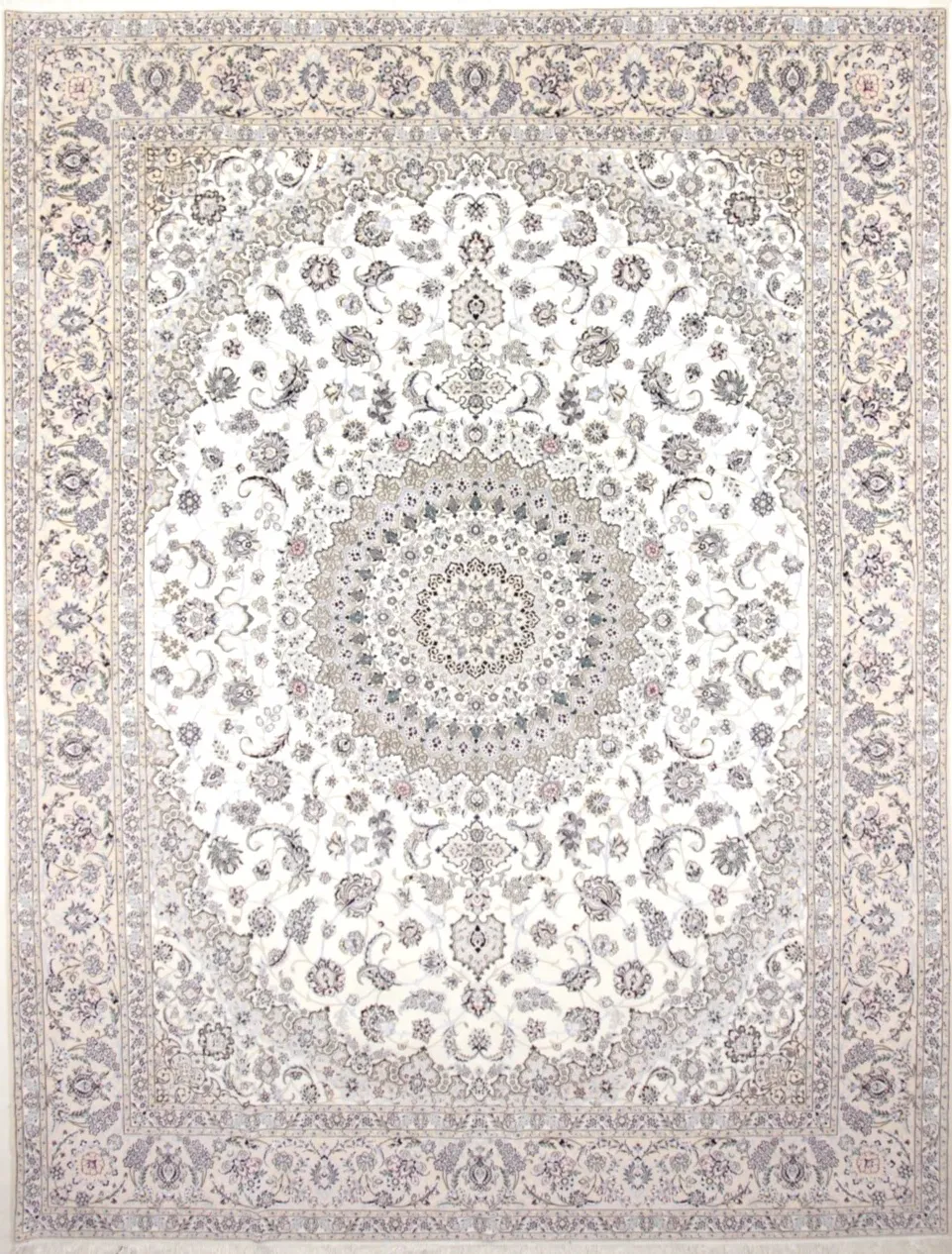
These carpets are known for their fineness and attention to detail. They often feature complex floral-geometric motifs and a wide range of colors.
carpets off Isfahan
IsfahanThese carpets are famous for their artistic designs and the use of silk. They are among the most expensive Persian carpets.
carpets off Kashan
KashanCarpets are often made of wool or a wool-silk blend and are characterized by their bright colors and detailed patterns.
nomadic carpets
These rugs are made by nomadic tribes and are often less detailed but more robust. They are an important part of the life of nomadic communities and reflect their culture.
The timeless beauty of carpets
The beauty of carpets, especially Persian carpets, is undeniable. Their craftsmanship, use of traditional materials, and deep-rooted history make them particularly attractive to collectors and enthusiasts.
Aesthetic functions
Rugs bring warmth and style to any room. They can serve as a central decorative element or be harmoniously integrated into existing interior design. The variety of patterns and colors makes it easy to find a rug that suits every home style.
investment in quality
Persian rugs are often a worthwhile investment. Not only are they durable, but they also retain their value or even increase in value over time. High-quality rugs can be passed down from generation to generation.
Carpet care and cleaning
Proper care is crucial to ensure the beauty and longevity of a carpet.
Regular cleaning
It's important to clean carpets regularly to remove dirt and dust. High-quality carpets can also be professionally cleaned.
stain removal
Stains should be treated quickly. Never use harsh chemicals. A mild soap solution and a soft cloth are often sufficient.
Protection
To protect the rug, place it in a location away from direct sunlight. Rug pads can also help protect the rug and prevent slipping.
Choosing the right carpet
Size and shape
The size of the rug should match the size of the room. In large rooms, a larger rug can create a visual focal point, while smaller rugs are suitable as accents.
color and pattern
The choice of color often depends on the existing interior design. Light colors can make a room appear larger, while dark colors create a cozy atmosphere. Patterns should coordinate harmoniously with the rest of the decor.
Style & Design
Whether traditional or modern, the rug should reflect your personal style. There are a variety of designs that incorporate both classic and contemporary elements.
Final section
The fascination with Persian carpets is kept alive by their timeless beauty, breathtaking craftsmanship, and deep-rooted tradition. They are more than just floor coverings; they are an expression of culture, history, and craftsmanship. They can add warmth and character to a room while also serving as a valuable investment. Those who discover the world of carpets will not be disappointed by the diversity and history inherent in each piece.
FAQ
1. How can I ensure that I am buying an authentic Persian carpet?
Pay attention to certificates and proof of origin. Ask the seller about the origin and manufacturing method, and find out about the symbolism of the patterns.
2. How expensive are Persian carpets?
Prices vary widely depending on size, material, and craftsmanship. A high-quality Persian rug can cost anywhere from a few hundred to several thousand euros.
3. Can I use a Persian rug outdoors?
Persian rugs are primarily intended for indoor use. Outdoor use can damage the material. If a rug is needed for outdoor use, weather-resistant versions are recommended.
Carpets are a wonderful element of interior design and a valuable heirloom that can last for generations.