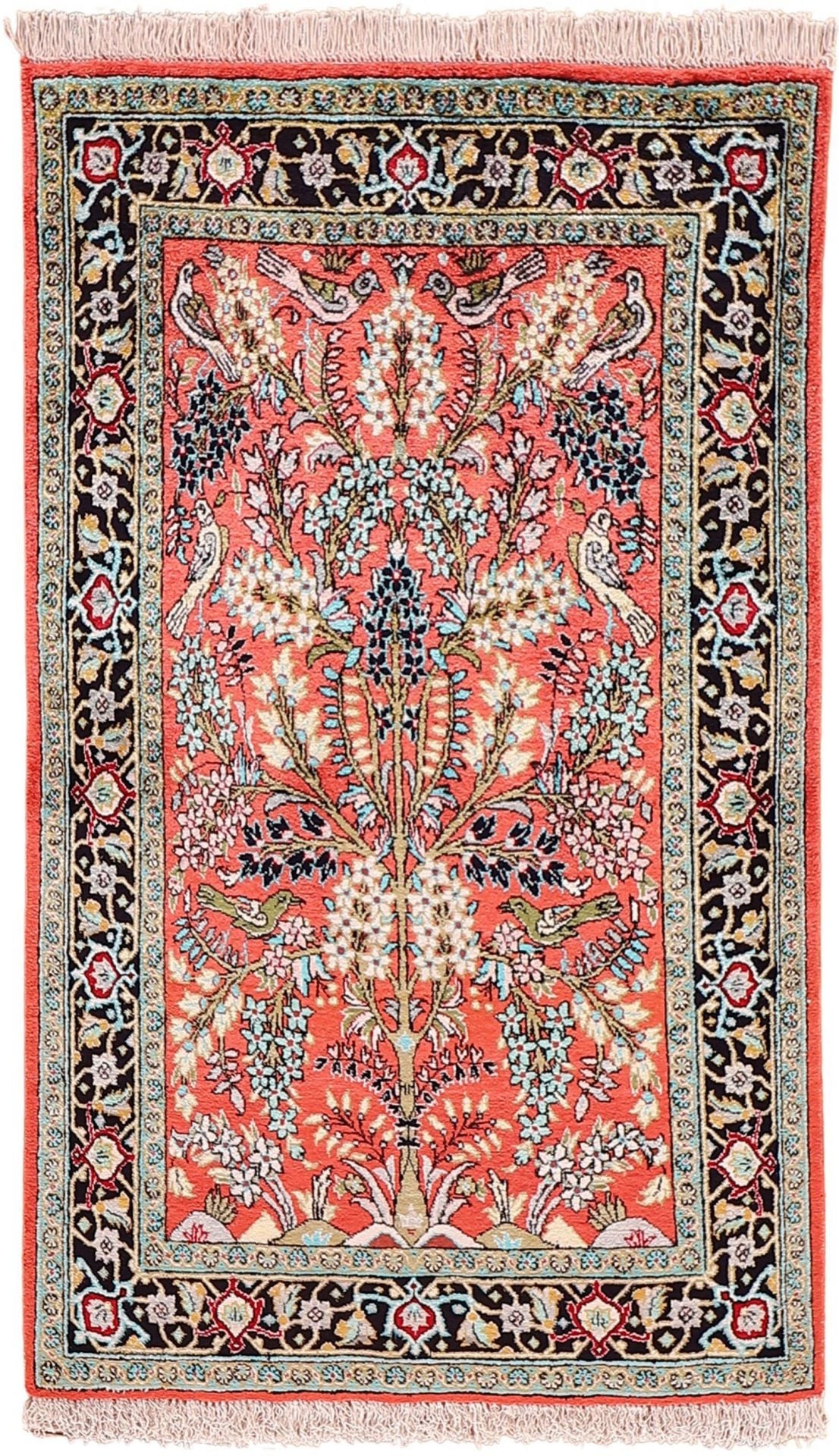
The timeless beauty of oriental carpets: culture, art and craftsmanship from the Orient
Introduction to the world of carpets
Carpets are not just practical objects that adorn the floor and bring warmth to the home; they are also works of art that tell stories and reflect cultural traditions. Oriental carpets, in particular, are famous for their timeless beauty and rich symbolism. This article will delve into the fascinating world of carpets, especially oriental ones, and explore their history, art, and craftsmanship.
The history of oriental carpets
Origins and development
Oriental carpets have their roots in the vast regions of the Middle East, Central Asia, and Turkestan. The first mention of knotted carpets can be traced back to the 5th century BC, when they were produced by the Persians and other peoples. With the spread of Islam and changing social structures, carpets experienced a rise in popularity and sophistication.
Cultural influences from various regions, such as the Ottoman, Safavid, and Mughal periods, led to diverse designs and techniques. The art of carpet making was refined to extraordinary levels during these periods, setting standards for subsequent generations.
Distribution areas and their influences
Oriental carpets are produced in numerous countries, including Iran, Turkey, Afghanistan, Pakistan, and India. Each region has its own style and specific techniques that reflect its cultural and historical backgrounds. Carpets from Iran, for example, are characterized by complex patterns and vibrant colors, while Turkish carpets often feature geometric designs with cultural symbols.
The craft of carpet making
material selection
The quality of a carpet depends largely on the materials used. Traditionally, natural fabrics such as wool, silk, and cotton are used because they are both durable and aesthetically pleasing. Wool provides excellent insulation and is a popular material for making carpets in colder regions. Silk, on the other hand, is often used in more luxurious carpets due to its luster and fine texture.
Carpet weaving techniques
Carpet weaving is a demanding process that requires considerable skill. Different knotting techniques, such as the Persian or Turkish knot, determine the density and pattern of the carpets.
The Persian knot
The Persian knot is one of the oldest and most complex knotting techniques. This knot is particularly strong and allows for the creation of very fine and detailed patterns. Carpets knotted using this technique are often highly valued and prized.
The Turkish knot
The Turkish knot is easier to knot and allows for faster production. It creates a more robust structure and is often used for rugs intended for everyday use.
design and pattern
Patterns and designs are a central aspect of oriental rugs. Each pattern tells its own story and is often associated with meaning and symbolism. Popular motifs include floral designs, geometric shapes, and animal motifs. The use of certain colors also has a deeper meaning; for example, red often represents happiness and prosperity, while blue represents spirituality and peace.
The cultural significance of oriental carpets
Spiritual Symbolik
In many cultures, rugs have a deeper symbolic meaning. They are often used as part of religious ceremonies and traditions. In Islam, in particular, rugs are a central part of the prayer ritual. The prayer rug is spread out on the floor, providing a pure place for prayer.
economic aspects
Carpet manufacturing contributes significantly to the economies of many countries. In countries like Afghanistan and Pakistan, carpet production is an important source of income for many families. The local preservation and transmission of craft techniques play an important role in these communities and are part of their cultural identity.
Art and aesthetics
Carpets are often viewed as mobile canvases on which artists can express their creativity. Many carpet weavers are also master craftsmen, passing on their expertise through generations. Each piece is unique and bears the signature of the individual weaver or carpet weaver, making it a valuable work of art.
Care and maintenance of carpets
Regular cleaning
To preserve the beauty and longevity of oriental rugs, regular cleaning is crucial. Vacuuming should be done from time to time to remove dust and dirt that may be embedded in the weave. It's advisable not to vacuum the rug directly, but rather use a gentle setting.
Professional cleaning
For thorough cleaning and stain removal, it's often necessary to call in a professional carpet cleaner. These experts understand the specific needs and materials of oriental carpets and can prevent damage.
Storage
When storing rugs for extended periods, they should be rolled rather than folded to avoid creases and breakage. It's also important to protect the rug from moisture and direct sunlight.
The current carpet market
Trends in carpet design
The modern carpet market is undergoing remarkable development. In recent years, minimalist and Scandinavian designs have gained popularity, while hand-knotted carpets are still valued for their quality and uniqueness. The combination of traditional craftsmanship with modern, creative designs is an exciting trend that brings old and new generations together.
Sustainability and ethical trade
In light of global issues, many manufacturers have begun using sustainable materials and production techniques. Ethics are playing an increasingly important role in the carpet industry, and consumers are encouraged to pay attention to transparency and fair trade practices.
Final section
The fascinating world of oriental carpets reflects the cultural diversity and craftsmanship of the Orient. Each work of art tells the story of its origins, the artistry of its creator, and the cultural significance it embodies. In an online carpet shop, you'll find not just a piece of furniture, but a piece of history and culture that will enrich your home. When you choose a carpet, you're not just choosing a decorative addition, but also a legacy of art and craftsmanship.
FAQ
1. How do I recognize the quality of an oriental carpet?
The quality of an oriental rug can be assessed based on its material, knot density, and craftsmanship. High-quality rugs are often made of wool or silk and have a high knot density. Also pay attention to the consistent workmanship and the absence of defects.
2. How do I properly care for my carpet?
To extend the lifespan of your carpet, vacuum it regularly and remove stains promptly. Professional cleaning is recommended to ensure thorough cleanliness. Store the carpet rolled up when necessary and protect it from direct sunlight.
3. Where can I find authentic oriental carpets?
Authentic oriental rugs can be found in specialized rug shops or online stores that specialize in historic and handmade rugs. Pay attention to certificates and the provenance of the rugs to ensure you're purchasing a genuine work of art.