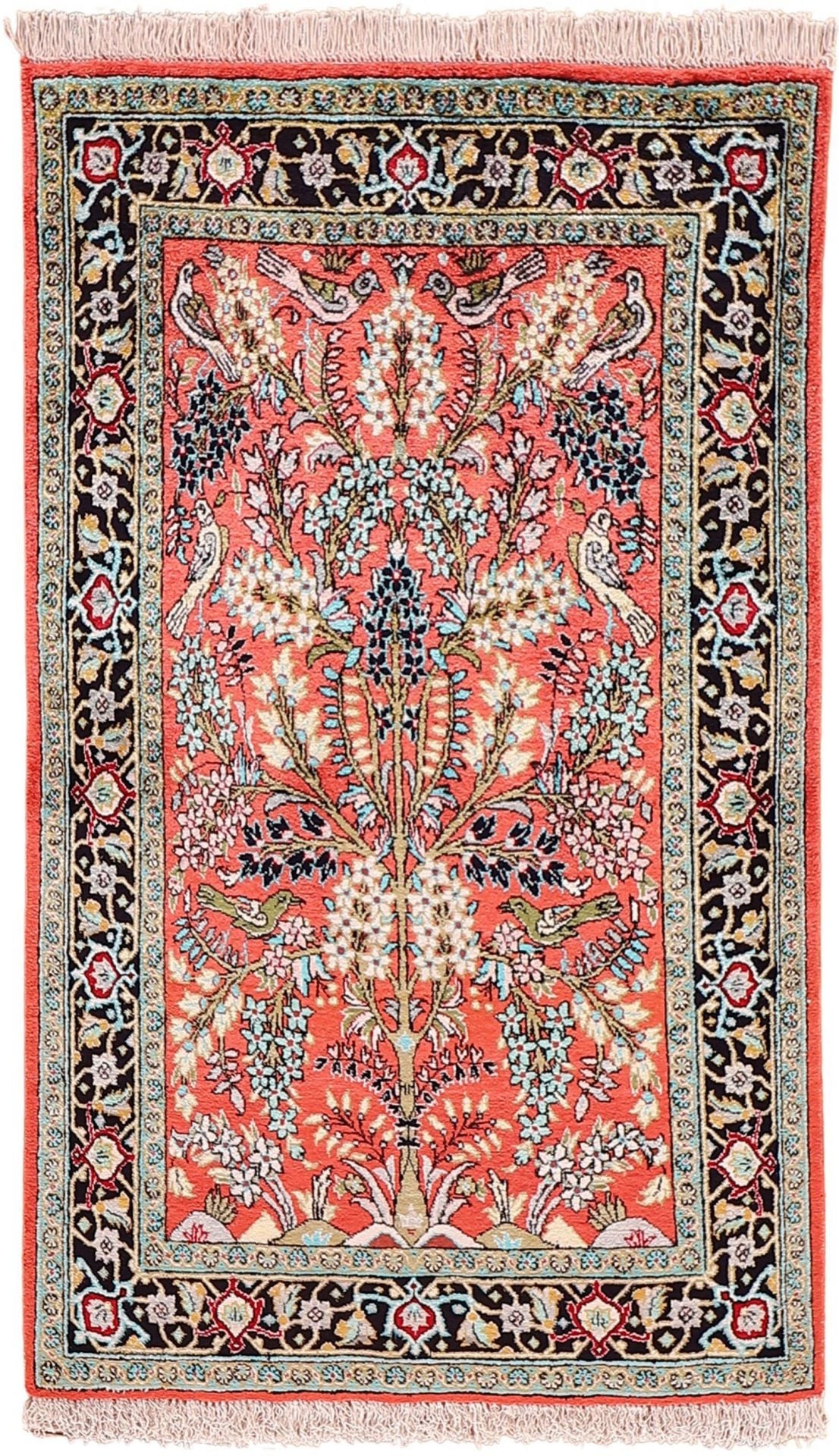
"The timeless beauty of Samarkand-Carpets: Crafts and tradition from Central Asia"
Carpets: Crafts and tradition from Central Asia
Carpets are more than just floor coverings; they are living works of art that tell stories. Especially SamarkandCarpets made in the city of the same name in Uzbekistan exemplify the rich tradition and craftsmanship of Central Asia. This article will delve into the history, manufacturing processes, different types of carpets, and offer tips on carpet care and purchase.
The history of carpet art in Central Asia
The tradition of carpet weaving in Central Asia dates back centuries and is closely linked to the history of nomads. Many carpet designs reflect the culture and way of life of the people who created them. In the region around Samarkand The carpet was an important trade good that was transported via the Silk Road, thus connecting different cultures.
The role of Samarkand
Samarkand, one of the oldest cities in the world, was an important center of the Silk Road from the 7th century onwards. Merchants from all over Asia met here, and this diversity of cultures made Samarkand to a melting pot of traditions. The art of carpet making flourished, and the city became known for its exquisite carpets, which were prized both regionally and internationally.
Influence of religion and culture
The carpets in Samarkand They are not only aesthetically significant, but also culturally and religiously. Many patterns and designs are inspired by Islamic art and architecture. Geometric shapes, floral motifs, and arabesque ornaments are common elements that reflect the spiritual background and cultural roots of the region.
Manufacturing process of Samarkand-carpets
Making a carpet is a time-consuming and complex process that requires not only artistic skill but also historical techniques.
Materials
The quality of a rug depends primarily on the materials used. Traditionally, wool, silk, and cotton are used. Wool is particularly popular because it is warm, durable, and easy to dye. Silk, on the other hand, gives the rug a luxurious sheen and is often used for finer, more detailed rugs. Choosing the right fibers is crucial for the durability and appearance of the finished product.
Dyeing techniques
The coloring of the carpets plays a crucial role in their overall appearance. Traditionally, natural dyes derived from plants, minerals, and insects are used. These dyes are not only environmentally friendly but also durable. The dyeing techniques are often secret and passed down from generation to generation.
knotting techniques
Knotting is the heart of the carpet manufacturing process. The higher the number of knots per square centimeter, the finer the carpet. SamarkandThese carpets often use the Persian knot, known for its durability. The weavers employ special techniques to create patterns and designs that are unique and often highly complex.
design and pattern
The design of a carpet is often a collaborative effort that reflects the collective heritage of the region. The patterns can be inspired by nature, traditional architecture, or religious symbols. Each design has its own meaning and tells its own story.
Types of Samarkand-carpets
Samarkand produces a wide variety of carpet types, each with its own character and style.
Shaggy carpets
Soft and comfortable, deep-pile rugs are ideal for living rooms or dining areas. They offer not only aesthetic appeal but also warmth and coziness.
Flatwoven carpets
These rugs are characterized by their smooth surface and are very durable. They are often easier to clean and well-suited for high-traffic areas.
silk carpets
Silk carpets are the most exquisite and expensive of all carpets. SamarkandCarpets. They are usually very thin and feature stunning, detailed patterns. These carpets make excellent collector's items and valuable gifts.
Prayer rugs
Prayer rugs have special religious significance and are often decorated with specific symbols and motifs. They serve not only as practical aids for prayer but are also often works of art.
Caring for carpets
To ensure the beauty and longevity of your carpets, proper care is essential.
Regular cleaning
Carpets should be vacuumed regularly to remove dust and dirt. When cleaning, make sure the vacuum cleaner doesn't have hard bristles that could damage the fibers.
stain removal
Stains should be treated immediately to avoid permanent damage. Use a gentle detergent and a soft cloth to absorb any spills immediately.
Professional cleaning
Professional cleaning is recommended every few years. Professional cleaning services can ensure your carpet is thoroughly cleaned without damaging the delicate fibers.
Storage:
If a rug will not be used for an extended period, it should be stored properly. Wrap the rug in a dry cloth and store it in a cool, dry place to prevent mold and pests.
Tips for buying carpets
Buying a rug is often a significant investment. Here are some tips to help you make the right choice.
Determine your style
Before purchasing a rug, consider the style and color that best complements your decor. A rug should not only be functional but also reflect your personal style.
Check quality
Pay attention to the knot count and the materials used. High-quality rugs are usually more tightly knotted and use durable materials.
The importance of size
The size of your rug should be both functional and aesthetically pleasing. Measure the area where the rug will be placed accurately and consider the furniture that will be placed on it.
Set budget
Rugs can be available in a wide price range. Set a budget and compare different options to find a rug that fits both your budget and your style.
Conclusion
The beauty and tradition of SamarkandCarpets are an outstanding example of the rich heritage of craftsmanship from Central Asia. With every knot, not only is a piece of history created, but also a connection to the cultures that shaped these masterpieces. Whether you are looking for a new carpet for your home or simply want to learn more about these fascinating works of art, the world of carpets offers countless opportunities for discovery and appreciation.
FAQ
What are Samarkand-Carpets?
Samarkand-Carpets are handmade carpets made from Samarkand, Uzbekistan. They are known for their intricate patterns and high-quality materials, including wool, silk, and cotton. These carpets have a long tradition and often tell cultural and religious stories through their designs.
How do I recognize a high-quality carpet?
A high-quality rug typically has a high knot count per square centimeter, which indicates meticulous craftsmanship. The materials used should also be of the highest quality, as should the colors, which often come from natural sources. Also pay attention to details in the patterns and the overall finish of the rug.
How can I care for my carpet?
Carpet care includes regular vacuuming, prompt stain treatment, and professional cleaning if necessary. Avoid direct sunlight and store the carpet in a dry place to prevent mold and damage.