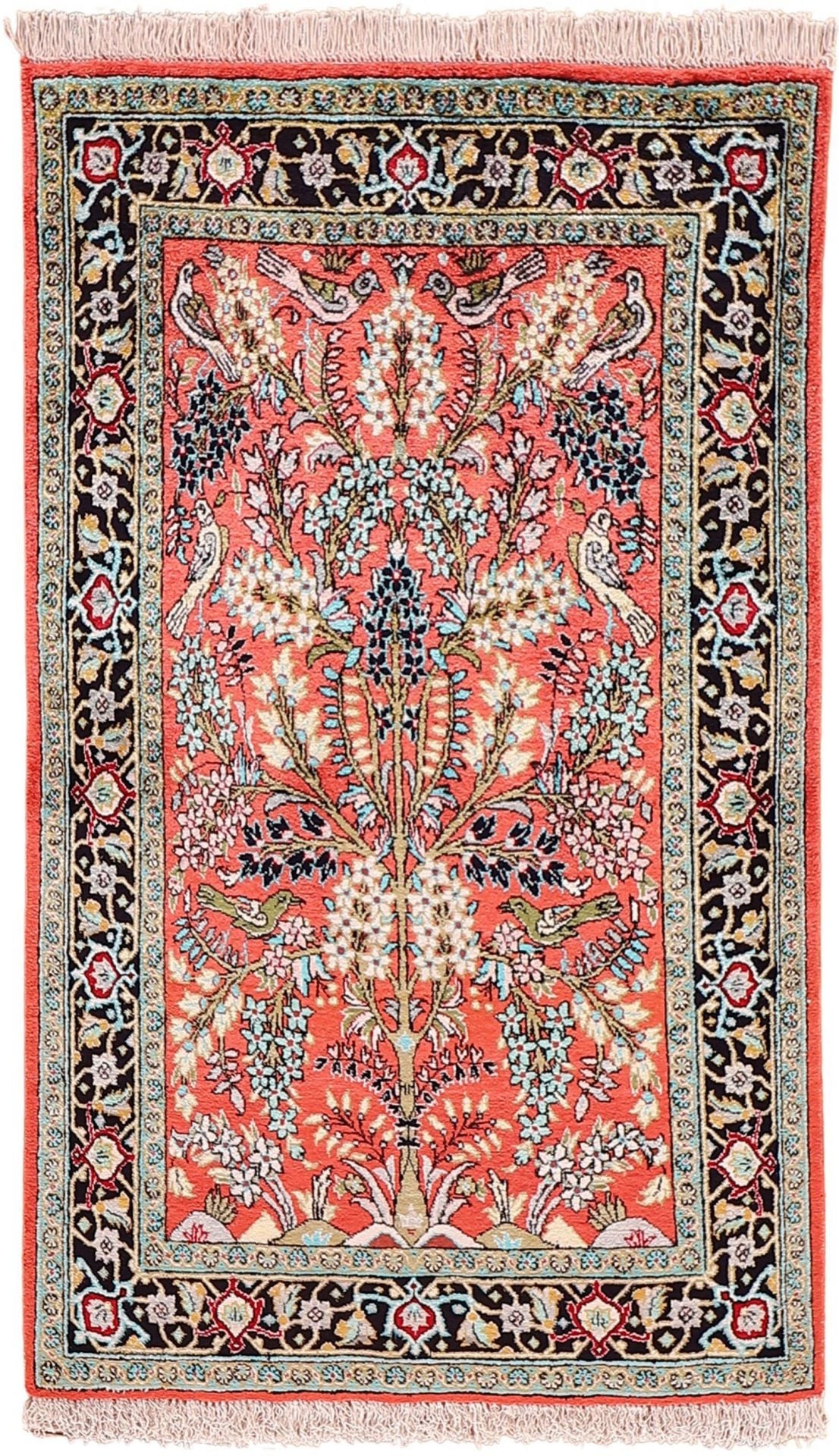
The timeless beauty of Bakhtiar carpets: Handcrafted art from the Iranian highlands
The fascination of Bakhtiar carpets: handcrafted art from the Iranian highlands
Introduction
Carpets are far more than just decorative elements in a room. They are supporting works of art that tell stories, represent cultures, and demonstrate craftsmanship in impressive ways. Bakhtiar carpets, which originate from the highlands of Iran and are distinguished by their rich history, unparalleled design, and outstanding quality, deserve special attention. In this article, we will examine in detail the characteristics, manufacturing processes, cultural significance, as well as the care and purchase considerations for Bakhtiar carpets.
Origin and history of Bakhtiar carpets
The Bakhtiari region
The Bakhtiari Highlands, located in western Iran, are known not only for their breathtaking landscapes but also for their centuries-old tradition of carpet weaving. This region is home to the nomadic Bakhtiari people, known for their rich culture and handicrafts.
Cultural influences
Bakhtiar carpets are strongly influenced by the lifestyles and beliefs of the Bakhtiari nomads. Their intricate designs reflect nature and daily life. Motifs such as water, mountains, animals, and stylized plants are common and tell stories about life in Iran.
Characteristics of Bakhtiar carpets
Materials
Bakhtiar rugs are predominantly made from sheep's wool, valued for its durability and softness. In some cases, high-quality silk fibers are also used to create particularly luxurious versions. The use of natural dyes from plants and minerals gives the rugs vibrant and lasting colors.
designs and patterns
The designs of Bakhtiari carpets are often geometric and floral in nature. Striking colors, ranging from deep red to vibrant blue and earthy tones, contribute to the fascination of these carpets. Some well-known patterns include the "Herati"-motif as well as the stylized depictions of animals and plants.
Knotting techniques
The knotting technique is a defining characteristic of these carpets. They are typically made using the Persian knotting technique (Senneh-Knot) woven, which is known for its density and durability. Some carpets also use the Turkish knot, resulting in a different structure and appearance.
The manufacturing process
Traditional craft
The production of a Bakhtiar carpet requires decades of experience, skill, and patience. Each piece is woven by hand and can take several months to years to complete. The weavers use traditional weaving looms, which allow them to precisely execute the intricate knotting techniques.
Dyes and coloring
The dyeing of wool is often carried out in complex processes that involve plant and mineral dyes. The selection of the right dyes is crucial for the quality of the final product. Here, too, knowledge of ancient traditions and recipes flows into the process.
The cultural significance of Bakhtiar carpets
Expression of identity
For the Bakhtiari nomads, these carpets are not just everyday objects, but also an important part of their cultural identity. They are often heirlooms passed down from generation to generation.
Art and Business
Carpet weaving is also an important economic sector in the region. Bakhtiar carpets find their way into the eyes of collectors and enthusiasts around the world, contributing to the region's economic stability.
Care and maintenance of Bakhtiar carpets
Cleaning
To ensure the beauty and longevity of a Bakhtiar rug, regular care is necessary. This includes vacuuming with a gentle, brushless vacuum cleaner and removing dirt with a damp cloth.
Professional cleaning
It's recommended to have your rug professionally cleaned every few years to remove impurities and refresh the colors. Be sure to choose a cleaning company experienced with hand-knotted rugs.
Purchase considerations when purchasing a Bakhtiar carpet
Certificates of Authenticity
When purchasing a Bakhtiar rug, it's important to look for certificates of authenticity. A genuine Bakhtiar rug should exhibit the typical characteristics that distinguish it from machine-made products.
Price-Performance Ratio
Prices for Bakhtiar rugs can vary considerably depending on size, material, and design. Be sure to compare prices at different stores and seek expert advice.
Popular sales outlets
Bakhtiar rugs can be purchased in a variety of shops specializing in traditional handicrafts. Be sure to also browse online stores, which often offer a wider selection.
Final section
The timeless beauty and artistic tradition of Bakhtiar rugs make them a treasured part of Iranian culture, as well as an excellent element of interior design. Their unique patterns, natural color palette, and skilled craftsmanship add character and warmth to any room. Investing in a Bakhtiar rug is not only an enhancement to your home but also an appreciation for the centuries-old tradition of rug weaving. Caring for and appreciating these works of art plays a pivotal role in preserving their beauty for future generations.
FAQ
1. What are the main characteristics of a Bakhtiar carpet?
Bakhtiar rugs are characterized by their high-quality materials, traditional knotting techniques, and unique designs, often featuring geometric and floral motifs. They are typically made of wool and sometimes silk.
2. What is the best way to care for my Bakhtiar carpet?
To ensure the longevity of your Bakhtiar rug, vacuum it regularly, check for dirt, and have it professionally cleaned. Avoid direct sunlight to prevent color fading.
3. How can I be sure that I am buying a genuine Bakhtiar carpet?
When purchasing, look for certificates of authenticity confirming that the rug is hand-knotted and originates from the Bakhtiar region. It's also helpful to examine the materials and knotting techniques carefully and seek advice from experienced dealers.