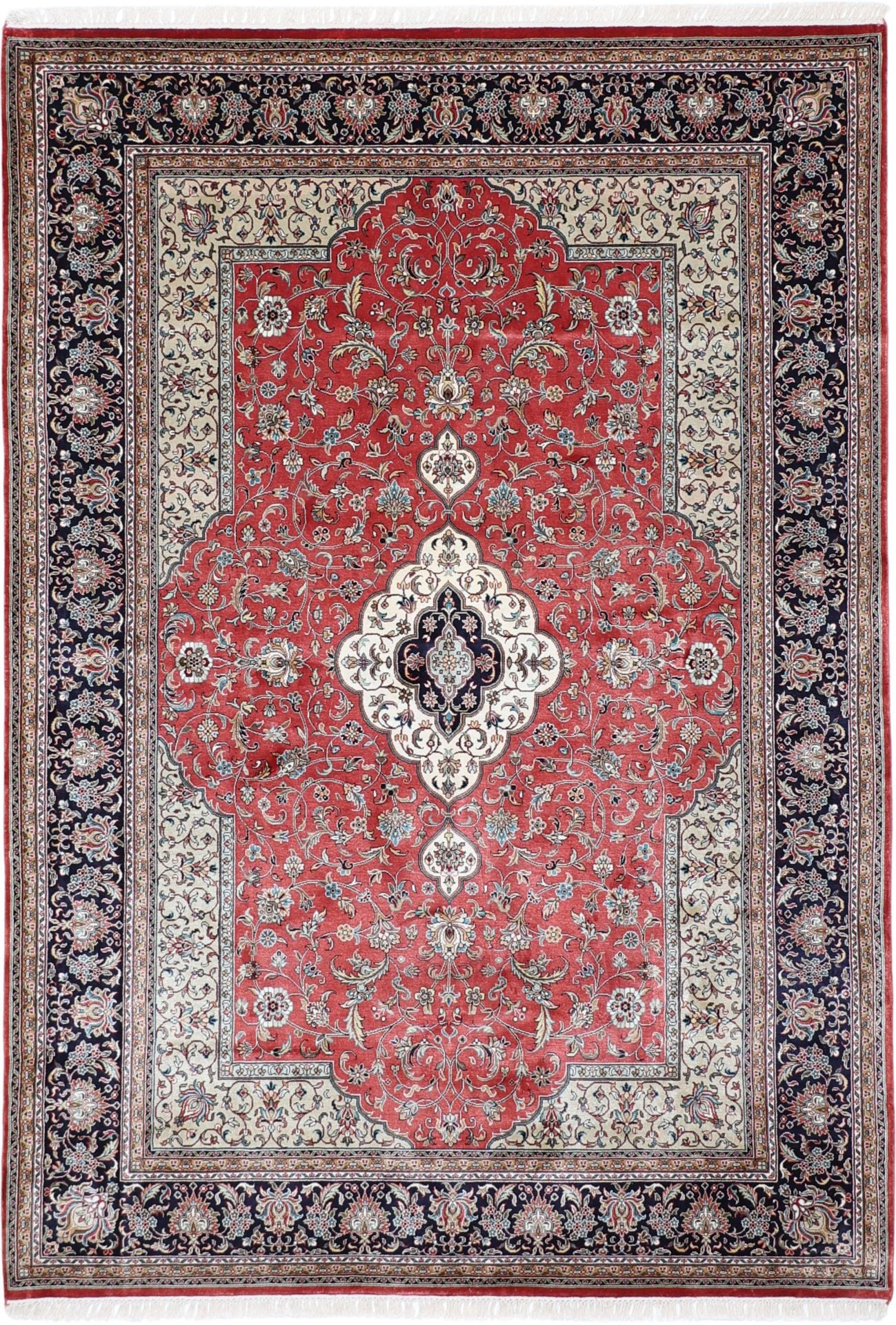
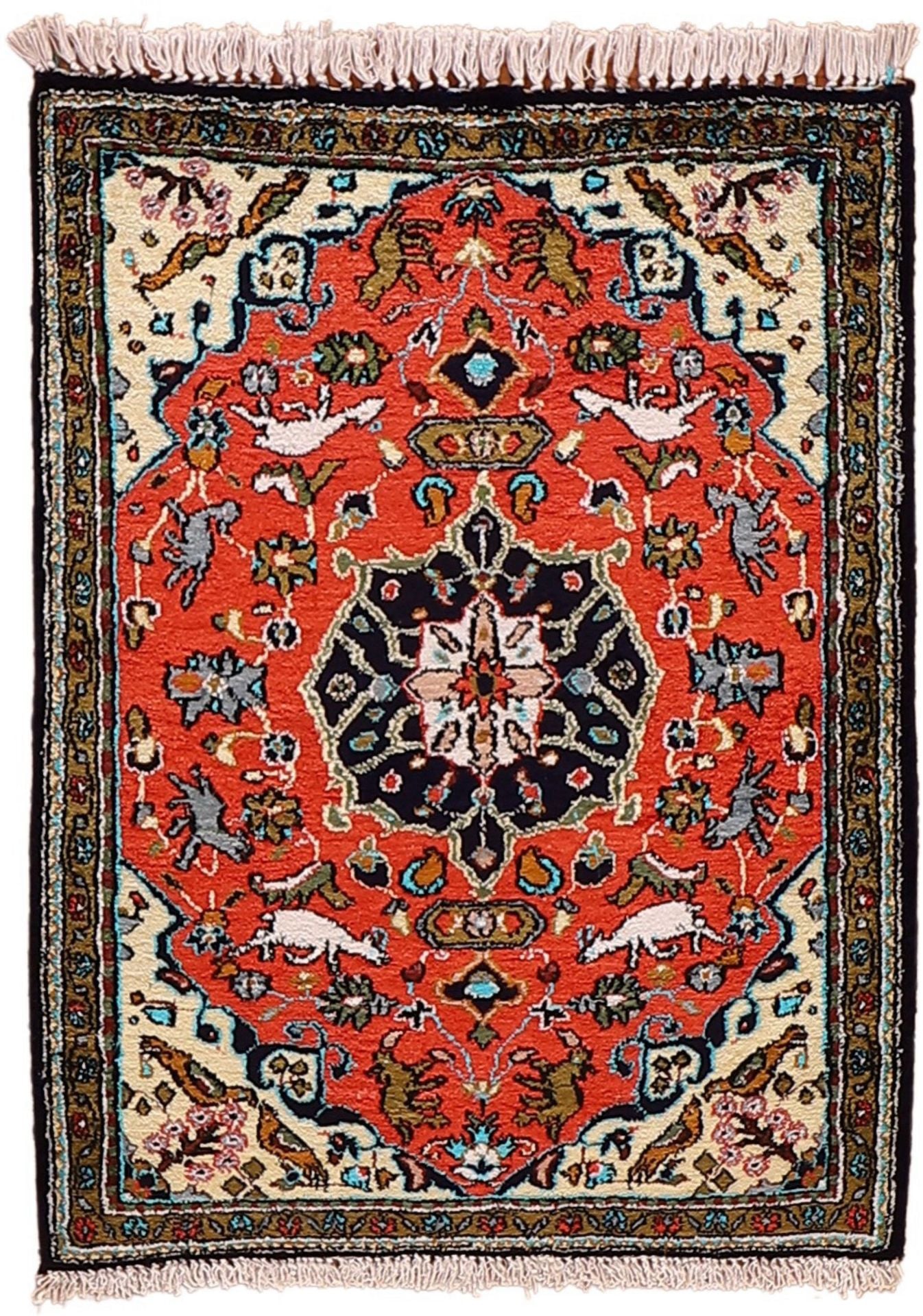
Timeless elegance: Keshan carpet and its fascinating history
The world of carpets: diversity, elegance and the history of the Keshan carpet
Carpets aren't just textile floor coverings; they are works of art that tell stories and pass on traditions. The Keshan carpet from Iran, in particular, is known for its exquisite craftsmanship and stands as a symbol of timeless elegance. In this article, we'll explore the fascinating history of the Keshan carpet and what makes carpets in general so special.
The origin of the Keshan carpet
The Keshan carpet originates from the city of Keshan in the province of [province name missing]. Isfahan in Iran. This region has a long tradition of carpet weaving, dating back to the 16th century. Keshan carpets are known for their dense knotting, fine pile, and vibrant colors, often derived from natural dyes. The most common motifs are floral designs, harmonious geometric patterns, and traditional Persian designs.
The special features of Keshan carpets
Keshan rugs are unique in their craftsmanship and the materials used. Traditionally, these rugs are made from sheep's wool, cotton, and sometimes silk. This gives them not only exceptional softness but also high durability. A typical Keshan rug often has a floral border surrounding the central motif, giving it an elegant and classic look.
The history of carpet weaving in Iran
Carpet weaving has a millennia-old tradition in Iran. Even in ancient times, hand-knotted carpets were valued as part of the cultural heritage. During the Sasanian Dynasty (224-651 AD), carpet weaving reached its peak, and many of the techniques valued today were developed. Carpets served not only decorative purposes but were also an important part of trade, both within the country and internationally.
Influence of different eras
Over the centuries, designs and techniques were repeatedly influenced by the respective rulers and prevailing cultures. The Safavid Dynasty (1501-1736) is considered one of the most important periods for Persian carpet art, during which the use of bright colors and complex patterns flourished. During this period, carpets were often produced for palaces and royal estates.
The artistic features of the Keshan carpet
The artistic characteristics of the Keshan carpet are remarkable. The most common colors are red, blue, gold, and natural tones, often appearing in harmonious combinations. Typical motifs include flowers, vines, and birds, which are both symbolically and aesthetically significant. Each carpet tells a story, often linked to regional legends and myths.
colors and materials
Keshan carpets are made using a variety of natural dyes derived from plants, minerals, and insects. This not only ensures vibrant and long-lasting colors but also ensures environmentally friendly production. The use of wool and silk also lends the carpet an incomparable softness and elegance.
Care and maintenance of carpets
Proper care is crucial to ensuring the beauty and longevity of a carpet. Keshan carpets should be cleaned regularly to remove dust and dirt. The use of gentle detergents and specialized carpet cleaners is recommended. Professional cleaning can also be a good investment to preserve the colors and texture of the carpet.
Storage tips
If you plan to store a Keshan rug, it's important to store it properly. Avoid direct sunlight and moisture. Never fold the rug; roll it up instead to avoid damage to the fibers. Store it in a cool, dry place to prevent mold and moth infestation.
Carpets as an investment
Carpets, especially Keshan carpets, can also be considered an investment. They increase in value over time, especially if they are made of high-quality materials and well maintained. Collectors and investors often look at knot density, age, and the use of traditional techniques to determine a carpet's value.
Value creation and market trends
Carpet markets are influenced by various trends, including fashion, taste, and cultural currents. In recent years, demand for hand-knotted carpets has increased as more people recognize the value of handmade products. However, prices can vary and depend on many factors, including the rarity and condition of the carpet.
The role of the Keshan carpet in modern interior design
Keshan rugs are not only works of art, they also play an important role in modern interior design. They add elegance and color to any room and can serve as a focal point. In minimalist spaces, they create a harmonious contrast, while in classic interiors, they emphasize the existing style.
Carpets as a stylistic device
When choosing a rug for your home, consider the color palette and style of the room. A Keshan rug can fit into both a luxuriously furnished living room and a modern, simple room. It adds warmth and coziness to the space and can be combined with a variety of furniture.
Conclusion
The timeless elegance of Keshan rugs and their fascinating history make them an indispensable element in the world of interior design and handmade art. Their quality, skillful craftsmanship, and beautiful design are considered particularly valuable. The care and preservation of such a rug are important to preserve its beauty and value for generations to come. Rugs are more than just decoration; they are an expression of culture, tradition, and personal style.
FAQ
1. How can I recognize the quality of a Keshan carpet?
The quality of a Keshan carpet can be determined by its knot density, the materials used (such as wool or silk), and the coloring. High-quality carpets have a high knot density and vibrant colors, usually derived from natural dyes.
2. How do I properly clean my Keshan carpet?
To clean the carpet, you should vacuum it regularly and use gentle carpet cleaners. For a deeper clean, professional cleaning is recommended to preserve the texture and colors.
3. Is a Keshan carpet a good investment?
Yes, Keshan rugs are a good investment, as they can appreciate in value over time. Look for rare and well-maintained pieces to get the best investment value.