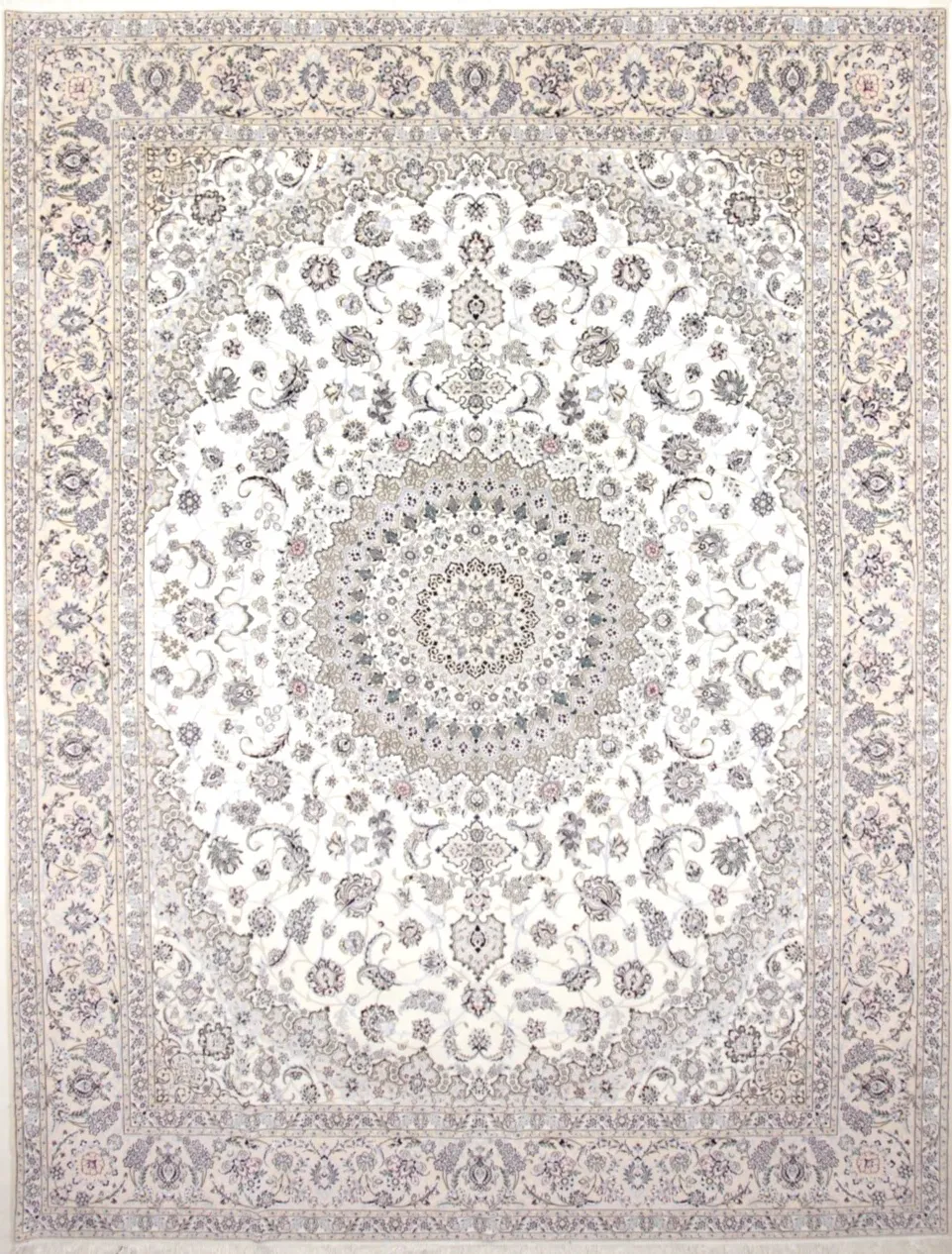
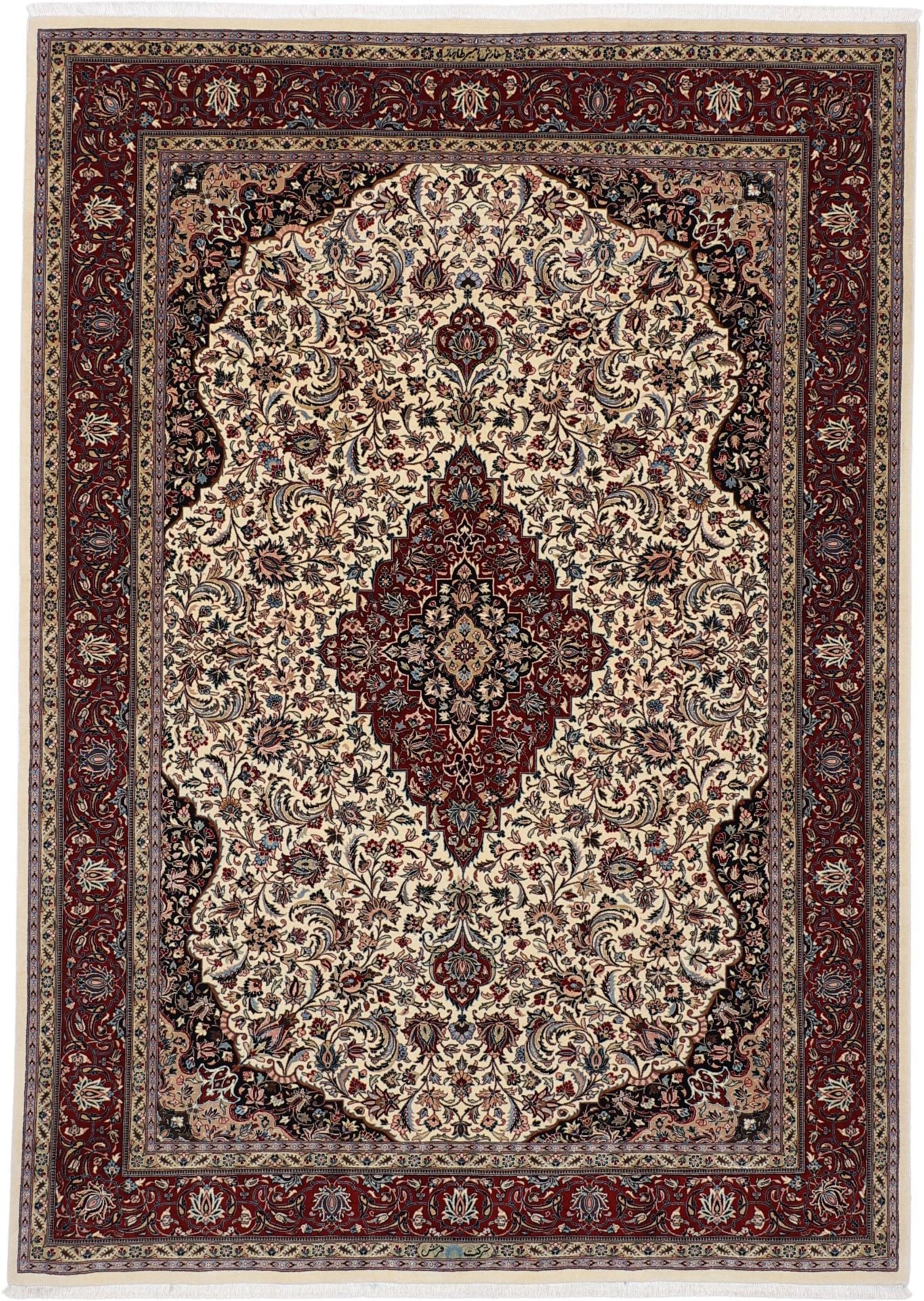
“Timeless elegance: Oriental wool rugs – works of art for your home”
Carpets: works of art for your home
Carpets are among the most fascinating furnishings, offering not only functionality but also serving as artistic accents in any room. Oriental carpets, in particular, often made of wool, exude a timeless elegance and are more than just floor coverings—they are true works of art. In this article, we would like to introduce you to the world of carpets and highlight the special characteristics and cultural significance of oriental carpets.
1. The history of oriental carpets
Oriental rugs have a long and rich history dating back to ancient times. Originally produced in various regions of the Middle East, Asia, and North Africa, these rugs initially served as practical floor coverings and sources of warmth for nomadic peoples. However, people soon recognized their artistic nature and began using them as status symbols.
1.1 The development of carpet art
Over the centuries, carpet art evolved. A wide variety of styles, patterns, and techniques emerged, each reflecting the culture and traditions of the people who created them. Famous carpet centers such as Persia, Turkey, and India are known for their exquisite craftsmanship.
1.2 Importance of wool
Wool, the primary material for many oriental rugs, offers numerous advantages. Not only is it durable and sustainable, but it also provides warmth and a pleasant feel. Due to the natural structure of wool, oriental rugs also absorb and release moisture, making them ideal for a variety of climates.
2. The art of carpet making
The production of an oriental rug is a complex process that often takes several months. From selecting the wool to dyeing and knotting, every step requires special care and craftsmanship.
2.1 Selection of wool
The quality of the wool is crucial for a rug's durability and character. High-quality merino wool or sheep's wool from specific regions is particularly prized. This wool is often dyed using natural dyes, which gives the rugs their vibrant aesthetic.
2.2 Dyeing
The wool is often dyed using natural dyes derived from plants, minerals, or insects. These traditional dyeing methods result in a variety of colors and shades that are unique to each rug.
2.3 Knotting
Knotting a rug requires immense patience and skill. Individual knots are made by hand, and the density of the knots directly influences the quality and design of the rug. Some rugs can have up to 1 million knots per square meter!
3. Characteristics of oriental carpets
Oriental rugs are characterized by their intricate patterns and vibrant colors. Each design tells a story and reflects the culture of the region.
3.1 Designs and patterns
The patterns of oriental rugs are often inspired by nature. Motifs such as flowers, geometric shapes, and religious symbols are common. Many rugs originate from specific regions, and their designs are often unique to those regions.
3.2 colors
The color palette of oriental rugs is extremely diverse. From earthy tones like red, brown, and green to vibrant blues and yellows, each color has its own meaning and is often used symbolically.
3.3 Texture and processing
The texture of oriental rugs varies depending on the knotting technique and materials. They can be flat-woven, voluminous, or deep-pile. These differences in processing influence both the look and feel of the rug.
4. Care and cleaning of carpets
Proper care is essential for an oriental rug to retain its beauty and longevity. Wool rugs require special attention, especially when it comes to better cleaning methods.
4.1 Regular care
Regular maintenance is important. This includes vacuuming to remove dirt and dust. Use a gentle brush to avoid damaging the fabric.
4.2 Stain removal
When it comes to stains, always make sure to treat them promptly. Use a clean cloth and lukewarm water to gently dab the stain. Avoid harsh cleaning agents that could bleach the colors.
4.3 Professional cleaning
Professional cleaning can help remove deep-seated dirt and stains from carpets. It's recommended to consult a professional regularly to maintain the quality of the carpet.
5. Carpets as a stylistic device
Rugs can be not only functional elements in a room, but also important stylistic elements. They create a welcoming atmosphere and can shape the overall ambiance of a room.
5.1 Combination with furniture
When choosing a rug, consider how it will complement your furniture. A large oriental rug, for example, can look harmonious under a dining table or serve as a focal point in the living area.
5.2 Carpet as a color source
A rug can act as a bold pop of color and give your room a new look. If the walls are neutral, bold colors in a rug can offset a stark contrast and make the room feel more vibrant.
5.3 Change of seasons
Rugs also offer the opportunity to change the look of your home seasonally. Soothing, warm colors can be used in winter, while brighter, more vibrant tones can dominate in summer.
6. Investing in quality
Oriental rugs are not just a purchase, but an investment in quality and craftsmanship. High-quality rugs retain their value and can be passed down through generations.
6.1 Sustainability
Many oriental rugs are made from sustainably sourced materials and offer an environmentally friendly alternative to machine-made rugs. It's important to pay attention to certifications and origin information when choosing a rug.
6.2 Increase in value
Over the years, hand-knotted oriental rugs can increase in value, especially if they are made of high-quality materials and have unique features.
7. Conclusion
Carpets, especially oriental wool rugs, are much more than simple floor coverings. They contribute to the atmosphere of a room, tell stories, and bear witness to centuries-old craftsmanship. In any room of a home, a rug can serve as a focal point, emphasizing the elegance and character of the space. An oriental rug is not just a purchase, but an investment in quality, sustainability, and timeless beauty that can last for generations.
Frequently Asked Questions (FAQ)
FAQ 1: How do you recognize the quality of an oriental carpet?
To determine the quality of an oriental rug, you should pay attention to the knot density, the materials used (such as wool), and the craftsmanship. High-quality rugs have a high knot density and are usually hand-knotted.
FAQ 2: Are oriental rugs easy to care for?
Yes, oriental rugs are generally easy to care for. Regular vacuuming and prompt treatment of stains will help keep the rugs in good condition. Professional cleaning is recommended to ensure longevity.
FAQ 3: How do I choose the right carpet for my home?
When choosing a rug, consider the style and size of the room. Consider how the rug will complement existing furniture and choose colors and patterns that add a touch of color to your decor.