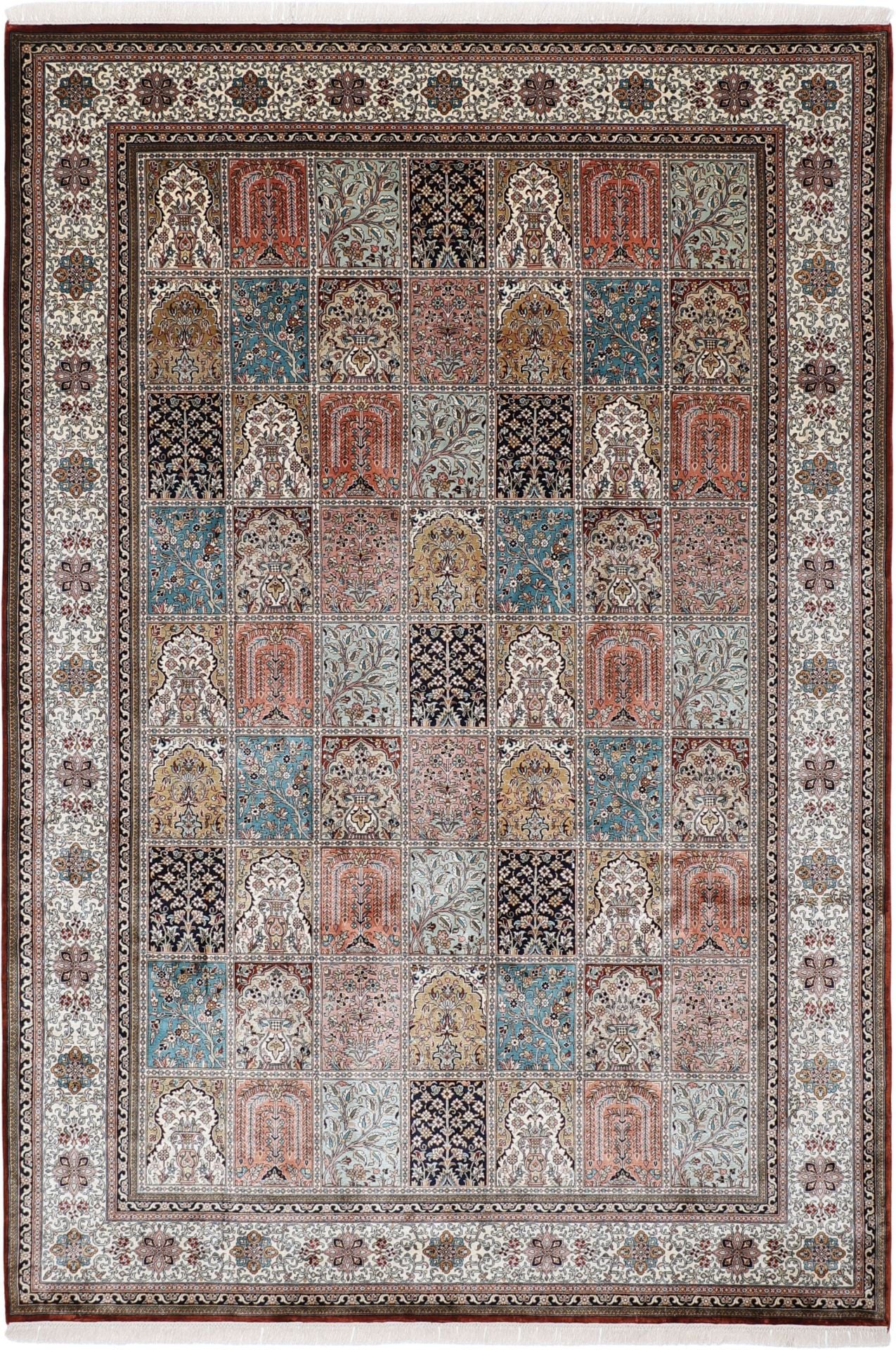
“The timeless elegance of Indian carpets: craftsmanship and diversity”
Introduction
Carpets are more than just floor coverings; they are an expression of art, tradition, and craftsmanship. Indian carpets, in particular, have carved out a significant place in the world of interior design over the centuries. Their diversity, exquisite craftsmanship, and deep-rooted culture make them a fascinating choice for any room. In this article, we delve into the world of carpets, explore the craftsmanship behind Indian carpets, and highlight the diversity they offer.
The history of Indian carpets
The tradition of carpet weaving in India dates back centuries. Originally, carpets were made for royal palaces and temples, making them symbols of wealth and social status. Over time, they also gained popularity in commoner households. Indian carpet art has evolved over the centuries, with different regions contributing their own styles and patterns.
Region-specific styles
1. Kashmiri carpets
Carpets from Indian Kashmir are renowned for their exquisite craftsmanship and the use of wool and silk. They are characterized by floral patterns and vibrant colors, often inspired by the region's breathtaking landscapes. KashmirCarpets are often knotted by hand and can take several months to years to complete.
2. Persian carpets
Persian rugs, made in northern India, are known for their intricate designs and symbols, often reflecting diverse cultural influences. These rugs are not only colorful but also extremely durable, often becoming heirlooms passed down through generations.
3. Aubusson carpets
Aubusson rugs, made in the Punjab region, are often made of wool and cotton. Their designs typically feature rural scenes or folkloric motifs, offering a rustic elegance that fits well with modern or traditional interiors.
materials and manufacturing process
The carpet manufacturing process is complex and requires a great deal of skill and patience. The choice of materials plays a crucial role in the quality and appearance of the carpet.
Wool
Wool is the most commonly used material in carpet making. It is not only durable but also has natural insulating properties. High-quality wool is often obtained from Merino sheep and is characterized by its softness and colorfastness.
Silk
Silk is often used in combination with wool, especially in the finest carpets. It gives the carpets a luxurious sheen and is capable of reflecting intense colors.
Cotton
Cotton is often used for the underlay and foundation of carpets. Its main advantage is its durability and the fact that it is less susceptible to fire than other materials.
The manufacturing process
The manufacturing process begins with dyeing the yarns, which can be derived from natural dyes to create more environmentally friendly rugs. The rug is then woven, with the art of knotting playing a significant role. Knotting is usually done using a specialized technique that can vary by region.
Knotting techniques
There are various knotting techniques used in carpet making, including the Persian knot and the turkmenische knots. These techniques influence both the density and the design of the carpet.
Colors and patterns
Colors and patterns are crucial elements that define a carpet's character. In Indian carpet art, colors are often vibrant and symbolic.
Symbolism of colors
- Red symbolizes wealth and prosperity.
- Blue represents the sky and water and has a calming effect.
- Green symbolizes fertility and growth.
- Yellow is often associated with light and the sun.
patterns and designs
Indian rugs can range from traditional geometric patterns to complex floral designs. Each pattern tells a story and reflects the culture and traditions of the region. For example, many Kashmir rugs are inspired by the beautiful flowers and plants of the Himalayan region.
Care and cleaning of carpets
Carpet care is crucial to its longevity. With the right techniques and measures, a carpet can last for decades.
Regular cleaning
Regular vacuuming is important to remove dust and dirt. Use a vacuum cleaner with an adjustable height to avoid damaging the fibers.
Professional cleaning
It's recommended to have your carpet professionally cleaned every few years, especially if it's made of fine wool or silk. Professional cleaners use specialized techniques to safely remove dirt and stains.
Stain treatment
When treating stains, always be careful. Gently dab the stain with a clean cloth, avoiding harsh rubbing to avoid damaging the fibers.
Carpet buying advice
There are a few important things to consider when purchasing a rug. Choosing the right one can significantly influence the character of a room.
Size
The size of the rug should be proportional to the room and the furniture. Rugs that are too small can appear lost, while ones that are too large can appear overwhelming.
Style and pattern
Consider the room's decor style. A traditional rug can provide a fascinating contrast in a modern space, while a contemporary rug can add a touch of freshness to a classic room.
Budget
Set a budget, but remember that quality comes at a price. Invest in a high-quality rug that will bring you years of enjoyment.
Authenticity and origin
When purchasing a rug, make sure it's genuine and not machine-made. Check the origin to ensure you're getting a genuine artisan.
The timeless elegance of Indian carpets
Indian rugs exude a timeless elegance that is both charming and extravagant. They are not only functional but also aesthetic works of art that can transform a room. Their versatility allows them to be used in a variety of settings, whether in a modern, minimalist home or a traditional, rustic space.
Conclusion
The world of Indian rugs is rich in history, art, and culture. Their diversity, exquisite craftsmanship, and versatile uses make them an indispensable element in interior design. Whether you want to bring a new color to your home or preserve a stylish tradition, an Indian rug is the perfect choice.
FAQ
FAQ 1: How do I find the right carpet for my home?
To find the right rug, consider the size of the room, the decor style, and your budget. Measure the space where the rug will be placed and consider which colors and patterns complement your decor.
FAQ 2: How often should I clean my carpet?
Regular vacuuming is important to remove dust and dirt. Professional cleaning every few years is recommended, especially for high-quality carpets.
FAQ 3: How can I treat stains on my carpet?
Gently dab the stain with a clean cloth, avoiding hot water or harsh chemicals. For stubborn stains, it's best to consult a professional.
I hope this article meets your expectations and gives you valuable insights into the fascinating world of carpets!