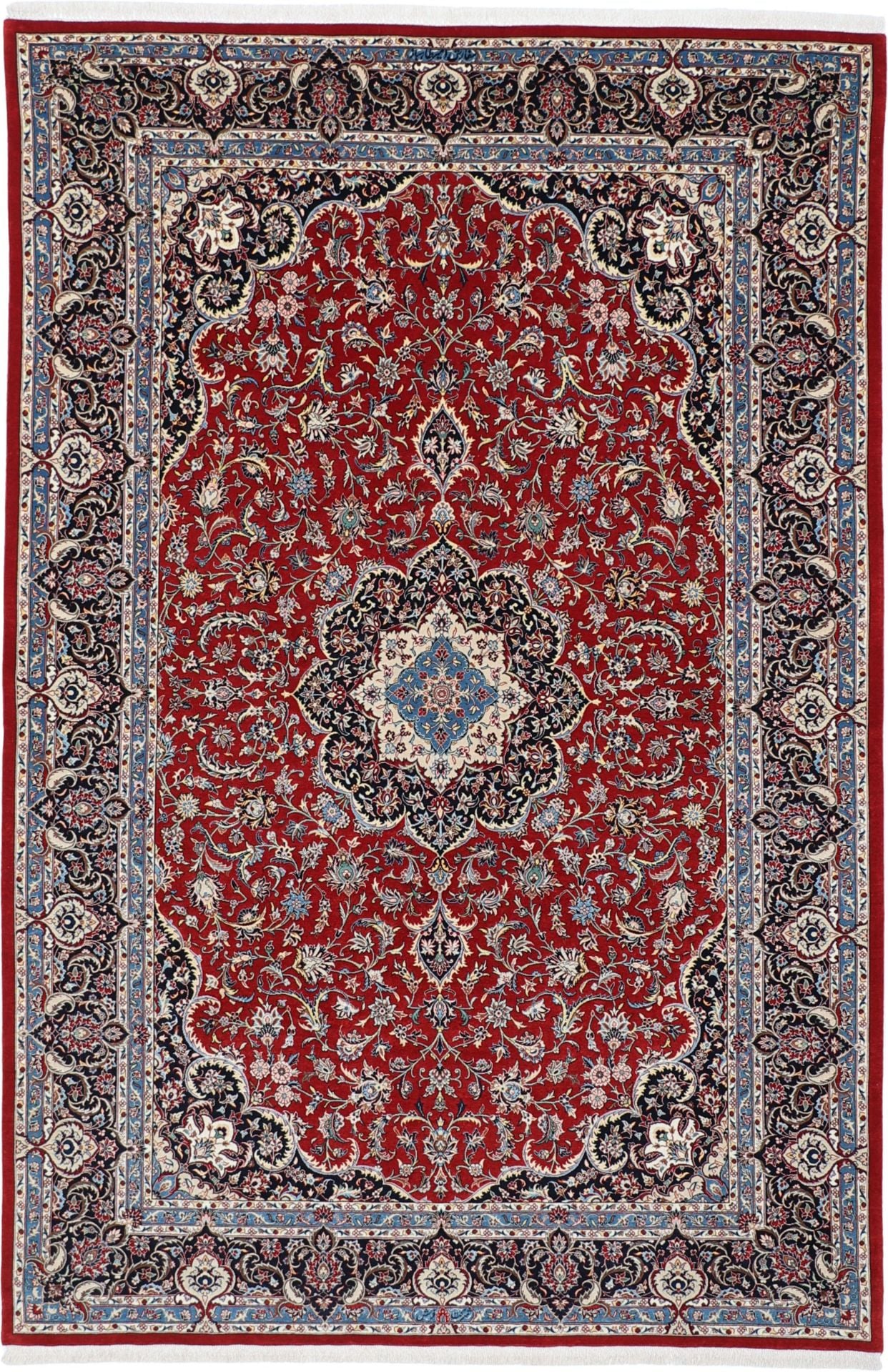
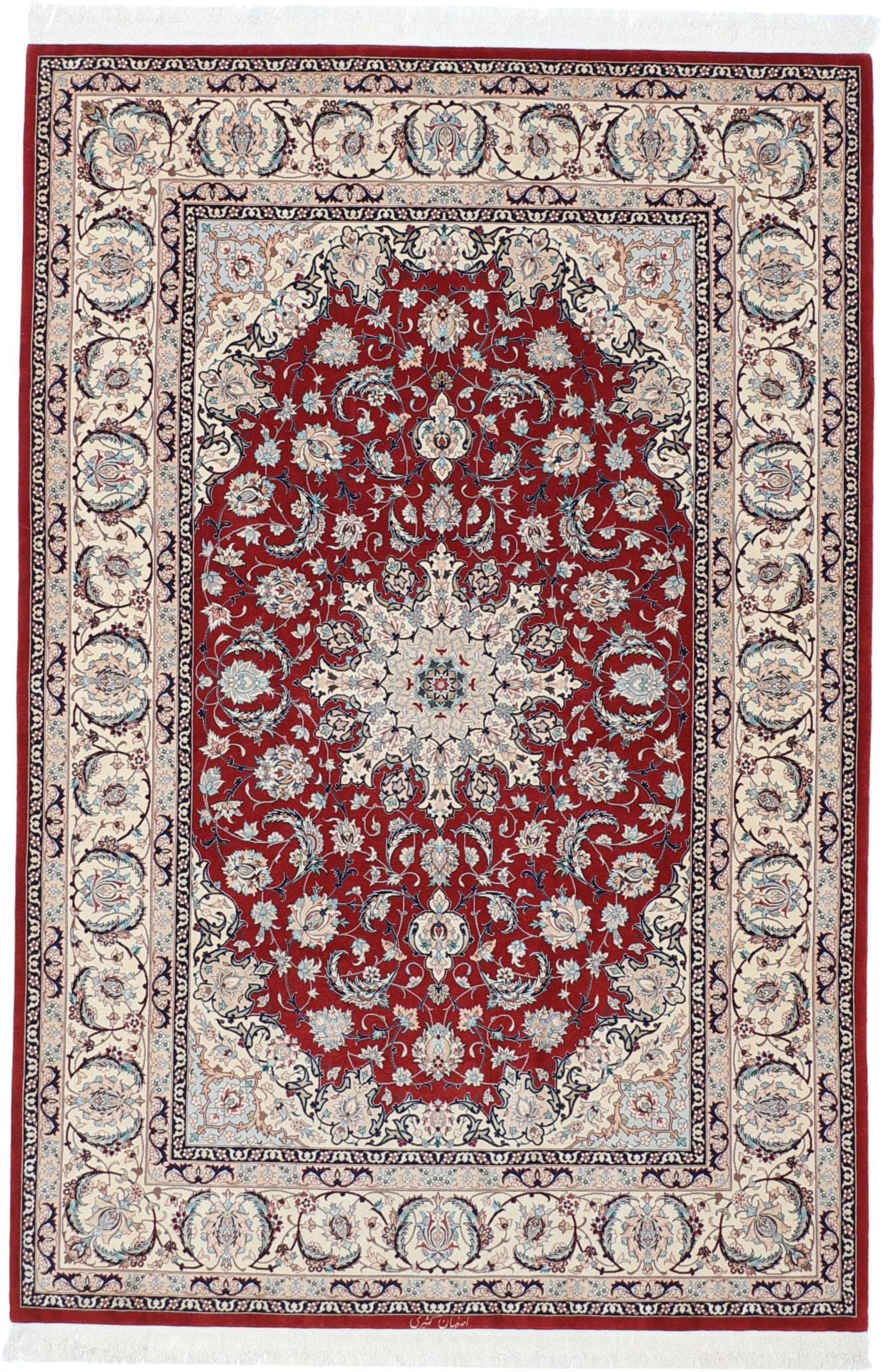
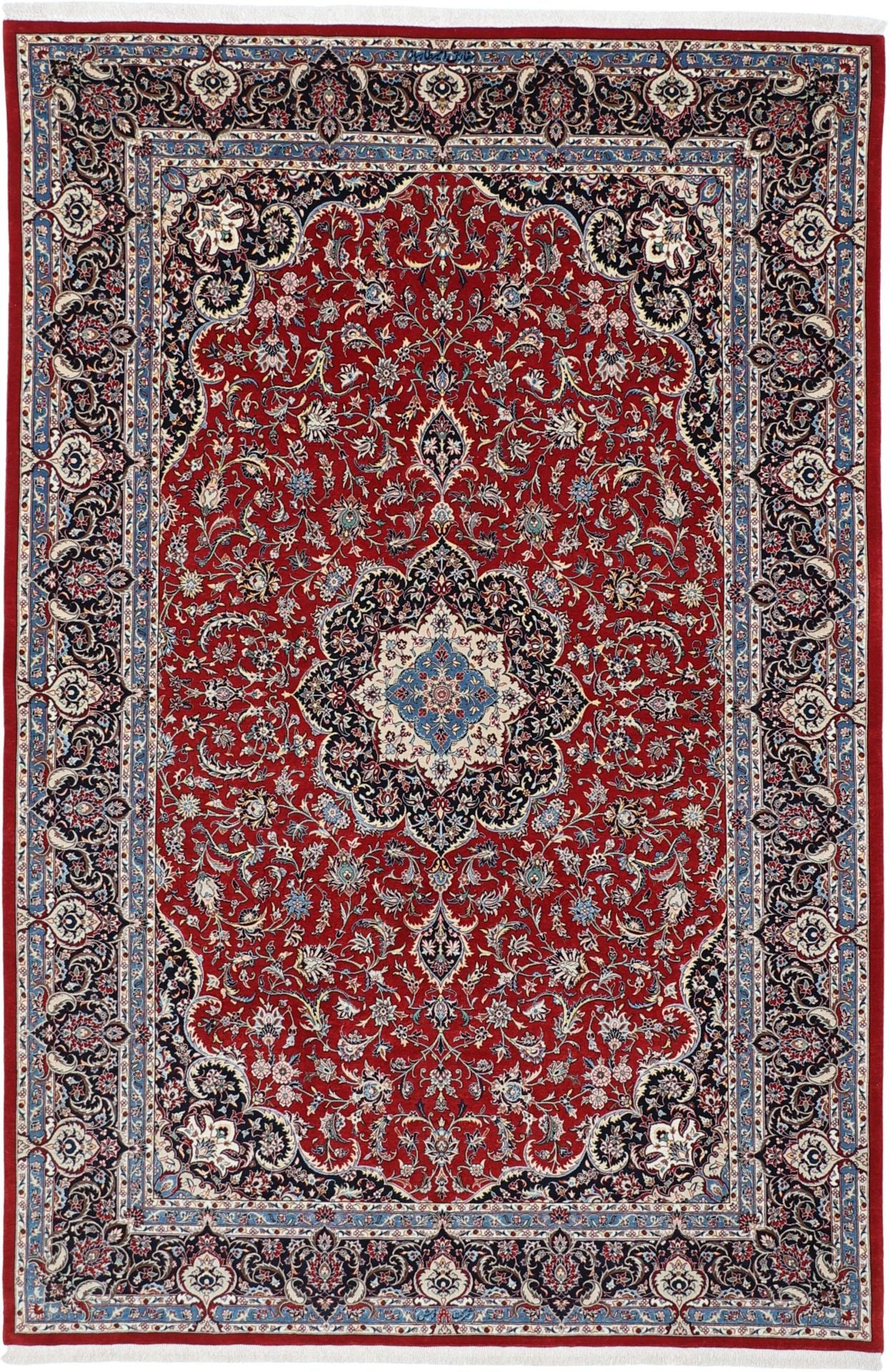
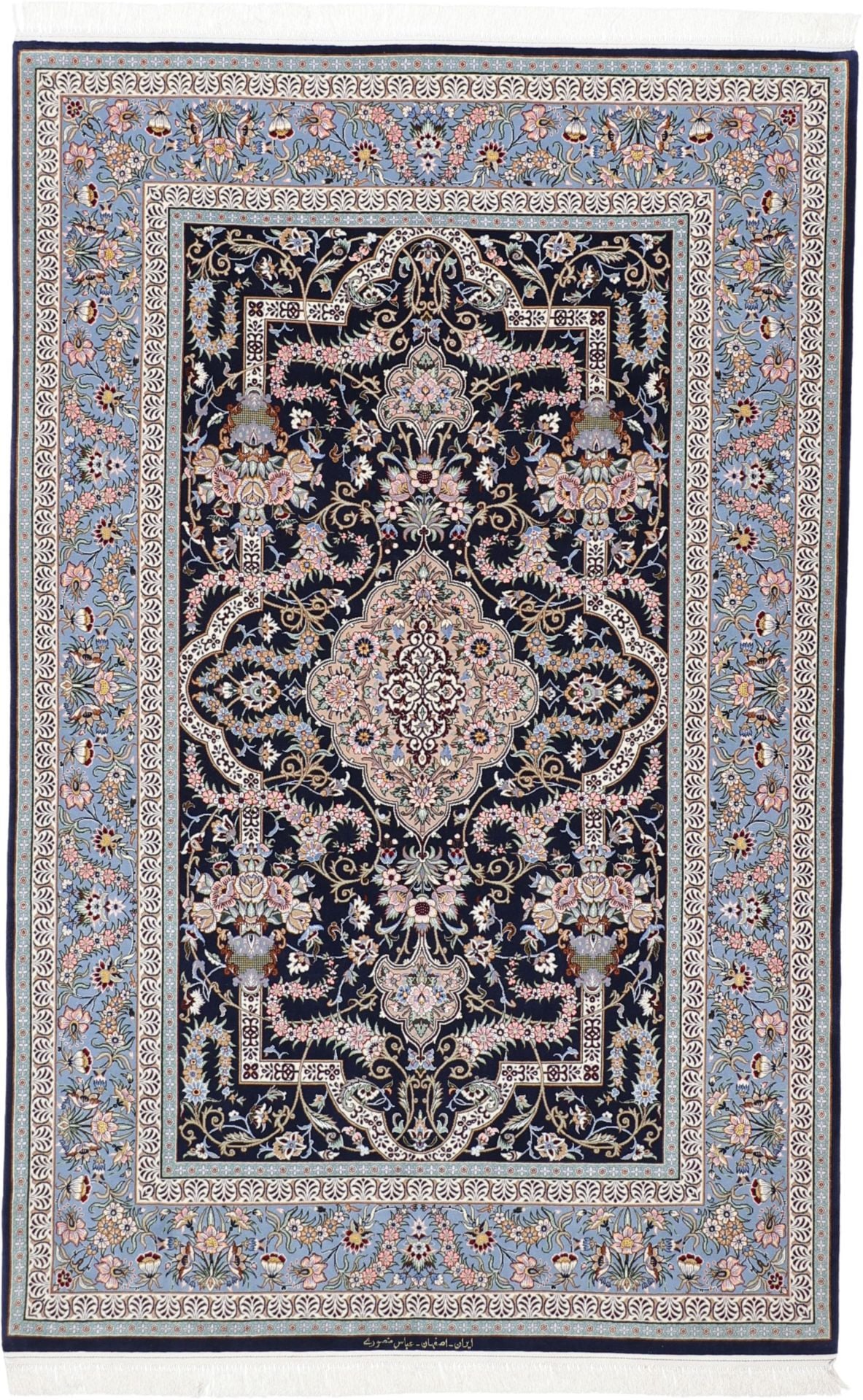
"The timeless elegance of Isfahan-Carpets: Handicrafts from Persia"
The timeless elegance of Isfahan-Carpets: Handicrafts from Persia
Introduction
Carpets are more than just floor coverings; they are cultural artifacts that tell stories and preserve traditions. Especially the IsfahanCarpets from Persia are distinguished by their exceptional beauty and craftsmanship. These carpets are not only a visual highlight in any interior, but also a symbol of refinement and cultural heritage. In this article, we will explore the history, production, designs, and care of these unique carpets and show why they are an indispensable addition to any home.
The history of the Isfahan-carpets
Origin and development
The city Isfahan Iran has a long and rich history as a center for art and crafts. Carpet production flourished as early as the 16th century, during the Safavid dynasty. Isfahan a high point. Under the influence of Sultan Abbas I, many artists and craftsmen were summoned to the city to produce the finest carpets in the world. These carpets were not only produced for the domestic market but also exported worldwide as precious trade goods.
Influence of cultural trends
The carpets of Isfahan are the result of a multitude of cultural influences. Over the centuries, Persians have integrated ideas and designs from various cultures, including Arabic, Turkish, and Mongolian influences. This blend has given the Isfahan-carpets have their characteristic features that distinguish them from other traditional Persian carpets.
The role of religious motives
A trademark of many IsfahanCarpets are rich in religious motifs and symbolism. They often feature intricate geometric patterns, floral designs, and depictions of animals. These elements reflect the deep spirituality and artistry of Persian culture, making each carpet a unique work of art.
The manufacture of Isfahan-carpets
raw materials
The quality of a carpet begins with its raw materials. IsfahanCarpets are traditionally made from high-quality wool, silk, or a combination of both. Silk is particularly prized because it gives the carpets a luxurious sheen and makes the colors vibrant. Wool, on the other hand, provides durability and warmth.
Craftsmanship
The production of one IsfahanCarpet making is a lengthy process that can often take months or even years. The carpets are hand-knotted by experienced craftspeople, meaning that each carpet is unique. The knotting technique used is crucial for the carpet's quality and durability. The tighter the knots, the higher the quality of the carpet.
Preparation of the materials: The wool and silk are dyed and prepared. The dyeing is often done with natural dyes, which give the carpet color a special depth.
Design and layout: The patterns and designs are sketched on template paper. These templates serve as instructions for the knotters.
The knotting process: During knotting, the knots are placed from bottom to top in a specific pattern. The technique requires utmost precision and patience.
- Finishing: After knotting, the rug is carefully cut, cleaned, and dehydrated. This ensures that the fibers retain their shape and the rug reveals its final beauty.
The art of coloring
The colors of IsfahanCarpets are an art form in themselves. Craftspeople use natural dyes from plants, minerals, and insects to create vibrant and harmonious colors. This process requires a deep understanding of color harmony and is part of the Kashan-Cultural Heritage.
Design features of Isfahan-carpets
Floral patterns and geometric shapes
IsfahanCarpets are known for their intricate floral patterns and clean geometric shapes. These designs are often inspired by nature, and artisans use a variety of floral motifs to embellish the carpets. Typical floral patterns found in IsfahanRoses, lilies, and tulips are among the flowers found in carpets.
variety of colors
One of the outstanding features of IsfahanThe defining feature of these carpets is their vibrant color palette. The combination of lively reds, blues, and golds makes them a real eye-catcher in any room. The colors are carefully selected to ensure a harmonious overall composition.
Unique symbolism
Each IsfahanCarpets have their own symbolism. Many designs incorporate stories or messages deeply rooted in Persian culture. This symbolism gives the carpets a deeper meaning and makes them more than just a decorative element.
Care and maintenance of Isfahan-carpets
Regular cleaning
To ensure the beauty and longevity of a IsfahanTo ensure the longevity of your carpets, regular cleaning is essential. It is recommended to vacuum the carpet thoroughly at least once a week. Special attachments should be used to avoid damaging the fibers.
Professional cleaning
Every few years, it's advisable to have your carpet professionally cleaned. Experts use special techniques and products to protect the fibers and remove all impurities. This step is especially important for preserving the vibrant colors and softness of the carpet.
Protection from sunlight
IsfahanCarpets are sensitive to direct sunlight. To prevent fading, carpets should therefore be placed in shady areas or protected by curtains.
Avoid excessive moisture
Moisture can damage the carpet and encourage mold growth. It's important to store carpets in dry, well-ventilated rooms. Should they get wet, it's advisable to dry them immediately.
The value of Isfahan-carpets
Investing in art and culture
IsfahanCarpets are not just decorative elements, but also true works of art. Their creation requires years of experience, skill, and creativity. Therefore, buying a carpet is a significant investment. IsfahanCarpets represent an investment in art and culture. These carpets increase in value over time and are a legacy that can be passed down from generation to generation.
A UNESCO World Heritage Site
The art of carpet weaving in Persia, including carpets from Isfahan, has been recognized by UNESCO as intangible cultural heritage. This speaks to the cultural significance and artistic value that these carpets possess.
Conclusion
IsfahanCarpets are a fascinating example of Persia's rich and complex cultural heritage. Through their unique craftsmanship, multitude of designs, and cultural symbolism, they are not only versatile furnishing elements but also valuable works of art. Investing in a IsfahanChoosing a rug is both a decision for aesthetics and for preserving a significant part of cultural history. If you are looking for a special piece that combines timeless elegance and history, these rugs are the perfect choice.
FAQ
1. How can I determine the value of my Isfahan-Determine carpets?
The value of one IsfahanThe value of a carpet is determined by various factors, including size, age, material quality, and the complexity of the designs. Professional appraisal services can help you obtain an accurate valuation.
2. Which materials are best for making Isfahan-Carpets?
The best materials for IsfahanThe carpets are made of high-quality wool and silk. Wool ensures durability, while silk gives the carpets shine and color intensity.
3. How do I prevent my carpet from fading?
To prevent color fading, your carpet should be protected from direct sunlight. We also recommend having the carpet professionally cleaned regularly to maintain color depth.