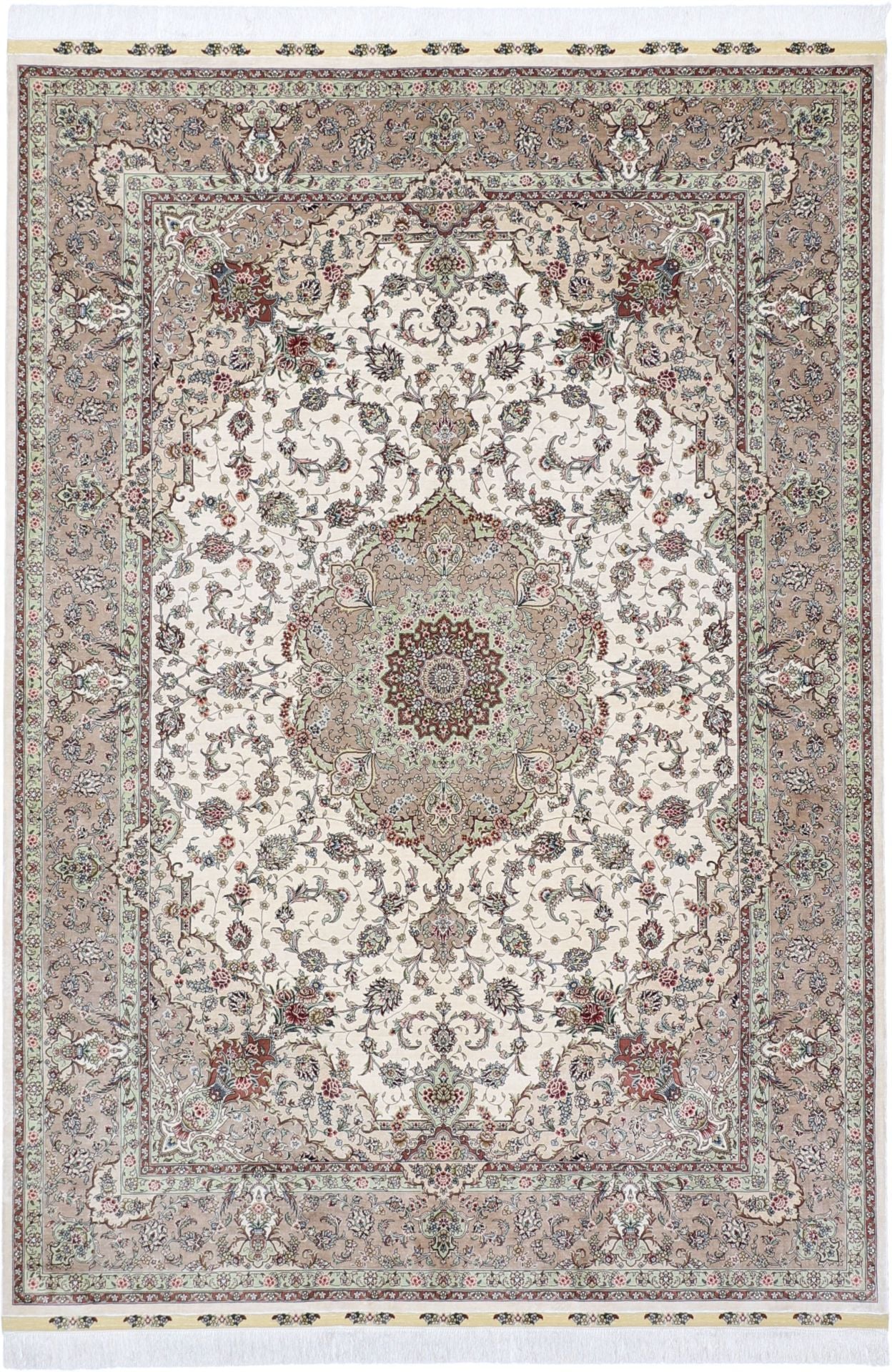
Valuing Persian Carpets: A Guide for Buyers and Collectors
Introduction to the world of carpets
Carpets are far more than just floor coverings. They are an expression of culture, art, and craftsmanship, and tell stories that are often centuries old. From the opulent Persian carpets of Iran to the colorful KilimCarpets from Turkey have a significant influence on interior design, creating a welcoming atmosphere. This article will delve into the valuation of carpets, particularly Persian carpets, providing valuable insights that can assist you as a buyer or collector.
The history of carpets
Origin and development
Carpets have a long and fascinating history. They originated in Central Asia, where nomadic peoples developed their own techniques to utilize the materials they needed from their surroundings. Over time, carpet weaving techniques spread to Iran, Turkey, India, and beyond. Each of these areas produced unique designs and patterns that are still highly valued today.
Symbolism and meaning
Carpets often feature symbols and patterns deeply rooted in the culture and history of the region. For example, certain colors or motifs may have specific meanings in Islamic culture, while they may evoke entirely different associations in other cultures. Buyers and collectors should be aware of these meanings to better understand the message conveyed by the carpet.
Types of carpets
Persian carpets
Persian carpets are considered the kings of carpets. They are known for their high quality, craftsmanship, and timeless designs. Numerous regional styles exist, each with its own unique characteristics, such as... Tabriz, Isfahan and Kashan.
Turkish carpets
Turkish carpets, also known as KilimThese rugs are flat-woven and distinguished by their vibrant colors and geometric patterns. They are less expensive than Persian rugs and perfect for an informal setting.
India carpets
Indian rugs are famous for their detailed designs and vibrant colors. Often made of wool or silk, they can tell amazing stories woven into the patterns.
Modern carpets
Modern rugs represent a new era of design. They combine traditional craftsmanship with contemporary designs and materials to create something unique.
Valuation of carpets
Factors that affect value
Evaluating a rug can be a complex matter, depending on several factors. Here are some of the most important criteria to consider when determining its value:
Materials : High-quality materials, such as silk or fine wool, significantly increase the value of a carpet.
Age : Antique carpets (older than 100 years) are often more valuable than newer ones. Their age can be determined by specific characteristics, such as the condition or the knotting technique.
Craftsmanship : Carpets made by experienced artisans are often more expensive. The knot density, the intricacy of the design, and the workmanship all play a crucial role.
Rarity : Carpets produced in limited editions or with unusual designs are often more valuable.
- Condition: The condition of a carpet significantly influences its value. Carpets with tears, stains, or other damage are generally less valuable unless they are of historical significance.
The role of expertise
To accurately determine the value of a rug, it's advisable to consult an expert. Professional appraisals can help evaluate the above factors and provide a well-founded valuation.
Tips for buyers and collectors
Research thoroughly
Before purchasing a rug, you should thoroughly research different types, styles, and value criteria. There are many online resources, books, and trade magazines that can help you.
Buy from trusted suppliers
Make sure the dealer you're considering buying from has a good reputation. Pay attention to certifications and return policies.
Ask questions
Don't hesitate to ask questions. A reputable dealer will be happy to provide you with information about the carpet's origin, materials, and craftsmanship.
Watch out for the price
Carpet prices can vary widely. A price that's too low may indicate inferior quality, while a very high price doesn't always guarantee great value.
Care and Maintenance
To maintain the value of your carpet, proper care and maintenance are necessary. Regular vacuuming, gentle cleaning, and avoiding direct sunlight can help extend the life of your carpet.
Conclusion
The world of rugs is rich and diverse, and understanding how to determine value is crucial for buyers and collectors. From careful selection of materials to attention to craftsmanship to understanding cultural context, a rug's value can be multifaceted. Use the tips above to make informed purchasing decisions and build a collection that not only enhances your space but also tells stories of art and tradition.
FAQ section
1. How do I recognize an authentic Persian carpet?
You can identify an authentic Persian rug by its knotting technique, materials, and unique patterns. Be aware that the rug is hand-knotted; counterfeit or machine-made rugs will not be of the same quality.
2. How should I care for my carpet?
To keep your carpet in good condition, it should be vacuumed regularly. Stains should be treated promptly, and the carpet should be professionally cleaned every few years. Store it in a cool, dry place to prevent moisture damage.
3. What is the difference between knotted and woven carpets?
Latch-knotted rugs are made using a knotting technique that attaches wool or other materials to a backing fabric. Woven rugs, on the other hand, are made by interweaving threads, so they are flat and usually have less detailed patterns. Latch-knotted rugs are generally more expensive and have a higher knot density.