The variety of carpet patterns: From traditional to modern – A guide to the perfect interior design
Carpets: The variety of patterns – A guide to the perfect interior design
Carpets are much more than just floor coverings. They are a central design element in any room, creating atmosphere, exuding style, and providing warmth. Choosing the right rug can influence the entire interior design. In this article, we take a comprehensive look at the different rug patterns—from traditional designs to modern interpretations—and offer tips for making the perfect choice.
The history of the carpet
Carpets have a long and fascinating history. They have been valued as valuable works of art and status symbols since ancient times. Many of the most famous carpets, considered masterpieces today, come from regions such as Persia, India, and Turkey. These carpets are not only handcrafted, but also rich in cultural symbols and stories embedded in their patterns and colors.
Traditional carpet patterns
Persian carpets
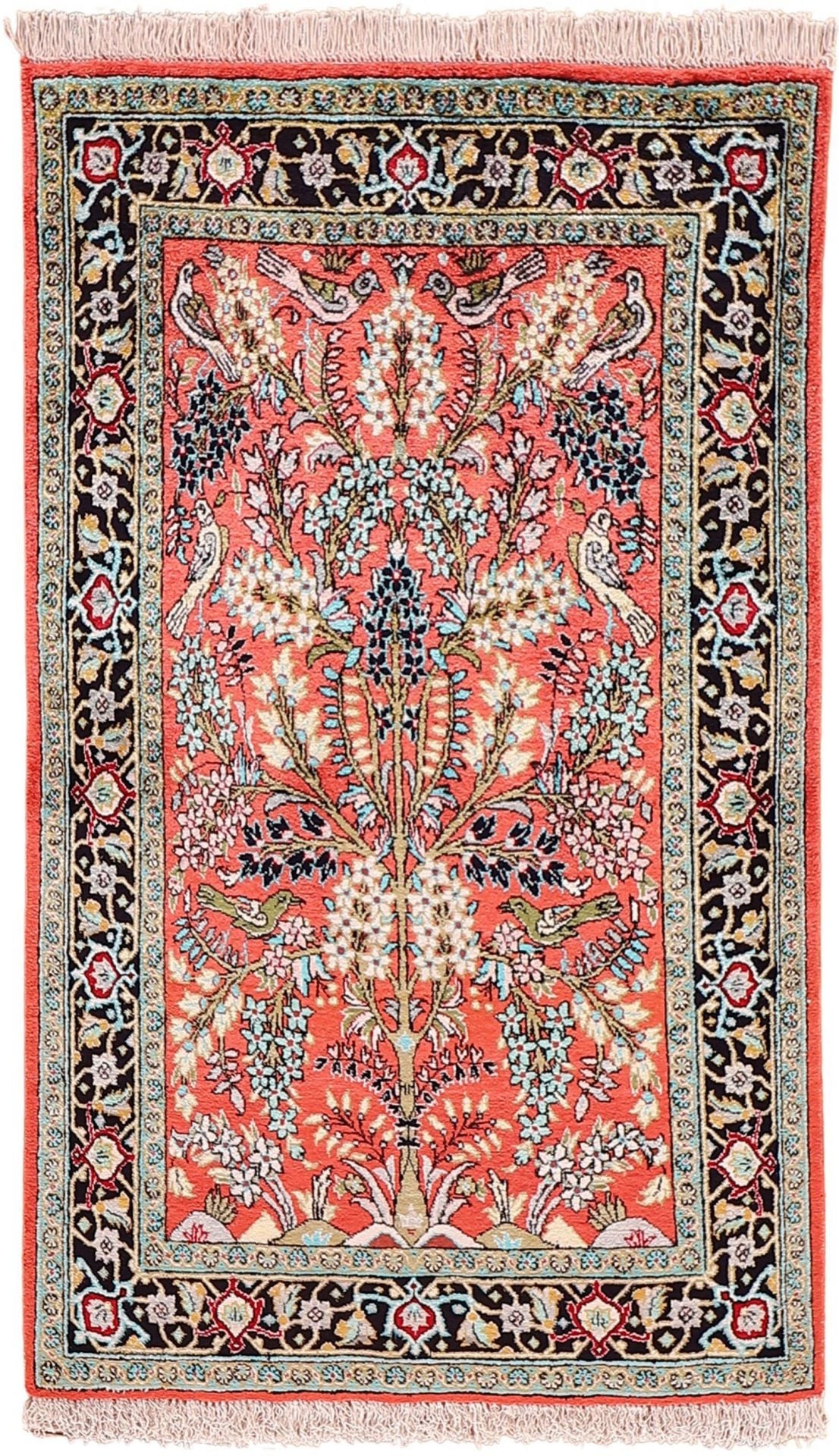
Persian rugs are renowned worldwide for their exquisite craftsmanship and detailed patterns. The most common patterns include floral motifs, geometric designs, and complex medallions. Colors vary by region, with red and blue often predominating. These rugs are ideal for traditional interior design schemes and add a timeless elegance to a room.
Berber-carpets
BerberThese rugs originated in North Africa and are characterized by their simple, geometric patterns. They are often in neutral, earthy tones and made from high-quality wool. They are particularly suitable for rooms in a boho or Scandinavian style and bring a cozy atmosphere to any space.
Oriental carpets
Oriental rugs are a collective term for carpets produced in various parts of the Orient. They are characterized by their opulent colors and complex patterns. These rugs are an excellent example of how art and functionality can be harmoniously combined. Whether in the living room or dining area, they add striking accents.
Modern carpet patterns
Minimalist designs
Minimalist rugs have gained popularity in recent years. They focus on simple geometric shapes and a pared-down color palette. These rugs are perfect for modern spaces where less is more. They pair well with clean lines and neutral colors and often have a calming effect.
Abstract patterns
Abstract rugs are a great way to add color and texture to a room without being too overpowering. They are often designed in vibrant colors and can depict a variety of shapes and textures. Such rugs are ideal for creative spaces or as a statement piece in a simple room.
Vintage-carpets
VintageCarpets, which often possess a history and patina, are also very popular. They bring character and a touch of nostalgia to interior design. VintageRugs come in a variety of patterns and colors, from floral designs to abstract styles. They are a great way to add rustic charm to a modern space.
Choosing the right carpet size
Choosing the right size is crucial to creating a harmonious overall look in your room. Here are some tips for choosing the right rug size:
For living rooms: A large rug should be placed under the main furniture so that the front legs of the sofas and armchairs rest on it. This creates a unified look.
For dining rooms: A rug should be large enough so that all chairs can stand on it even when they are pushed back.
- For bedrooms: A rug can be placed either under the bed or on either side of the bed. Make sure it's large enough to provide a soft and inviting entry.
colors and materials
color psychology
The color of a rug has a significant impact on the atmosphere of a room. Calming colors like blue and green can have a relaxing effect, while warm colors like red and yellow can create an energetic mood. When choosing a rug color, consider the existing colors in the room and your personal preferences.
Materials
The choice of material plays a crucial role in durability, care, and comfort. Here are some commonly used materials:
Wool: Wool is very robust, durable, and has natural dirt-repellent properties. It is ideal for high-traffic areas.
Synthetic fibers: These are often cheaper and highly resistant to stains and wear. They are a good choice for families with children or pets.
- Silk: Silk carpets are particularly luxurious and lustrous, but also more delicate and expensive. They are usually found in less frequented areas such as living rooms.
Care and cleaning of carpets
Proper care is crucial to extending the life of your carpet. Here are some tips:
Regular vacuuming: Remove dust and dirt regularly to protect the fibers and the material.
Treat stains immediately: Act quickly to prevent permanent stains. Use a suitable cleaning agent and test it on an inconspicuous area.
- Professional cleaning: Have your carpets professionally cleaned at least once a year to remove ingrained dirt and allergens.
Buying carpets: What you should pay attention to
There are several factors to consider when purchasing a carpet:
Budget: Set a realistic budget that takes into account both the purchase price and future maintenance costs.
Room size: Measure the area where the rug will be placed to ensure you choose the correct size.
Style and design: Consider which pattern and color will suit your decor and what kind of atmosphere you want to create.
- Material: Consider the function of the room and choose a suitable material that is both comfortable and durable.
closing thoughts
Rugs are more than just functional elements—they are works of art that add character to your home. Whether traditional or modern, the selection of rugs is vast and can cater to every style and taste. Take your time to select the perfect piece for your space. It will not only enhance your decor but also create a welcoming and cozy atmosphere. Enjoy the variety of rug patterns and their impact on your interior design!
FAQ
1. How do I find the right rug for a small room?
For small spaces, rugs in light colors or with a minimalist design are ideal, as they make the room appear larger. Additionally, the rug should be small enough not to overwhelm the space, but large enough to create a defined area.
2. How often should I have my carpet cleaned?
As a general rule, a carpet should be professionally cleaned at least once a year to remove ingrained dirt, allergens, and dust mites. For heavily used carpets, such as those in households with children or pets, semi-annual cleaning may be beneficial.
3. Can I use a carpet in a room with underfloor heating?
Yes, not all rugs are suitable for use with underfloor heating, but many rugs made of wool or synthetic materials can be used safely. Make sure the rug isn't too thick, as this can impair heat transfer.