The hidden treasures of TabrizA look at the culture and history of the Iranian metropolis
carpets off TabrizAn insight into culture and history
Carpets are far more than just decorative elements in our living spaces; they are an expression of art, culture, and craftsmanship. Among the most famous carpets in the world are the hand-knotted carpets from Tabriz, a city in northwestern Iran with a long and rich history of carpet production. To understand the unique characteristics and cultural significance of these carpets, it is worthwhile to explore the hidden treasures of Tabriz.
The historical significance of Tabriz
Tabriz Over the centuries, it was one of the most important trading cities along the Silk Road. Its location allowed merchants and craftsmen from various cultures to settle there and exchange their traditions and techniques. The city has a long history dating back to antiquity; it was the capital of several dynastic kingdoms and a center for cultural exchange.
In the 16th century, Tabriz A golden age occurred when the Safavid dynasty chose the city as its capital. This period was characterized by a flourishing arts scene, in which carpet weaving was considered one of the most prestigious art forms. Carpets from this era are known for their intricate designs, vibrant colors, and high-quality materials.
The art of carpet weaving
Materials and techniques
The carpets made of Tabriz These rugs are renowned for their exceptional quality. They are traditionally crafted from highland wool, silk, and vegetable dyes. Wool offers not only outstanding durability but also a natural ability to absorb and reflect color beautifully. Silk is often used to create special effects and lends the rugs a luxurious appearance.
The knotting technique used in Tabriz The node used is called "SennehThe "-knot" is a well-known knot. This particularly fine knot allows for very detailed patterns and designs. A rug can take several months to years to knot, depending on its size and complexity. Traditional families in Tabriz They often pass on their knowledge and skills from generation to generation, thus keeping the art of carpet weaving alive.
The color palette
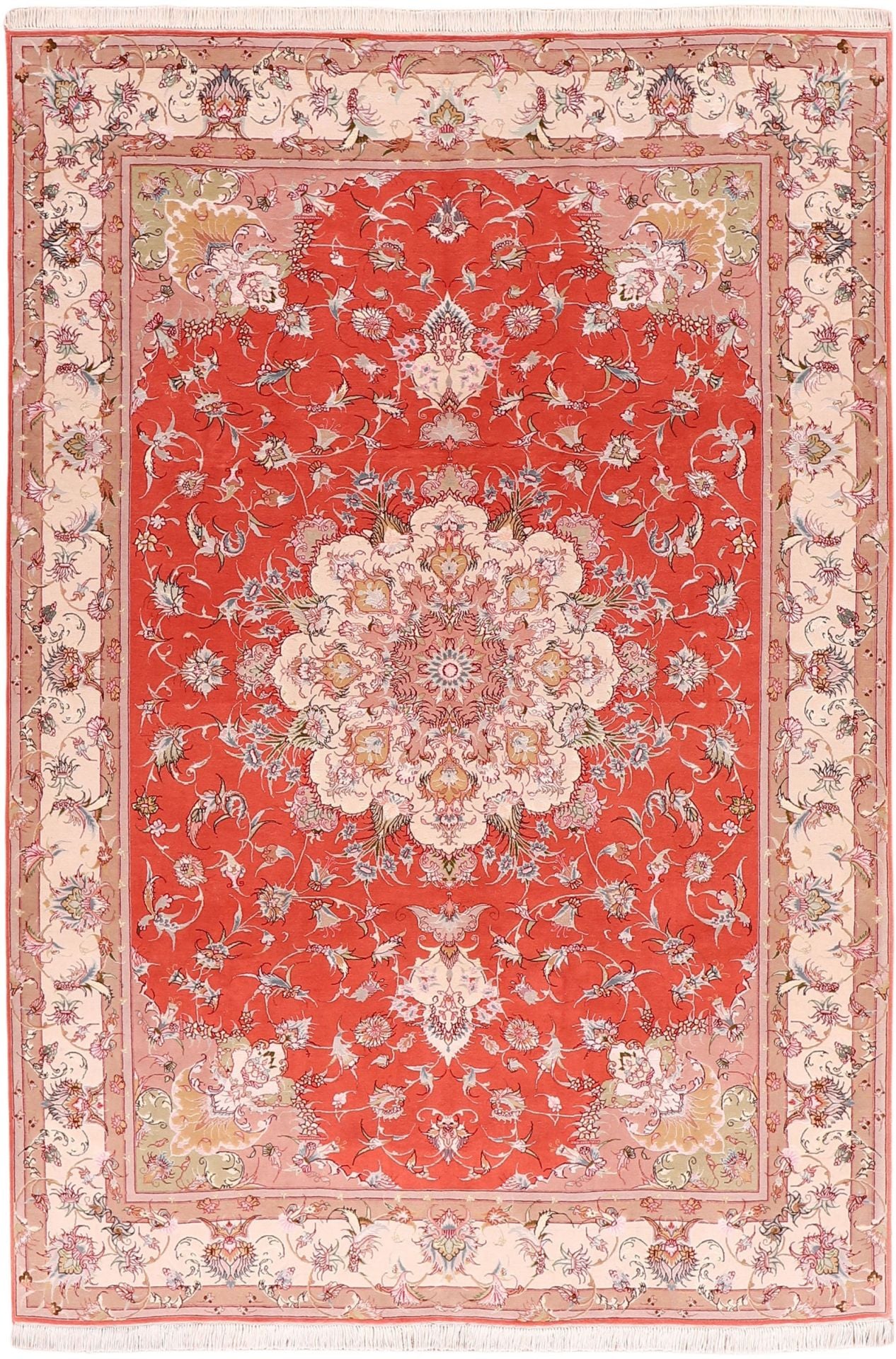
The colors of TabrizThe carpets are as diverse as the cultural influences that have shaped the city. Traditionally, natural dyes from plants, minerals, and insects are used to achieve a wide spectrum of hues. The most common colors are blue, red, yellow, and cream, often combined in complex patterns. These colors are not only aesthetically pleasing but also hold special symbolic meanings in Persian culture.
The design of the carpets
Motifs and symbols
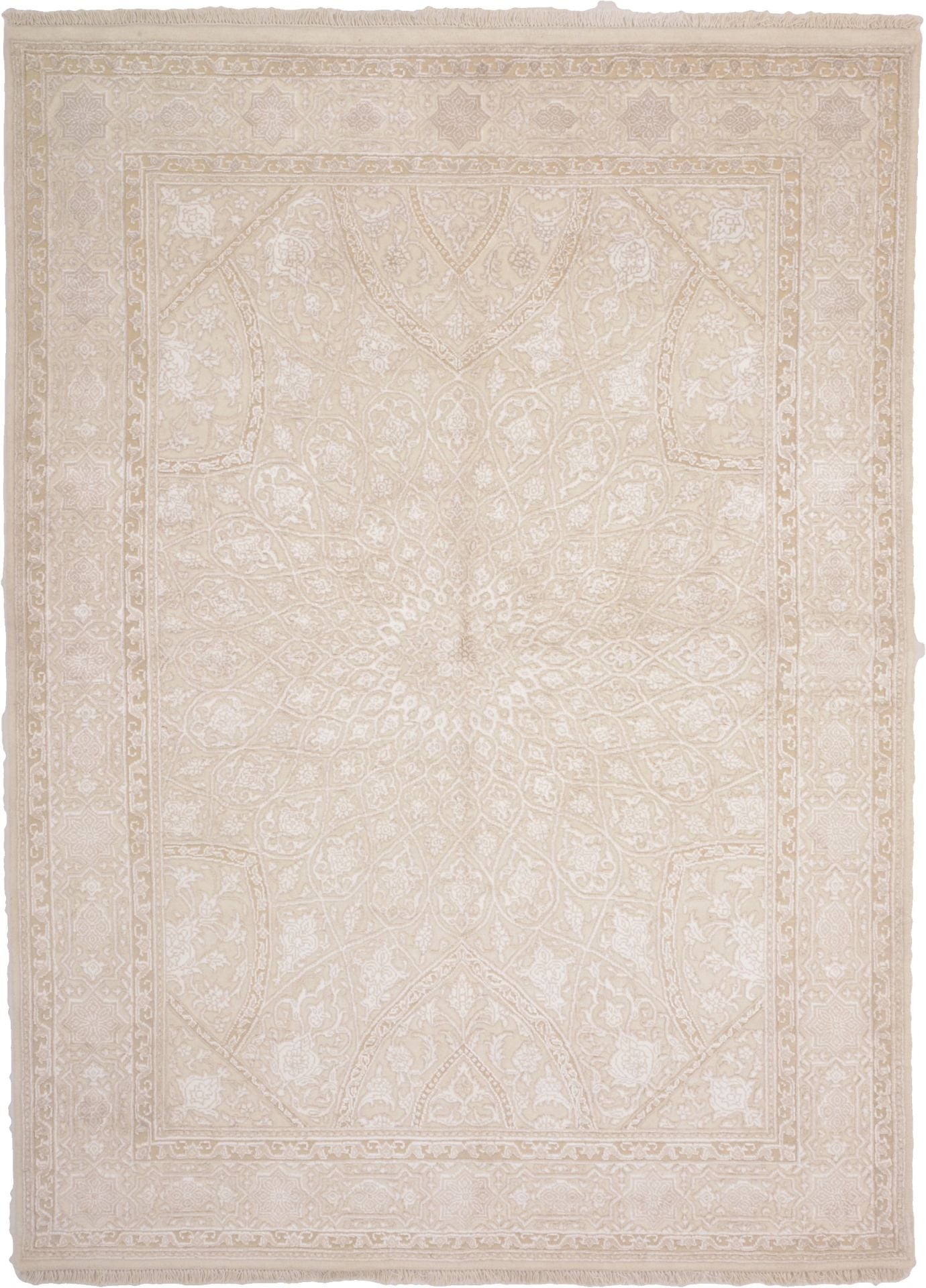
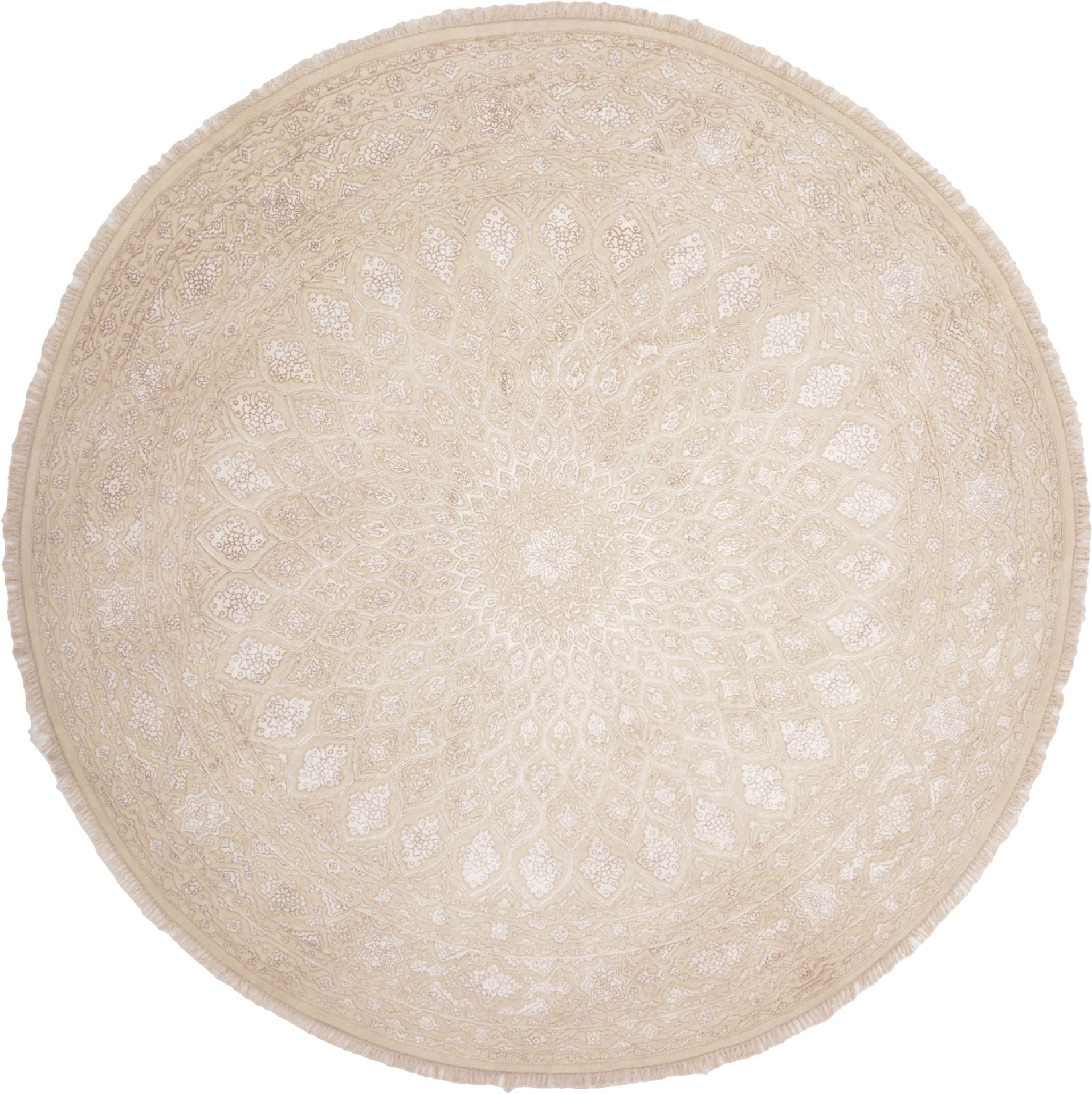
The designs of the carpets from Tabriz They are often inspired by nature, Islamic art, and Persian mythology. Popular motifs include floral patterns, geometric shapes, and animal depictions. Each pattern tells a story and references Iran's cultural and historical background. The symmetrical and harmonious designs symbolize balance and order, which are of great importance in Islamic culture.
Famous designs
Some of the most famous carpet designs from Tabriz are the “HeratiThe “-style, characterized by its wavy floral patterns, and the “medallion” style, in which a large, centrally placed medallion is surrounded by a complex pattern. These designs are not only aesthetically pleasing but also technically demanding to produce.
The influences on carpet production
Cultural influences
The history and culture of Tabriz have had a significant influence on carpet production. The city was a melting pot of diverse influences, including Persian, Ottoman, and Mongolian traditions. These diverse influences are reflected in the designs, colors, and techniques of the carpets. Tabriz clearly visible.
Modern developments
In recent decades, the carpet industry in Tabriz It has experienced both challenges and opportunities. The influence of industrially produced carpets and the shift of craftsmanship have jeopardized traditional knowledge. Yet, at the same time, many artisans have joined forces to preserve and promote the traditional art of carpet weaving. Thanks to the growing international demand for authentic, hand-knotted carpets, the TabrizCarpets are experiencing a renaissance.
The purchase of Tabrizthe carpets
What to look for
When buying a TabrizWhen choosing a rug, there are several important factors to consider. First, the quality of the material is crucial. High-quality wool and silk are key characteristics of a premium rug. Pay attention to the knot count per square inch; the higher the knot count, the finer and more detailed the rug.
Furthermore, you should choose the designs and colors that best suit your room. Traditional TabrizThese carpets go well with classic interior design styles, while more modern designs can also be integrated into contemporary rooms.
Certificates and authenticity
Make sure the rug comes with a certificate of authenticity. There are many fakes on the market, and a genuine piece from Tabriz It will not only bring you longer enjoyment, but also represent an investment in art and culture.
Care and cleaning of carpets
Regular maintenance
Regular care is crucial to maintaining the beauty and longevity of a TabrizTo maintain the carpet, vacuum it regularly to remove dust and dirt particles. Use a soft brush to protect the material.
Professional cleaning
For a deeper cleaning, it's advisable to have the carpet cleaned by a professional, especially when it comes to delicate materials like silk. Professional cleaning services understand the specific requirements of different carpet types and can thus prevent damage.
Final section
carpets off Tabriz Carpets are more than just floor coverings; they are masterpieces that tell stories and represent cultural traditions. The study of carpet art from Tabriz It not only leads us into the heart of one of the world's oldest crafts, but also opens the door to a deeper understanding of Iranian culture and history. When you purchase such a carpet, you acquire not only a beautiful piece of art, but also an heirloom to pass on. The connection between art, culture, and history makes the TabrizThe carpet becomes a true treasure for every household.
FAQ
1. How do I recognize an authentic person? TabrizThe carpet?
An authentic TabrizThe rug is distinguished by certain characteristics: high-quality materials (wool or silk), a high knot count, and distinctive designs. Also, look for a certificate of authenticity that verifies the rug as an original. Tabriz identifies.
2. How do I care for my TabrizIs the carpet right?
Taking care of one TabrizThe carpet requires regular vacuuming with a soft brush. For stubborn stains or deeper cleaning, you should consult a professional to avoid damaging the material.
3. Is it useful to have one? TabrizShould I buy the carpet as an investment?
Yes, TabrizCarpets can be a valuable investment. They are not only beautiful and unique, but their craftsmanship and the use of high-quality materials can increase their value over the years, especially if it is a rarer or historically significant piece.