The hidden treasures of KashanA journey of discovery through the history and culture of Iran
A journey of discovery through the history and culture of carpets from Kashan
A rug is more than just a functional home accessory; it is a living work of art, embodying centuries of history and cultural influences. This is especially true of rugs from KashanKashmir, a city in central Iran, is famous for its exquisite craftsmanship and unique designs. This article aims to provide you with a deep insight into the fascinating world of Kashmir carpets and to illuminate their cultural significance and history.
The history of the Kashan-carpets
Kashan has been a center of carpet production since the 16th century. The city boasts an exceptional tradition that began with the Golden Age of the Safavid dynasty. During this time, carpet weaving experienced a flourishing, characterized by opulent splendor and innovative designs. Carpet weavers in Kashan They soon developed their own style, characterized by intricate patterns and bold colors.
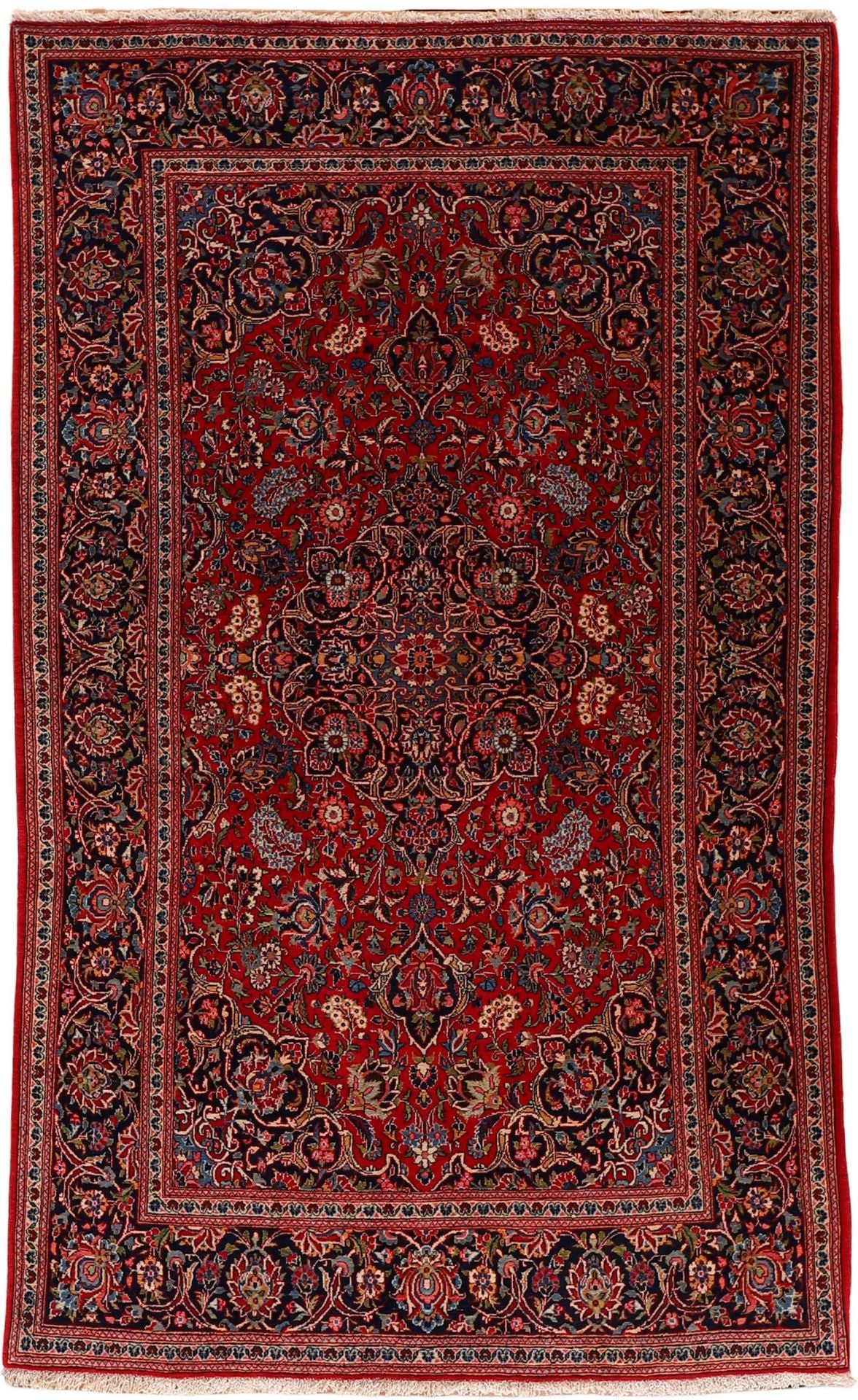
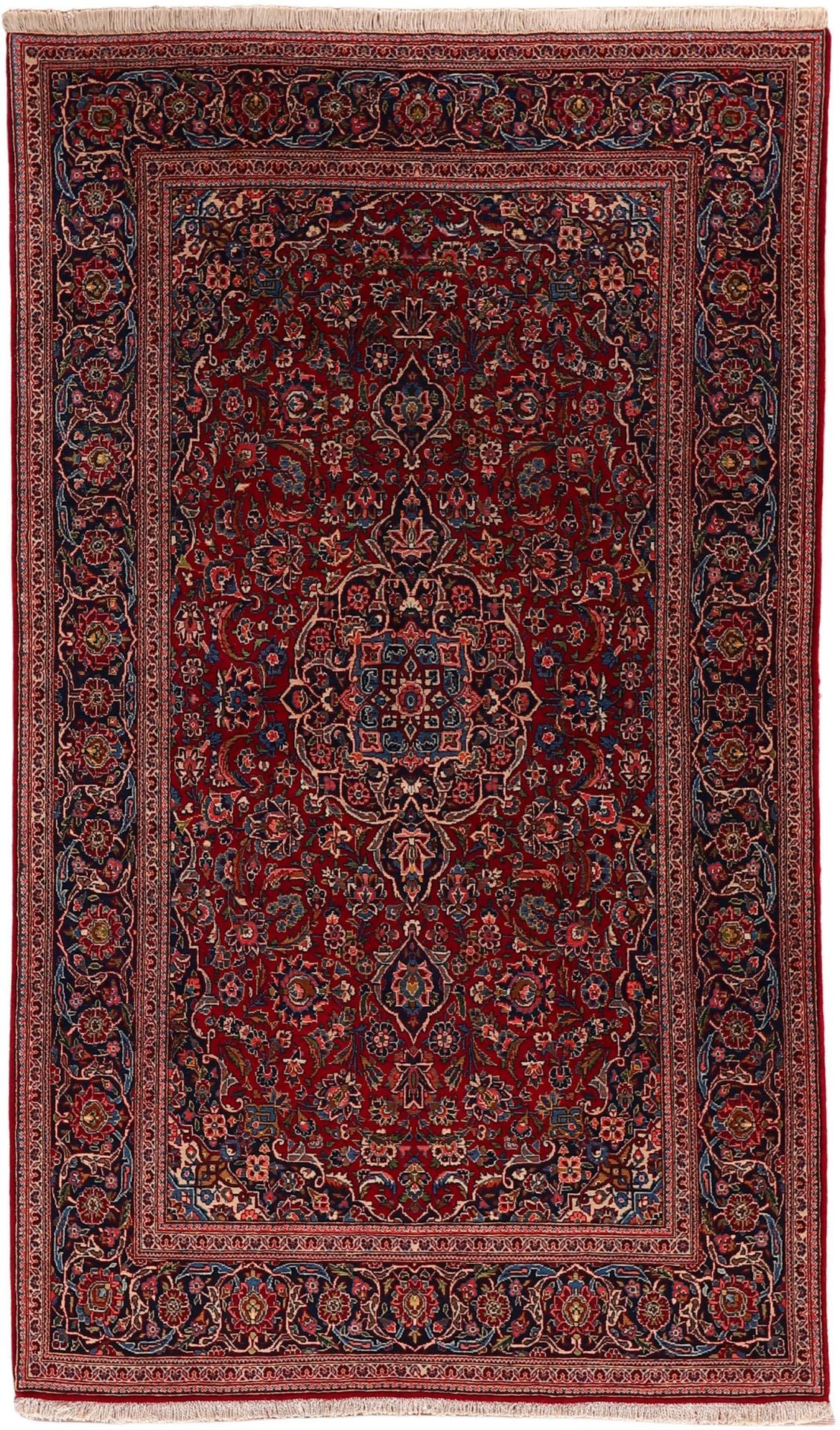
The use of high-quality wool and silk, combined with traditional dyeing techniques, created a durable and aesthetically pleasing surface that is prized in both Persian palaces and European homes. The carpets made of Kashan are famous for their floral patterns, geometric designs and the frequent use of symbolism that carries deep cultural meanings.
Explore the region Kashan
Explore the region Kashan It offers a unique geographical and climatic location that makes it possible to produce high-quality materials. The lush pastures and clean water sources make Kashan It is the ideal location for raising sheep that produce wool of exceptional quality. Furthermore, its proximity to large fabric markets is a significant advantage. Isfahan beneficial for the trade and distribution of carpets.
Materials and techniques
Wool and silk
The carpets made of Kashan They are known for using high-quality wool and silk. Wool sourced from local sheep ensures a firm structure and a soft surface, while silk gives the rug a shimmering sheen. The combination of these two materials allows them to create rugs that are both durable and elegant.
Dyeing techniques
Color plays a central role in carpet art. KashanTraditionally, natural dyes derived from plants, minerals, and insects are used. This method guarantees vibrant colors that retain their intensity even after many years. For example, red is often obtained from cochineal and blue from indigo, while various plants are used for yellow tones.
Knotting techniques
The knotting techniques used in Kashan The techniques used are complex and deeply rooted in tradition. The predominant knot type is the Persian knot (or asymmetrical knot), which allows for the creation of detailed and intricate patterns. Through the skillful interweaving of knots, carpet weavers achieve fascinating effects that highlight the artistic quality of the carpets.
design and pattern
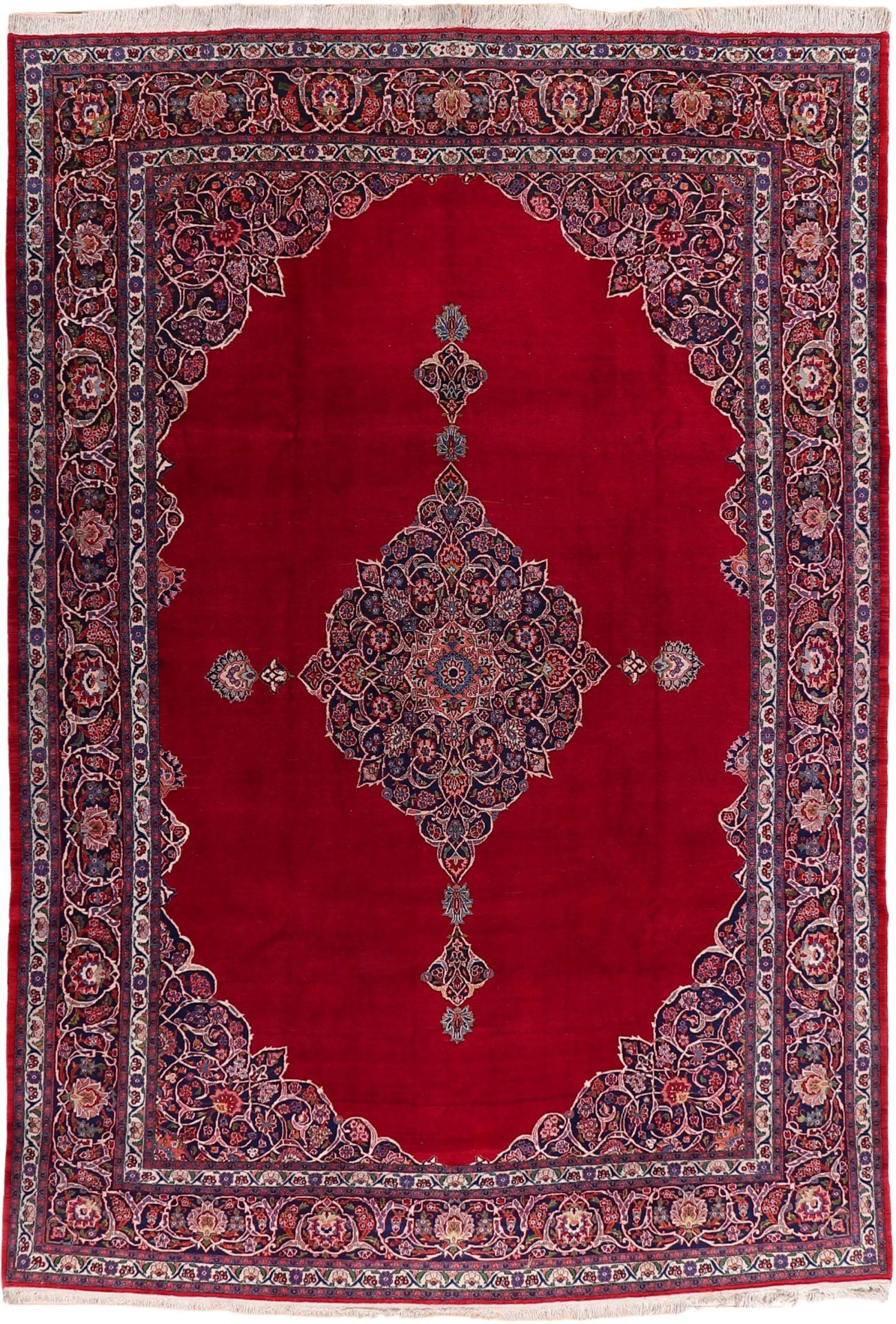
The designs of the KashanCarpets are often inspired by nature, mythology, and religion. Typical motifs include:
Floral patterns : These are the most frequently used designs and include flowers, leaves, and vines. They symbolize growth and fertility.
Geometric forms : These designs reflect the mathematics and geometry that play an important role in Islamic art. They represent the order and structure of the universe.
- Medalion designsMany carpets made of Kashan They feature central medallions, often surrounded by complex patterns. These medallions can have spiritual meanings and frequently represent a connection to the beliefs of the region.
The importance of carpets in Iranian culture
Carpets play a fundamental role in Iranian culture. They are not only a form of art, but also a symbol of cosmopolitanism and hospitality. In many Iranian households, it is a tradition to offer guests a carpet as a sign of wealth and respect.
Furthermore, carpets in Iran are often considered heirlooms. Many families own carpets that are passed down from generation to generation. A beautiful carpet is therefore not only a decorative element but also a significant cultural heritage.
The role of the carpet market
Kashan It boasts a vibrant carpet market, widely regarded as one of the best places to acquire handmade carpets. Here you'll find not only dealers showcasing the latest collections but also master carpet weavers demonstrating their skills. The market attracts tourists and collectors alike, offering a unique opportunity to experience firsthand the diversity of designs and the history of carpet art.
Care and maintenance of Kashan-carpets
To preserve the beauty and longevity of your KashanProper care is essential to ensure the health of your carpets. Here are some tips:
Regular cleaning : Vacuum your carpet regularly to remove dust and dirt. However, avoid excessive suction power to prevent damaging the fibers.
Stain removal : Act quickly on stains. Use a gentle detergent and dab the stain carefully instead of rubbing.
Avoid direct sunlight : To prevent fading, carpets should not be exposed to direct sunlight for extended periods.
- Professional cleaning: Have your carpet cleaned by a specialist carpet cleaner every few years to remove deep soiling and buildup.
Buying one Kashan-carpets
If you decide, one KashanWhen buying a carpet, you should consider a few important factors:
Certificates : Make sure the rug has a seal of authenticity to ensure it is an original.
Materials : Check what materials the rug is made of. High-quality wool and silk are a sign of craftsmanship.
Design and style : Choose a design that matches your personal style and decor.
- PriceHand-knotted rugs are often expensive, but it's important to invest in quality. A good rug can last a lifetime.
Conclusion
KashanCarpets are a fascinating example of the interplay between art, culture, and a sense of tradition. Their history is closely linked to the development of Persian carpet weaving, perfected over centuries. These carpets are not only prized furnishings but also treasures that tell stories and preserve traditions. If you are looking for a KashanIntegrating a carpet into your home not only brings a piece of Iranian culture into your home, but also creates a connection to centuries of skillful craftsmanship and rich tradition.
FAQ section
1. How do I recognize a genuine one? Kashan-Carpet?
real KashanThese rugs are hand-knotted and usually made of high-quality wool or silk. Look for detailed patterns and fine knots. A certificate of authenticity can also be helpful.
2. How do I care for my Kashan-Carpet, right?
To ensure the longevity of your carpet, vacuum it regularly, avoid direct sunlight, and have it professionally cleaned every few years.
3. What does Kashan-Carpets so special?
The combination of high-quality materials, complex designs and traditional craftsmanship makes KashanCarpets are unique works of art, deeply rooted in Iranian culture. They are not only aesthetically pleasing but also carry a rich history within them.