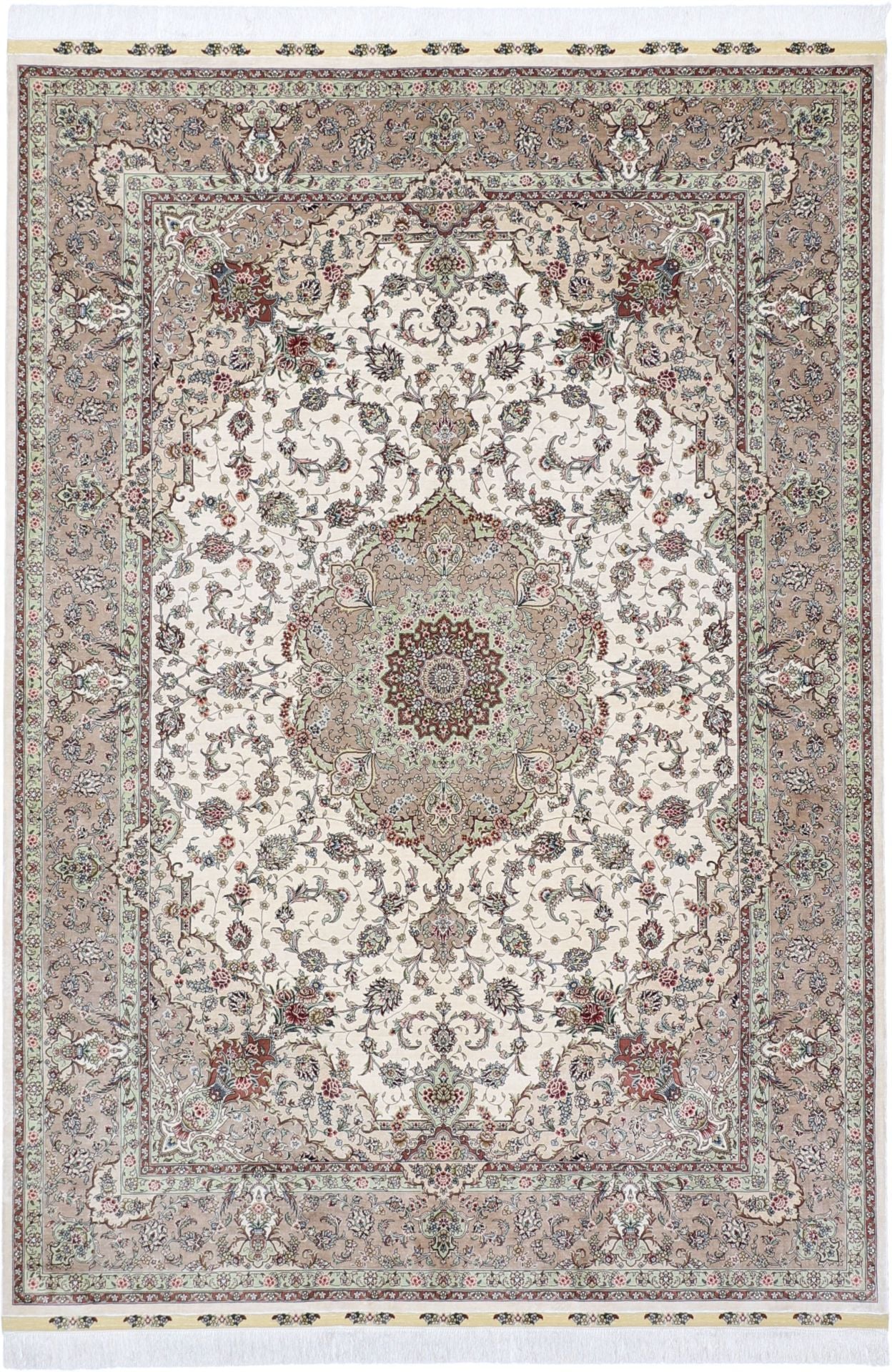
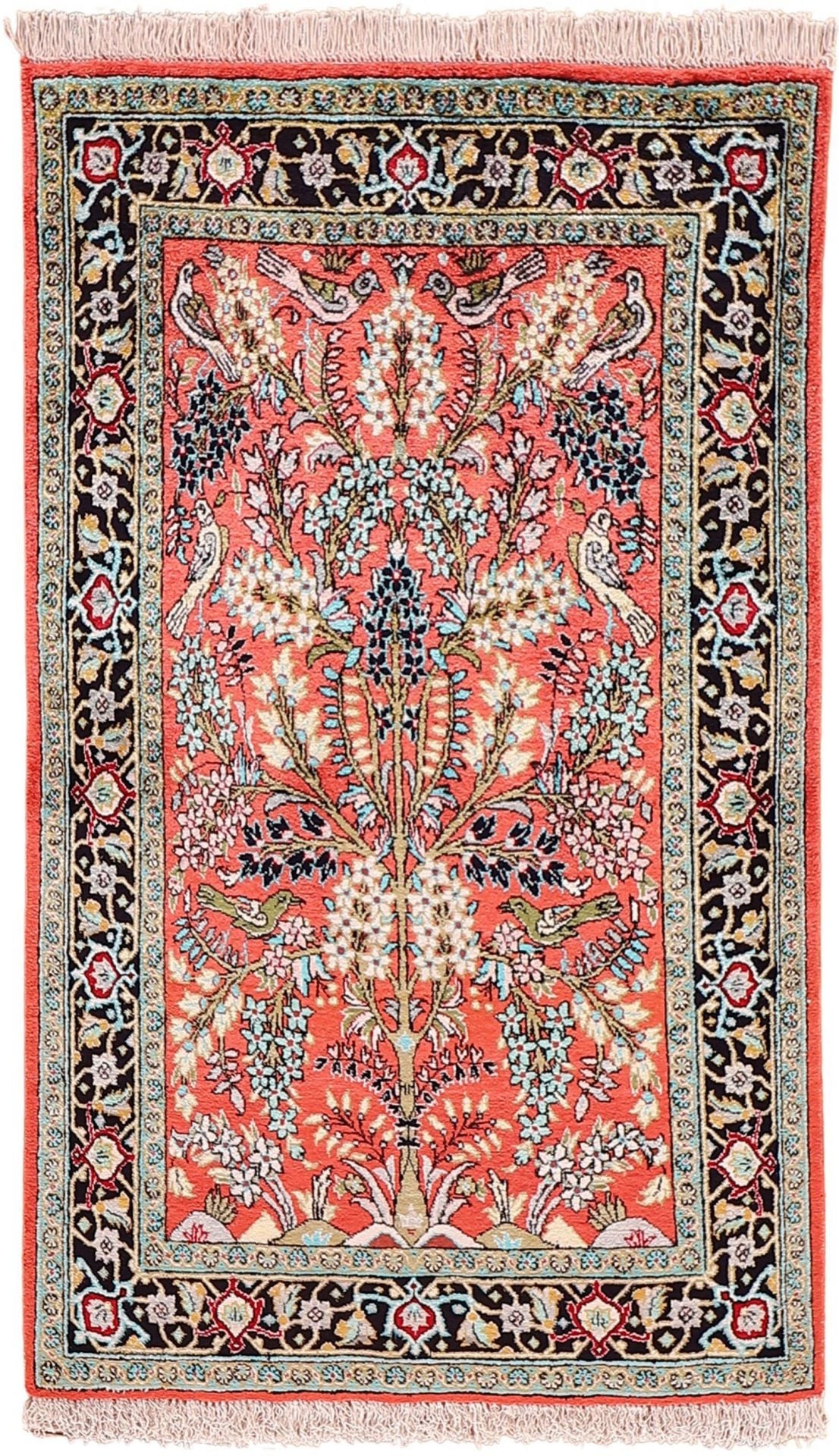
The environmental impact of Persian carpet production: traditions and sustainability
Carpets: Tradition, sustainability and environmental awareness
Introduction
Carpets are more than just decorative elements in our homes; they are an important part of cultural and craft traditions in many countries, particularly in Persia. In recent years, awareness of eco-friendly practices in carpet production has increased, as consumers increasingly consider the environmental impact of their purchasing decisions. In this article, we will explore the various aspects of carpet production, particularly traditional methods, environmental impacts, and sustainable practices taking root in the industry.
The journey of the carpet: From wool to the living room table
Raw materials: The starting point
The quality of a carpet begins with the materials it is made from. Traditionally, carpets are made primarily from wool, cotton, and silk. These materials have their own environmental impacts, depending on how they are produced.
Wool
Wool is an extremely popular material for carpets because of its inherent durability and stain resistance. However, wool production is associated with a number of environmental issues, such as the cynosure of sheep farming, which requires large amounts of water and land. However, sustainable practices, such as regenerative sheep farming, are gaining ground by making farming more environmentally friendly.
Cotton
Cotton is another commonly used material. Growing conventional cotton can be very harmful to the environment, as it involves the use of large amounts of pesticides and water. Organic cotton, on the other hand, is grown without harmful chemicals and using sustainable methods that minimize environmental impact.
Silk
Silk is considered the most luxurious material for carpet production, but its production also requires a lot of water and energy. Here, too, sustainable alternatives, such as "Ahimsa silk," offer a more ethical choice.
Traditional manufacturing processes
The art of carpet making is centuries-old and is often passed down from generation to generation. Many traditional methods are sustainable and locally rooted.
Hand-knotted carpets
Hand-knotted rugs are synonymous with quality and craftsmanship. Each rug tells a story, reflected in its patterns and colors. This technique allows for detailed craftsmanship and high durability.
Weaving techniques
Weaving is another method of rug production that requires fewer resources than knotting. These rugs are often lighter and can be produced quickly, although there are questions about the environmental impact of the materials used.
The environmental factor in carpet production
Chemicals and their effects
One of the biggest environmental problems in carpet production is the chemicals used in the dyeing and finishing processes. Many of these chemicals are harmful to the environment and the health of workers.
coloring agent
Conventional dyes are often petroleum-based and can leave behind toxic residues that leach into water sources. Eco-friendly alternatives, such as natural dyes derived from plants and mineral sources, are growing in popularity and can significantly reduce these negative impacts.
Water consumption
Water consumption in carpet production is enormous. Large quantities of water are required both for the production of the materials and for dyeing.
Water management
Sustainable practices are increasingly focusing on smart water management techniques that minimize consumption and prevent water pollution. Water reuse initiatives and the implementation of rainwater harvesting systems demonstrate promising approaches to reducing water consumption.
Energy consumption
Another major issue is energy consumption. Many carpet factories operate on fossil fuels, which leads to high CO2 emissions. Switching to renewable energy could make a significant difference.
Sustainability initiatives in the carpet industry
Certifications and standards
More and more manufacturers are working to certify their production methods. Certifications such as GOTS (Global Organic Textile Standard) and Fair Trade indicate that the products were manufactured under strict ecological and social standards.
Innovative technologies
Technological advances in carpet production play an important role in the pursuit of sustainability. Computer-aided design (CAD) enables more precise material use and reduces waste.
Consumer education
The role of the consumer is crucial. Through education and transparency, consumers can make informed purchasing decisions and support sustainable products. Blogs, online shops, and social media help raise awareness about eco-friendly carpets.
The cultural significance of carpets
Carpets are not just practical items; they are also deeply rooted in the culture and history of the regions from which they originate. In countries like Persia, carpets are often considered status symbols and are a deeply embedded part of society.
Symbolism in art
The patterns and designs on carpets often have special meanings and tell stories. From geometric patterns to floral motifs, there is an infinite variety.
Transmission of traditions
Carpet weaving is an art form that transmits skills and traditions across generations. This art of weaving not only has aesthetic value but is also an expression of ethnic identity and cultural heritage.
Conclusion
The carpet industry is at a turning point. The challenges we face—from environmental pollution to social injustice—require innovative solutions and conscious choices from both producers and consumers.
It's important to strike a balance between tradition and modern environmental awareness. This can be achieved by supporting sustainable practices, ethical materials, and innovative technologies in production. Choosing a rug is not just a commercial decision, but also a conscious choice about how we develop and shape our lifestyles.
By choosing sustainable carpets, we contribute to the preservation of traditional craftsmanship while protecting our planet. Ultimately, the future of carpet production is also the future of our environment.
FAQ
1. What are sustainable carpets?
Sustainable carpets are made from environmentally friendly materials and produced under conditions that minimize environmental impact. These include the use of organic materials, the integration of energy-saving measures, and the avoidance of harmful chemicals.
2. How can I ensure that a carpet is environmentally friendly?
Look for certifications like GOTS or Fair Trade. These guarantee that the rug was produced under environmentally friendly and socially responsible conditions. Also, find out more about the materials and manufacturing processes.
3. What can I do to extend the life of my carpet?
Proper care is crucial. Regular vacuuming, proper storage, and occasional professional cleaning can help extend the life of your carpet. Avoid direct sunlight to prevent discoloration.