“The Beauty and Tradition of Nepalese Carpets: An Insight into Art and Crafts”
Carpets: A timeless work of art
Rugs are more than just a home accessory—they are an expression of art, history, and tradition. Nepalese rugs, in particular, impress with their unique beauty and craftsmanship. In this article, we will explore the fascination of these rugs, highlight the various manufacturing techniques, and delve into the cultural aspects behind each individual piece. Let's delve into the world of rugs and learn why they deserve a special place in every home.
The history of carpets
Origin of carpet art
The art of carpet weaving has a long and rich history dating back to ancient times. The oldest known carpets date back to the 5th century BC and were found in present-day Iran. These early exhibits testify to the amazing craftsmanship and nomadic traditions that laid the foundation for carpet production. Over time, carpet art developed in different regions, with each culture contributing its own style and techniques.
Carpets in Nepal
Nepal, located in the heart of the Himalayas, has its own distinctive carpet tradition. Nepalese carpets are known not only for their quality, but also for their diversity and artistic integrity. They are primarily made of virgin wool or silk and are characterized by vibrant colors and complex patterns. The production of these carpets is often a family business, with knowledge passed down from generation to generation.
The craftsmanship behind Nepalese carpets
Materials and techniques
natural fibers
Most Nepalese rugs are made from natural materials such as sheep's wool and silk. Wool is particularly sought after because it is not only soft and durable, but also has a natural look. Silk, on the other hand, gives the rugs a luxurious sheen. The combination of these materials allows artisans to create unique textures and patterns.
knotting techniques
Carpet knotting is an extremely time-consuming process and requires precision and skill. In Nepal, deep-pile carpets are mostly produced, which are created by knotting knots in a special pattern. There are various knotting techniques, such as the Ghiordes or Turkish knot, which give the carpets different characteristics. The quality of a carpet is often measured by the knot density—the higher the density, the finer and more detailed the work.
design and pattern
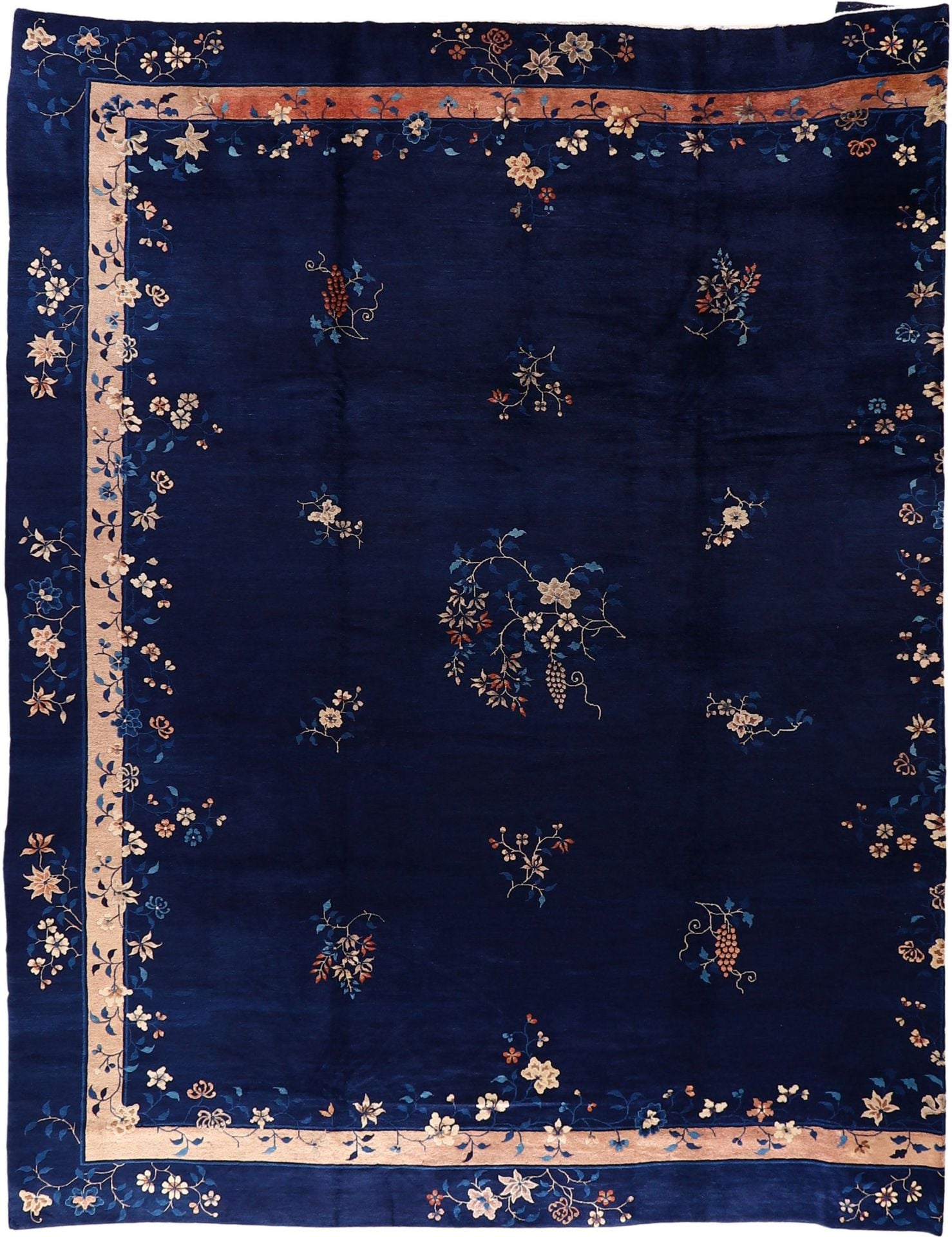
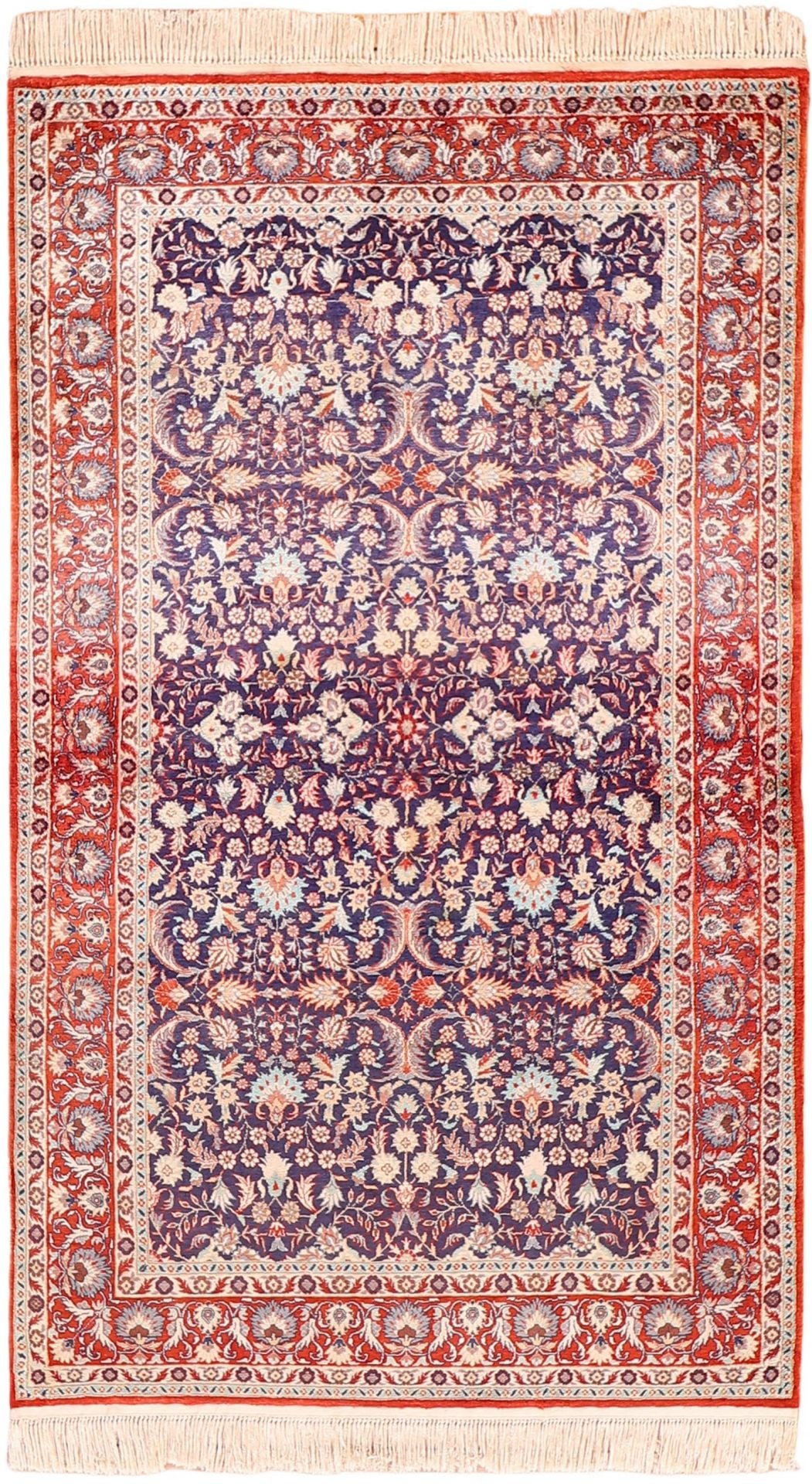
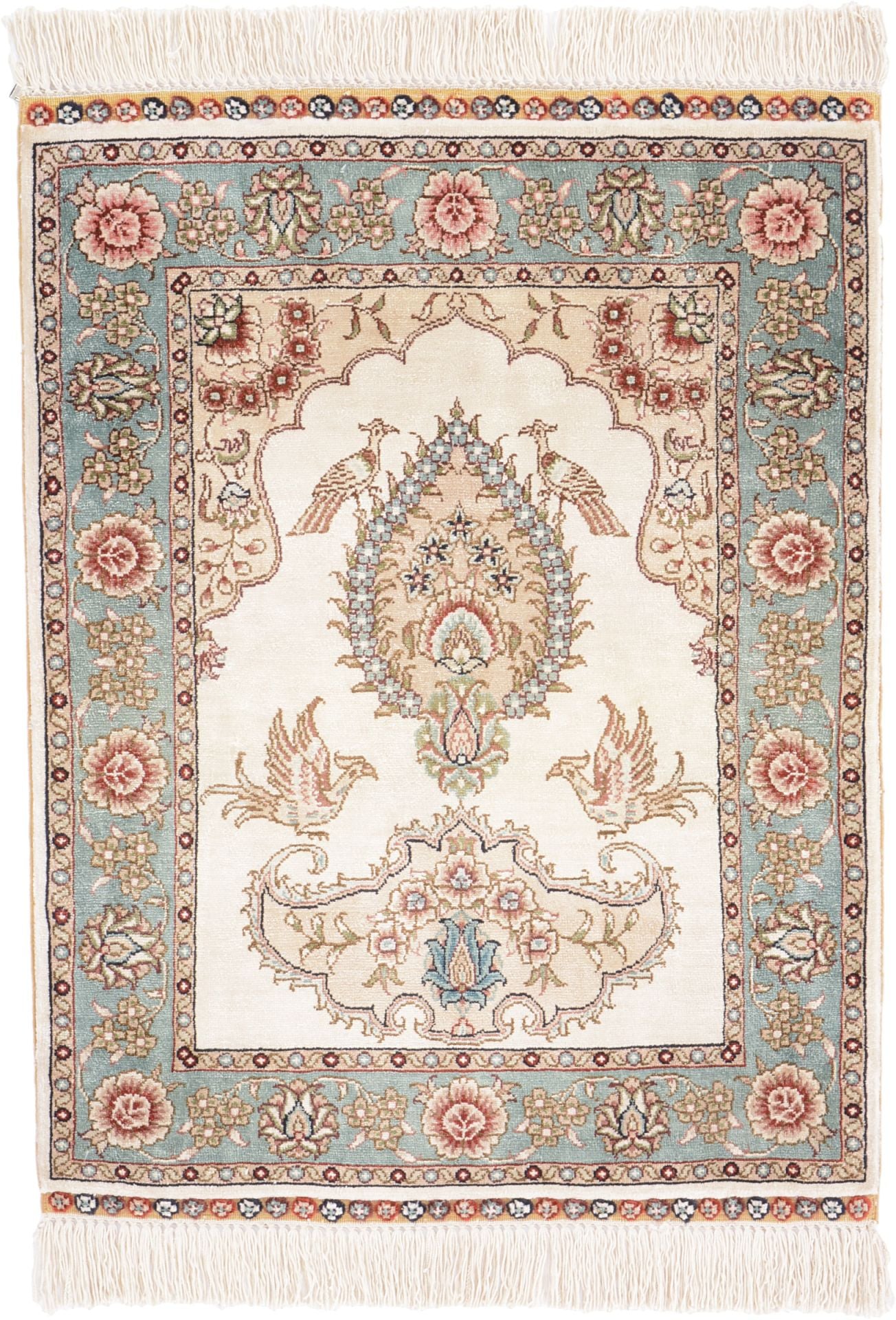
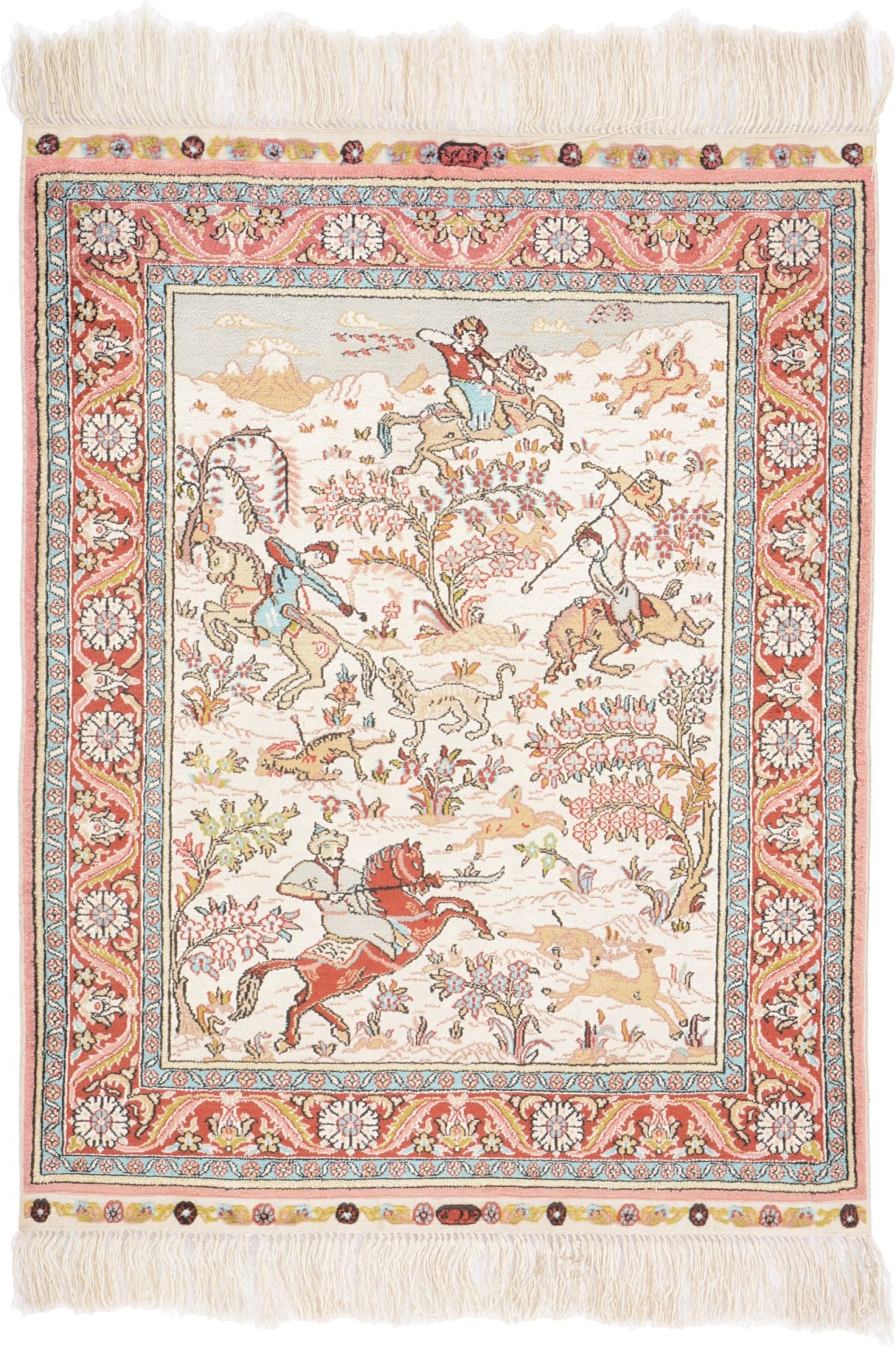
Nepalese carpets are known for their diverse designs and colors. The patterns range from traditional geometric shapes to floral motifs and complex scenes from Nepalese mythology. Coloration plays a crucial role and is often created using natural dyes extracted from plants and minerals. This traditional method not only guarantees sustainability but also a deep connection to nature.
The cultural significance of carpets in Nepal
Tradition and identity
Carpets are not just home accessories; they are a symbol of Nepal's cultural identity. Many carpets tell stories from their own culture, with each knot and color having a meaning. The carpets are often part of religious ceremonies and festivals, which further reinforces their significance in Nepalese society.
The role of artisans
Carpet production in Nepal is not only a matter of craftsmanship, but also a matter of social responsibility. Many carpet weavers are women who are financially independent through their craft. Carpet production offers them the opportunity to showcase their skills and keep their traditions alive.
Care and maintenance of carpets
Cleaning
Carpet care is crucial to extending its lifespan. Regular vacuuming prevents dirt and dust from penetrating the fibers. For stubborn stains, use a gentle soap solution to avoid damaging the material. Professional cleaning is recommended every few years to keep the carpet in optimal condition.
Storage
When a carpet isn't ready for use, it should be stored carefully. Rolling it up and storing it in a dark place is the best way to avoid discoloration and damage. The storage environment should be cool and dry to prevent mold growth.
Carpets for every room
living rooms
Rugs are perfect for living spaces because they offer both comfort and style. A large rug can bring harmony to a room and act as a visual focal point. It's important to ensure the rug matches the furniture in both color and style.
Bedroom
In the bedroom, rugs create a warm and inviting atmosphere. A soft rug next to the bed makes getting up a pleasant experience and adds a cozy feeling to the room. Consider choosing a rug in neutral colors or with vibrant patterns to reflect your personal style.
Office space
Carpets are also ideal for offices, as they not only enhance the room design but also dampen sound. In a modern office, an elegant carpet can help create a professional atmosphere. Colorful accent rugs can also add a personal touch to the space.
The carpet market: An overview
Buying carpets
When looking for a high-quality rug, there are several factors to consider. Make sure you buy from reputable dealers who offer transparency about the origin and materials.
Online vs offline
There are numerous ways to purchase rugs—both online and offline. While buying online can offer a wider selection, local stores often offer the opportunity to see and feel the rugs before purchasing. Consider what works best for you.
Price factors
Carpet prices can vary widely depending on factors such as material, size, and craftsmanship. High-quality Nepalese carpets are often more expensive, but they offer durability and craftsmanship that are reflected in the quality.
Conclusion
Carpets are a true work of art that combines history, tradition, and craftsmanship. Nepalese carpets, in particular, stand out for their unique designs and meticulous craftsmanship. They are not just a decorative element but also a piece of culture that brings warmth and character to any room. When you choose a carpet, you're not only investing in a home accessory, but also in a piece of history.
FAQ
1. How do I clean my carpet properly?
To clean your carpet, you should vacuum it regularly and use a mild soap solution for stains. Professional cleaning is recommended every few years.
2. What is the difference between wool and silk in carpets?
Wool is robust and durable, while silk has a luxurious sheen and offers a softer texture. The two materials are often used in combination to combine the advantages of both.
3. How can I ensure that I am buying an original Nepalese carpet?
When purchasing, look for certificates and information about the origin. Reputable dealers offer transparency and information about the craftsmanship and materials used.