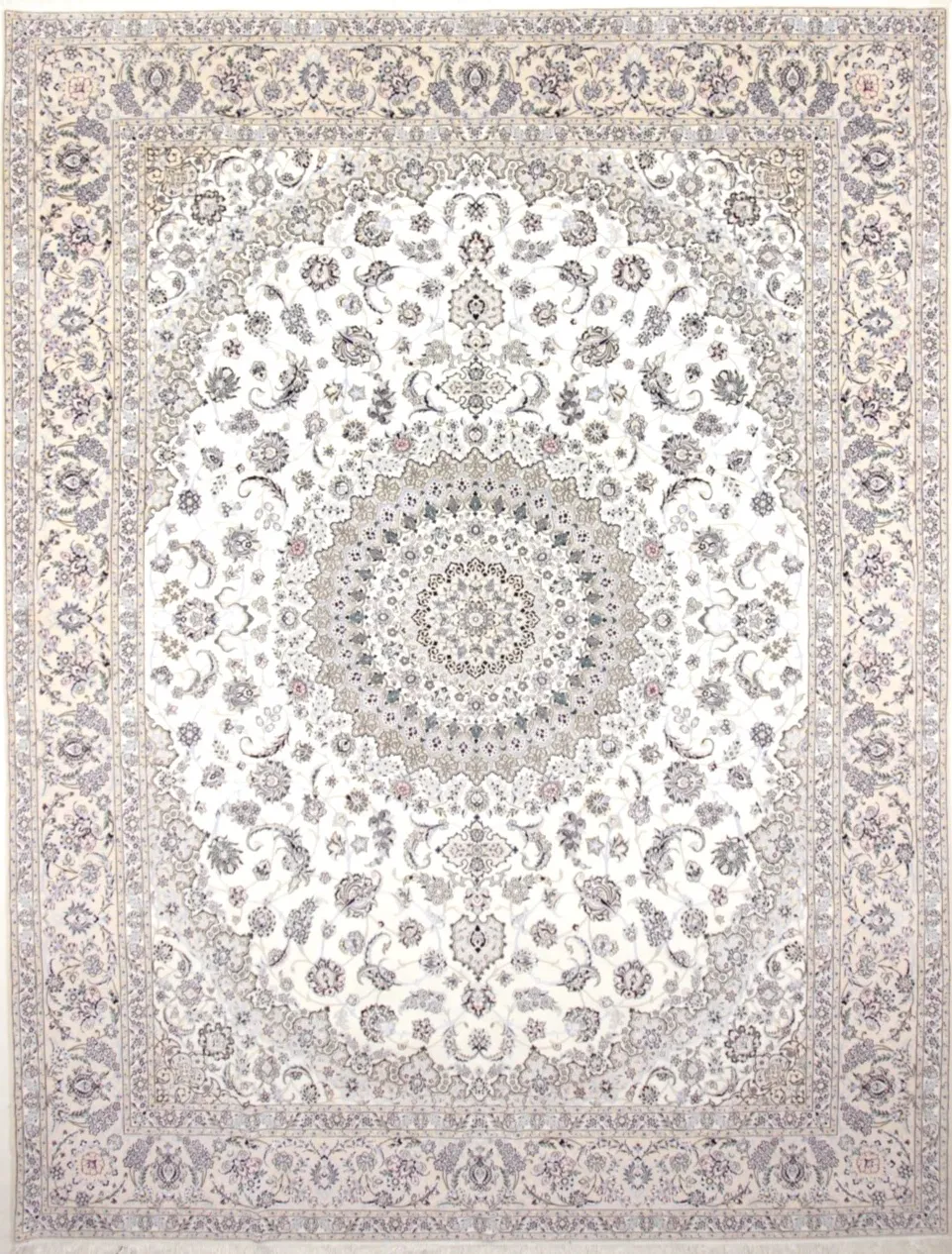
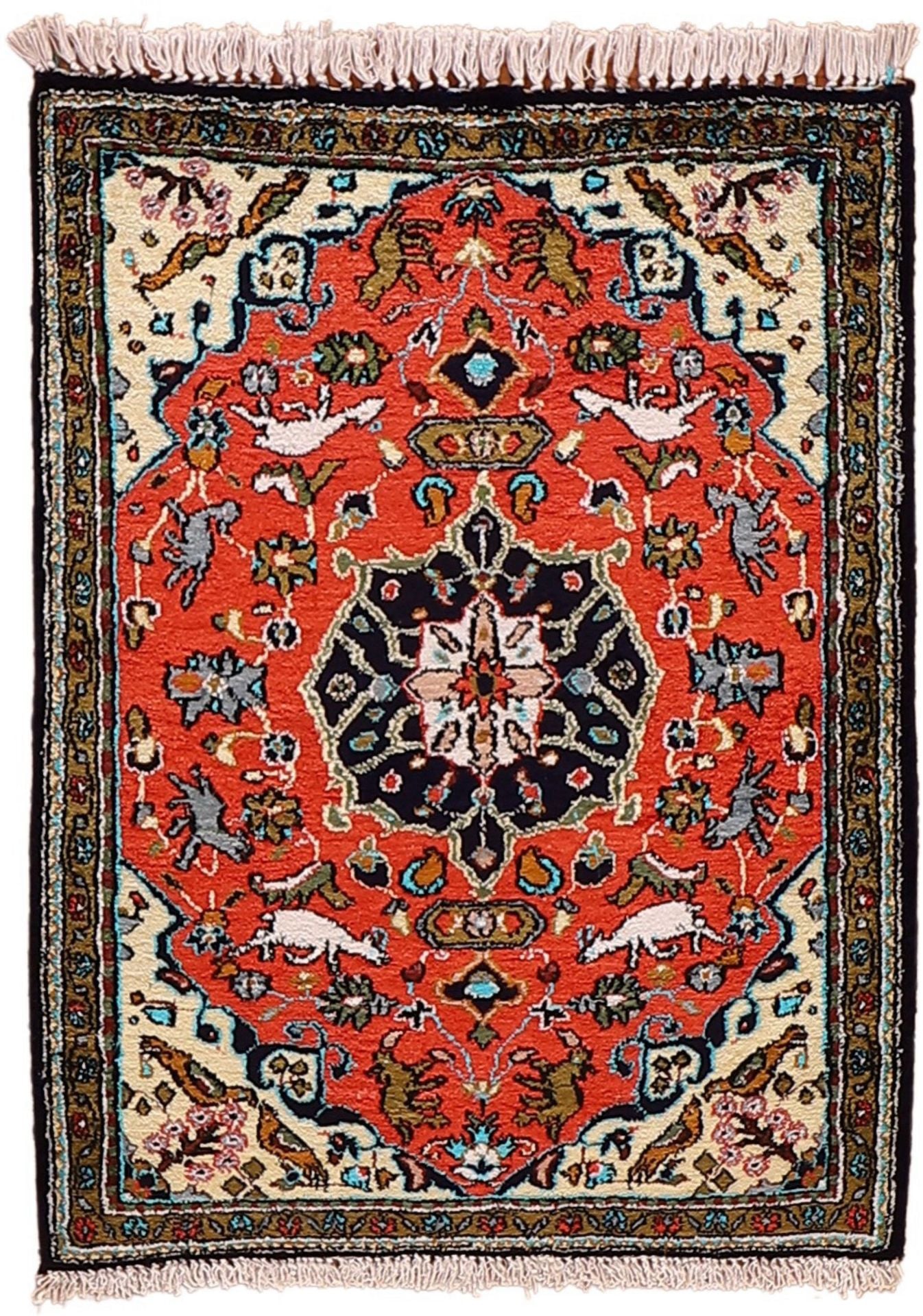
The beauty of authentic Persian carpets: tradition, craftsmanship and style for your home
The beauty of authentic Persian carpets: tradition, craftsmanship and style for your home
Introduction
Carpets are far more than just floor coverings. They are works of art that tell stories, represent cultures, and bring a warm atmosphere to any home. Authentic Persian carpets deserve special attention, captivating not only with their beauty but also with their deep cultural significance and craftsmanship. In this article, we explore the fascinating world of Persian carpets: from their exquisite designs and various knotting techniques to care and buying advice. Dive into the history and characteristics of Persian carpets and discover why they enrich your home.
The historical significance of Persian carpets
Persian carpets have a long and proud history dating back to ancient times. They were originally woven by nomadic peoples in Kashmir, Persia (present-day Iran), and the surrounding regions. These carpets were used not only as floor coverings but also as tent goods, blankets, and for ceremonial purposes. Carpet craftsmanship evolved over time and became an important part of Iran's cultural identity.
The first written records of Persian carpets date back to the time of Darius the Great, who ruled in the 5th century BC. These early carpets often featured symbolic motifs reflecting the power and wealth of their owners. Over the centuries, the designs became increasingly complex, and the techniques of carpet weaving became more refined. However, the term "Persian carpet" is not just a reference to geographical origin; it also represents a tradition that has been cultivated and preserved through generations.
The different knotting techniques
One of the outstanding features of Persian carpets is the variety of knotting techniques used in their production. There are several methods that differ in craftsmanship and materials. The most well-known knotting techniques are:
1. Turkish knot (Ghiordes knot)
This technique is widely used and is characterized by its density and durability. The Turkish knot is often used in carpets with clear geometric patterns. This knot is easy to knot and allows for quick work, making it particularly suitable for industrial production.
2. Persian knot (Senneh-Node)
The Persian knot is more complicated and time-consuming, resulting in higher quality. This technique allows for the creation of detailed and nuanced designs. Carpets made using this technique are often softer and have a better feel. The use of the Persian knot is a sign of high craftsmanship.
3. Flatwoven carpets
Flat-woven carpets, also known as KilimThese differ fundamentally from the knotted versions. They are produced by weaving and are characterized by their lightness and color intensity. KilimThey often have very vibrant patterns and are ideal for modern living styles.
4. Tapestry and other techniques
Some Persian rugs are additionally worked with techniques such as tapestry to create even more intricate designs. This art form requires exceptional skill and a great deal of time, making such rugs true masterpieces.
Choice of materials: High-quality wool and silk
The choice of material plays a crucial role in the quality and appearance of a Persian carpet. Traditionally, the following materials are used:
1. Wool
Most Persian rugs are made from high-quality sheep's wool, known for its durability, softness, and insulation. Wool has the advantage of being stain-resistant and performs well even in high-traffic areas.
2. Silk
Pure silk carpets are the most luxurious among Persian carpets. They are characterized by their high luster, fineness, and intricate patterns. Silk carpets are often more delicate than wool, but offer unparalleled elegance and beauty.
3. mixtures
Many high-quality rugs use a combination of wool and silk to combine the advantages of both materials. Such blends are both durable and visually appealing.
Design and color palette
The designs and colors of Persian carpets are incredibly diverse and reflect the cultural origins and craftsmanship traditions of the region. There are several different design styles:
1. Traditional motifs
Traditional Persian carpets often feature floral patterns, geometric shapes, and complex arabesque designs inspired by nature. These carpets tell stories and often have symbolic meaning.
2. Modern interpretations
Modern carpet production also influences traditional designs. More and more Designer They integrate contemporary styles and colors into their collections to create a fresh look that fits into today's living concepts.
3. color psychology
The color palette of Persian rugs is also incredibly diverse. Color psychology plays an important role in choosing a rug. Warm colors like red and orange promote coziness and energy, while cool colors like blue and green create a calming atmosphere. Therefore, when choosing a rug, you should also consider the intended mood of the room.
Care and maintenance of Persian carpets
Caring for Persian rugs is crucial to ensuring their beauty and longevity. Here are some important care tips:
1. Regular cleaning
To remove dust and dirt, a Persian rug should be vacuumed regularly. It's important to adjust the vacuum cleaner's bristles to the correct height to avoid damaging the fibers.
2. Professional cleaning
Every few years, it's advisable to consider professional carpet cleaning. Chemical cleaning should be carried out as gently as possible to avoid damaging the colors and materials.
3. Avoiding sunlight
Direct sunlight can fade the colors of a Persian rug. It's advisable to place rugs away from windows or use curtains to reduce sunlight.
4. Protection against moisture and dirt
To avoid stains, immediate action should be taken if liquids spill onto the carpet. Gently blot the affected area with a clean, dry cloth. Moisture can lead to mold and odors, so a quick response is important.
Buying advice: What you should pay attention to
Buying a Persian rug is an investment that should be carefully considered. Here are some important criteria to consider when choosing a rug:
1. Quality and workmanship
Pay attention to the knot type, the density of the weave, and the quality of the materials used. High-quality rugs are generally more expensive, but they are more durable and offer better value.
2. design and style
Consider the style of your home and which design best suits it. Measure the area where the rug will be placed to ensure it's well-proportioned and complements your decor.
3. expediency
Consider the rug's intended purpose. Will it be placed in a high-traffic area or is it more of a decorative element in a quiet room? Choose the materials and weave accordingly.
4. Certificates and origin
Have the carpet's origin and materials verified. Certificates of authenticity provide assurance about quality and trade practices.
Conclusion
An authentic Persian rug is not only a decorative element in your home, but also a piece of history and craftsmanship. The combination of traditional craftsmanship, varied designs, and high-quality materials makes it a unique piece of furniture that is durable and can accommodate a variety of home styles. By investing in such a rug, you're not only bringing beauty and style into your home, but also a piece of cultural heritage. Remember to choose carefully and ensure the necessary care so your rug will bring you years of enjoyment.
FAQ
1. How do you recognize a real Persian carpet?
A genuine Persian rug is distinguished by certain features that you can check. Pay attention to the knotting technique—Persian knots are often visible on both sides, whereas Turkish knots are not. The rug should also have a uniform density, and the colors should be natural and vibrant. Also check the materials: Real wool or silk will feel soft.
2. How often should a Persian carpet be cleaned?
We recommend having your Persian rug professionally cleaned at least once a year. Of course, it should be vacuumed regularly to remove dust and dirt. Quick cleaning should always be performed immediately when soiling occurs.
3. Are there special care products for Persian carpets?
Yes, there are special cleaning products suitable for wool or silk carpets. These are gentle enough not to damage the materials. However, be sure to choose products that don't contain harmful chemicals and test them on an inconspicuous area first.