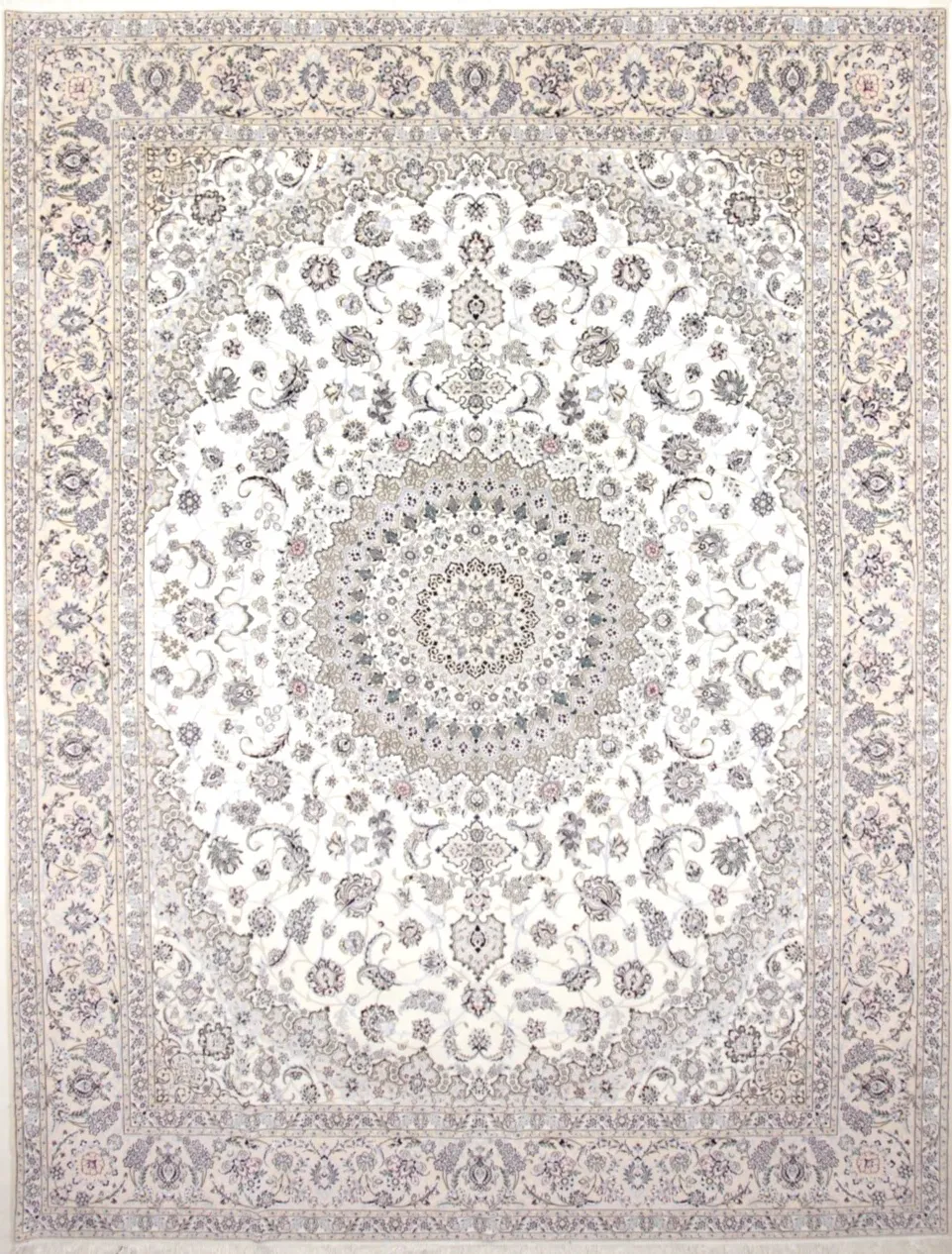
The dazzling world of silk: A journey of discovery through China's silk provinces
The dazzling world of carpets: A journey of discovery through production and culture
Introduction
Carpets are far more than just floor coverings. They tell stories, reflect cultures, and lend rooms a special atmosphere. The artistic carpets from China's silk-producing provinces, in particular, impress with their vibrant colors and attention to detail. A visit to one of these regions will quickly captivate you with the dazzling world of silk and the carpet traditions that have evolved from it. In this article, we invite you to embark on a fascinating journey through the history, production, and diversity of carpets.
The history of carpets
Carpets have a long and rich history dating back to the 5th century BC. Originally made as practical objects, they quickly became works of art. Particularly in Asia, where the culture of carpet weaving flourished, remarkable techniques of production and design emerged.
The origins of carpet weaving
The first known carpets were found in Persia, but there is also a long tradition in China. The Silk Road, which connected different cultures, contributed to the spread of carpet art. The exchange between East and West was both a cultural and commercial phenomenon that significantly influenced the development of carpet designs and techniques.
Silk and its influence on carpets
Silk, the queen of fibers, played a central role in carpet making. Silk carpets are known not only for their soft texture, but also for their shimmer and color intensity. Chinese carpet weavers began producing silk carpets in the 13th century, and they quickly became a symbol of wealth and prestige.
The provinces of China and their carpet traditions
China is a diverse nation, with each province developing its own unique carpet tradition. Let's explore some of the most famous provinces famous for their carpets.
Sichuan
Sichuan, famous for its spicy cuisine and breathtaking landscapes, also has a rich carpet tradition. Carpets from this region are characterized by bold colors and geometric patterns. Carpet production in Sichuan follows traditional techniques, which can require artisans several months to create each one.
Xinjiang
Xinjiang Province is known for its high-quality silk carpets. Different ethnic groups and cultures converge here, which is reflected in the unique designs of the carpets. The carpets are often decorated with symbolic motifs depicting local culture and nature.
Ningxia
Ningxia produces carpets that impress with their detailed embroidery and intricate patterns. The combination of traditional craftsmanship and modern designs makes Ningxia carpets particularly sought after. Many of these carpets are famous for their colorful depictions of the Chinese landscape.
The production of carpets
Carpet making is a complex process that requires a great deal of patience, skill, and experience. Whether made of wool, cotton, or silk, the choice of materials is crucial to the quality of the final product.
material selection
Most high-quality carpets are made from natural fibers such as wool or cotton. Silk, on the other hand, is often used as a luxury material. Each material has its own characteristics. Wool, for example, is durable and provides good insulation, while silk is valued for its luster and soft texture.
Spinning the threads
The first step in carpet production is spinning the threads. This can be done either by hand in a traditional factory process or by machine. Hand-spun threads are often of higher quality and offer a unique texture.
weaving
Weaving a carpet is an art in itself. Traditional techniques passed down through generations are crucial to the quality of the carpet. The threads are knotted either by hand or woven on looms. This requires great precision and experience.
To dye
Color selection is an important step in carpet production. Historically, much of the color was obtained from natural sources. Today, synthetic dyes are often used, offering greater color variety and intensity. However, many producers rely on natural dyeing methods to preserve traditional quality.
design and pattern
The variety of designs and patterns in carpet art is virtually endless. Differences in region, culture, and history are reflected in the carpet patterns.
Traditional motifs
Traditional carpet patterns are often associated with symbolic meanings. Triangles, circles, and other geometric shapes are common and represent protection, fertility, or prosperity.
Modern interpretations
In recent years, rug art has undergone a transformation. Many artists are experimenting with modern designs and materials, resulting in an exciting blend of tradition and innovation. These modern rugs are often minimalist, featuring clean lines and simple color combinations.
Care and cleaning of carpets
Proper care and cleaning is crucial to maintaining a carpet's quality and beauty. Here are some tips to keep your carpets in optimal condition.
Regular cleaning
Regular vacuuming is important to remove dirt and dust from the carpet. Use a vacuum cleaner with a soft brush to avoid damaging the material.
Stain treatment
When it comes to stains, you need to act quickly. Use a cloth and gently dab the stain. If necessary, you can use specially formulated carpet cleaners. Avoid harsh cleaning agents, as these can damage the color intensity.
Professional cleaning
Professional cleaning should be considered every few years to ensure the long-lasting quality of the carpet. This is especially true for silk carpets, which require special care.
Carpets as a decorative element
Rugs are not only functional, they are also an excellent decorative element. Here's how to optimally integrate rugs into your interior.
color selection
The rug's color scheme should harmonize with the existing decor. A bold rug can serve as an eye-catcher, while a neutral pattern adds elegance to the room.
Styles
Whether rustic, modern, or traditional, your choice of rug should match the style of your decor. Make sure the rug complements the room and doesn't overwhelm it.
placement
The placement of the rug is crucial for the overall effect of a room. A centrally placed rug can structure the space and visually enlarge it. In smaller rooms, smaller rugs are ideal for creating cozy nooks.
Final section
Carpets are a fascinating craft steeped in centuries of tradition and innovation. China's silk-weaving provinces tell stories through their exquisite designs and high-quality materials. Whether you're looking for a new rug for your home or want to learn more about this wonderful art, the world of rugs offers endless possibilities. We offer a rich selection of handcrafted rugs that will add that special touch to your space.
FAQ
1. How do I recognize the quality of a carpet?
You can tell the quality of a carpet by the materials used, the knot density, and the craftsmanship. High-quality carpets usually have a higher knot count per square meter and feel soft and sturdy.
2. How often should I have my carpet cleaned?
It's recommended to have a carpet professionally cleaned every 2–5 years, depending on usage and material. However, regular daily vacuuming is advisable.
3. What size rug fits my room?
The size of the rug should be proportional to the room and its furniture. Larger rugs are suitable for larger rooms, while smaller rugs look great in cozy corners.