The return of the carpet: trends and tips for the modern home
Preface
Carpets have played a significant role in interior design for centuries. They not only bring warmth and comfort to our living spaces but also serve as a style and color accent. In recent years, we've seen a remarkable resurgence of the carpet, which can be found in both modern and traditional homes. This article will provide you with a comprehensive overview of the latest trends, tips for choosing and caring for carpets, and their importance in modern interior design.
The return of the carpet
Historical perspective
Carpets are not merely decorative elements; their history dates back to ancient times. Originating in the East, they have evolved over the centuries. From the intricately woven Persian rugs to the simple yet elegant flatweaves of Scandinavia, carpets have found their place in every cultural context. However, in recent decades, a creeping trend has emerged whereby carpets have often been excluded from more modern decorations.
Revival in modern interior design
Today we are witnessing a widespread return of the carpet. Designer Interior designers use them to both divide and harmonize spaces. The reasons for this resurgence are manifold: the search for comfort, the love of individual designs, and the desire for an ecologically responsible lifestyle all contribute to the rug's renaissance.
Carpet trends for the modern home
Colors and patterns
1. Natural colors
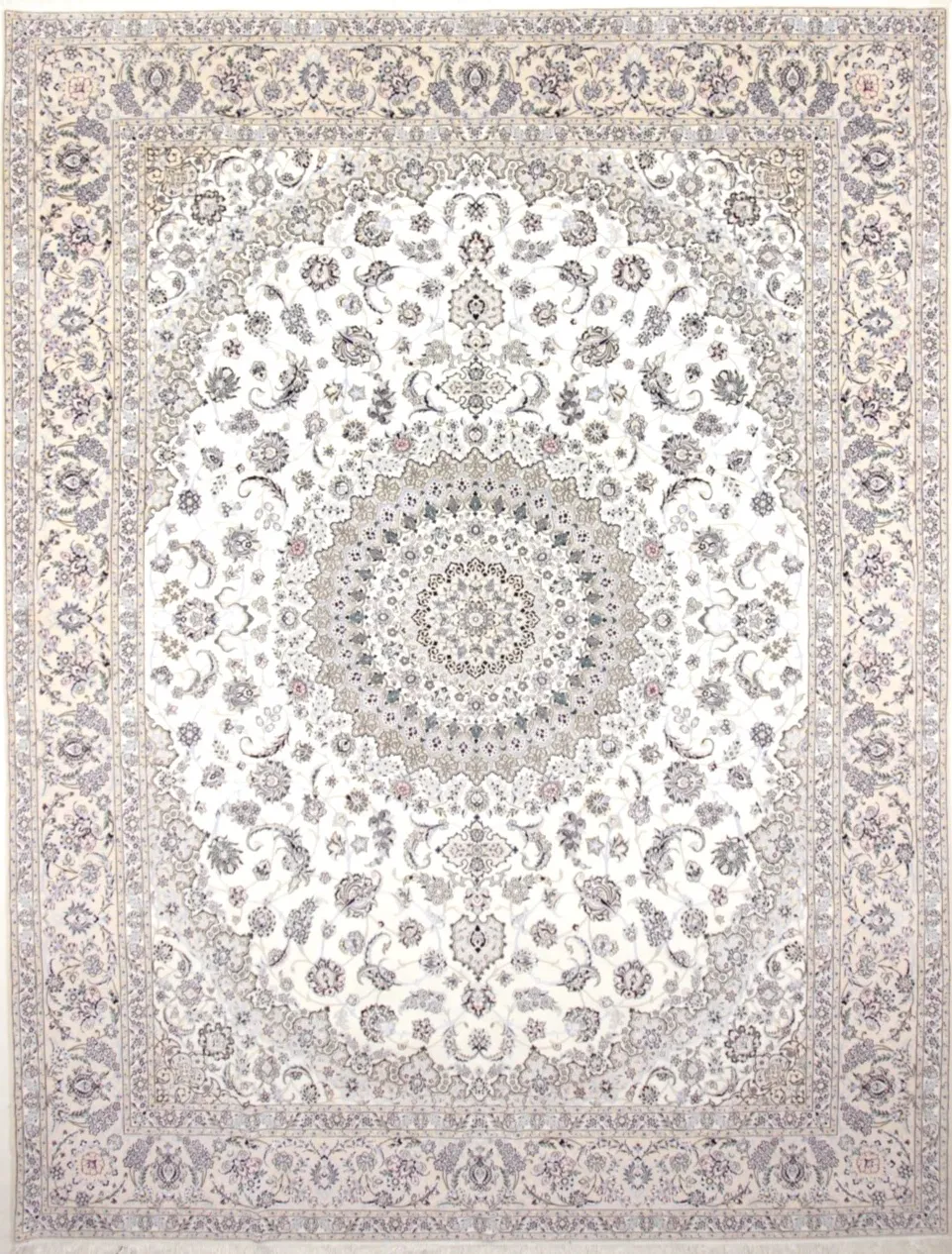
A clear trend in the carpet world is earthy tones and natural colors. Warm sand and brown tones create a relaxed ambiance and harmonize well with various interior styles, from minimalist to rustic.
2. Geometric patterns
Modern geometric patterns bring movement and dynamism to a room. They are particularly popular in urban and modern homes, as they provide deep visual impact while also adding structure to the space.
3. Vintage-Optics
Rugs with a distressed look are also very popular. They add a touch of history and character to any room and are perfect companions to a variety of styles.
materials and processing
1. Natural fibers
Materials such as wool, cotton, and sisal are becoming increasingly popular. They are not only sustainable but also resilient and durable. Wool has the excellent ability to regulate temperature and humidity, making it an ideal material for rugs.
2. Hand-knotted carpets
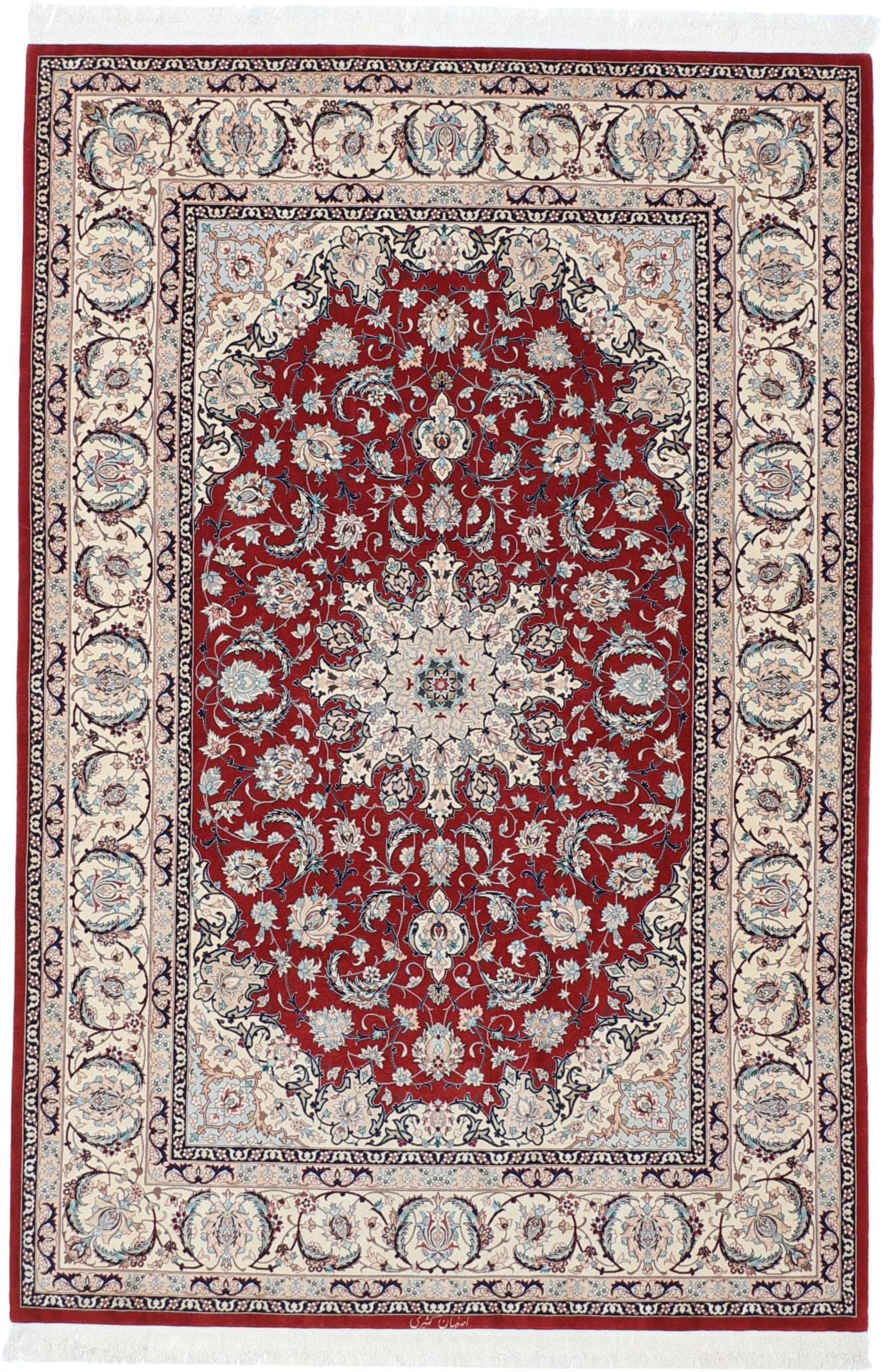
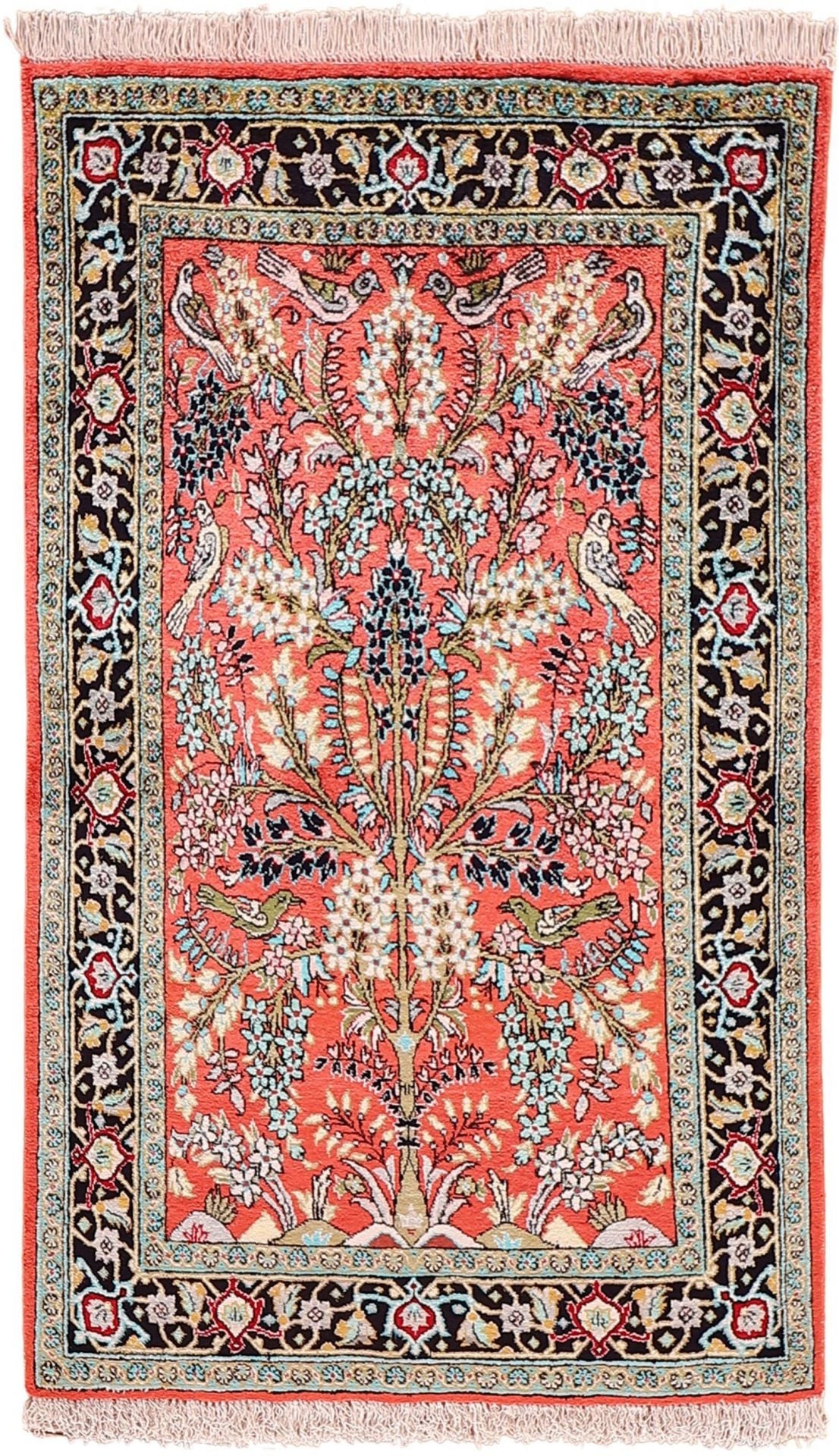
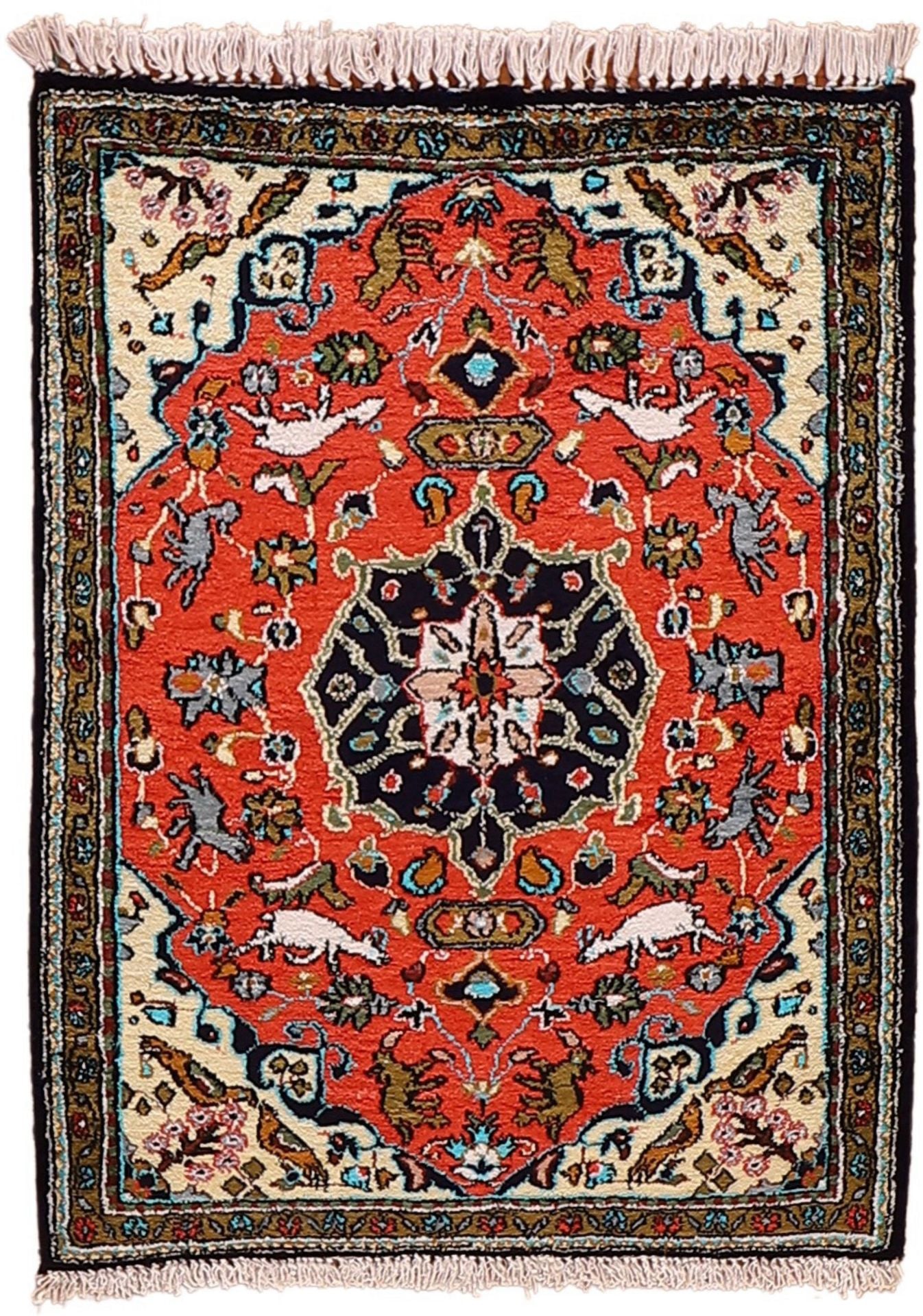
Hand-knotted rugs are masterpieces of craftsmanship, offering unique designs that aren't tied to mass production. They are often one-of-a-kind and contribute to the individuality of a room.
3. Functional materials
For households with children or pets, many manufacturers rely on durable synthetic materials. These rugs are easy to clean and can withstand even intensive use.
Tips for choosing a carpet
Size and proportions
When choosing a rug, size is crucial. A rug that's too small can make the room appear disharmonious, while one that's too large can feel overwhelming. Ideally, the front legs of furniture should rest on the rug to create a cohesive overall look.
Style and function
Consider the style of your interior. A modern room may benefit from a statement rug, while more classic settings are more likely to benefit from simple rugs. Also consider how the rug will be used—in high-traffic areas, you'll want to choose more durable materials.
Care and cleaning
Every carpet requires different care. While synthetic carpets can often be cleaned with a damp cloth and regular cleaning products, natural fibers require special care products. Regular vacuuming is essential for all carpets to remove dirt and dust.
Carpets in the context of interior design
Creation of zones
Rugs can serve as visual dividers within a room. They help define different functional areas, be it the dining room, the living area, or a reading nook. They thus contribute to the structuring of open-plan living concepts.
Accentuating furniture
A rug can also serve to accentuate furniture. A striking, patterned rug can serve as a focal point, complementing or contrasting the surrounding furniture.
The importance of comfort
Another crucial aspect of carpets is comfort. Especially in living spaces, they contribute to a cosy atmosphere and invite you to linger. A soft carpet can make the difference between a cold, uncomfortable room and a warm, inviting ambiance.
Conclusion
The return of the rug reflects a conscious rethinking of interior design. Rugs are more than just floor coverings; they express style, character, and a sense of home. The variety of colors, patterns, and materials offers something for every taste, and the right tips for selection and care will help you make the perfect choice. Whether you're furnishing a home or simply want to freshen up a room, a rug can work wonders.
FAQ's
FAQ 1: How do I clean my carpet properly?
Proper cleaning depends on the carpet material. Regular vacuuming is recommended for most carpets. If stains occur, dab them immediately with a damp cloth and use a mild detergent. Natural fibers require special care, so please follow the manufacturer's recommendations.
FAQ 2: Which carpet size should I choose?
The size of the rug should be appropriate for the furniture and the room. A good rule of thumb is that the front legs of the furniture should rest on the rug. For dining areas, a rug large enough to accommodate the chairs when pulled out is recommended.
FAQ 3: Where can I buy the best carpet?
You can find the best rugs in specialty rug shops, online stores, and large furniture stores. Pay attention to the quality, materials, and return policy. Online stores often offer a larger selection and generally good prices, as long as you know the dimensions and materials.
This comprehensive guide is designed to help you find the right rug for your home, taking into account the latest trends and tips. Make rugs a crucial element of your interior design and enjoy the benefits they offer your space.